

Fish, carp, raw
Whole food · Finfish and Shellfish Products

Photo: Wikipedia
Carp is a freshwater fish with firm, white flesh and a distinctively mild, slightly sweet flavor. Its texture is meaty and satisfying, often compared to a milder, more delicate version of sea bass or snapper. Nutritionally, it's a lean powerhouse, delivering a substantial 17.83g of protein per 100g with virtually no carbohydrates.
Calorie split: 59% protein · 0% carbs · 41% fat
↓ Full nutrition💚 Why it's loved
People cherish carp for its versatile, mild flavor that readily absorbs herbs, spices, and marinades, making it a canvas for diverse culinary traditions. It holds deep cultural significance in many European and Asian cuisines, often being the centerpiece of festive holiday meals.
⚠️ Watch-outs & how to enjoy it better
Carp can have a muddy or earthy taste if not sourced from clean waters, and its numerous small bones require careful eating or preparation. To counteract the earthiness, soak fillets in milk or salted water for an hour before cooking. To manage bones, opt for filleting or choose recipes like gefilte fish where bones are removed during preparation.
Key benefits
- Excellent source of high-quality, complete protein for muscle maintenance.
- Very low in carbohydrates, making it suitable for low-carb and ketogenic diets.
- Provides essential omega-3 fatty acids for heart and brain health.
- A good source of B vitamins, particularly B12, for energy metabolism.
- Naturally low in sodium, supporting healthy blood pressure levels.
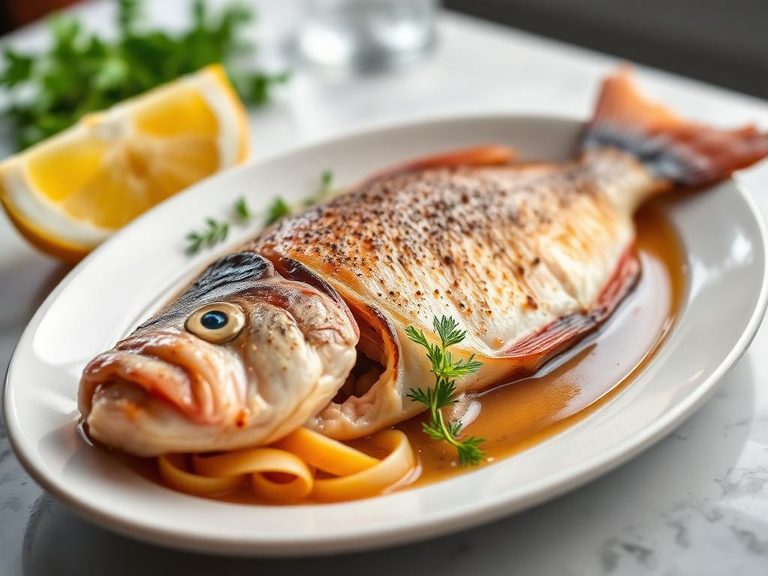
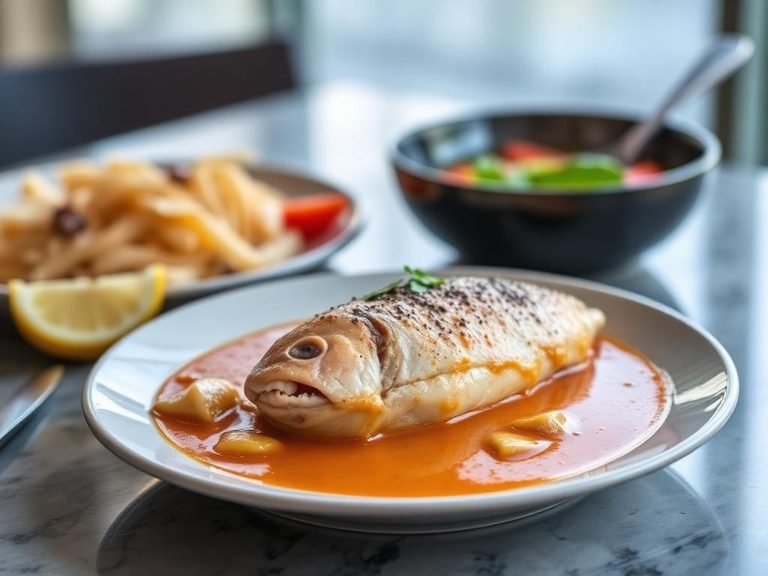
🍽️ Popular dishes
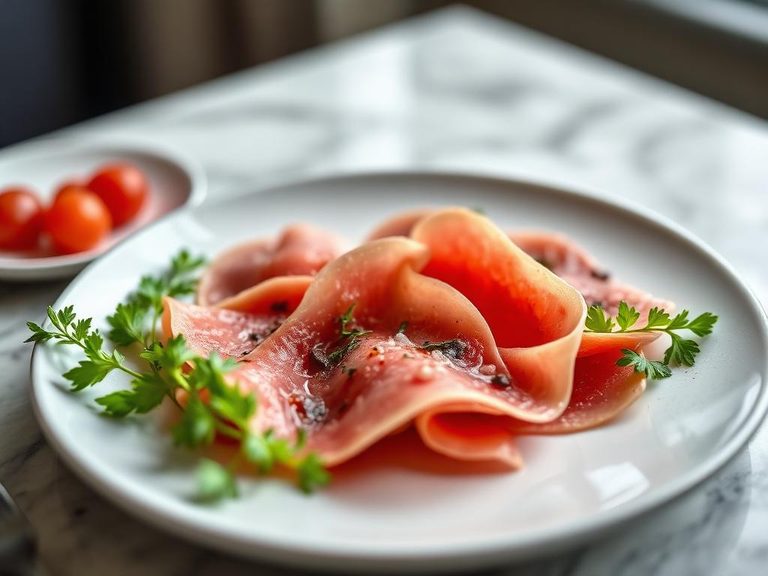
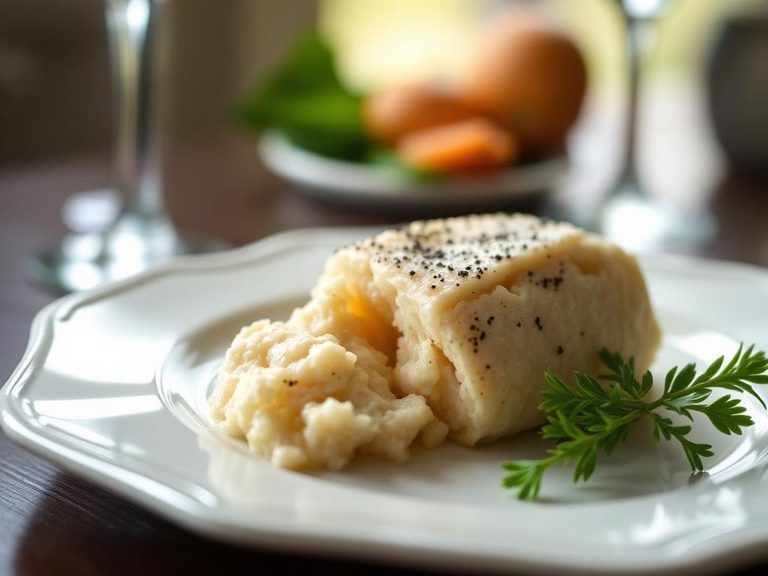
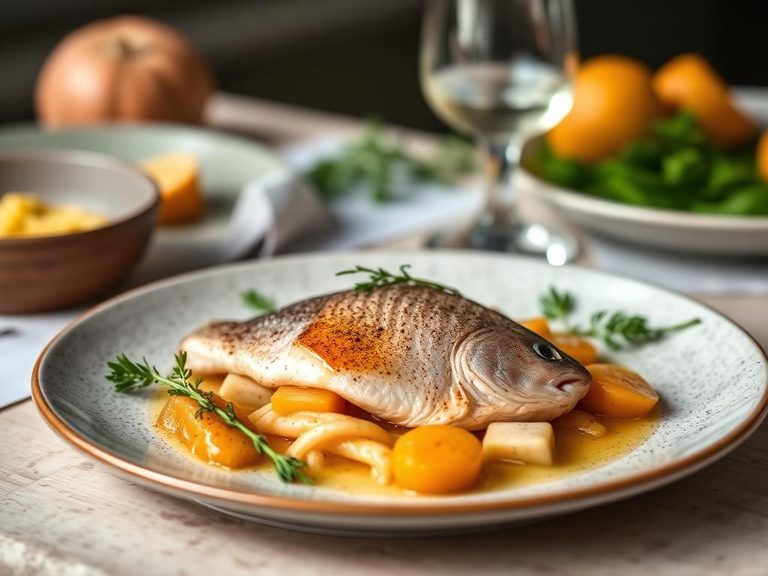
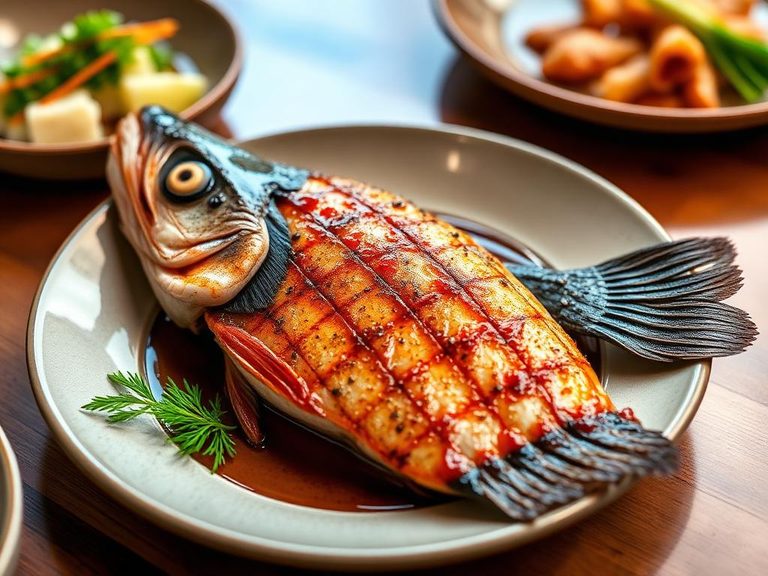
🌍 Where it's eaten
💡 Did you know?
In parts of Central Europe, a scale from the Christmas carp is traditionally placed in one's wallet to ensure wealth and prosperity for the coming year.
Full nutrition (USDA data · scales with serving)
| Water | 76.3 g |
| Energy | 127 kcal |
| Energy | 531 kj |
| Protein | 17.8 g |
| Total lipid (fat) | 5.6 g |
| Ash | 1.5 g |
| Carbohydrate, by difference | 0.00 g |
| Fiber, total dietary | 0.00 g |
| Total Sugars | 0.00 g |
| Calcium, Ca | 41.0 mg |
| Iron, Fe | 1.2 mg |
| Magnesium, Mg | 29.0 mg |
| Phosphorus, P | 415 mg |
| Potassium, K | 333 mg |
| Sodium, Na | 49.0 mg |
| Zinc, Zn | 1.5 mg |
| Copper, Cu | 0.06 mg |
| Manganese, Mn | 0.04 mg |
| Selenium, Se | 12.6 ug |
| Vitamin C, total ascorbic acid | 1.6 mg |
| Thiamin | 0.12 mg |
| Riboflavin | 0.06 mg |
| Niacin | 1.6 mg |
| Pantothenic acid | 0.75 mg |
| Vitamin B-6 | 0.19 mg |
| Folate, total | 15.0 ug |
| Folic acid | 0.00 ug |
| Folate, food | 15.0 ug |
| Folate, DFE | 15.0 ug |
| Choline, total | 65.0 mg |
| Vitamin B-12 | 1.5 ug |
| Vitamin B-12, added | 0.00 ug |
| Vitamin A, RAE | 9.0 ug |
| Retinol | 9.0 ug |
| Carotene, beta | 0.00 ug |
| Carotene, alpha | 0.00 ug |
| Cryptoxanthin, beta | 0.00 ug |
| Vitamin A, IU | 30.0 iu |
| Lycopene | 0.00 ug |
| Lutein + zeaxanthin | 0.00 ug |
| Vitamin E (alpha-tocopherol) | 0.63 mg |
| Vitamin E, added | 0.00 mg |
| Vitamin D (D2 + D3), International Units | 988 iu |
| Vitamin D (D2 + D3) | 24.7 ug |
| Vitamin D3 (cholecalciferol) | 24.7 ug |
| Vitamin K (phylloquinone) | 0.10 ug |
| Alcohol, ethyl | 0.00 g |
| Caffeine | 0.00 mg |
| Theobromine | 0.00 mg |
Fat & fatty acid profile (per 100g)
| Fatty acids, total saturated | 1.1 g |
| SFA 4:0 | 0.00 g |
| SFA 6:0 | 0.00 g |
| SFA 8:0 | 0.00 g |
| SFA 10:0 | 0.00 g |
| SFA 12:0 | 0.00 g |
| SFA 14:0 | 0.11 g |
| SFA 16:0 | 0.66 g |
| SFA 18:0 | 0.18 g |
| Fatty acids, total monounsaturated | 2.3 g |
| MUFA 16:1 | 0.66 g |
| MUFA 18:1 | 1.1 g |
| MUFA 20:1 | 0.07 g |
| MUFA 22:1 | 0.40 g |
| Fatty acids, total polyunsaturated | 1.4 g |
| PUFA 18:2 | 0.52 g |
| PUFA 18:3 | 0.27 g |
| PUFA 18:4 | 0.06 g |
| PUFA 20:4 | 0.15 g |
| PUFA 20:5 n-3 (EPA) | 0.24 g |
| PUFA 22:5 n-3 (DPA) | 0.08 g |
| PUFA 22:6 n-3 (DHA) | 0.11 g |
| Cholesterol | 66.0 mg |
Amino acid profile (per 100g)
| Tryptophan | 0.20 g |
| Threonine | 0.78 g |
| Isoleucine | 0.82 g |
| Leucine | 1.4 g |
| Lysine | 1.6 g |
| Methionine | 0.53 g |
| Cystine | 0.19 g |
| Phenylalanine | 0.70 g |
| Tyrosine | 0.60 g |
| Valine | 0.92 g |
| Arginine | 1.1 g |
| Histidine | 0.53 g |
| Alanine | 1.1 g |
| Aspartic acid | 1.8 g |
| Glutamic acid | 2.7 g |
| Glycine | 0.86 g |
| Proline | 0.63 g |
| Serine | 0.73 g |
FAQ
How do I remove the muddy taste from carp?
Soak the cleaned fish or fillets in cold water with a splash of vinegar or lemon juice, or in milk, for 1-2 hours in the refrigerator before cooking. This helps draw out impurities.
Is carp safe to eat raw?
Like any freshwater fish, carp carries a higher risk of parasites. It should be commercially flash-frozen to kill parasites before being used raw in dishes like carpaccio or sashimi. Never use raw, unfrozen carp from a local waterway.
What's the best way to cook carp to minimize bones?
Braising, stewing, or making fish cakes or gefilte fish are excellent methods, as the prolonged cooking softens the fine bones. For a cleaner eating experience, have the fishmonger fillet it for you, removing the pin bones.
Nutrient density (calculated · NRF9.3)
Nutrient Rich Foods index: beneficial nutrients (protein, fiber, vitamins, minerals) minus saturated fat, added sugar & sodium, per 100 kcal.
NRF9.3 index — Fulgoni, Keast & Drewnowski, 2009. Computed from USDA nutrients.
Weight-loss friendliness (composite index)
Energy density 1.27 kcal/g · 56% calories from protein · 0.0 g fiber · 0.0 g sugar per 100 g.
Composite of energy density (Rolls et al., 1999), protein & fiber satiety, minus sugar. A calculated heuristic — ranks satiety-per-calorie, not a clinical measure.
Dietary load (calculated from USDA values)
Potential renal acid load. Positive = acid-forming, negative = alkaline-forming.
Sodium-to-potassium ratio: 0.15 (lower is better — aim for ≤ 1)
Sodium:potassium per WHO potassium guidance. Computed from USDA nutrients.