

Crustaceans, shrimp, cooked
Whole food · Finfish and Shellfish Products
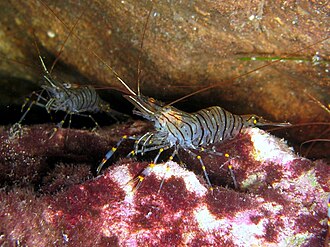
Photo: Wikipedia
Cooked shrimp are the firm, sweet, and succulent crustaceans that turn from translucent grey to a vibrant pink-orange when heated. Their texture is uniquely snappy and tender, offering a clean, oceanic flavor that is both delicate and satisfying. Nutritionally, they are a powerhouse, delivering an exceptionally high amount of lean protein with virtually no carbohydrates or fat.
Calorie split: 97% protein · 1% carbs · 3% fat
↓ Full nutrition💚 Why it's loved
People adore shrimp for its unique combination of a satisfying, snappy texture and a naturally sweet, briny flavor that pairs with almost any cuisine. Its incredible versatility means it can be the star of a luxurious shrimp scampi, a humble shrimp cocktail, or a quick stir-fry, making it a beloved ingredient worldwide.
⚠️ Watch-outs & how to enjoy it better
A primary concern is its potential as a common food allergen, with reactions ranging from mild to severe. Shrimp can also be high in sodium depending on preparation (e.g., in brine or seasoned mixes) and contains purines, which may be a consideration for individuals with gout. To mitigate sodium, choose fresh or frozen unseasoned shrimp and rinse before cooking; for purine concerns, moderate portion size and ensure adequate hydration.
Key benefits
- Excellent source of high-quality, lean protein for muscle maintenance.
- Very low in calories, making it ideal for weight management.
- Rich in selenium, a mineral crucial for antioxidant defense.
- Contains astaxanthin, a potent antioxidant that gives it color.
- Good source of iodine, essential for healthy thyroid function.
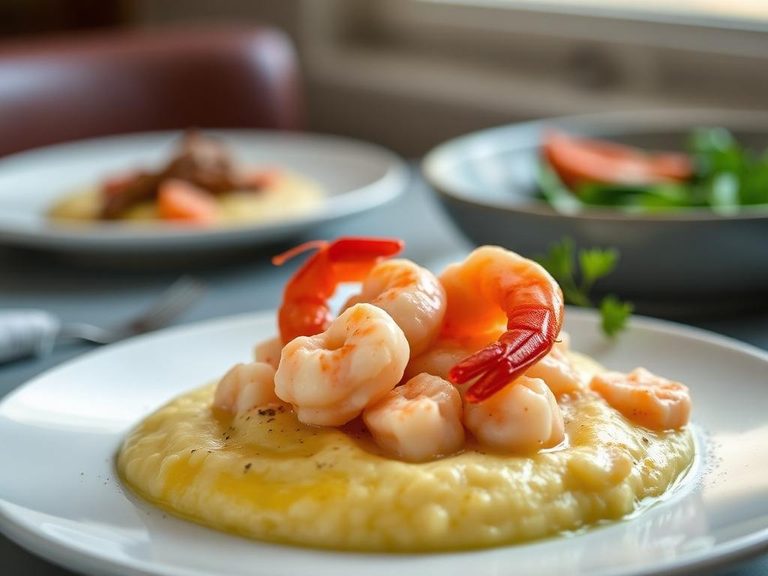
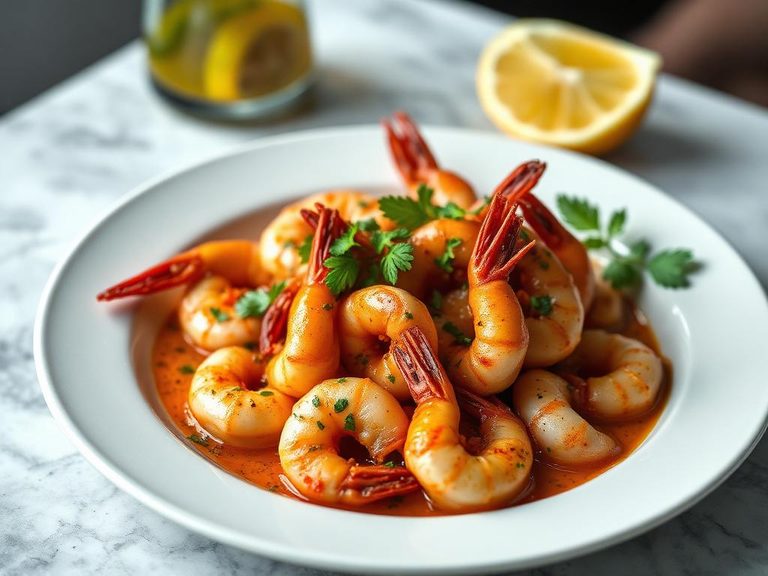
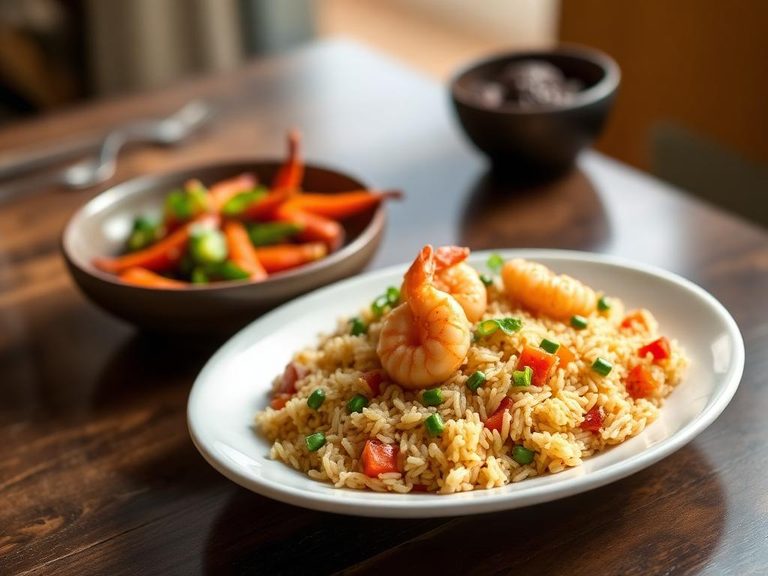
🍽️ Popular dishes
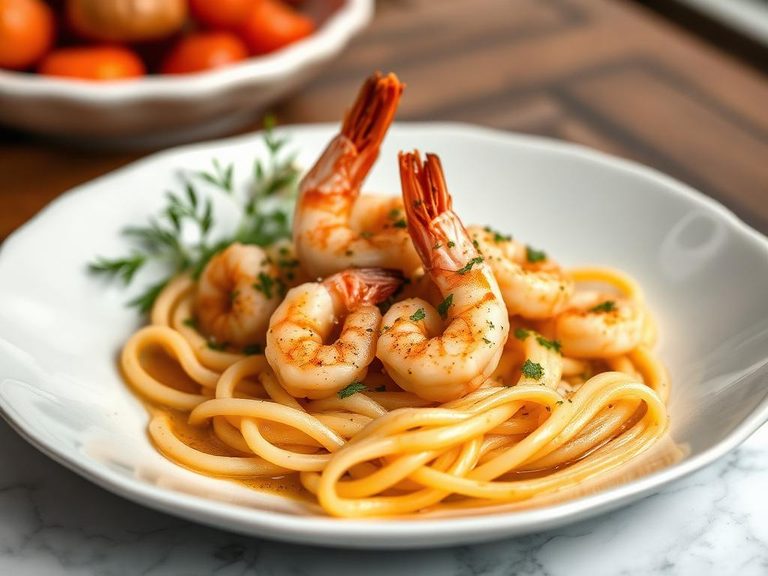
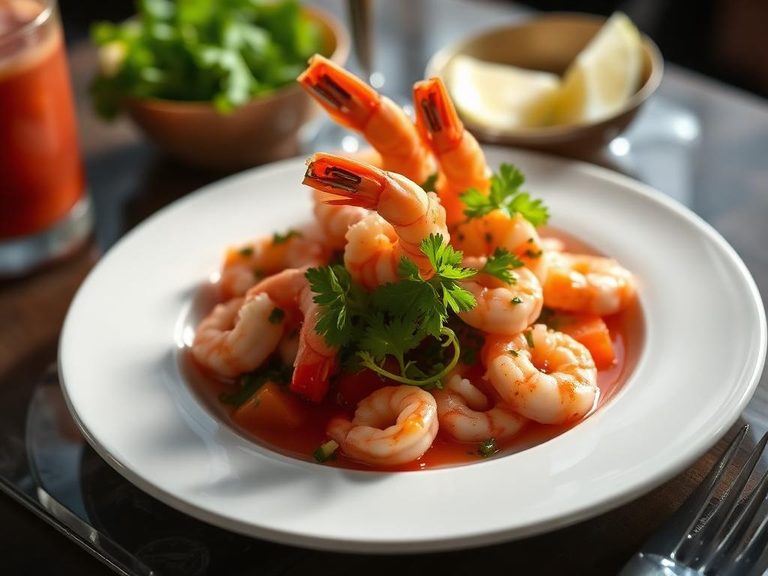
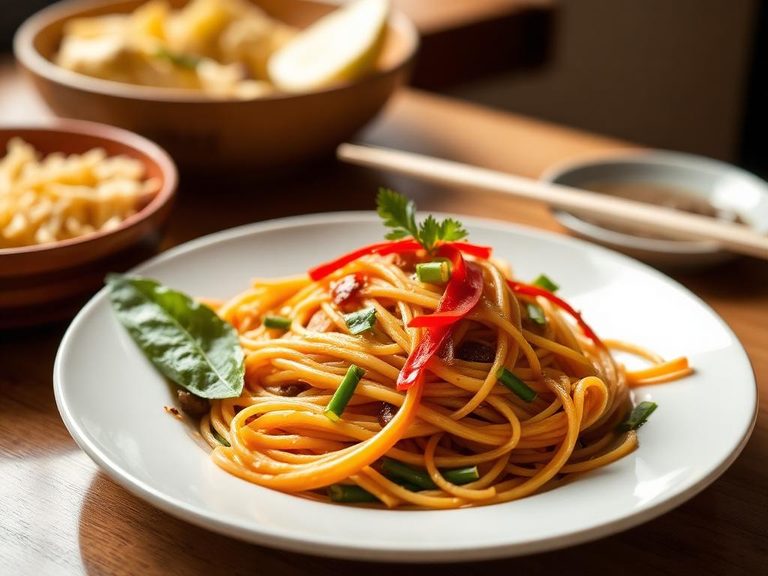
🌍 Where it's eaten
💡 Did you know?
A shrimp's heart is located in its head, and it pumps a blue-green blood called hemolymph, which uses copper-based hemocyanin to transport oxygen instead of iron-based hemoglobin.
Full nutrition (USDA data · scales with serving)
| Water | 74.3 g |
| Energy | 99.0 kcal |
| Energy | 415 kj |
| Protein | 24.0 g |
| Total lipid (fat) | 0.28 g |
| Ash | 1.2 g |
| Carbohydrate, by difference | 0.20 g |
| Calcium, Ca | 70.0 mg |
| Iron, Fe | 0.51 mg |
| Magnesium, Mg | 39.0 mg |
| Phosphorus, P | 237 mg |
| Potassium, K | 259 mg |
| Sodium, Na | 111 mg |
| Zinc, Zn | 1.6 mg |
| Copper, Cu | 0.38 mg |
| Manganese, Mn | 0.03 mg |
Fat & fatty acid profile (per 100g)
| Fatty acids, total saturated | 0.06 g |
| SFA 4:0 | 0.00 g |
| SFA 6:0 | 0.00 g |
| SFA 8:0 | 0.00 g |
| SFA 10:0 | 0.00 g |
| SFA 12:0 | 0.00 g |
| SFA 14:0 | 0.00 g |
| SFA 15:0 | 0.00 g |
| SFA 16:0 | 0.03 g |
| SFA 17:0 | 0.00 g |
| SFA 18:0 | 0.02 g |
| SFA 20:0 | 0.00 g |
| SFA 22:0 | 0.00 g |
| SFA 24:0 | 0.00 g |
| Fatty acids, total monounsaturated | 0.05 g |
| MUFA 14:1 | 0.00 g |
| MUFA 15:1 | 0.00 g |
| MUFA 16:1 | 0.00 g |
| MUFA 16:1 c | 0.00 g |
| MUFA 17:1 | 0.00 g |
| MUFA 18:1 | 0.02 g |
| MUFA 18:1 c | 0.02 g |
| MUFA 20:1 | 0.00 g |
| MUFA 22:1 | 0.00 g |
| MUFA 22:1 c | 0.00 g |
| MUFA 24:1 c | 0.00 g |
| Fatty acids, total polyunsaturated | 0.08 g |
| PUFA 18:2 | 0.02 g |
| PUFA 18:2 n-6 c,c | 0.02 g |
| PUFA 18:2 CLAs | 0.00 g |
| PUFA 18:3 | 0.00 g |
| PUFA 18:3 n-3 c,c,c (ALA) | 0.00 g |
| PUFA 18:3 n-6 c,c,c | 0.00 g |
| PUFA 18:4 | 0.00 g |
| PUFA 20:2 n-6 c,c | 0.00 g |
| PUFA 20:3 | 0.00 g |
| PUFA 20:3 n-3 | 0.00 g |
| PUFA 20:3 n-6 | 0.00 g |
| PUFA 20:4 | 0.01 g |
| PUFA 20:5 n-3 (EPA) | 0.01 g |
| PUFA 22:4 | 0.00 g |
| PUFA 22:5 n-3 (DPA) | 0.00 g |
| PUFA 22:6 n-3 (DHA) | 0.01 g |
| Fatty acids, total trans | 0.00 g |
| Fatty acids, total trans-monoenoic | 0.00 g |
| TFA 16:1 t | 0.00 g |
| TFA 18:1 t | 0.00 g |
| TFA 22:1 t | 0.00 g |
| TFA 18:2 t not further defined | 0.00 g |
| Fatty acids, total trans-polyenoic | 0.00 g |
| Cholesterol | 189 mg |
Amino acid profile (per 100g)
Estimated from Crustaceans, crab, blue, crab cakes, home recipe — USDA does not publish this profile for Crustaceans.
| Tryptophan | 0.28 g |
| Threonine | 0.83 g |
| Isoleucine | 1.00 g |
| Leucine | 1.6 g |
| Lysine | 1.7 g |
| Methionine | 0.57 g |
| Cystine | 0.24 g |
| Phenylalanine | 0.87 g |
| Tyrosine | 0.68 g |
| Valine | 0.98 g |
| Arginine | 1.7 g |
| Histidine | 0.41 g |
| Alanine | 1.1 g |
| Aspartic acid | 2.1 g |
| Glutamic acid | 3.4 g |
| Glycine | 1.2 g |
| Proline | 0.68 g |
| Serine | 0.84 g |
FAQ
What is the difference between shrimp and prawns?
While often used interchangeably, biologically, prawns belong to a different suborder. In culinary terms, the distinction is regional; 'shrimp' is more common in North America, while 'prawn' is used elsewhere. They are nutritionally very similar.
Is the dark vein on the back of the shrimp safe to eat?
The 'vein' is the shrimp's digestive tract. It's safe to eat but often gritty and bitter, so it's typically removed for better texture and flavor, a process called deveining.
How can I tell if cooked shrimp is done?
Cooked shrimp are opaque pinkish-white with a firm, curled 'C' shape. Overcooked shrimp form a tight 'O' shape and become tough and rubbery.
Nutrient density (calculated · NRF9.3)
Nutrient Rich Foods index: beneficial nutrients (protein, fiber, vitamins, minerals) minus saturated fat, added sugar & sodium, per 100 kcal.
NRF9.3 index — Fulgoni, Keast & Drewnowski, 2009. Computed from USDA nutrients.
Weight-loss friendliness (composite index)
Energy density 0.99 kcal/g · 97% calories from protein · 0.0 g fiber · 0.0 g sugar per 100 g.
Composite of energy density (Rolls et al., 1999), protein & fiber satiety, minus sugar. A calculated heuristic — ranks satiety-per-calorie, not a clinical measure.
Dietary load (calculated from USDA values)
Potential renal acid load. Positive = acid-forming, negative = alkaline-forming.
Sodium-to-potassium ratio: 0.43 (lower is better — aim for ≤ 1)
Sodium:potassium per WHO potassium guidance. Computed from USDA nutrients.