

Chicken, broilers or fryers, light meat, meat only, cooked, stewed
Whole food · Poultry Products

Photo: Wikipedia
This is the lean, tender breast meat of a young chicken, gently stewed until it becomes succulent and easily shreds. It has a mild, clean flavor and a soft, moist texture that absorbs cooking liquids beautifully. Nutritionally, it's a powerhouse of high-quality protein with virtually no fat or carbohydrates.
Calorie split: 76% protein · 0% carbs · 24% fat
↓ Full nutrition💚 Why it's loved
People love it for its incredible versatility and mild canvas, which readily takes on the flavors of herbs, spices, and sauces. It's a comforting, familiar staple in home cooking worldwide, often associated with nourishing, wholesome meals.
⚠️ Watch-outs & how to enjoy it better
The primary downside is its leanness, which can lead to a dry, chalky texture if overcooked or stewed improperly. To counteract this, always use a flavorful braising liquid (like broth or tomato sauce) and ensure it's fully submerged during cooking. It's also a common poultry allergen.
Key benefits
- Excellent source of complete, lean protein for muscle maintenance.
- Very low in fat and contains zero carbohydrates or sugar.
- Provides essential B vitamins like niacin and B6 for energy metabolism.
- A versatile, mild base for countless low-calorie, high-protein meals.
🍽️ Popular dishes
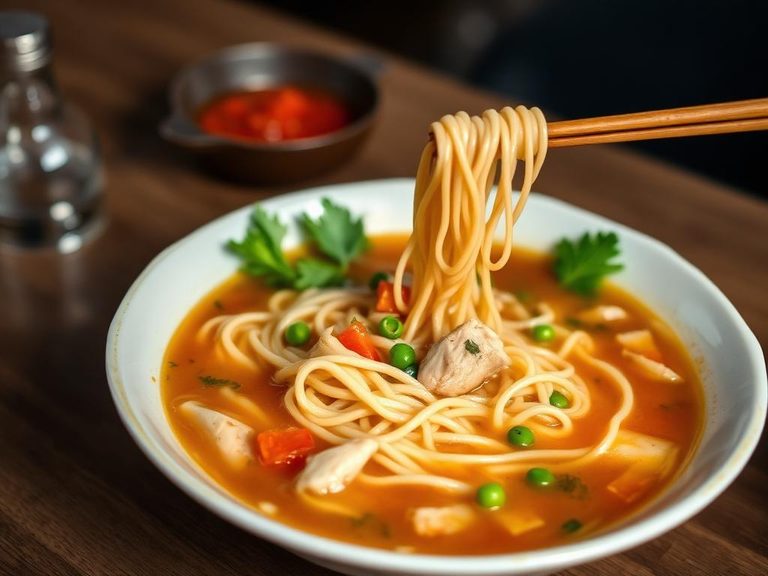
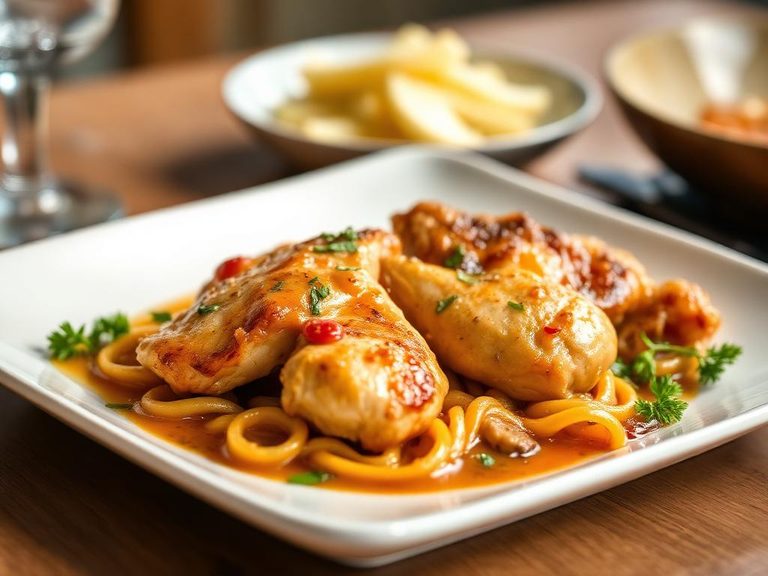
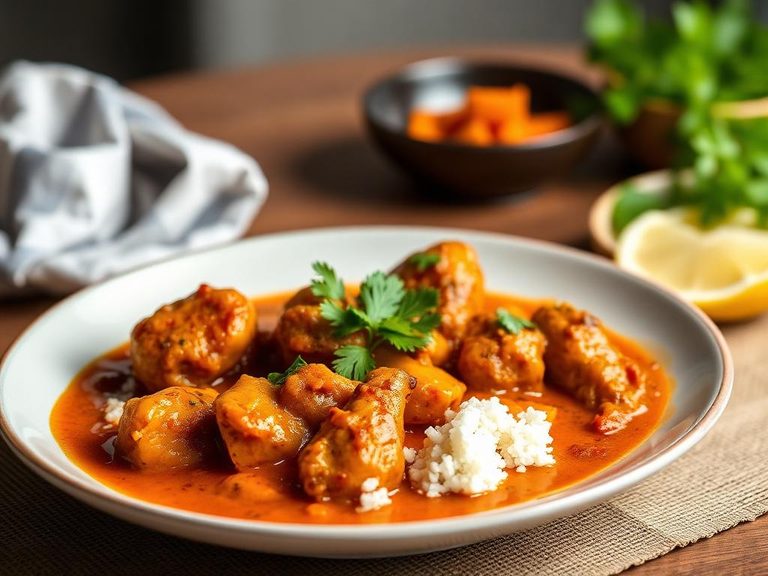
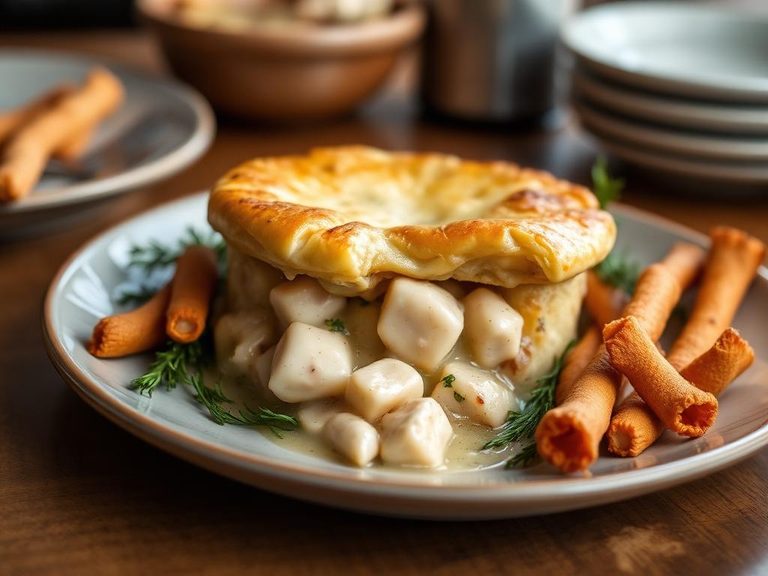
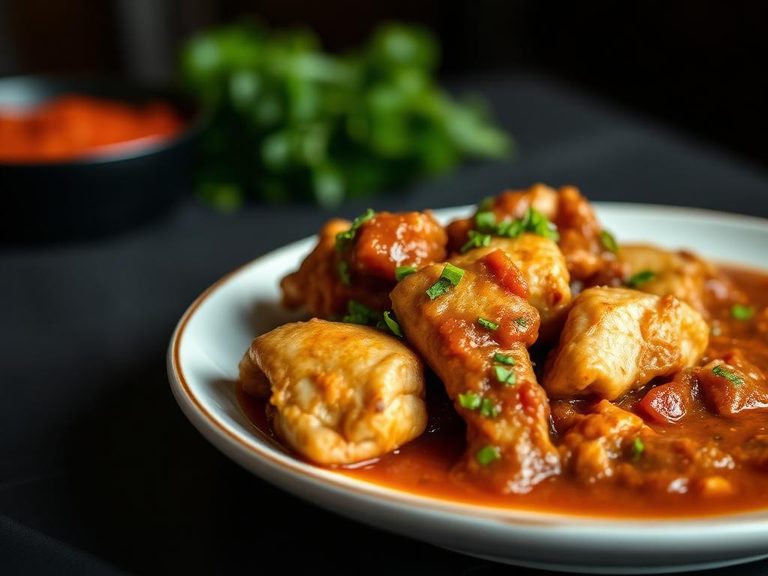
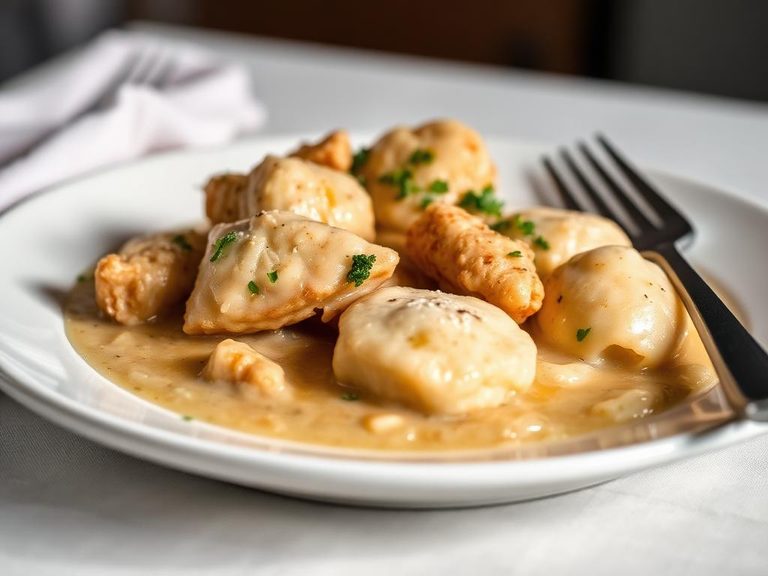
🌍 Where it's eaten
💡 Did you know?
The term 'broiler' specifically refers to a young chicken (under 10 weeks old) bred and raised for meat production, chosen for its rapid growth and tender flesh.
Full nutrition (USDA data · scales with serving)
| Water | 68.0 g |
| Energy | 159 kcal |
| Energy | 665 kj |
| Protein | 28.9 g |
| Total lipid (fat) | 4.0 g |
| Ash | 0.87 g |
| Carbohydrate, by difference | 0.00 g |
| Fiber, total dietary | 0.00 g |
| Total Sugars | 0.00 g |
| Calcium, Ca | 13.0 mg |
| Iron, Fe | 0.93 mg |
| Magnesium, Mg | 22.0 mg |
| Phosphorus, P | 159 mg |
| Potassium, K | 180 mg |
| Sodium, Na | 65.0 mg |
| Zinc, Zn | 1.2 mg |
| Copper, Cu | 0.04 mg |
| Manganese, Mn | 0.02 mg |
| Selenium, Se | 22.3 ug |
| Vitamin C, total ascorbic acid | 0.00 mg |
| Thiamin | 0.04 mg |
| Riboflavin | 0.12 mg |
| Niacin | 7.8 mg |
| Pantothenic acid | 0.57 mg |
| Vitamin B-6 | 0.33 mg |
| Folate, total | 3.0 ug |
| Folic acid | 0.00 ug |
| Folate, food | 3.0 ug |
| Folate, DFE | 3.0 ug |
| Choline, total | 76.6 mg |
| Betaine | 5.6 mg |
| Vitamin B-12 | 0.23 ug |
| Vitamin B-12, added | 0.00 ug |
| Vitamin A, RAE | 8.0 ug |
| Retinol | 8.0 ug |
| Carotene, beta | 0.00 ug |
| Carotene, alpha | 0.00 ug |
| Cryptoxanthin, beta | 0.00 ug |
| Vitamin A, IU | 27.0 iu |
| Lycopene | 0.00 ug |
| Lutein + zeaxanthin | 0.00 ug |
| Vitamin E (alpha-tocopherol) | 0.27 mg |
| Vitamin E, added | 0.00 mg |
| Vitamin D (D2 + D3), International Units | 5.0 iu |
| Vitamin D (D2 + D3) | 0.10 ug |
| Vitamin D3 (cholecalciferol) | 0.10 ug |
| Vitamin K (phylloquinone) | 0.20 ug |
| Vitamin K (Dihydrophylloquinone) | 0.00 ug |
| Alcohol, ethyl | 0.00 g |
| Caffeine | 0.00 mg |
| Theobromine | 0.00 mg |
Fat & fatty acid profile (per 100g)
| Fatty acids, total saturated | 1.1 g |
| SFA 4:0 | 0.00 g |
| SFA 6:0 | 0.00 g |
| SFA 8:0 | 0.00 g |
| SFA 10:0 | 0.00 g |
| SFA 12:0 | 0.01 g |
| SFA 14:0 | 0.03 g |
| SFA 16:0 | 0.77 g |
| SFA 18:0 | 0.28 g |
| Fatty acids, total monounsaturated | 1.4 g |
| MUFA 16:1 | 0.16 g |
| MUFA 18:1 | 1.1 g |
| MUFA 20:1 | 0.03 g |
| MUFA 22:1 | 0.00 g |
| Fatty acids, total polyunsaturated | 0.87 g |
| PUFA 18:2 | 0.65 g |
| PUFA 18:3 | 0.03 g |
| PUFA 18:4 | 0.00 g |
| PUFA 20:4 | 0.07 g |
| PUFA 20:5 n-3 (EPA) | 0.01 g |
| PUFA 22:5 n-3 (DPA) | 0.02 g |
| PUFA 22:6 n-3 (DHA) | 0.03 g |
| Cholesterol | 77.0 mg |
Amino acid profile (per 100g)
| Tryptophan | 0.34 g |
| Threonine | 1.2 g |
| Isoleucine | 1.5 g |
| Leucine | 2.2 g |
| Lysine | 2.5 g |
| Methionine | 0.80 g |
| Cystine | 0.37 g |
| Phenylalanine | 1.1 g |
| Tyrosine | 0.97 g |
| Valine | 1.4 g |
| Arginine | 1.7 g |
| Histidine | 0.90 g |
| Alanine | 1.6 g |
| Aspartic acid | 2.6 g |
| Glutamic acid | 4.3 g |
| Glycine | 1.4 g |
| Proline | 1.2 g |
| Serine | 0.99 g |
FAQ
How do I keep stewed chicken breast from getting dry?
The key is gentle, moist heat. Ensure the chicken is fully covered by your braising liquid (broth, sauce, etc.), maintain a very low simmer (not a boil), and cook just until the internal temperature reaches 165°F (74°C). Letting it rest in the liquid after cooking helps it reabsorb moisture.
Is this the same as 'white meat'?
Yes, in poultry terminology, the breast meat is considered 'white meat,' while the legs and thighs are 'dark meat.' White meat is leaner and milder in flavor, while dark meat has more fat and a richer taste.
Can I use this in salads?
Absolutely. Once stewed and cooled, it shreds or chops perfectly for protein-packed additions to green salads, grain bowls, or mayonnaise-based salads like chicken salad. Its mild flavor won't overpower other ingredients.
Nutrient density (calculated · NRF9.3)
Nutrient Rich Foods index: beneficial nutrients (protein, fiber, vitamins, minerals) minus saturated fat, added sugar & sodium, per 100 kcal.
NRF9.3 index — Fulgoni, Keast & Drewnowski, 2009. Computed from USDA nutrients.
Weight-loss friendliness (composite index)
Energy density 1.59 kcal/g · 73% calories from protein · 0.0 g fiber · 0.0 g sugar per 100 g.
Composite of energy density (Rolls et al., 1999), protein & fiber satiety, minus sugar. A calculated heuristic — ranks satiety-per-calorie, not a clinical measure.
Dietary load (calculated from USDA values)
Potential renal acid load. Positive = acid-forming, negative = alkaline-forming.
Sodium-to-potassium ratio: 0.36 (lower is better — aim for ≤ 1)
Sodium:potassium per WHO potassium guidance. Computed from USDA nutrients.