

Cheese, parmesan, hard
Whole food · Dairy and Egg Products
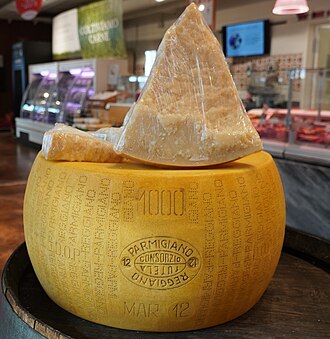
Photo: Wikipedia
Parmigiano-Reggiano, the 'King of Cheeses,' is a hard, granular Italian cheese with a rich, nutty, and savory flavor profile. Its texture is crystalline and crumbly, often featuring crunchy tyrosine crystals that burst with umami. Nutritionally, it's a powerhouse, delivering over 35 grams of protein and a wealth of calcium per 100 grams.
Calorie split: 38% protein · 3% carbs · 59% fat
↓ Full nutrition💚 Why it's loved
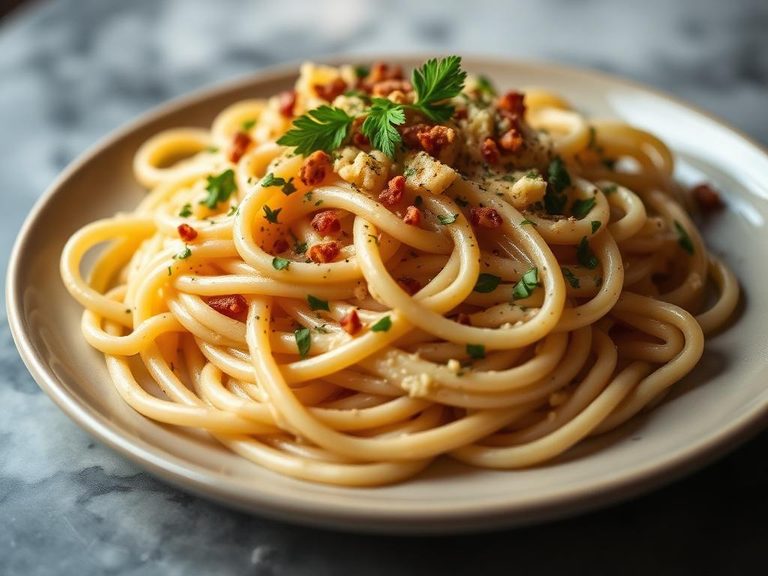
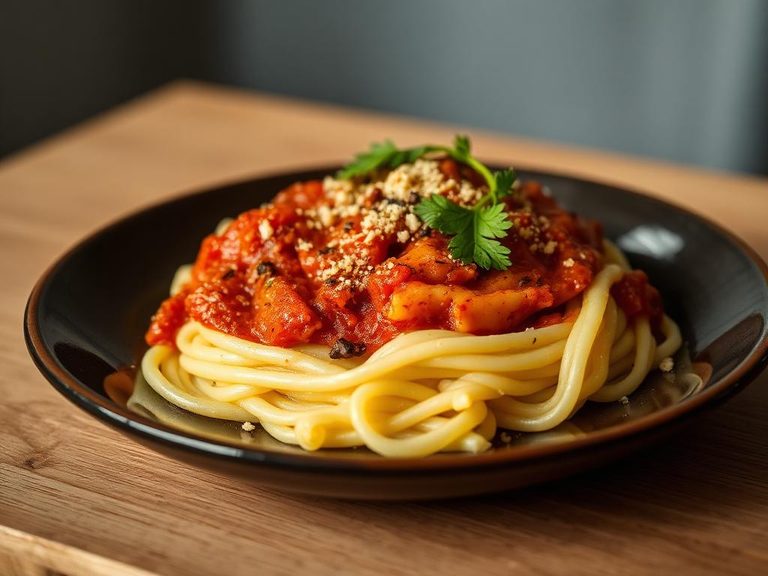
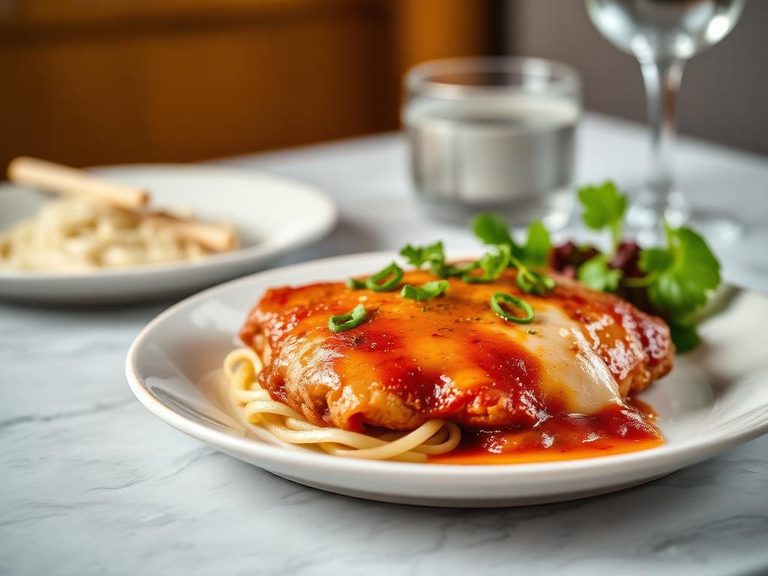
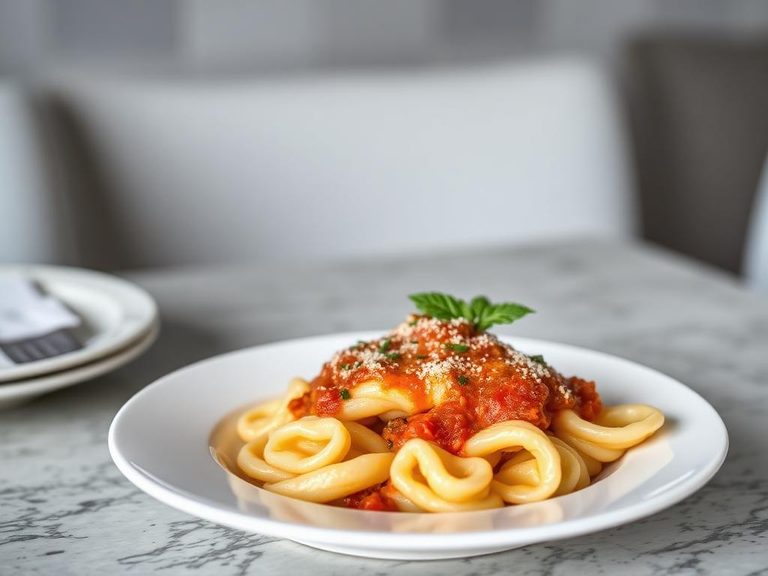
People love it for its intense, complex umami flavor that elevates any dish, from a simple pasta to a fresh pear. Its versatility as both a table cheese and a grating cheese makes it a culinary staple.
⚠️ Watch-outs & how to enjoy it better
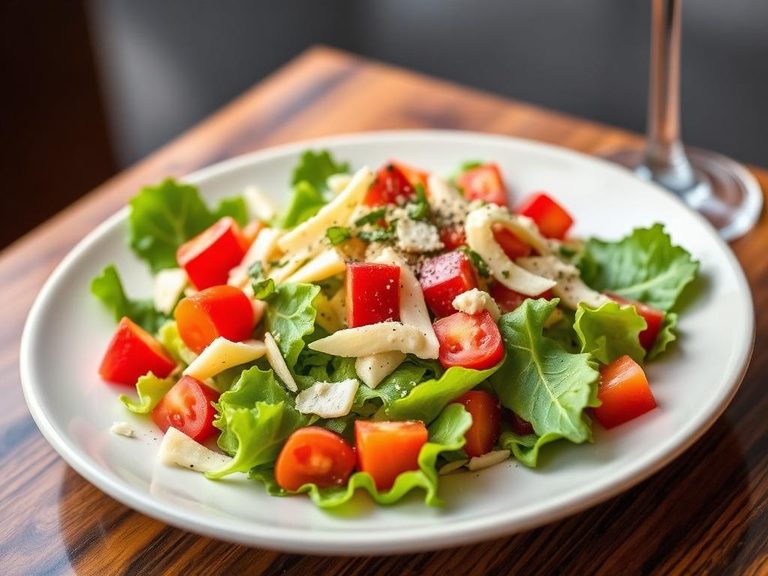
Its high sodium content can be a concern for those monitoring salt intake, and it is a common dairy allergen. To mitigate sodium, use it as a finishing garnish rather than a main ingredient, and pair it with potassium-rich foods like leafy greens.
Key benefits
- Excellent source of high-quality, complete protein
- Rich in calcium for bone health
- Contains probiotics from natural aging
- High in conjugated linoleic acid (CLA)
- Naturally low in lactose due to aging
🍽️ Popular dishes
🌍 Where it's eaten
💡 Did you know?
Authentic Parmigiano-Reggiano wheels are branded with a fire-mark and must be aged a minimum of 12 months, though many are aged for 24-36+ months, developing more intense flavor and crystals.
Full nutrition (USDA data · scales with serving)
| Water | 30.0 g |
| Energy | 392 kcal |
| Energy | 1641 kj |
| Protein | 35.8 g |
| Total lipid (fat) | 25.0 g |
| Ash | 6.0 g |
| Carbohydrate, by difference | 3.2 g |
| Fiber, total dietary | 0.00 g |
| Total Sugars | 0.11 g |
| Calcium, Ca | 1184 mg |
| Iron, Fe | 0.82 mg |
| Magnesium, Mg | 44.0 mg |
| Phosphorus, P | 694 mg |
| Potassium, K | 92.0 mg |
| Sodium, Na | 1175 mg |
| Zinc, Zn | 2.8 mg |
| Copper, Cu | 0.03 mg |
| Manganese, Mn | 0.02 mg |
| Selenium, Se | 22.5 ug |
| Vitamin C, total ascorbic acid | 0.00 mg |
| Thiamin | 0.04 mg |
| Riboflavin | 0.33 mg |
| Niacin | 0.27 mg |
| Pantothenic acid | 0.45 mg |
| Vitamin B-6 | 0.09 mg |
| Folate, total | 7.0 ug |
| Folic acid | 0.00 ug |
| Folate, food | 7.0 ug |
| Folate, DFE | 7.0 ug |
| Choline, total | 15.4 mg |
| Vitamin B-12 | 1.2 ug |
| Vitamin B-12, added | 0.00 ug |
| Vitamin A, RAE | 207 ug |
| Retinol | 201 ug |
| Carotene, beta | 66.0 ug |
| Carotene, alpha | 0.00 ug |
| Cryptoxanthin, beta | 0.00 ug |
| Vitamin A, IU | 781 iu |
| Lycopene | 0.00 ug |
| Lutein + zeaxanthin | 0.00 ug |
| Vitamin E (alpha-tocopherol) | 0.22 mg |
| Vitamin E, added | 0.00 mg |
| Vitamin D (D2 + D3), International Units | 19.0 iu |
| Vitamin D (D2 + D3) | 0.50 ug |
| Vitamin D3 (cholecalciferol) | 0.50 ug |
| Vitamin K (phylloquinone) | 1.7 ug |
| Alcohol, ethyl | 0.00 g |
| Caffeine | 0.00 mg |
| Theobromine | 0.00 mg |
Fat & fatty acid profile (per 100g)
| Fatty acids, total saturated | 14.8 g |
| SFA 4:0 | 1.3 g |
| SFA 6:0 | 0.49 g |
| SFA 8:0 | 0.26 g |
| SFA 10:0 | 0.65 g |
| SFA 12:0 | 0.87 g |
| SFA 14:0 | 2.9 g |
| SFA 16:0 | 7.0 g |
| SFA 18:0 | 2.3 g |
| Fatty acids, total monounsaturated | 7.5 g |
| MUFA 16:1 | 0.39 g |
| MUFA 18:1 | 6.7 g |
| MUFA 20:1 | 0.00 g |
| MUFA 22:1 | 0.00 g |
| Fatty acids, total polyunsaturated | 0.57 g |
| PUFA 18:2 | 0.27 g |
| PUFA 18:3 | 0.30 g |
| PUFA 18:4 | 0.00 g |
| PUFA 20:4 | 0.00 g |
| PUFA 20:5 n-3 (EPA) | 0.00 g |
| PUFA 22:5 n-3 (DPA) | 0.00 g |
| PUFA 22:6 n-3 (DHA) | 0.00 g |
| Cholesterol | 68.0 mg |
Amino acid profile (per 100g)
| Tryptophan | 0.48 g |
| Threonine | 1.3 g |
| Isoleucine | 1.9 g |
| Leucine | 3.5 g |
| Lysine | 3.3 g |
| Methionine | 0.96 g |
| Cystine | 0.23 g |
| Phenylalanine | 1.9 g |
| Tyrosine | 2.0 g |
| Valine | 2.5 g |
| Arginine | 1.3 g |
| Histidine | 1.4 g |
| Alanine | 1.0 g |
| Aspartic acid | 2.2 g |
| Glutamic acid | 8.2 g |
| Glycine | 0.62 g |
| Proline | 4.2 g |
| Serine | 2.1 g |
FAQ
Is Parmesan cheese the same as Parmigiano-Reggiano?
Not exactly. 'Parmesan' is a generic term, while 'Parmigiano-Reggiano' is a Protected Designation of Origin (PDO) cheese from specific Italian regions, following strict production rules.
Why does aged Parmesan have crunchy bits?
Those are crystals of the amino acid tyrosine, which form naturally during the long aging process and are a sign of a well-aged, flavorful cheese.
Can people with lactose intolerance eat Parmesan?
Often, yes. The aging process (12+ months) breaks down most of the lactose, making traditionally made Parmigiano-Reggiano very low in lactose and generally tolerable for many with intolerance.
Nutrient density (calculated · NRF9.3)
Nutrient Rich Foods index: beneficial nutrients (protein, fiber, vitamins, minerals) minus saturated fat, added sugar & sodium, per 100 kcal.
NRF9.3 index — Fulgoni, Keast & Drewnowski, 2009. Computed from USDA nutrients.
Weight-loss friendliness (composite index)
Energy density 3.92 kcal/g · 36% calories from protein · 0.0 g fiber · 0.1 g sugar per 100 g.
Composite of energy density (Rolls et al., 1999), protein & fiber satiety, minus sugar. A calculated heuristic — ranks satiety-per-calorie, not a clinical measure.
Dietary load (calculated from USDA values)
Potential renal acid load. Positive = acid-forming, negative = alkaline-forming.
Sodium-to-potassium ratio: 12.77 (lower is better — aim for ≤ 1)
Sodium:potassium per WHO potassium guidance. Computed from USDA nutrients.