

Cheese, mozzarella, whole milk, low moisture
Whole food · Dairy and Egg Products
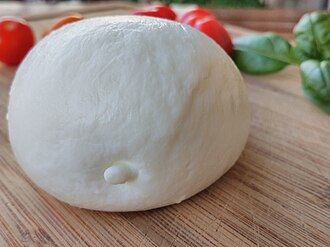
Photo: Wikipedia
This is the classic, firm mozzarella made from whole cow's milk with reduced moisture, giving it a dense, smooth texture and a mild, milky flavor. It's prized for its excellent melting properties, creating that iconic stretchy pull on pizza and baked dishes. Nutritionally, it's a protein powerhouse with a significant fat content, providing a rich, satiating mouthfeel.
Calorie split: 27% protein · 3% carbs · 70% fat
↓ Full nutrition💚 Why it's loved
People adore it for its unparalleled meltability and satisfying cheese pull, which transforms simple dishes into comforting classics. Its mild, savory flavor acts as a perfect canvas, complementing everything from tangy tomato sauce to spicy pepperoni without overpowering them.
⚠️ Watch-outs & how to enjoy it better
Its high saturated fat and calorie density can be a concern for heart-health or calorie-conscious diets. The significant sodium content may also be problematic for those monitoring salt intake. To counteract, practice portion control by using it as a flavorful accent rather than the main event, and pair it with high-fiber, low-sodium ingredients like fresh vegetables or whole-grain crusts.
Key benefits
- Excellent source of high-quality, complete protein for muscle maintenance.
- Rich in calcium for bone and dental health.
- Provides conjugated linoleic acid (CLA), a naturally occurring fatty acid.
- Contains phosphorus, which works with calcium for bone strength.
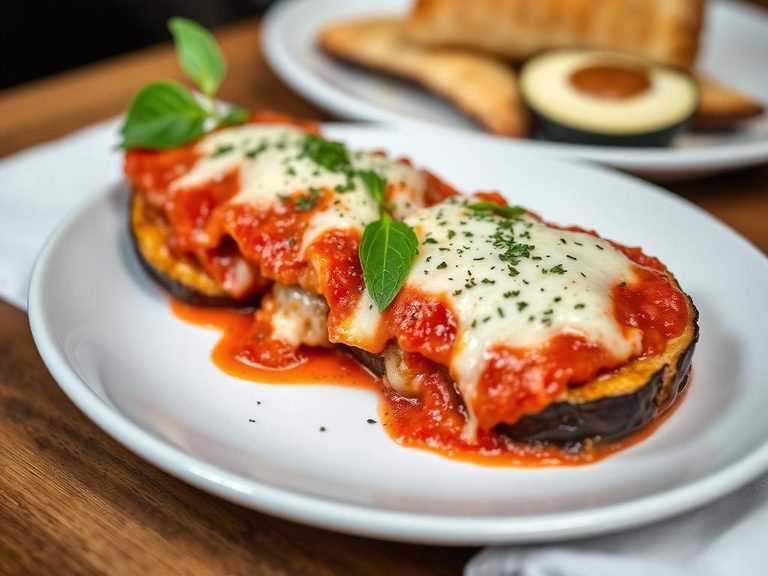
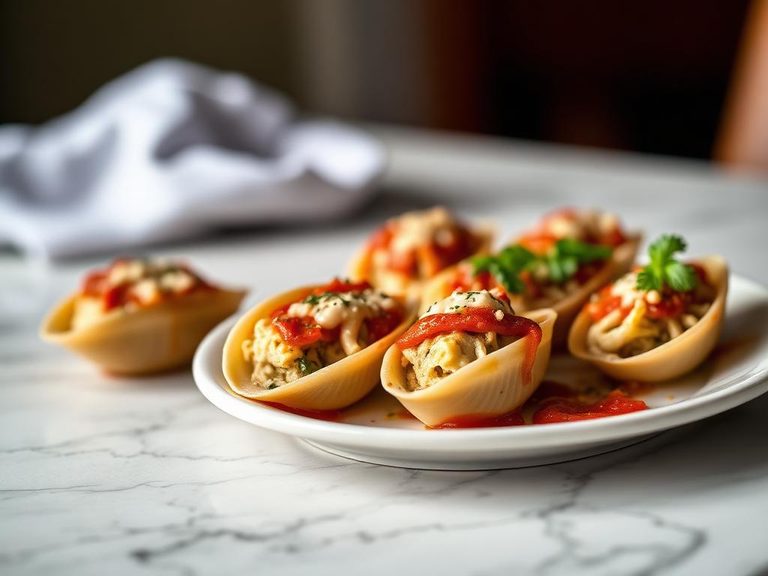
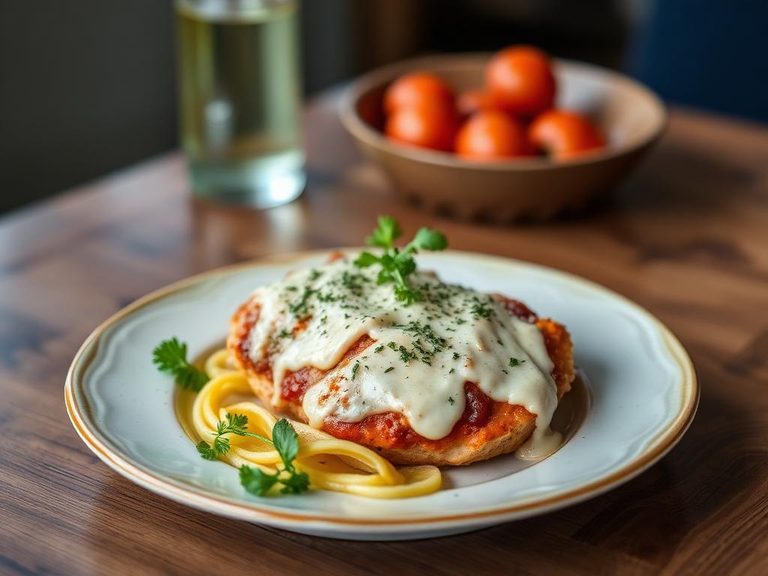
🍽️ Popular dishes
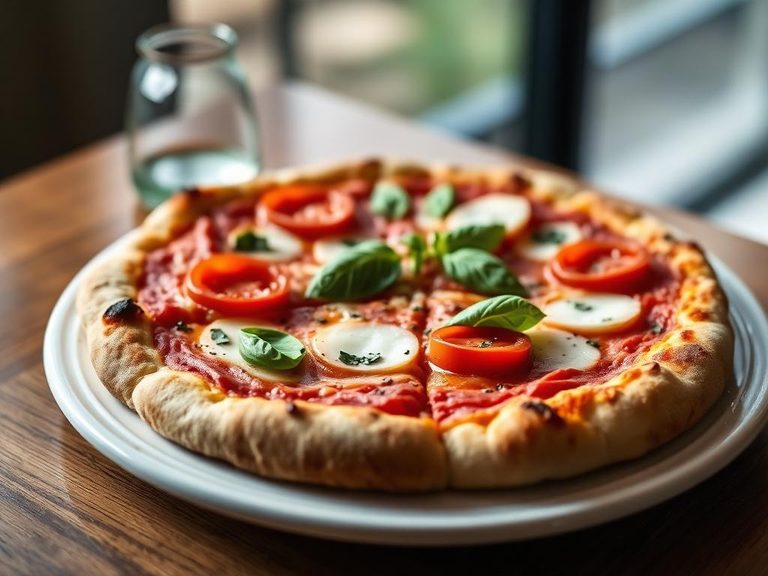
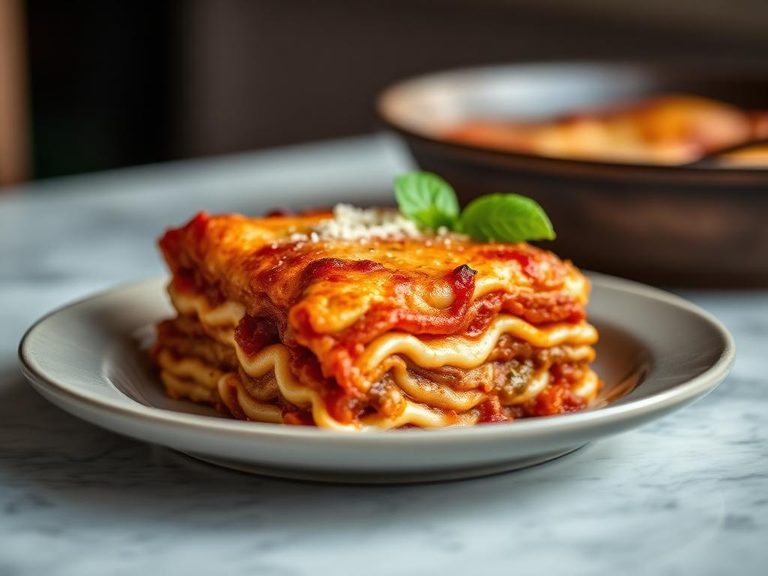
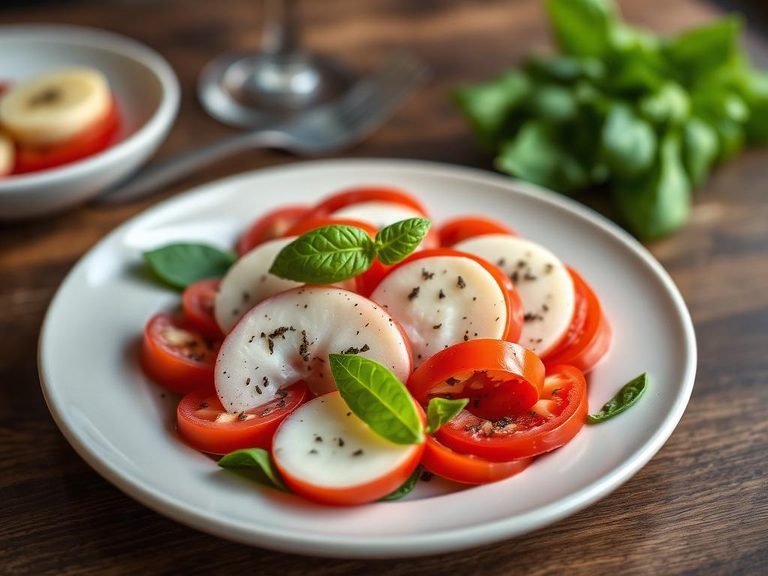
🌍 Where it's eaten
💡 Did you know?
The 'low moisture' version was developed in the early 20th century by Italian-American cheesemakers to extend shelf life and create a better melt for the booming pizza industry, fundamentally changing the global pizza experience.
Full nutrition (USDA data · scales with serving)
| Water | 48.4 g |
| Energy | 318 kcal |
| Energy | 1332 kj |
| Protein | 21.6 g |
| Total lipid (fat) | 24.6 g |
| Ash | 2.9 g |
| Carbohydrate, by difference | 2.5 g |
| Fiber, total dietary | 0.00 g |
| Total Sugars | 1.0 g |
| Calcium, Ca | 575 mg |
| Iron, Fe | 0.20 mg |
| Magnesium, Mg | 21.0 mg |
| Phosphorus, P | 412 mg |
| Potassium, K | 75.0 mg |
| Sodium, Na | 710 mg |
| Zinc, Zn | 2.5 mg |
| Copper, Cu | 0.02 mg |
| Manganese, Mn | 0.01 mg |
| Selenium, Se | 16.1 ug |
| Vitamin C, total ascorbic acid | 0.00 mg |
| Thiamin | 0.02 mg |
| Riboflavin | 0.27 mg |
| Niacin | 0.09 mg |
| Pantothenic acid | 0.07 mg |
| Vitamin B-6 | 0.06 mg |
| Folate, total | 8.0 ug |
| Folic acid | 0.00 ug |
| Folate, food | 8.0 ug |
| Folate, DFE | 8.0 ug |
| Choline, total | 15.0 mg |
| Vitamin B-12 | 0.73 ug |
| Vitamin B-12, added | 0.00 ug |
| Vitamin A, RAE | 197 ug |
| Retinol | 192 ug |
| Carotene, beta | 63.0 ug |
| Carotene, alpha | 0.00 ug |
| Cryptoxanthin, beta | 0.00 ug |
| Vitamin A, IU | 745 iu |
| Lycopene | 0.00 ug |
| Lutein + zeaxanthin | 0.00 ug |
| Vitamin E (alpha-tocopherol) | 0.21 mg |
| Vitamin E, added | 0.00 mg |
| Vitamin D (D2 + D3), International Units | 18.0 iu |
| Vitamin D (D2 + D3) | 0.50 ug |
| Vitamin D3 (cholecalciferol) | 0.50 ug |
| Vitamin K (phylloquinone) | 2.5 ug |
| Alcohol, ethyl | 0.00 g |
| Caffeine | 0.00 mg |
| Theobromine | 0.00 mg |
Fat & fatty acid profile (per 100g)
| Fatty acids, total saturated | 15.6 g |
| SFA 4:0 | 0.84 g |
| SFA 6:0 | 0.18 g |
| SFA 8:0 | 0.20 g |
| SFA 10:0 | 0.41 g |
| SFA 12:0 | 0.26 g |
| SFA 14:0 | 2.7 g |
| SFA 16:0 | 7.5 g |
| SFA 18:0 | 2.9 g |
| Fatty acids, total monounsaturated | 7.0 g |
| MUFA 16:1 | 0.82 g |
| MUFA 18:1 | 5.9 g |
| MUFA 20:1 | 0.00 g |
| MUFA 22:1 | 0.00 g |
| Fatty acids, total polyunsaturated | 0.78 g |
| PUFA 18:2 | 0.57 g |
| PUFA 18:3 | 0.21 g |
| PUFA 18:4 | 0.00 g |
| PUFA 20:4 | 0.00 g |
| PUFA 20:5 n-3 (EPA) | 0.00 g |
| PUFA 22:5 n-3 (DPA) | 0.00 g |
| PUFA 22:6 n-3 (DHA) | 0.00 g |
| Cholesterol | 89.0 mg |
Amino acid profile (per 100g)
| Tryptophan | 0.30 g |
| Threonine | 0.82 g |
| Isoleucine | 1.0 g |
| Leucine | 2.1 g |
| Lysine | 2.2 g |
| Methionine | 0.60 g |
| Cystine | 0.13 g |
| Phenylalanine | 1.1 g |
| Tyrosine | 1.2 g |
| Valine | 1.4 g |
| Arginine | 0.93 g |
| Histidine | 0.81 g |
| Alanine | 0.66 g |
| Aspartic acid | 1.6 g |
| Glutamic acid | 5.1 g |
| Glycine | 0.41 g |
| Proline | 2.2 g |
| Serine | 1.3 g |
FAQ
How is this different from fresh mozzarella?
Fresh mozzarella (fior di latte) is soft, moist, and sold in liquid. Low-moisture mozzarella is aged longer, has a firmer texture, lower water content, and is specifically engineered for superior melting and browning.
Can I use this in a Caprese salad?
Traditionally, Caprese uses soft, fresh mozzarella. However, low-moisture mozzarella can be used for a firmer, less watery salad if you prefer a more substantial texture and milder flavor.
Why does it sometimes form an oily pool when melted?
This is due to its high fat content. When heated, the fat melts and can separate. To minimize this, avoid overheating and add the cheese toward the end of cooking; using it in combination with other ingredients can also help absorb the fat.
Nutrient density (calculated · NRF9.3)
Nutrient Rich Foods index: beneficial nutrients (protein, fiber, vitamins, minerals) minus saturated fat, added sugar & sodium, per 100 kcal.
NRF9.3 index — Fulgoni, Keast & Drewnowski, 2009. Computed from USDA nutrients.
Weight-loss friendliness (composite index)
Energy density 3.18 kcal/g · 27% calories from protein · 0.0 g fiber · 1.0 g sugar per 100 g.
Composite of energy density (Rolls et al., 1999), protein & fiber satiety, minus sugar. A calculated heuristic — ranks satiety-per-calorie, not a clinical measure.
Dietary load (calculated from USDA values)
Potential renal acid load. Positive = acid-forming, negative = alkaline-forming.
Sodium-to-potassium ratio: 9.47 (lower is better — aim for ≤ 1)
Sodium:potassium per WHO potassium guidance. Computed from USDA nutrients.