

Cheese, mozzarella, part skim milk
Whole food · Dairy and Egg Products
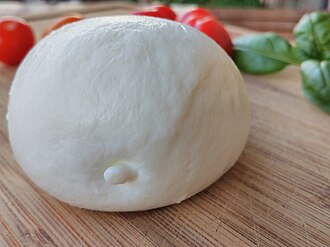
Photo: Wikipedia
Part-skim mozzarella is a semi-soft, fresh Italian cheese made from cow's milk, prized for its mild, milky flavor and signature stringy, elastic texture when melted. Its nutrition profile is notably lean, delivering a substantial 24 grams of protein per 100 grams with a moderate 16 grams of fat, making it a high-protein, lower-fat option in the cheese family.
Calorie split: 39% protein · 4% carbs · 57% fat
↓ Full nutrition💚 Why it's loved
It's the undisputed star of pizza and lasagna, beloved for its perfect melt, satisfying stretch, and ability to balance rich tomato sauces with its creamy, mild character.
⚠️ Watch-outs & how to enjoy it better
As a dairy product, it's a common allergen and contains lactose, which can cause digestive issues for some. Its sodium content can be moderate, so those monitoring salt intake should be mindful. To counteract, pair with potassium-rich vegetables like spinach or tomatoes, and opt for fresh mozzarella, which often has less sodium than aged varieties.
Key benefits
- Excellent source of complete protein for muscle maintenance
- Good source of calcium for bone health
- Lower in fat than whole-milk mozzarella varieties
- Provides phosphorus and vitamin B12
- Contains probiotics from the cheesemaking process
🍽️ Popular dishes
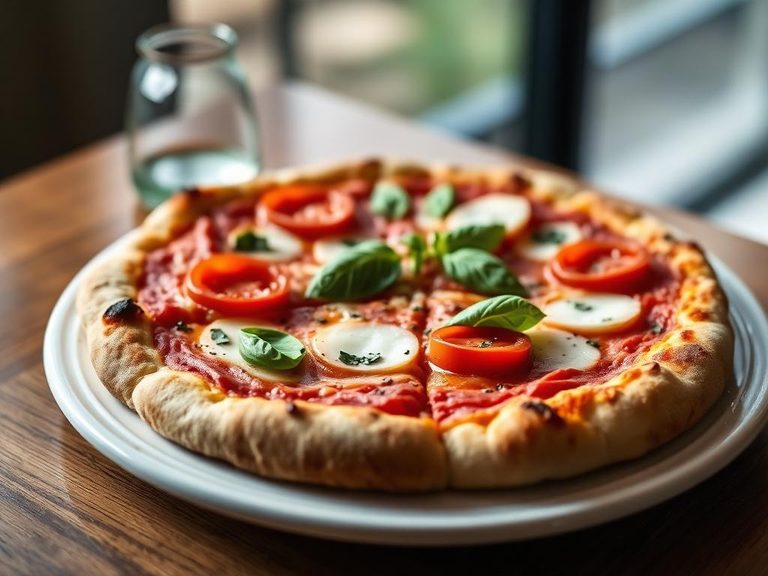
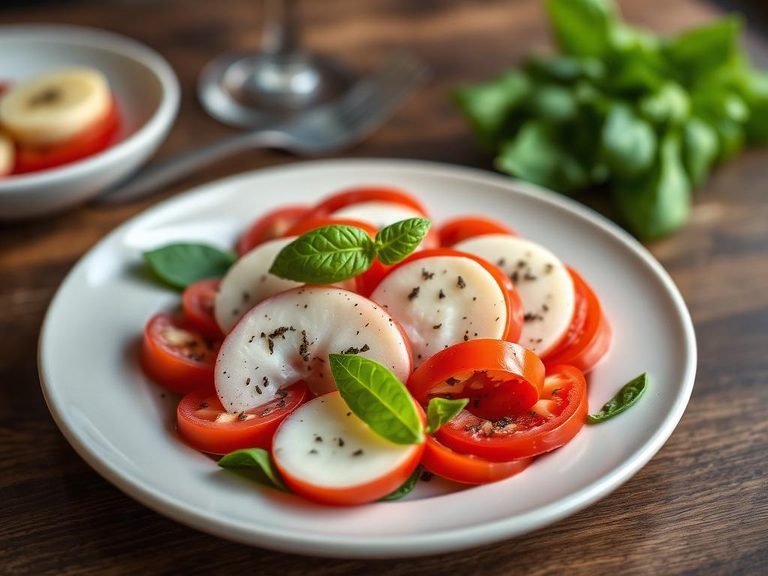
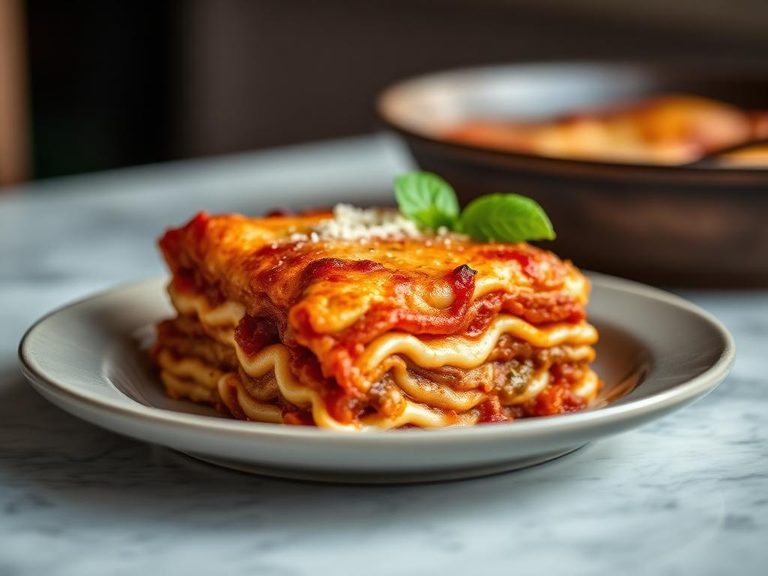
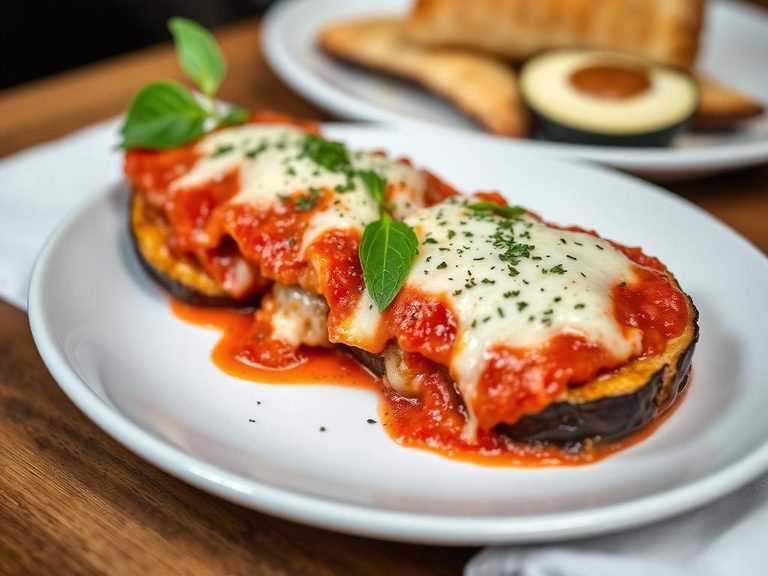
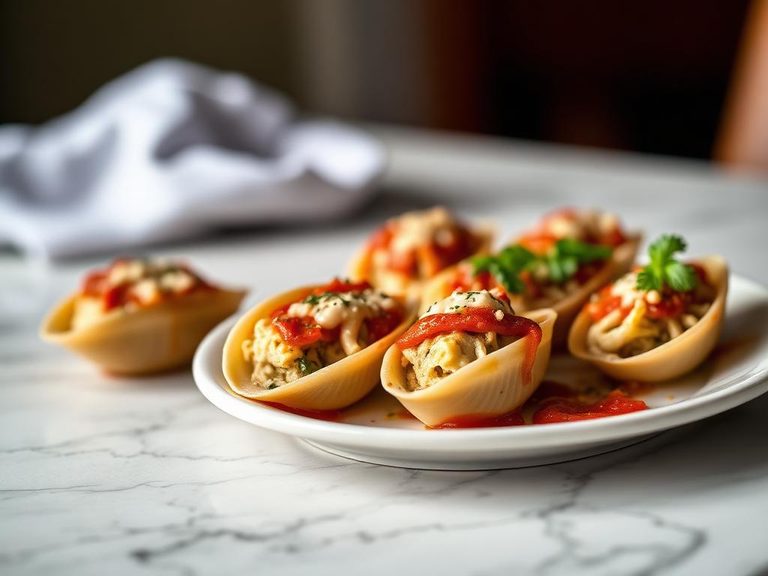
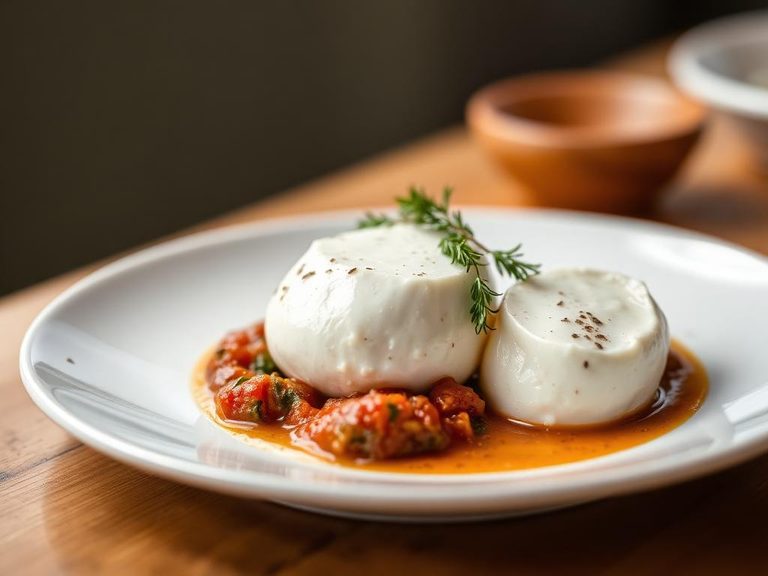
🌍 Where it's eaten
💡 Did you know?
Authentic fresh mozzarella is traditionally shaped into balls or braids and stored in whey or brine, a practice that gives it its characteristic moisture and prevents it from drying out.
Full nutrition (USDA data · scales with serving)
| Water | 53.8 g |
| Energy | 254 kcal |
| Energy | 1064 kj |
| Protein | 24.3 g |
| Total lipid (fat) | 15.9 g |
| Ash | 3.3 g |
| Carbohydrate, by difference | 2.8 g |
| Fiber, total dietary | 0.00 g |
| Total Sugars | 1.1 g |
| Calcium, Ca | 782 mg |
| Iron, Fe | 0.22 mg |
| Magnesium, Mg | 23.0 mg |
| Phosphorus, P | 463 mg |
| Potassium, K | 84.0 mg |
| Sodium, Na | 619 mg |
| Zinc, Zn | 2.8 mg |
| Copper, Cu | 0.03 mg |
| Manganese, Mn | 0.01 mg |
| Selenium, Se | 14.4 ug |
| Vitamin C, total ascorbic acid | 0.00 mg |
| Thiamin | 0.02 mg |
| Riboflavin | 0.30 mg |
| Niacin | 0.10 mg |
| Pantothenic acid | 0.08 mg |
| Vitamin B-6 | 0.07 mg |
| Folate, total | 9.0 ug |
| Folic acid | 0.00 ug |
| Folate, food | 9.0 ug |
| Folate, DFE | 9.0 ug |
| Choline, total | 15.4 mg |
| Vitamin B-12 | 0.82 ug |
| Vitamin B-12, added | 0.00 ug |
| Vitamin A, RAE | 127 ug |
| Retinol | 124 ug |
| Carotene, beta | 41.0 ug |
| Carotene, alpha | 0.00 ug |
| Cryptoxanthin, beta | 0.00 ug |
| Vitamin A, IU | 481 iu |
| Lycopene | 0.00 ug |
| Lutein + zeaxanthin | 0.00 ug |
| Vitamin E (alpha-tocopherol) | 0.14 mg |
| Vitamin E, added | 0.00 mg |
| Vitamin D (D2 + D3), International Units | 12.0 iu |
| Vitamin D (D2 + D3) | 0.30 ug |
| Vitamin D3 (cholecalciferol) | 0.30 ug |
| Vitamin K (phylloquinone) | 1.6 ug |
| Alcohol, ethyl | 0.00 g |
| Caffeine | 0.00 mg |
| Theobromine | 0.00 mg |
Fat & fatty acid profile (per 100g)
| Fatty acids, total saturated | 10.1 g |
| SFA 4:0 | 0.52 g |
| SFA 6:0 | 0.10 g |
| SFA 8:0 | 0.12 g |
| SFA 10:0 | 0.25 g |
| SFA 12:0 | 0.16 g |
| SFA 14:0 | 1.6 g |
| SFA 16:0 | 4.9 g |
| SFA 18:0 | 1.9 g |
| Fatty acids, total monounsaturated | 4.5 g |
| MUFA 16:1 | 0.44 g |
| MUFA 18:1 | 3.9 g |
| MUFA 20:1 | 0.00 g |
| MUFA 22:1 | 0.00 g |
| Fatty acids, total polyunsaturated | 0.47 g |
| PUFA 18:2 | 0.34 g |
| PUFA 18:3 | 0.14 g |
| PUFA 18:4 | 0.00 g |
| PUFA 20:4 | 0.00 g |
| PUFA 20:5 n-3 (EPA) | 0.00 g |
| PUFA 22:5 n-3 (DPA) | 0.00 g |
| PUFA 22:6 n-3 (DHA) | 0.00 g |
| Cholesterol | 64.0 mg |
Amino acid profile (per 100g)
| Tryptophan | 0.34 g |
| Threonine | 0.92 g |
| Isoleucine | 1.2 g |
| Leucine | 2.4 g |
| Lysine | 2.5 g |
| Methionine | 0.68 g |
| Cystine | 0.14 g |
| Phenylalanine | 1.3 g |
| Tyrosine | 1.4 g |
| Valine | 1.5 g |
| Arginine | 1.0 g |
| Histidine | 0.91 g |
| Alanine | 0.74 g |
| Aspartic acid | 1.8 g |
| Glutamic acid | 5.7 g |
| Glycine | 0.46 g |
| Proline | 2.5 g |
| Serine | 1.4 g |
FAQ
What's the difference between part-skim and whole-milk mozzarella?
Part-skim mozzarella is made from milk with some of the cream removed before cheesemaking, resulting in lower fat (about 16g vs 22g per 100g) and slightly less calories, while still offering a good melt and stretch.
Can I use this for pizza?
Yes, it's a very common choice for pizza, especially when shredded. For a classic Neapolitan-style pizza, fresh mozzarella balls are often torn and placed on top.
How should I store it?
Keep it in its liquid in a sealed container in the refrigerator for up to a week. Once opened, use within a few days for the best texture and flavor.
Nutrient density (calculated · NRF9.3)
Nutrient Rich Foods index: beneficial nutrients (protein, fiber, vitamins, minerals) minus saturated fat, added sugar & sodium, per 100 kcal.
NRF9.3 index — Fulgoni, Keast & Drewnowski, 2009. Computed from USDA nutrients.
Weight-loss friendliness (composite index)
Energy density 2.54 kcal/g · 38% calories from protein · 0.0 g fiber · 1.1 g sugar per 100 g.
Composite of energy density (Rolls et al., 1999), protein & fiber satiety, minus sugar. A calculated heuristic — ranks satiety-per-calorie, not a clinical measure.
Dietary load (calculated from USDA values)
Potential renal acid load. Positive = acid-forming, negative = alkaline-forming.
Sodium-to-potassium ratio: 7.37 (lower is better — aim for ≤ 1)
Sodium:potassium per WHO potassium guidance. Computed from USDA nutrients.