

Apricots, raw
Whole food · Fruits and Fruit Juices

Photo: Wikipedia
A raw apricot is a velvety, golden-orange stone fruit with a sweet-tart flavor that balances honeyed sweetness with a subtle, almond-like tang from its pit. Its tender flesh yields to a juicy, slightly fibrous texture, making it a refreshing, low-calorie snack. With only 48 calories per 100g, it's a standout source of vitamin A and dietary fiber.
Calorie split: 10% protein · 83% carbs · 7% fat
↓ Full nutrition💚 Why it's loved
People adore apricots for their concentrated, aromatic sweetness that intensifies when dried or cooked, and their versatility from fresh snacking to jams, sauces, and pastries. They hold deep cultural significance in Mediterranean and Middle Eastern cuisines, symbolizing spring and renewal.
⚠️ Watch-outs & how to enjoy it better
The natural sugars (9.24g per 100g) can cause blood-sugar spikes if eaten in large quantities alone. The skin and pit contain trace compounds that may irritate sensitive digestive systems. To mitigate, pair with a protein or fat like Greek yogurt or almonds to slow sugar absorption, and practice portion control.
Key benefits
- Excellent source of beta-carotene (vitamin A) for eye health.
- Provides soluble fiber to support digestion and gut health.
- Low in calories and fat, aiding in weight management.
- Contains antioxidants like lutein and lycopene.
- Good source of potassium for fluid balance.
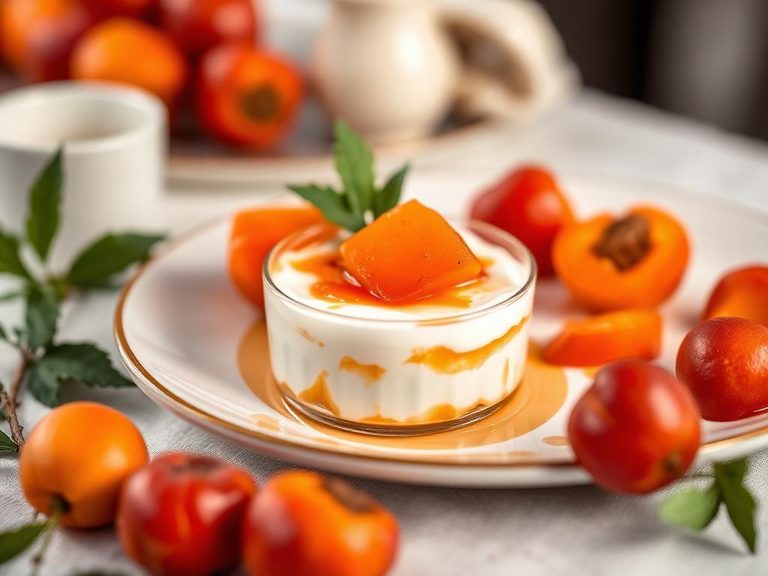
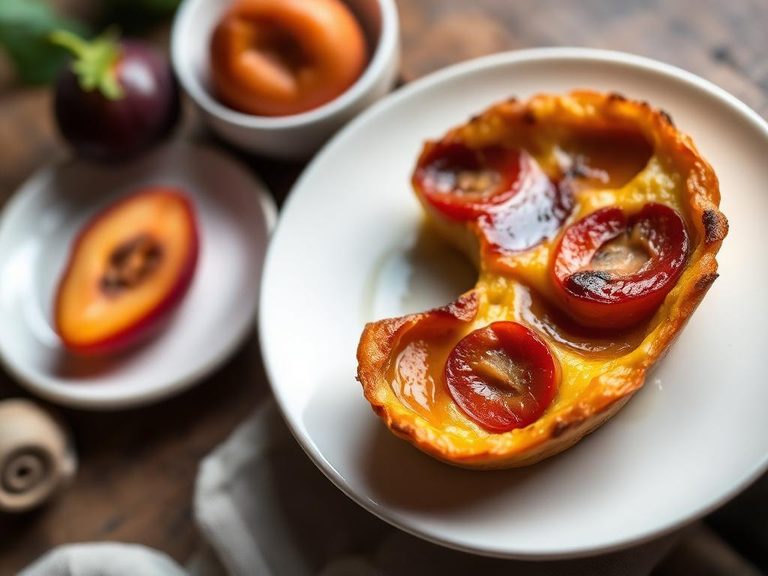
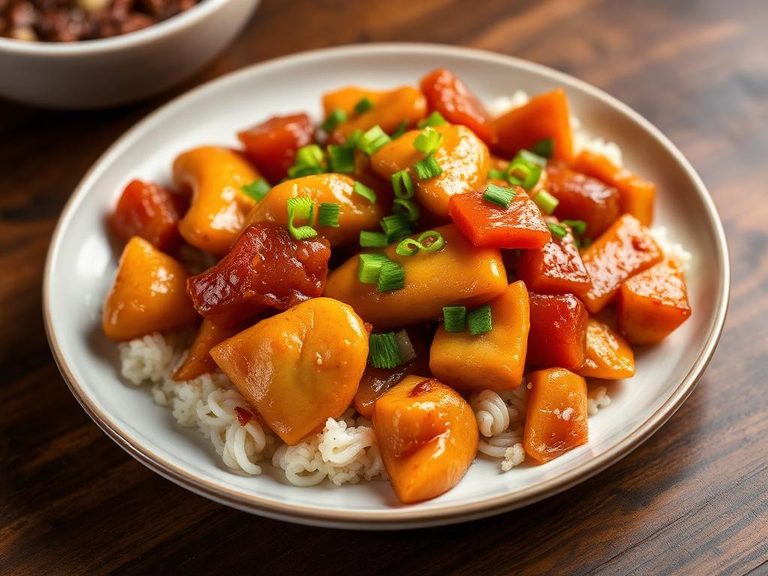
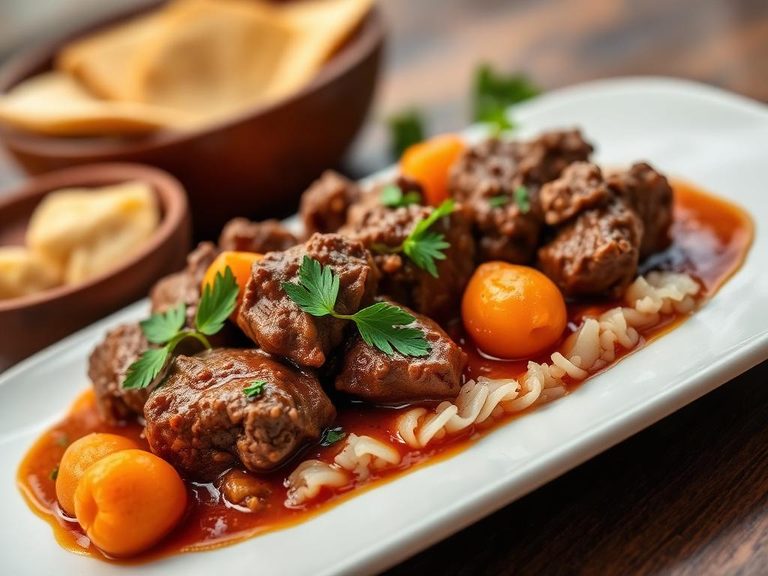
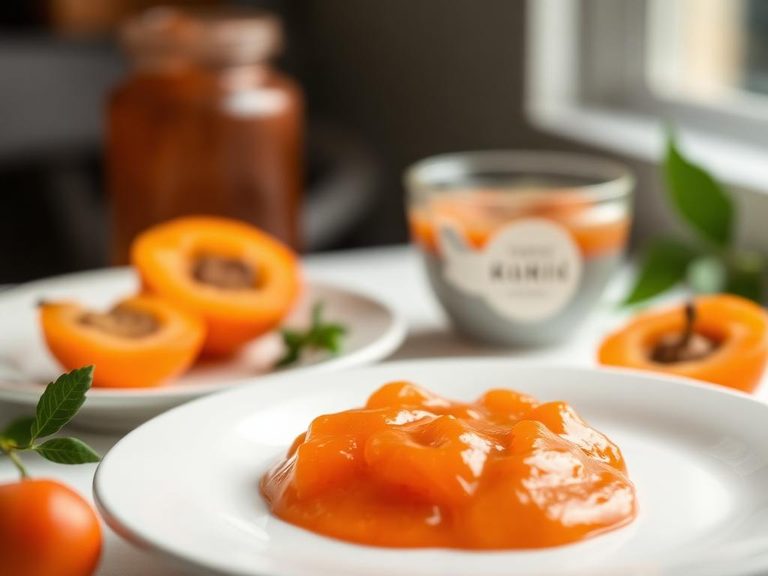
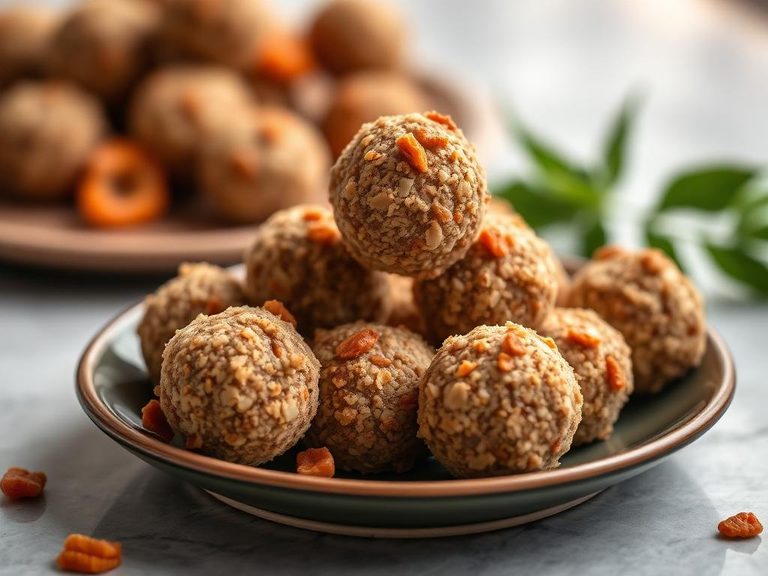
🍽️ Popular dishes
🌍 Where it's eaten
💡 Did you know?
Apricot pits contain amygdalin, which can metabolize into hydrogen cyanide; however, the small amount in commercially sold pits is generally considered safe, and the kernels inside are sometimes used as a flavoring agent in liqueurs like Amaretto.
Full nutrition (USDA data · scales with serving)
| Water | 86.3 g |
| Energy | 48.0 kcal |
| Energy | 201 kj |
| Protein | 1.4 g |
| Total lipid (fat) | 0.39 g |
| Ash | 0.75 g |
| Carbohydrate, by difference | 11.1 g |
| Fiber, total dietary | 2.0 g |
| Total Sugars | 9.2 g |
| Sucrose | 5.9 g |
| Glucose | 2.4 g |
| Fructose | 0.94 g |
| Lactose | 0.00 g |
| Maltose | 0.06 g |
| Galactose | 0.00 g |
| Calcium, Ca | 13.0 mg |
| Iron, Fe | 0.39 mg |
| Magnesium, Mg | 10.0 mg |
| Phosphorus, P | 23.0 mg |
| Potassium, K | 259 mg |
| Sodium, Na | 1.0 mg |
| Zinc, Zn | 0.20 mg |
| Copper, Cu | 0.08 mg |
| Manganese, Mn | 0.08 mg |
| Selenium, Se | 0.10 ug |
| Vitamin C, total ascorbic acid | 10.0 mg |
| Thiamin | 0.03 mg |
| Riboflavin | 0.04 mg |
| Niacin | 0.60 mg |
| Pantothenic acid | 0.24 mg |
| Vitamin B-6 | 0.05 mg |
| Folate, total | 9.0 ug |
| Folic acid | 0.00 ug |
| Folate, food | 9.0 ug |
| Folate, DFE | 9.0 ug |
| Choline, total | 2.8 mg |
| Vitamin B-12 | 0.00 ug |
| Vitamin B-12, added | 0.00 ug |
| Vitamin A, RAE | 96.0 ug |
| Retinol | 0.00 ug |
| Carotene, beta | 1094 ug |
| Carotene, alpha | 19.0 ug |
| Cryptoxanthin, beta | 104 ug |
| Vitamin A, IU | 1926 iu |
| Lycopene | 0.00 ug |
| Lutein + zeaxanthin | 89.0 ug |
| Vitamin E (alpha-tocopherol) | 0.89 mg |
| Vitamin E, added | 0.00 mg |
| Vitamin D (D2 + D3), International Units | 0.00 iu |
| Vitamin D (D2 + D3) | 0.00 ug |
| Vitamin K (phylloquinone) | 3.3 ug |
| Alcohol, ethyl | 0.00 g |
| Caffeine | 0.00 mg |
| Theobromine | 0.00 mg |
Fat & fatty acid profile (per 100g)
| Fatty acids, total saturated | 0.03 g |
| SFA 4:0 | 0.00 g |
| SFA 6:0 | 0.00 g |
| SFA 8:0 | 0.00 g |
| SFA 10:0 | 0.00 g |
| SFA 12:0 | 0.00 g |
| SFA 14:0 | 0.00 g |
| SFA 16:0 | 0.02 g |
| SFA 18:0 | 0.00 g |
| Fatty acids, total monounsaturated | 0.17 g |
| MUFA 16:1 | 0.00 g |
| MUFA 18:1 | 0.17 g |
| MUFA 20:1 | 0.00 g |
| MUFA 22:1 | 0.00 g |
| Fatty acids, total polyunsaturated | 0.08 g |
| PUFA 18:2 | 0.08 g |
| PUFA 18:3 | 0.00 g |
| PUFA 18:4 | 0.00 g |
| PUFA 20:4 | 0.00 g |
| PUFA 20:5 n-3 (EPA) | 0.00 g |
| PUFA 22:5 n-3 (DPA) | 0.00 g |
| PUFA 22:6 n-3 (DHA) | 0.00 g |
| Fatty acids, total trans | 0.00 g |
| Cholesterol | 0.00 mg |
| Phytosterols | 18.0 mg |
Amino acid profile (per 100g)
| Tryptophan | 0.01 g |
| Threonine | 0.05 g |
| Isoleucine | 0.04 g |
| Leucine | 0.08 g |
| Lysine | 0.10 g |
| Methionine | 0.01 g |
| Cystine | 0.00 g |
| Phenylalanine | 0.05 g |
| Tyrosine | 0.03 g |
| Valine | 0.05 g |
| Arginine | 0.04 g |
| Histidine | 0.03 g |
| Alanine | 0.07 g |
| Aspartic acid | 0.31 g |
| Glutamic acid | 0.16 g |
| Glycine | 0.04 g |
| Proline | 0.10 g |
| Serine | 0.08 g |
FAQ
What's the difference between fresh and dried apricots nutritionally?
Dried apricots are more calorie-dense and concentrated in sugars and fiber (about 240 kcal and 7g fiber per 100g), while fresh apricots are hydrating and lower in calories. Dried versions also have higher iron and potassium content.
Can I eat the apricot pit?
The hard pit itself is inedible. The soft kernel inside has a bitter, almond-like flavor and is used in some cuisines, but should be consumed in very moderation due to trace cyanide compounds.
How do I pick a ripe apricot?
Look for a uniform golden-orange color (green indicates under-ripeness), a slight give to gentle pressure, and a sweet, floral aroma at the stem end. Avoid fruit with bruises or a hard texture.
Nutrient density (calculated · NRF9.3)
Nutrient Rich Foods index: beneficial nutrients (protein, fiber, vitamins, minerals) minus saturated fat, added sugar & sodium, per 100 kcal.
NRF9.3 index — Fulgoni, Keast & Drewnowski, 2009. Computed from USDA nutrients.
Weight-loss friendliness (composite index)
Energy density 0.48 kcal/g · 12% calories from protein · 2.0 g fiber · 9.2 g sugar per 100 g.
Composite of energy density (Rolls et al., 1999), protein & fiber satiety, minus sugar. A calculated heuristic — ranks satiety-per-calorie, not a clinical measure.
Dietary load (calculated from USDA values)
Potential renal acid load. Positive = acid-forming, negative = alkaline-forming.
Sodium-to-potassium ratio: 0.00 (lower is better — aim for ≤ 1)
Sodium:potassium per WHO potassium guidance. Computed from USDA nutrients.