

Turkey, whole, neck, meat only, cooked, simmered
Whole food · Poultry Products

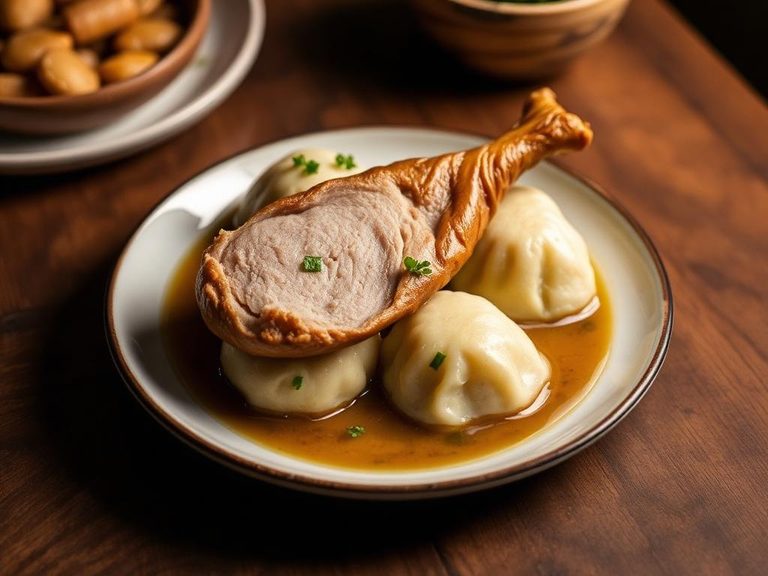
Photo: Wikipedia
Simmered turkey neck meat is a dark, richly flavored cut with a tender, almost silky texture that falls off the bone after slow cooking. It's a lean protein powerhouse, delivering over 22 grams of protein per 100g with virtually no carbohydrates, making it a staple for high-protein, low-carb diets.
Calorie split: 58% protein · 0% carbs · 42% fat
↓ Full nutrition💚 Why it's loved
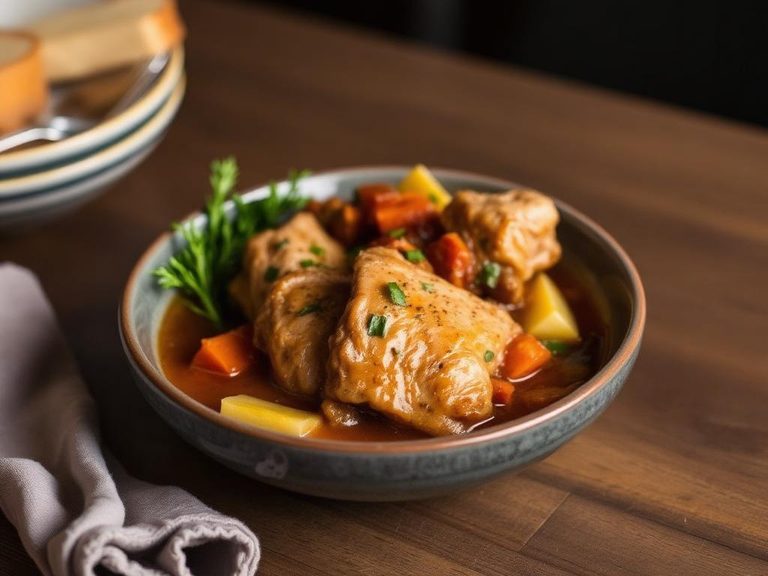
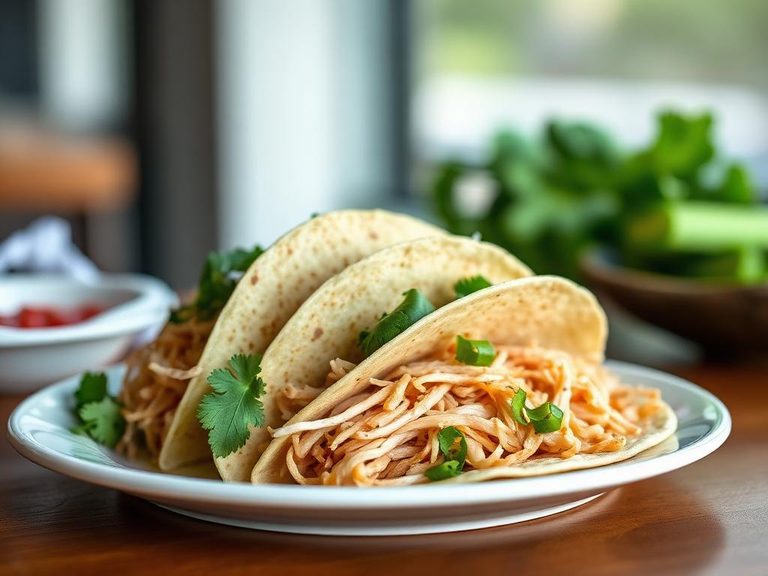
People love it for its deep, savory flavor and melt-in-your-mouth texture that absorbs seasonings beautifully. It's a versatile ingredient that can be shredded into tacos, stews, or salads, adding a satisfying, meaty richness.
⚠️ Watch-outs & how to enjoy it better
As a dark meat cut, it can be higher in cholesterol than white meat, which some individuals may need to monitor. The simmering process often involves added salt, so those watching sodium intake should rinse the meat or use low-sodium broths. To counteract, pair with potassium-rich vegetables like spinach or sweet potatoes to help balance electrolytes.
Key benefits
- Excellent source of lean protein for muscle maintenance
- Very low in carbohydrates and sugar
- Contains minerals like selenium and phosphorus
- A collagen-rich cut that supports joint and skin health
- A cost-effective way to add deep flavor to dishes
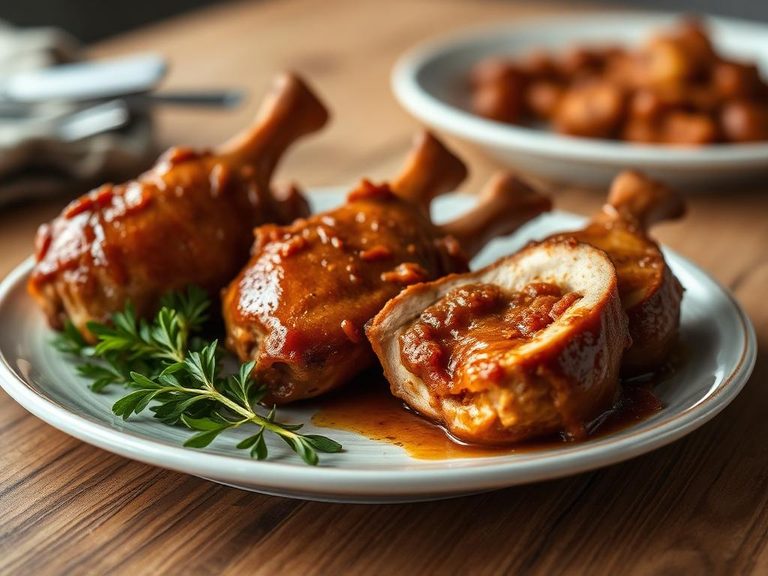
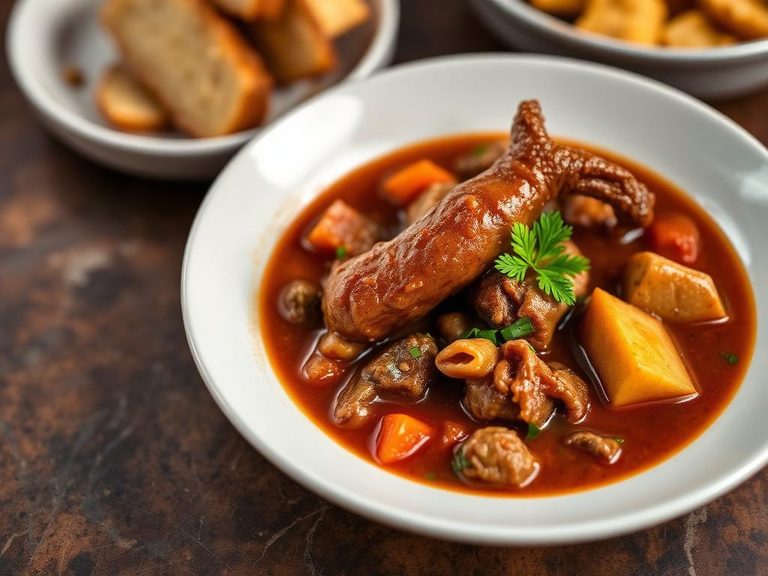
🍽️ Popular dishes
🌍 Where it's eaten
💡 Did you know?
The turkey neck is anatomically similar to a chicken neck but much larger, containing the cervical vertebrae and surrounding muscle, which is why it becomes exceptionally tender and flavorful when cooked slowly.
Full nutrition (USDA data · scales with serving)
| Water | 69.5 g |
| Energy | 162 kcal |
| Energy | 679 kj |
| Protein | 22.5 g |
| Total lipid (fat) | 7.4 g |
| Ash | 1.1 g |
| Carbohydrate, by difference | 0.00 g |
| Fiber, total dietary | 0.00 g |
| Total Sugars | 0.00 g |
| Calcium, Ca | 58.0 mg |
| Iron, Fe | 1.2 mg |
| Magnesium, Mg | 18.0 mg |
| Phosphorus, P | 182 mg |
| Potassium, K | 114 mg |
| Sodium, Na | 246 mg |
| Zinc, Zn | 4.0 mg |
| Copper, Cu | 0.16 mg |
| Manganese, Mn | 0.05 mg |
| Selenium, Se | 36.2 ug |
| Vitamin C, total ascorbic acid | 0.00 mg |
| Thiamin | 0.05 mg |
| Riboflavin | 0.29 mg |
| Niacin | 5.9 mg |
| Pantothenic acid | 0.87 mg |
| Vitamin B-6 | 0.38 mg |
| Folate, total | 7.0 ug |
| Folic acid | 0.00 ug |
| Folate, food | 7.0 ug |
| Folate, DFE | 7.0 ug |
| Choline, total | 77.7 mg |
| Vitamin B-12 | 1.4 ug |
| Vitamin B-12, added | 0.00 ug |
| Vitamin A, RAE | 0.00 ug |
| Retinol | 0.00 ug |
| Carotene, beta | 0.00 ug |
| Carotene, alpha | 0.00 ug |
| Cryptoxanthin, beta | 0.00 ug |
| Vitamin A, IU | 0.00 iu |
| Lycopene | 0.00 ug |
| Lutein + zeaxanthin | 0.00 ug |
| Vitamin E (alpha-tocopherol) | 0.64 mg |
| Vitamin E, added | 0.00 mg |
| Vitamin D (D2 + D3), International Units | 12.0 iu |
| Vitamin D (D2 + D3) | 0.30 ug |
| Vitamin D3 (cholecalciferol) | 0.30 ug |
| Vitamin K (phylloquinone) | 0.00 ug |
| Vitamin K (Dihydrophylloquinone) | 0.00 ug |
| Alcohol, ethyl | 0.00 g |
| Caffeine | 0.00 mg |
| Theobromine | 0.00 mg |
Fat & fatty acid profile (per 100g)
| Fatty acids, total saturated | 2.2 g |
| SFA 4:0 | 0.00 g |
| SFA 6:0 | 0.00 g |
| SFA 8:0 | 0.00 g |
| SFA 10:0 | 0.01 g |
| SFA 12:0 | 0.03 g |
| SFA 14:0 | 0.07 g |
| SFA 16:0 | 1.4 g |
| SFA 18:0 | 0.62 g |
| Fatty acids, total monounsaturated | 2.5 g |
| MUFA 16:1 | 0.23 g |
| MUFA 18:1 | 2.2 g |
| MUFA 20:1 | 0.03 g |
| MUFA 22:1 | 0.00 g |
| Fatty acids, total polyunsaturated | 2.0 g |
| PUFA 18:2 | 1.8 g |
| PUFA 18:3 | 0.09 g |
| PUFA 18:4 | 0.00 g |
| PUFA 20:4 | 0.11 g |
| PUFA 20:5 n-3 (EPA) | 0.01 g |
| PUFA 22:5 n-3 (DPA) | 0.01 g |
| PUFA 22:6 n-3 (DHA) | 0.01 g |
| Cholesterol | 128 mg |
Amino acid profile (per 100g)
| Tryptophan | 0.24 g |
| Threonine | 0.82 g |
| Isoleucine | 0.64 g |
| Leucine | 1.6 g |
| Lysine | 1.9 g |
| Methionine | 0.59 g |
| Cystine | 0.21 g |
| Phenylalanine | 0.72 g |
| Tyrosine | 0.67 g |
| Valine | 0.72 g |
| Arginine | 1.3 g |
| Histidine | 0.61 g |
| Alanine | 1.2 g |
| Aspartic acid | 1.8 g |
| Glutamic acid | 3.0 g |
| Glycine | 0.96 g |
| Proline | 1.2 g |
| Serine | 0.89 g |
FAQ
How do I get the meat off the bone?
After simmering until very tender (usually 1.5-2 hours), let it cool slightly. The meat will easily pull away from the small vertebrae using your fingers or two forks.
Can I use a pressure cooker or Instant Pot?
Yes, absolutely. A pressure cooker can reduce the cooking time to about 30-40 minutes under high pressure, achieving the same tender result.
Is the nutritional info for raw or cooked meat?
The provided data (162 kcal, 22.48g protein per 100g) is for cooked, simmered meat only, which is a more concentrated source of protein than raw due to water loss during cooking.
Nutrient density (calculated · NRF9.3)
Nutrient Rich Foods index: beneficial nutrients (protein, fiber, vitamins, minerals) minus saturated fat, added sugar & sodium, per 100 kcal.
NRF9.3 index — Fulgoni, Keast & Drewnowski, 2009. Computed from USDA nutrients.
Weight-loss friendliness (composite index)
Energy density 1.62 kcal/g · 56% calories from protein · 0.0 g fiber · 0.0 g sugar per 100 g.
Composite of energy density (Rolls et al., 1999), protein & fiber satiety, minus sugar. A calculated heuristic — ranks satiety-per-calorie, not a clinical measure.
Dietary load (calculated from USDA values)
Potential renal acid load. Positive = acid-forming, negative = alkaline-forming.
Sodium-to-potassium ratio: 2.16 (lower is better — aim for ≤ 1)
Sodium:potassium per WHO potassium guidance. Computed from USDA nutrients.