

Turkey, canned, meat only, with broth
Whole food · Poultry Products

Photo: Wikipedia
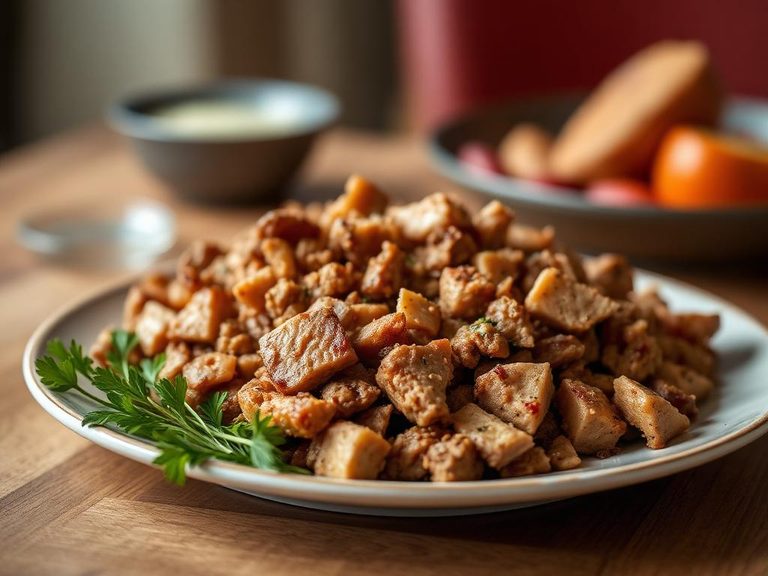
Canned turkey meat with broth is a shelf-stable, pre-cooked protein source with a tender, moist texture and a mild, savory flavor. It is exceptionally high in protein, providing over 23 grams per 100 grams, while being very low in carbohydrates and fat. This makes it a convenient, nutrient-dense option for quick meals and meal prep.
Calorie split: 58% protein · 4% carbs · 38% fat
↓ Full nutrition💚 Why it's loved
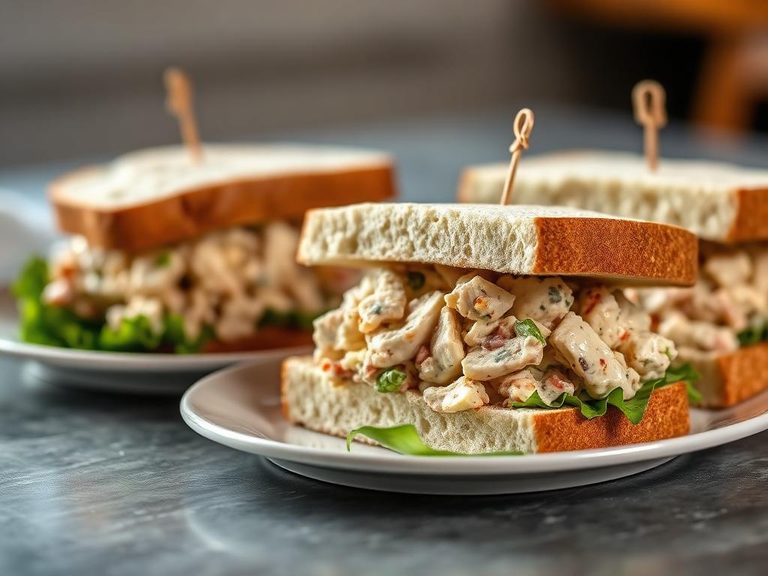
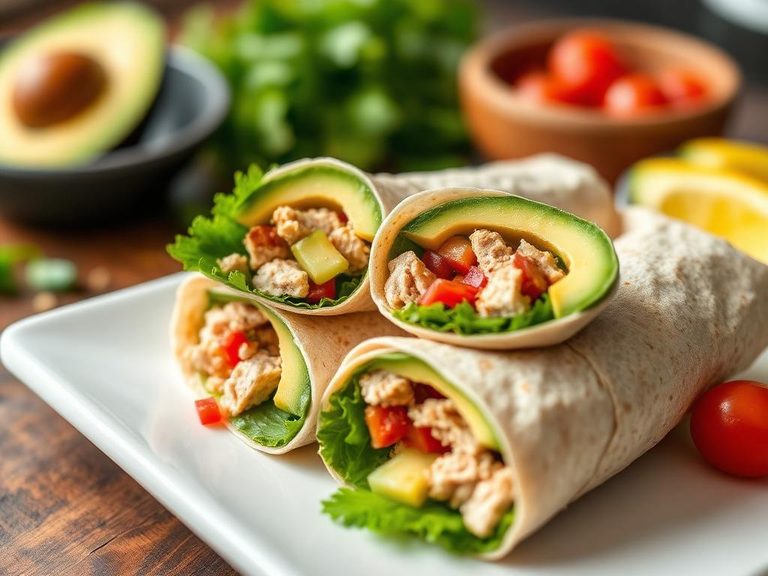
People love it for its incredible convenience and mild, versatile flavor that easily absorbs seasonings and sauces. It's a staple for quick salads, sandwiches, and casseroles, especially for those seeking a high-protein, low-carb option without the hassle of cooking from scratch.
⚠️ Watch-outs & how to enjoy it better
The primary downside is often its high sodium content from the canning broth, which can be a concern for those monitoring salt intake. To counteract this, rinse the meat thoroughly under cold water to remove excess sodium, and pair it with potassium-rich vegetables like spinach or avocado to help balance electrolytes. Additionally, the texture can be somewhat uniform or mushy compared to freshly cooked turkey, so it's best used in dishes where it will be mixed with other ingredients.
Key benefits
- Excellent source of lean protein (23.68g per 100g)
- Very low in carbohydrates (1.47g per 100g)
- Shelf-stable and ready-to-eat, requiring no cooking
- Low in fat (6.86g per 100g) compared to many meats
- Convenient for quick, high-protein meals and snacks
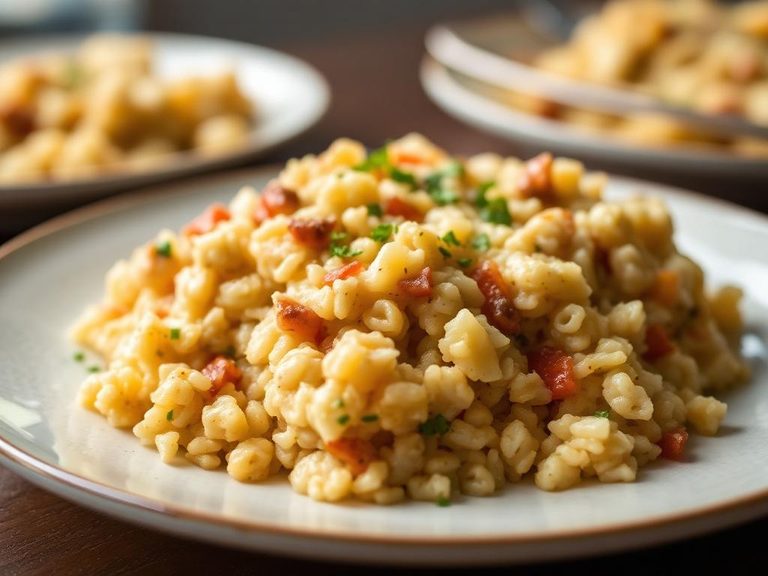
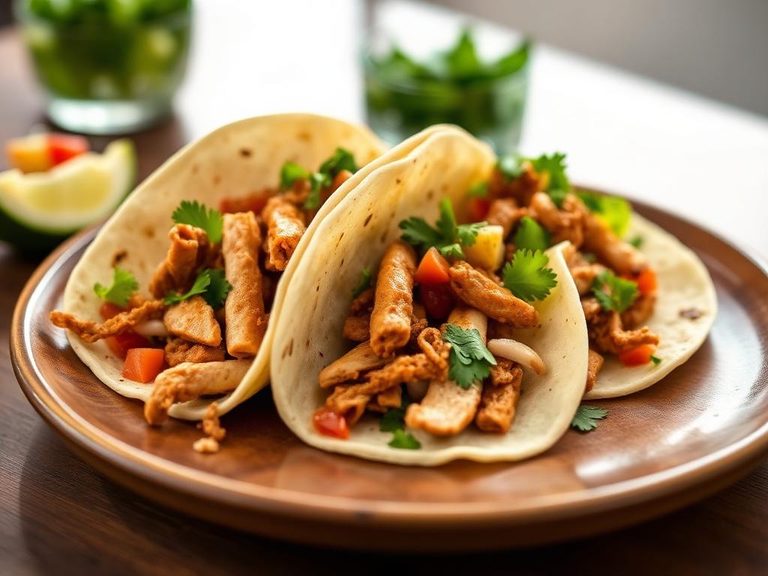
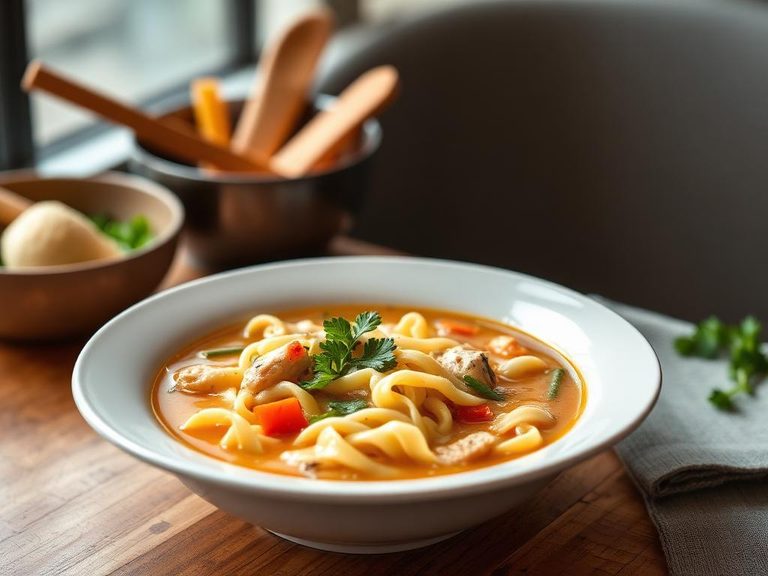
🍽️ Popular dishes
🌍 Where it's eaten
💡 Did you know?
Canned turkey was a popular ration for soldiers during World War II, providing a stable and nutritious protein source in the field.
Full nutrition (USDA data · scales with serving)
| Water | 66.1 g |
| Energy | 169 kcal |
| Energy | 706 kj |
| Protein | 23.7 g |
| Total lipid (fat) | 6.9 g |
| Ash | 1.9 g |
| Carbohydrate, by difference | 1.5 g |
| Fiber, total dietary | 0.00 g |
| Total Sugars | 0.00 g |
| Calcium, Ca | 12.0 mg |
| Iron, Fe | 1.9 mg |
| Magnesium, Mg | 20.0 mg |
| Phosphorus, P | 162 mg |
| Potassium, K | 224 mg |
| Sodium, Na | 518 mg |
| Zinc, Zn | 2.4 mg |
| Copper, Cu | 0.07 mg |
| Manganese, Mn | 0.02 mg |
| Selenium, Se | 25.9 ug |
| Vitamin C, total ascorbic acid | 2.0 mg |
| Thiamin | 0.01 mg |
| Riboflavin | 0.17 mg |
| Niacin | 6.6 mg |
| Pantothenic acid | 0.69 mg |
| Vitamin B-6 | 0.33 mg |
| Folate, total | 6.0 ug |
| Folic acid | 0.00 ug |
| Folate, food | 6.0 ug |
| Folate, DFE | 6.0 ug |
| Choline, total | 74.0 mg |
| Betaine | 5.4 mg |
| Vitamin B-12 | 0.28 ug |
| Vitamin B-12, added | 0.00 ug |
| Vitamin A, RAE | 0.00 ug |
| Retinol | 0.00 ug |
| Carotene, beta | 0.00 ug |
| Carotene, alpha | 0.00 ug |
| Cryptoxanthin, beta | 0.00 ug |
| Vitamin A, IU | 0.00 iu |
| Lycopene | 0.00 ug |
| Lutein + zeaxanthin | 0.00 ug |
| Vitamin E (alpha-tocopherol) | 0.27 mg |
| Vitamin E, added | 0.00 mg |
| Vitamin D (D2 + D3), International Units | 11.0 iu |
| Vitamin D (D2 + D3) | 0.30 ug |
| Vitamin D3 (cholecalciferol) | 0.30 ug |
| Vitamin K (phylloquinone) | 0.70 ug |
| Vitamin K (Dihydrophylloquinone) | 0.00 ug |
| Alcohol, ethyl | 0.00 g |
| Caffeine | 0.00 mg |
| Theobromine | 0.00 mg |
Fat & fatty acid profile (per 100g)
| Fatty acids, total saturated | 2.0 g |
| SFA 4:0 | 0.00 g |
| SFA 6:0 | 0.00 g |
| SFA 8:0 | 0.00 g |
| SFA 10:0 | 0.00 g |
| SFA 12:0 | 0.01 g |
| SFA 14:0 | 0.05 g |
| SFA 16:0 | 1.2 g |
| SFA 18:0 | 0.49 g |
| Fatty acids, total monounsaturated | 2.3 g |
| MUFA 16:1 | 0.37 g |
| MUFA 18:1 | 1.8 g |
| MUFA 20:1 | 0.01 g |
| MUFA 22:1 | 0.01 g |
| Fatty acids, total polyunsaturated | 1.8 g |
| PUFA 18:2 | 1.5 g |
| PUFA 18:3 | 0.08 g |
| PUFA 18:4 | 0.00 g |
| PUFA 20:4 | 0.14 g |
| PUFA 20:5 n-3 (EPA) | 0.00 g |
| PUFA 22:5 n-3 (DPA) | 0.02 g |
| PUFA 22:6 n-3 (DHA) | 0.03 g |
| Cholesterol | 66.0 mg |
Amino acid profile (per 100g)
| Tryptophan | 0.26 g |
| Threonine | 1.0 g |
| Isoleucine | 1.2 g |
| Leucine | 1.8 g |
| Lysine | 2.1 g |
| Methionine | 0.66 g |
| Cystine | 0.27 g |
| Phenylalanine | 0.92 g |
| Tyrosine | 0.90 g |
| Valine | 1.2 g |
| Arginine | 1.7 g |
| Histidine | 0.71 g |
| Alanine | 1.5 g |
| Aspartic acid | 2.3 g |
| Glutamic acid | 3.8 g |
| Glycine | 1.4 g |
| Proline | 1.1 g |
| Serine | 1.0 g |
FAQ
Is canned turkey healthy?
Yes, it is a healthy, high-protein, low-carb option. However, it can be high in sodium, so rinsing it before use is recommended to reduce salt content.
How long does canned turkey last?
Unopened, it can last for years past the 'best by' date if stored in a cool, dry place. Once opened, transfer to an airtight container and refrigerate for up to 3-4 days.
Can I eat canned turkey straight from the can?
Yes, it is fully cooked and safe to eat directly from the can. However, for better flavor and texture, it's often preferred to rinse it and use it in recipes.
Nutrient density (calculated · NRF9.3)
Nutrient Rich Foods index: beneficial nutrients (protein, fiber, vitamins, minerals) minus saturated fat, added sugar & sodium, per 100 kcal.
NRF9.3 index — Fulgoni, Keast & Drewnowski, 2009. Computed from USDA nutrients.
Weight-loss friendliness (composite index)
Energy density 1.69 kcal/g · 56% calories from protein · 0.0 g fiber · 0.0 g sugar per 100 g.
Composite of energy density (Rolls et al., 1999), protein & fiber satiety, minus sugar. A calculated heuristic — ranks satiety-per-calorie, not a clinical measure.
Dietary load (calculated from USDA values)
Potential renal acid load. Positive = acid-forming, negative = alkaline-forming.
Sodium-to-potassium ratio: 2.31 (lower is better — aim for ≤ 1)
Sodium:potassium per WHO potassium guidance. Computed from USDA nutrients.