Squash, summer, crookneck and straightneck, cooked, boiled, drained, with salt
Whole food · Vegetables and Vegetable Products
This is the tender, golden summer squash, simply boiled until just tender and seasoned with salt. Its mild, slightly sweet flavor and soft, buttery texture make it a blank canvas for other ingredients. Nutritionally, it's a very low-calorie, hydrating vegetable that provides a good source of fiber and vitamin C for its weight.
💚 Why it's loved
People love it for its incredible versatility and ability to absorb flavors like a sponge, making it a perfect side dish or ingredient. Its mild, comforting taste is a nostalgic staple of summer home cooking.
⚠️ Watch-outs & how to enjoy it better
Its high water content can make it mushy if overcooked, and the added salt increases sodium intake. To counteract, cook it quickly (sauté, grill, or steam) to retain some bite, and season with salt at the very end or use herbs, garlic, and lemon juice for flavor instead.
Key benefits
- Extremely low in calories and fat
- Good source of dietary fiber
- Provides vitamin C and potassium
- High water content aids hydration
- Mild flavor pairs with many seasonings
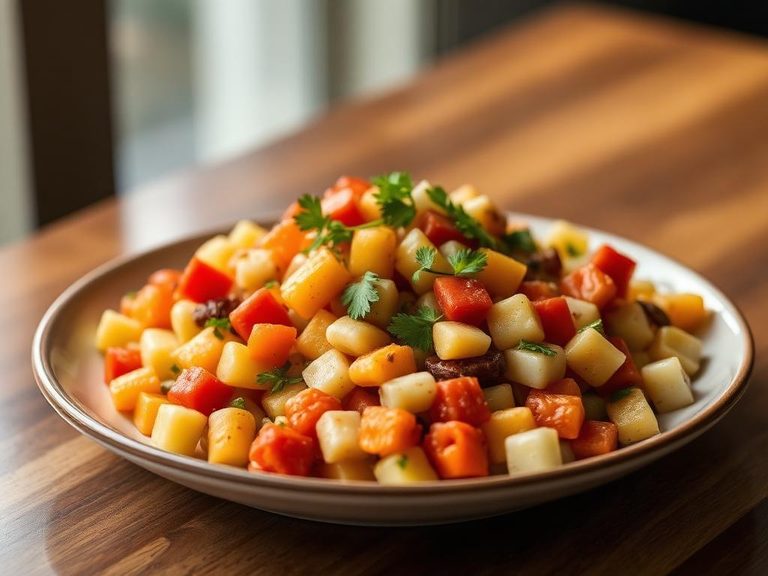
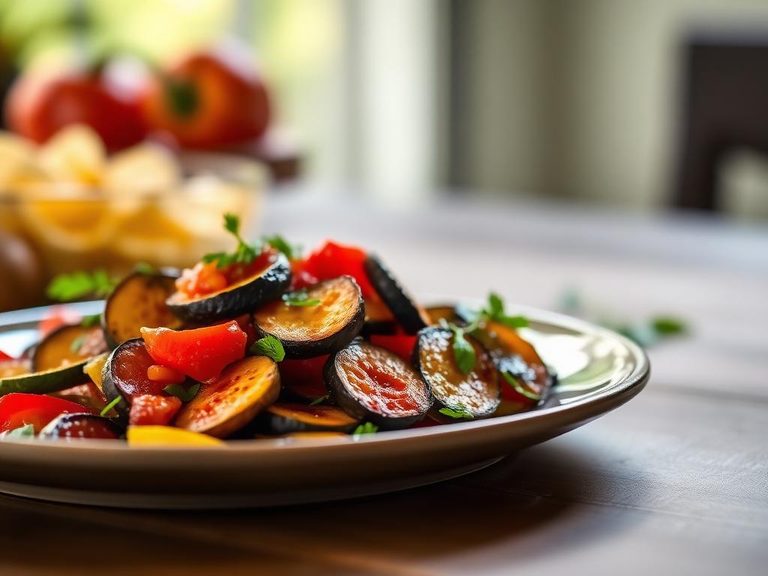
🍽️ Popular dishes

🌍 Where it's eaten
💡 Did you know?
Despite its name, the 'summer' squash is botanically a fruit, as it develops from the flower of the plant and contains seeds.
Full nutrition (scales with serving)
| Water | 94.3 g |
| Energy | 19.0 kcal |
| Energy | 81.0 kj |
| Protein | 1.0 g |
| Total lipid (fat) | 0.39 g |
| Ash | 0.53 g |
| Carbohydrate, by difference | 3.8 g |
| Fiber, total dietary | 1.1 g |
| Total Sugars | 2.5 g |
| Sucrose | 0.27 g |
| Glucose | 0.91 g |
| Fructose | 1.3 g |
| Lactose | 0.00 g |
| Maltose | 0.00 g |
| Galactose | 0.00 g |
| Starch | 0.00 g |
| Calcium, Ca | 22.0 mg |
| Iron, Fe | 0.37 mg |
| Magnesium, Mg | 16.0 mg |
| Phosphorus, P | 29.0 mg |
| Potassium, K | 177 mg |
| Sodium, Na | 237 mg |
| Zinc, Zn | 0.22 mg |
| Copper, Cu | 0.07 mg |
| Manganese, Mn | 0.16 mg |
| Selenium, Se | 0.20 ug |
| Vitamin C, total ascorbic acid | 11.6 mg |
| Thiamin | 0.04 mg |
| Riboflavin | 0.03 mg |
| Niacin | 0.51 mg |
| Pantothenic acid | 0.32 mg |
| Vitamin B-6 | 0.08 mg |
| Folate, total | 23.0 ug |
| Folic acid | 0.00 ug |
| Folate, food | 23.0 ug |
| Folate, DFE | 23.0 ug |
| Choline, total | 7.9 mg |
| Vitamin B-12 | 0.00 ug |
| Vitamin B-12, added | 0.00 ug |
| Vitamin A, RAE | 56.0 ug |
| Retinol | 0.00 ug |
| Carotene, beta | 670 ug |
| Carotene, alpha | 0.00 ug |
| Cryptoxanthin, beta | 0.00 ug |
| Vitamin A, IU | 1117 iu |
| Lycopene | 0.00 ug |
| Lutein + zeaxanthin | 315 ug |
| Vitamin E (alpha-tocopherol) | 0.12 mg |
| Vitamin E, added | 0.00 mg |
| Vitamin D (D2 + D3), International Units | 0.00 iu |
| Vitamin D (D2 + D3) | 0.00 ug |
| Vitamin K (phylloquinone) | 4.4 ug |
| Fatty acids, total saturated | 0.06 g |
| SFA 4:0 | 0.00 g |
| SFA 6:0 | 0.00 g |
| SFA 8:0 | 0.00 g |
| SFA 10:0 | 0.00 g |
| SFA 12:0 | 0.00 g |
| SFA 14:0 | 0.00 g |
| SFA 16:0 | 0.06 g |
| SFA 18:0 | 0.01 g |
| Fatty acids, total monounsaturated | 0.02 g |
| MUFA 16:1 | 0.00 g |
| MUFA 18:1 | 0.02 g |
| MUFA 20:1 | 0.00 g |
| MUFA 22:1 | 0.00 g |
| Fatty acids, total polyunsaturated | 0.13 g |
| PUFA 18:2 | 0.05 g |
| PUFA 18:3 | 0.08 g |
| PUFA 18:4 | 0.00 g |
| PUFA 20:4 | 0.00 g |
| PUFA 20:5 n-3 (EPA) | 0.00 g |
| PUFA 22:5 n-3 (DPA) | 0.00 g |
| PUFA 22:6 n-3 (DHA) | 0.00 g |
| Fatty acids, total trans | 0.00 g |
| Cholesterol | 0.00 mg |
| Tryptophan | 0.01 g |
| Threonine | 0.02 g |
| Isoleucine | 0.03 g |
| Leucine | 0.05 g |
| Lysine | 0.05 g |
| Methionine | 0.01 g |
| Cystine | 0.01 g |
| Phenylalanine | 0.03 g |
| Tyrosine | 0.02 g |
| Valine | 0.04 g |
| Arginine | 0.04 g |
| Histidine | 0.02 g |
| Alanine | 0.05 g |
| Aspartic acid | 0.11 g |
| Glutamic acid | 0.10 g |
| Glycine | 0.03 g |
| Proline | 0.03 g |
| Serine | 0.04 g |
| Alcohol, ethyl | 0.00 g |
| Caffeine | 0.00 mg |
| Theobromine | 0.00 mg |
FAQ
What's the difference between crookneck and straightneck squash?
They are very similar in flavor and texture. The main difference is physical: crookneck has a curved neck and bumpy skin, while straightneck has a straight neck and smoother skin. Nutritionally, they are nearly identical.
Is the skin edible?
Yes, the skin of young, tender summer squash is completely edible and contains fiber and nutrients. Older, larger squash may have tougher skin that some prefer to peel.
How do I prevent it from getting watery in dishes?
Salt the sliced squash and let it sit in a colander for 20-30 minutes to draw out excess moisture before cooking. Patting it dry with a towel also helps, especially for sautéing or baking.