

Spinach, cooked, boiled, drained, without salt
Whole food · Vegetables and Vegetable Products
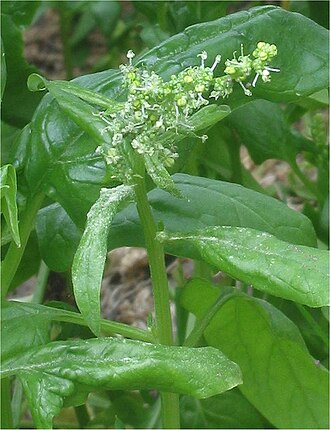
Photo: Wikipedia
Spinach, cooked and drained, transforms from a bulky, vibrant green leaf into a tender, silky, and deeply savory morsel with a mild, earthy sweetness. Its texture is soft and yielding, perfect for absorbing sauces or blending into creamy dishes. Nutritionally, it's a low-calorie powerhouse, packing nearly 3 grams of protein and over 2 grams of fiber per 100 grams, making it exceptionally nutrient-dense.
Calorie split: 41% protein · 51% carbs · 8% fat
↓ Full nutrition💚 Why it's loved
People love cooked spinach for its incredible versatility—it seamlessly melds into everything from rich Indian curries to simple garlic sautés and creamy dips. Its ability to take on the flavors of garlic, butter, cheese, or spices makes it a beloved, adaptable staple across countless cuisines.
⚠️ Watch-outs & how to enjoy it better
Cooked spinach is high in oxalates, which can bind to calcium and may be a concern for individuals prone to certain kidney stones. To counteract this, pair it with calcium-rich foods like cheese or yogurt, as the calcium binds the oxalates in the gut. Its strong, earthy flavor can also be off-putting to some; balancing it with a squeeze of lemon or a pinch of nutmeg can brighten the taste.
Key benefits
- Excellent source of vitamin K, crucial for bone health and blood clotting.
- Rich in vitamin A and antioxidants like lutein and zeaxanthin for eye health.
- Good plant-based source of iron and folate.
- High in fiber for digestive health and satiety.
- Very low in calories and fat, supporting weight management.
🍽️ Popular dishes
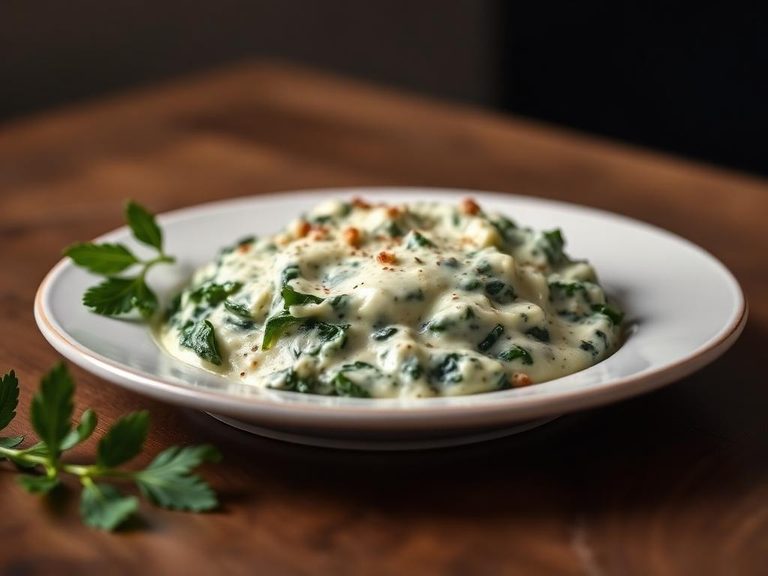
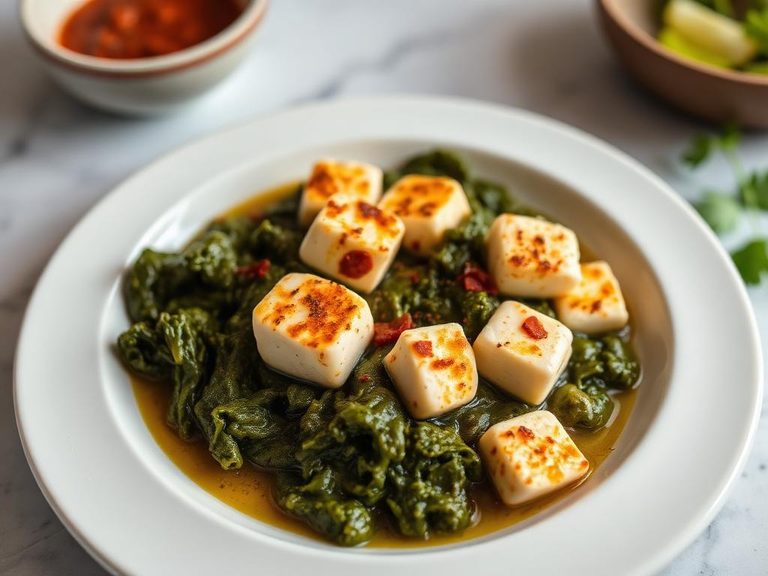
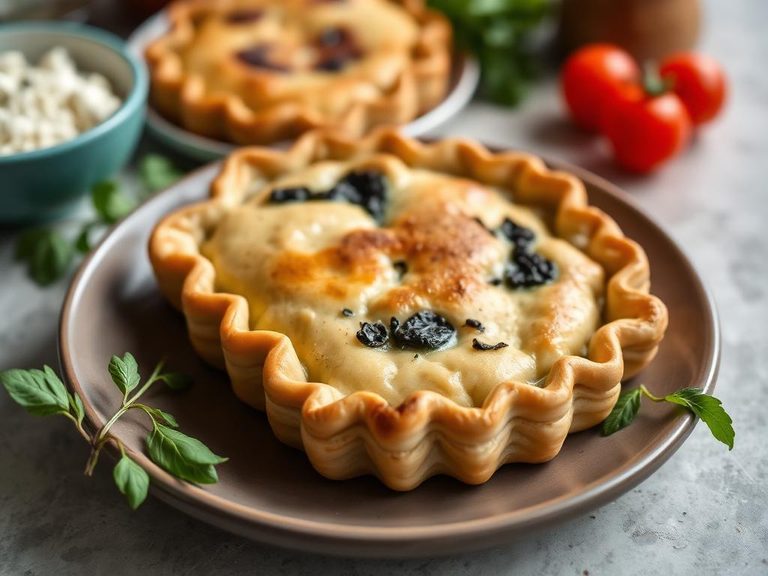
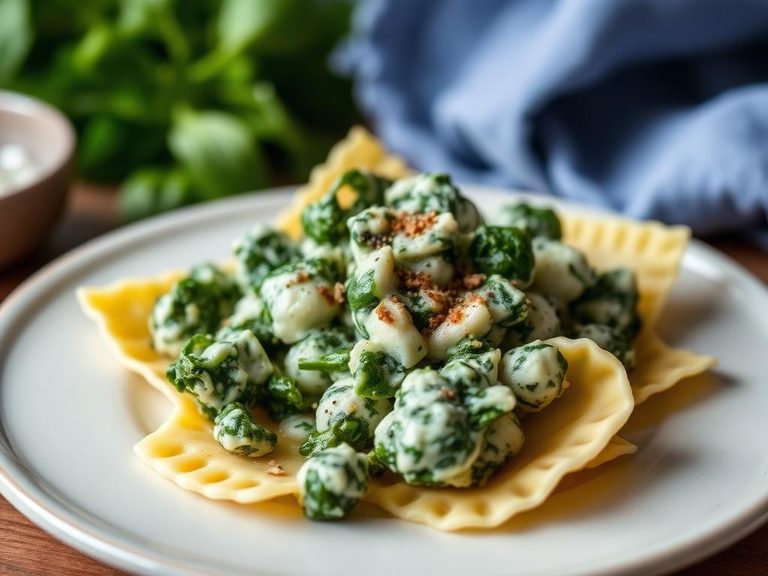

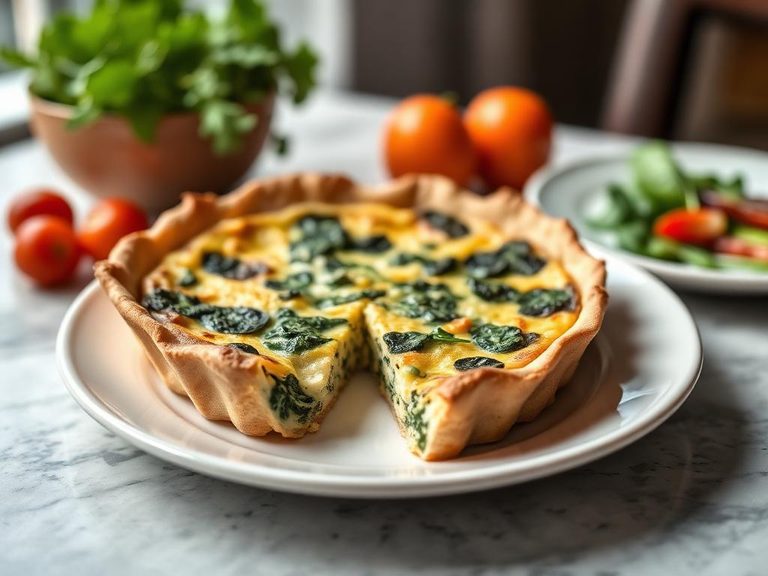
🌍 Where it's eaten
💡 Did you know?
Cooking spinach can actually increase the bioavailability of some nutrients, like beta-carotene (a precursor to vitamin A), because heat breaks down the plant's tough cell walls.
Full nutrition (USDA data · scales with serving)
| Water | 91.2 g |
| Energy | 23.0 kcal |
| Energy | 96.0 kj |
| Protein | 3.0 g |
| Total lipid (fat) | 0.26 g |
| Ash | 1.8 g |
| Carbohydrate, by difference | 3.8 g |
| Fiber, total dietary | 2.4 g |
| Total Sugars | 0.43 g |
| Calcium, Ca | 136 mg |
| Iron, Fe | 3.6 mg |
| Magnesium, Mg | 87.0 mg |
| Phosphorus, P | 56.0 mg |
| Potassium, K | 466 mg |
| Sodium, Na | 70.0 mg |
| Zinc, Zn | 0.76 mg |
| Copper, Cu | 0.17 mg |
| Manganese, Mn | 0.94 mg |
| Selenium, Se | 1.5 ug |
| Fluoride, F | 37.8 ug |
| Vitamin C, total ascorbic acid | 9.8 mg |
| Thiamin | 0.10 mg |
| Riboflavin | 0.24 mg |
| Niacin | 0.49 mg |
| Pantothenic acid | 0.14 mg |
| Vitamin B-6 | 0.24 mg |
| Folate, total | 146 ug |
| Folic acid | 0.00 ug |
| Folate, food | 146 ug |
| Folate, DFE | 146 ug |
| Choline, total | 19.7 mg |
| Betaine | 89.0 mg |
| Vitamin B-12 | 0.00 ug |
| Vitamin B-12, added | 0.00 ug |
| Vitamin A, RAE | 524 ug |
| Retinol | 0.00 ug |
| Carotene, beta | 6288 ug |
| Carotene, alpha | 0.00 ug |
| Cryptoxanthin, beta | 0.00 ug |
| Vitamin A, IU | 10481 iu |
| Lycopene | 0.00 ug |
| Lutein + zeaxanthin | 11308 ug |
| Vitamin E (alpha-tocopherol) | 2.1 mg |
| Vitamin E, added | 0.00 mg |
| Vitamin D (D2 + D3), International Units | 0.00 iu |
| Vitamin D (D2 + D3) | 0.00 ug |
| Vitamin K (phylloquinone) | 494 ug |
| Alcohol, ethyl | 0.00 g |
| Caffeine | 0.00 mg |
| Theobromine | 0.00 mg |
Fat & fatty acid profile (per 100g)
| Fatty acids, total saturated | 0.04 g |
| SFA 4:0 | 0.00 g |
| SFA 6:0 | 0.00 g |
| SFA 8:0 | 0.00 g |
| SFA 10:0 | 0.00 g |
| SFA 12:0 | 0.00 g |
| SFA 14:0 | 0.01 g |
| SFA 16:0 | 0.03 g |
| SFA 18:0 | 0.00 g |
| Fatty acids, total monounsaturated | 0.01 g |
| MUFA 16:1 | 0.00 g |
| MUFA 18:1 | 0.00 g |
| MUFA 20:1 | 0.00 g |
| MUFA 22:1 | 0.00 g |
| Fatty acids, total polyunsaturated | 0.11 g |
| PUFA 18:2 | 0.02 g |
| PUFA 18:3 | 0.09 g |
| PUFA 18:4 | 0.00 g |
| PUFA 20:4 | 0.00 g |
| PUFA 20:5 n-3 (EPA) | 0.00 g |
| PUFA 22:5 n-3 (DPA) | 0.00 g |
| PUFA 22:6 n-3 (DHA) | 0.00 g |
| Fatty acids, total trans | 0.00 g |
| Cholesterol | 0.00 mg |
Amino acid profile (per 100g)
| Tryptophan | 0.04 g |
| Threonine | 0.13 g |
| Isoleucine | 0.15 g |
| Leucine | 0.23 g |
| Lysine | 0.18 g |
| Methionine | 0.06 g |
| Cystine | 0.04 g |
| Phenylalanine | 0.13 g |
| Tyrosine | 0.11 g |
| Valine | 0.17 g |
| Arginine | 0.17 g |
| Histidine | 0.07 g |
| Alanine | 0.15 g |
| Aspartic acid | 0.25 g |
| Glutamic acid | 0.36 g |
| Glycine | 0.14 g |
| Proline | 0.12 g |
| Serine | 0.11 g |
FAQ
Why does cooked spinach have so much less volume than raw?
Spinach leaves are over 90% water. Cooking causes the water to evaporate and the cell structures to collapse, dramatically reducing its volume. It takes about 1 pound (450g) of raw spinach to yield just 1 cup of cooked spinach.
Is the iron in spinach really that good for you?
Spinach contains non-heme iron, which is less easily absorbed than the heme iron in meat. However, pairing it with a source of vitamin C (like lemon juice or tomatoes) significantly boosts iron absorption.
What's the best way to avoid watery, soggy cooked spinach?
After boiling or steaming, press the spinach firmly in a colander or clean kitchen towel to squeeze out as much liquid as possible. Sautéing in a hot pan with a little oil or butter also helps evaporate excess moisture quickly.
Nutrient density (calculated · NRF9.3)
Nutrient Rich Foods index: beneficial nutrients (protein, fiber, vitamins, minerals) minus saturated fat, added sugar & sodium, per 100 kcal.
NRF9.3 index — Fulgoni, Keast & Drewnowski, 2009. Computed from USDA nutrients.
Weight-loss friendliness (composite index)
Energy density 0.23 kcal/g · 52% calories from protein · 2.4 g fiber · 0.4 g sugar per 100 g.
Composite of energy density (Rolls et al., 1999), protein & fiber satiety, minus sugar. A calculated heuristic — ranks satiety-per-calorie, not a clinical measure.
Dietary load (calculated from USDA values)
Potential renal acid load. Positive = acid-forming, negative = alkaline-forming.
Sodium-to-potassium ratio: 0.15 (lower is better — aim for ≤ 1)
Sodium:potassium per WHO potassium guidance. Computed from USDA nutrients.