

Soup, clam chowder, new england, reduced sodium, canned, ready-to-serve
Whole food · Soups, Sauces, and Gravies

Photo: Wikipedia
This is the classic, creamy New England clam chowder, but in a lighter, canned, ready-to-serve form. It delivers a rich, velvety texture from a milk or cream base, studded with tender clams and diced potatoes for a comforting, savory bite. Nutritionally, it's a relatively light option at 70 kcal per 100g, offering a modest protein boost from the clams.
Calorie split: 13% protein · 32% carbs · 54% fat
↓ Full nutrition💚 Why it's loved
People adore its iconic, creamy comfort—a taste of New England coastal tradition that feels like a warm hug in a bowl. It's beloved for its simplicity and as a versatile base that can be dressed up with oyster crackers, fresh herbs, or a dash of hot sauce.
⚠️ Watch-outs & how to enjoy it better
Even the reduced-sodium version can still be relatively high in salt, which may concern those monitoring blood pressure. The creamy base is typically dairy, making it unsuitable for vegans or those with lactose intolerance. To counteract, pair it with a fresh, leafy green salad to boost fiber and balance the meal, or choose a smaller portion and supplement with whole-grain bread.
Key benefits
- Provides a good source of lean protein from clams.
- Contains essential minerals like iron and zinc from seafood.
- Reduced sodium formulation helps manage daily salt intake.
- Convenient, shelf-stable meal or ingredient.
- Offers a comforting, low-calorie option for creamy soup lovers.
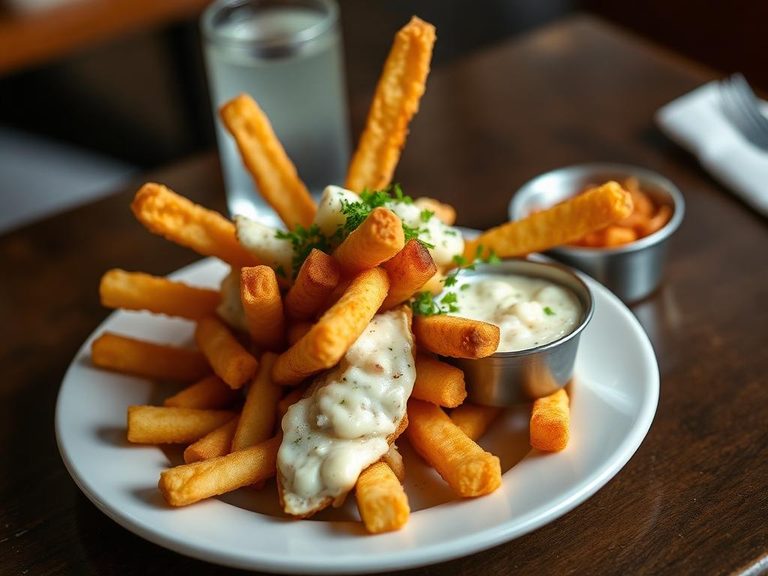
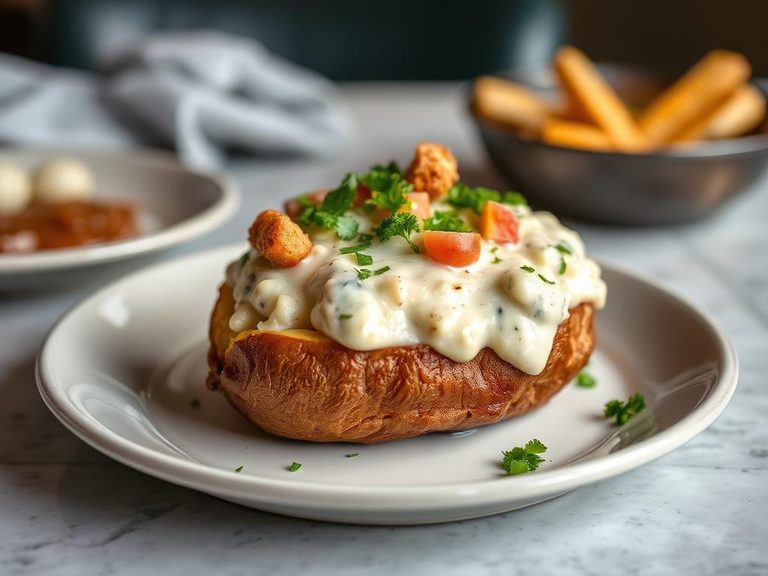
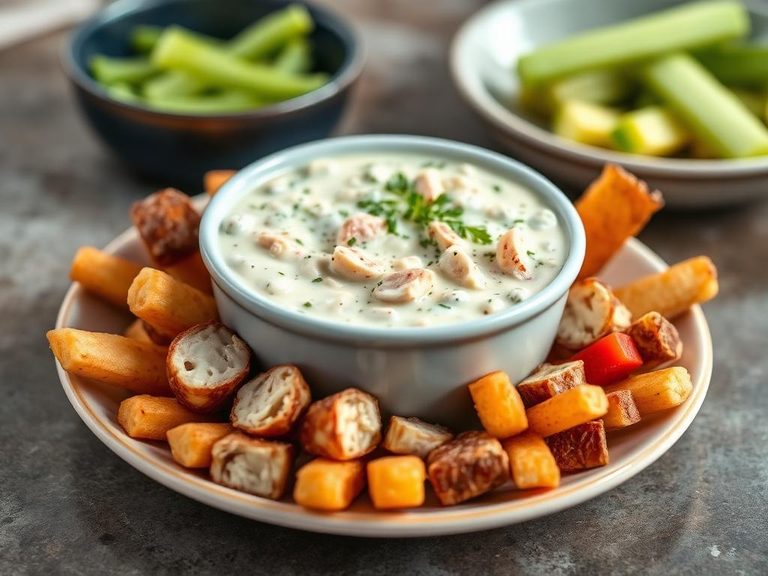
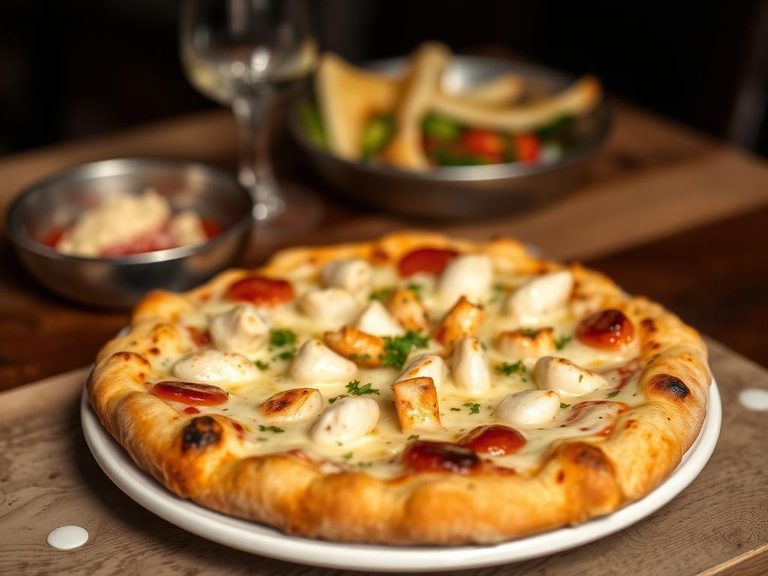
🍽️ Popular dishes

🌍 Where it's eaten
💡 Did you know?
The 'New England' style chowder is distinctly creamy and white, a stark contrast to the tomato-based red Manhattan clam chowder, which was reportedly named as a playful jab during a 1940s newspaper rivalry between the two styles.
Full nutrition (USDA data · scales with serving)
| Water | 86.5 g |
| Energy | 70.0 kcal |
| Energy | 293 kj |
| Protein | 2.3 g |
| Total lipid (fat) | 4.2 g |
| Ash | 1.2 g |
| Carbohydrate, by difference | 5.7 g |
| Fiber, total dietary | 0.80 g |
| Total Sugars | 0.00 g |
| Sucrose | 0.00 g |
| Glucose | 0.00 g |
| Fructose | 0.00 g |
| Lactose | 0.00 g |
| Maltose | 0.00 g |
| Galactose | 0.00 g |
| Starch | 4.1 g |
| Calcium, Ca | 14.0 mg |
| Iron, Fe | 0.56 mg |
| Magnesium, Mg | 13.0 mg |
| Phosphorus, P | 31.0 mg |
| Potassium, K | 337 mg |
| Sodium, Na | 194 mg |
| Zinc, Zn | 0.27 mg |
| Copper, Cu | 0.03 mg |
| Manganese, Mn | 0.08 mg |
| Selenium, Se | 4.3 ug |
| Vitamin C, total ascorbic acid | 3.3 mg |
| Thiamin | 0.01 mg |
| Riboflavin | 0.01 mg |
| Niacin | 0.42 mg |
| Vitamin B-6 | 0.13 mg |
| Folate, total | 6.0 ug |
| Folic acid | 0.00 ug |
| Folate, food | 6.0 ug |
| Folate, DFE | 6.0 ug |
| Choline, total | 6.6 mg |
| Vitamin B-12 | 4.6 ug |
| Vitamin B-12, added | 0.00 ug |
| Vitamin A, RAE | 8.0 ug |
| Retinol | 7.0 ug |
| Carotene, beta | 5.0 ug |
| Carotene, alpha | 0.00 ug |
| Cryptoxanthin, beta | 0.00 ug |
| Vitamin A, IU | 33.0 iu |
| Lycopene | 0.00 ug |
| Lutein + zeaxanthin | 20.0 ug |
| Vitamin E (alpha-tocopherol) | 0.40 mg |
| Vitamin E, added | 0.00 mg |
| Vitamin D (D2 + D3), International Units | 0.00 iu |
| Vitamin D (D2 + D3) | 0.00 ug |
| Vitamin K (phylloquinone) | 8.2 ug |
| Alcohol, ethyl | 0.00 g |
| Caffeine | 0.00 mg |
| Theobromine | 0.00 mg |
Fat & fatty acid profile (per 100g)
| Fatty acids, total saturated | 0.70 g |
| SFA 4:0 | 0.01 g |
| SFA 6:0 | 0.00 g |
| SFA 8:0 | 0.00 g |
| SFA 10:0 | 0.01 g |
| SFA 12:0 | 0.01 g |
| SFA 14:0 | 0.03 g |
| SFA 16:0 | 0.47 g |
| SFA 18:0 | 0.19 g |
| Fatty acids, total monounsaturated | 0.91 g |
| MUFA 16:1 | 0.04 g |
| MUFA 18:1 | 0.86 g |
| MUFA 20:1 | 0.01 g |
| MUFA 22:1 | 0.00 g |
| Fatty acids, total polyunsaturated | 2.0 g |
| PUFA 18:2 | 1.7 g |
| PUFA 18:3 | 0.23 g |
| PUFA 18:4 | 0.00 g |
| PUFA 20:4 | 0.01 g |
| PUFA 20:5 n-3 (EPA) | 0.02 g |
| PUFA 22:5 n-3 (DPA) | 0.01 g |
| PUFA 22:6 n-3 (DHA) | 0.03 g |
| Cholesterol | 3.0 mg |
Amino acid profile (per 100g)
Estimated from Soup, bean with pork, canned, condensed — USDA does not publish this profile for Soup.
| Tryptophan | 0.06 g |
| Threonine | 0.24 g |
| Isoleucine | 0.29 g |
| Leucine | 0.48 g |
| Lysine | 0.40 g |
| Methionine | 0.07 g |
| Cystine | 0.07 g |
| Phenylalanine | 0.33 g |
| Tyrosine | 0.18 g |
| Valine | 0.32 g |
| Arginine | 0.31 g |
| Histidine | 0.15 g |
| Alanine | 0.29 g |
| Aspartic acid | 0.66 g |
| Glutamic acid | 1.1 g |
| Glycine | 0.28 g |
| Proline | 0.27 g |
| Serine | 0.29 g |
FAQ
Is this chowder gluten-free?
It can vary by brand. While the base ingredients (clams, potatoes, dairy) are often gluten-free, some recipes use flour as a thickener. Always check the label for a 'gluten-free' certification or ingredient list.
Can I freeze leftover canned chowder?
It's not recommended. The dairy-based broth may separate and become grainy upon thawing, significantly affecting the texture. It's best consumed within a few days of opening and refrigerated.
How does the reduced sodium affect the taste?
It will taste less salty than the regular version, allowing the natural sweetness of the clams and the creaminess of the base to come through more clearly. You can always adjust seasoning at the table with a pinch of salt or pepper.
Nutrient density (calculated · NRF9.3)
Nutrient Rich Foods index: beneficial nutrients (protein, fiber, vitamins, minerals) minus saturated fat, added sugar & sodium, per 100 kcal.
NRF9.3 index — Fulgoni, Keast & Drewnowski, 2009. Computed from USDA nutrients.
Weight-loss friendliness (composite index)
Energy density 0.70 kcal/g · 13% calories from protein · 0.8 g fiber · 0.0 g sugar per 100 g.
Composite of energy density (Rolls et al., 1999), protein & fiber satiety, minus sugar. A calculated heuristic — ranks satiety-per-calorie, not a clinical measure.
Dietary load (calculated from USDA values)
Potential renal acid load. Positive = acid-forming, negative = alkaline-forming.
Sodium-to-potassium ratio: 0.58 (lower is better — aim for ≤ 1)
Sodium:potassium per WHO potassium guidance. Computed from USDA nutrients.