

Rye grain
Whole food · Cereal Grains and Pasta

Photo: Wikipedia
Rye grain is a hardy, ancient cereal with a robust, earthy flavor and a satisfying, chewy texture when cooked. Its standout nutritional feature is its exceptionally high fiber content, which includes beta-glucans that support gut health. A 100g serving provides a substantial 15.1g of fiber, making it a powerhouse for digestive wellness and sustained energy.
Calorie split: 12% protein · 84% carbs · 4% fat
↓ Full nutrition💚 Why it's loved
People love rye grain for its deep, nutty, and slightly sour flavor that adds complexity to breads, soups, and salads. Its hearty texture holds up beautifully in cooking, making it a versatile staple in both traditional and modern kitchens.
⚠️ Watch-outs & how to enjoy it better
Rye contains gluten, so it must be avoided by those with celiac disease or gluten sensitivity. Its high fiber content can cause digestive discomfort (gas, bloating) if introduced too quickly. To counteract this, start with small portions, increase intake gradually, and ensure adequate water intake. Soaking or cooking the grain thoroughly can also improve digestibility.
Key benefits
- High in dietary fiber (15.1g per 100g) for digestive health.
- Good source of plant-based protein (10.34g per 100g).
- Contains minerals like magnesium, phosphorus, and manganese.
- Low in sugar (0.98g per 100g) and fat (1.63g per 100g).
- The fiber content may help promote a feeling of fullness.
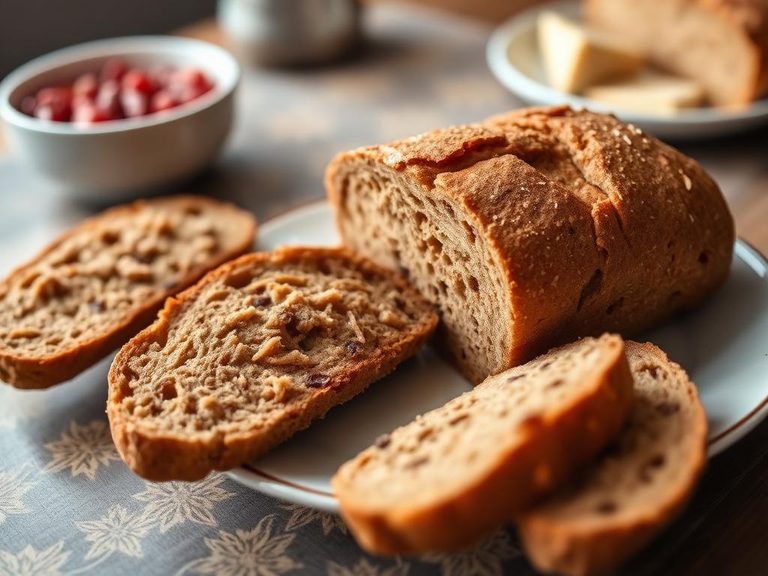
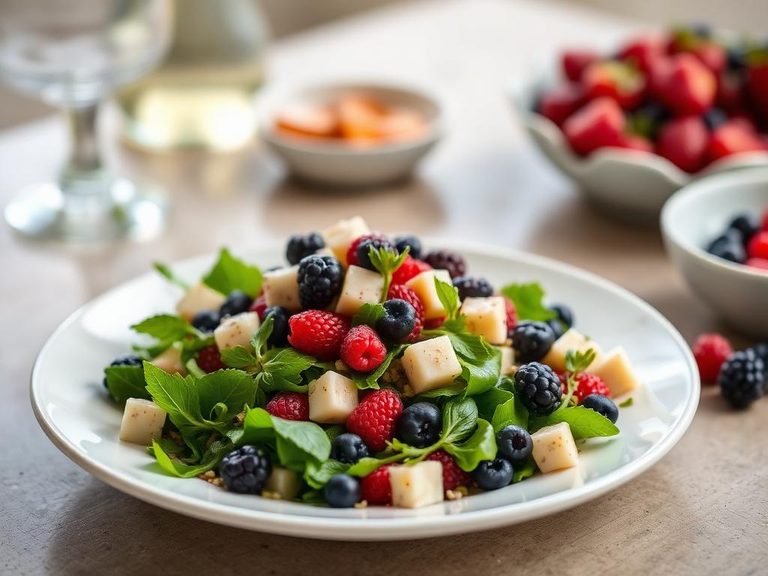
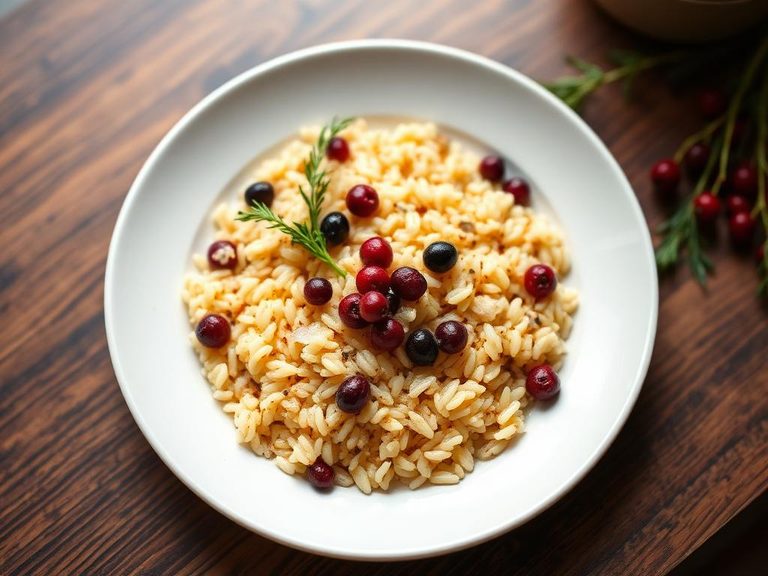
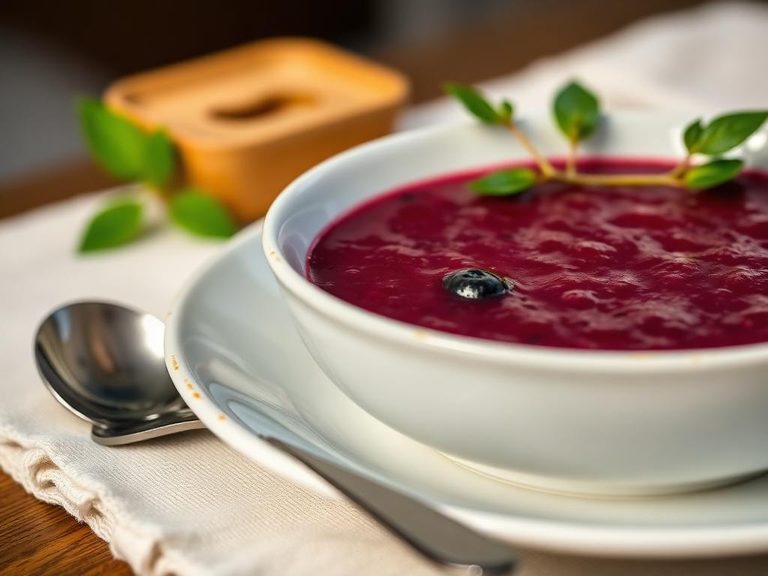
🍽️ Popular dishes
🌍 Where it's eaten
💡 Did you know?
Rye is one of the most cold-tolerant cereal grains and can grow in poor, sandy soils where wheat would fail, which historically made it a crucial survival crop in harsh climates.
Full nutrition (USDA data · scales with serving)
| Water | 10.6 g |
| Energy | 338 kcal |
| Energy | 1414 kj |
| Protein | 10.3 g |
| Total lipid (fat) | 1.6 g |
| Ash | 1.6 g |
| Carbohydrate, by difference | 75.9 g |
| Fiber, total dietary | 15.1 g |
| Total Sugars | 0.98 g |
| Sucrose | 0.71 g |
| Glucose | 0.16 g |
| Fructose | 0.11 g |
| Lactose | 0.00 g |
| Maltose | 0.00 g |
| Galactose | 0.00 g |
| Calcium, Ca | 24.0 mg |
| Iron, Fe | 2.6 mg |
| Magnesium, Mg | 110 mg |
| Phosphorus, P | 332 mg |
| Potassium, K | 510 mg |
| Sodium, Na | 2.0 mg |
| Zinc, Zn | 2.6 mg |
| Copper, Cu | 0.37 mg |
| Manganese, Mn | 2.6 mg |
| Selenium, Se | 13.9 ug |
| Vitamin C, total ascorbic acid | 0.00 mg |
| Thiamin | 0.32 mg |
| Riboflavin | 0.25 mg |
| Niacin | 4.3 mg |
| Pantothenic acid | 1.5 mg |
| Vitamin B-6 | 0.29 mg |
| Folate, total | 38.0 ug |
| Folic acid | 0.00 ug |
| Folate, food | 38.0 ug |
| Folate, DFE | 38.0 ug |
| Choline, total | 30.4 mg |
| Betaine | 146 mg |
| Vitamin B-12 | 0.00 ug |
| Vitamin B-12, added | 0.00 ug |
| Vitamin A, RAE | 1.0 ug |
| Retinol | 0.00 ug |
| Carotene, beta | 7.0 ug |
| Carotene, alpha | 0.00 ug |
| Cryptoxanthin, beta | 0.00 ug |
| Vitamin A, IU | 11.0 iu |
| Lycopene | 0.00 ug |
| Lutein + zeaxanthin | 210 ug |
| Vitamin E (alpha-tocopherol) | 0.85 mg |
| Vitamin E, added | 0.00 mg |
| Vitamin D (D2 + D3), International Units | 0.00 iu |
| Vitamin D (D2 + D3) | 0.00 ug |
| Vitamin K (phylloquinone) | 5.9 ug |
| Alcohol, ethyl | 0.00 g |
| Caffeine | 0.00 mg |
| Theobromine | 0.00 mg |
Fat & fatty acid profile (per 100g)
| Fatty acids, total saturated | 0.20 g |
| SFA 4:0 | 0.00 g |
| SFA 6:0 | 0.00 g |
| SFA 8:0 | 0.00 g |
| SFA 10:0 | 0.00 g |
| SFA 12:0 | 0.00 g |
| SFA 14:0 | 0.00 g |
| SFA 16:0 | 0.19 g |
| SFA 18:0 | 0.01 g |
| Fatty acids, total monounsaturated | 0.21 g |
| MUFA 16:1 | 0.01 g |
| MUFA 18:1 | 0.19 g |
| MUFA 20:1 | 0.01 g |
| MUFA 22:1 | 0.00 g |
| Fatty acids, total polyunsaturated | 0.77 g |
| PUFA 18:2 | 0.66 g |
| PUFA 18:3 | 0.11 g |
| PUFA 18:4 | 0.00 g |
| PUFA 20:4 | 0.00 g |
| PUFA 20:5 n-3 (EPA) | 0.00 g |
| PUFA 22:5 n-3 (DPA) | 0.00 g |
| PUFA 22:6 n-3 (DHA) | 0.00 g |
| Fatty acids, total trans | 0.00 g |
| Cholesterol | 0.00 mg |
Amino acid profile (per 100g)
| Tryptophan | 0.11 g |
| Threonine | 0.29 g |
| Isoleucine | 0.21 g |
| Leucine | 0.56 g |
| Lysine | 0.29 g |
| Methionine | 0.15 g |
| Phenylalanine | 0.43 g |
| Tyrosine | 0.20 g |
| Valine | 0.32 g |
| Arginine | 0.45 g |
| Histidine | 0.19 g |
| Alanine | 0.41 g |
| Aspartic acid | 0.56 g |
| Glutamic acid | 2.3 g |
| Glycine | 0.42 g |
| Proline | 0.80 g |
| Serine | 0.46 g |
FAQ
Is rye grain the same as rye flour?
No. Rye grain refers to the whole, intact kernel, while rye flour is made by grinding the grain. They have different uses and textures in cooking and baking.
How do you cook rye berries?
Rye berries require a long cooking time. Rinse them, then simmer in water or broth for about 45-60 minutes until tender but still chewy. They can also be soaked overnight to reduce cooking time.
Is rye a good choice for blood sugar management?
Rye has a lower glycemic index than many refined grains due to its high fiber content, which can help slow sugar absorption. However, portion control is still important, as it is a carbohydrate-rich food.
Nutrient density (calculated · NRF9.3)
Nutrient Rich Foods index: beneficial nutrients (protein, fiber, vitamins, minerals) minus saturated fat, added sugar & sodium, per 100 kcal.
NRF9.3 index — Fulgoni, Keast & Drewnowski, 2009. Computed from USDA nutrients.
Weight-loss friendliness (composite index)
Energy density 3.38 kcal/g · 12% calories from protein · 15.1 g fiber · 1.0 g sugar per 100 g.
Composite of energy density (Rolls et al., 1999), protein & fiber satiety, minus sugar. A calculated heuristic — ranks satiety-per-calorie, not a clinical measure.
Dietary load (calculated from USDA values)
Potential renal acid load. Positive = acid-forming, negative = alkaline-forming.
Sodium-to-potassium ratio: 0.00 (lower is better — aim for ≤ 1)
Sodium:potassium per WHO potassium guidance. Computed from USDA nutrients.