

Pumpkin, raw
Whole food · Vegetables and Vegetable Products
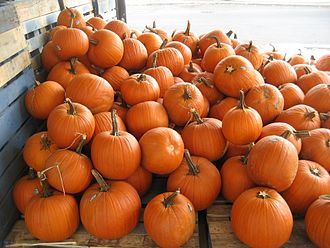
Photo: Wikipedia
Raw pumpkin is the crisp, pale-fleshed squash before cooking, offering a mild, slightly sweet flavor and a firm, watery texture. Nutritionally, it's a low-calorie powerhouse, providing over 100% of your daily Vitamin A (as beta-carotene) in just 100 grams, with minimal fat and a good dose of fiber.
Calorie split: 13% protein · 84% carbs · 3% fat
↓ Full nutrition💚 Why it's loved
People love raw pumpkin for its subtle, versatile sweetness that acts as a blank canvas in both savory and sweet dishes, and for its cultural significance in autumnal and harvest festivals worldwide.
⚠️ Watch-outs & how to enjoy it better
Raw pumpkin's high water content and mild flavor can become bland or mushy if overcooked. Its natural sugars can contribute to blood sugar spikes in large portions, so pairing it with protein or healthy fats (like nuts or cheese) can help moderate this effect.
Key benefits
- Exceptionally high in beta-carotene, a precursor to Vitamin A.
- Very low in calories, aiding weight management.
- Provides dietary fiber for digestive health.
- Contains antioxidants like lutein and zeaxanthin for eye health.
- Good source of potassium, supporting heart function.
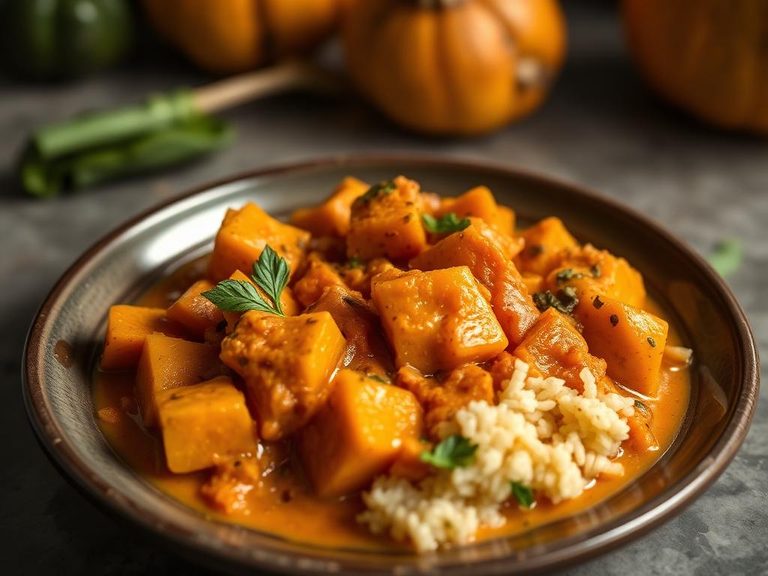
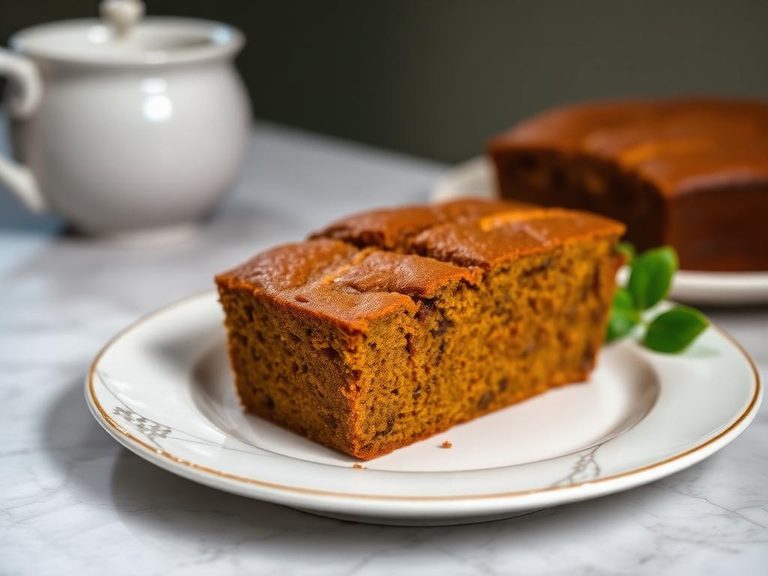
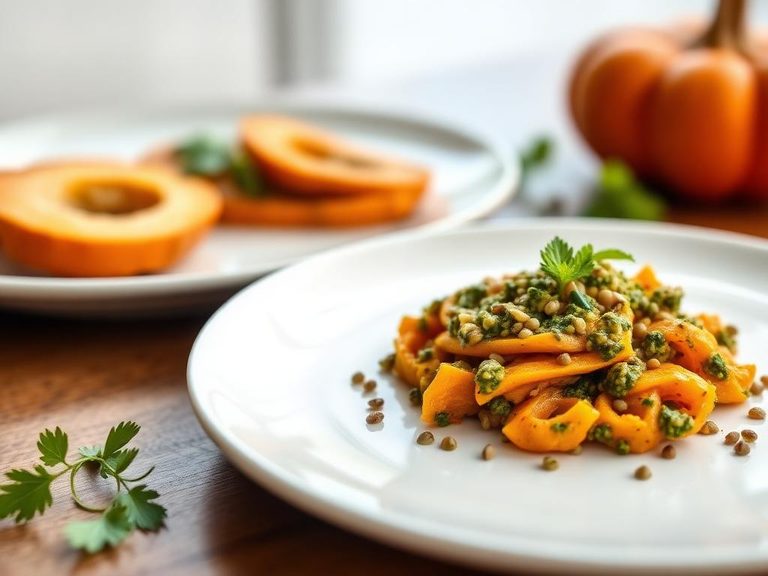
🍽️ Popular dishes
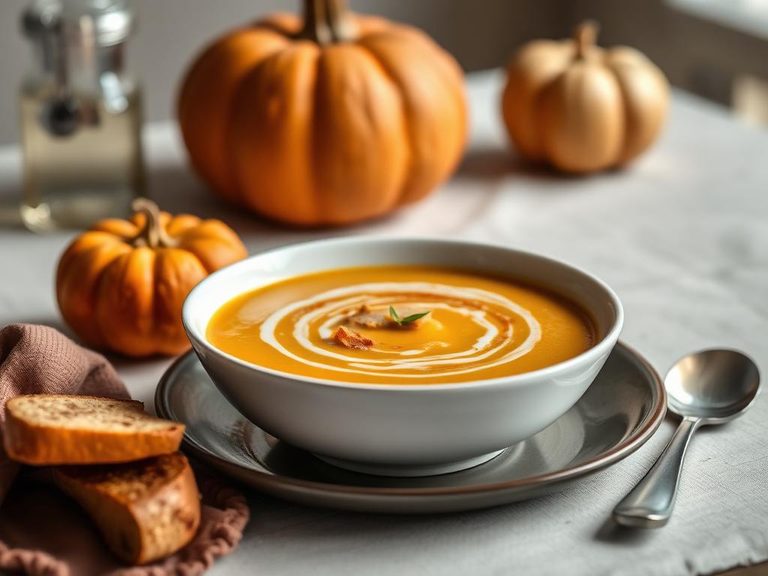
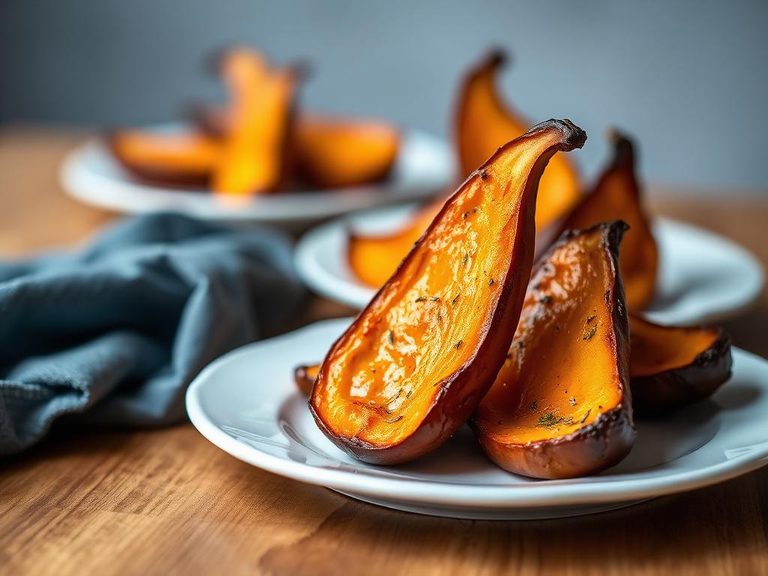
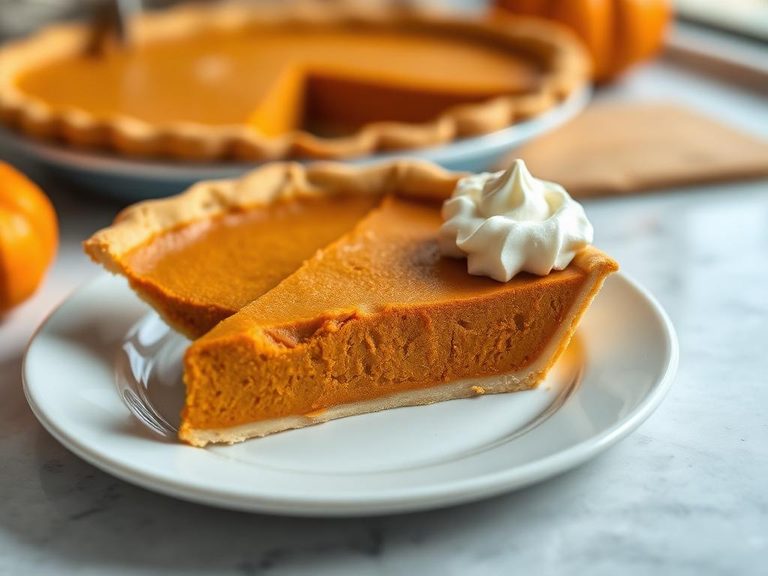
🌍 Where it's eaten
💡 Did you know?
The word 'pumpkin' comes from the Greek word 'pepon,' meaning 'large melon,' and the largest pumpkin ever grown weighed over 2,700 pounds (1,230 kg).
Full nutrition (USDA data · scales with serving)
| Water | 91.6 g |
| Energy | 26.0 kcal |
| Energy | 109 kj |
| Protein | 1.0 g |
| Total lipid (fat) | 0.10 g |
| Ash | 0.80 g |
| Carbohydrate, by difference | 6.5 g |
| Fiber, total dietary | 0.50 g |
| Total Sugars | 2.8 g |
| Calcium, Ca | 21.0 mg |
| Iron, Fe | 0.80 mg |
| Magnesium, Mg | 12.0 mg |
| Phosphorus, P | 44.0 mg |
| Potassium, K | 340 mg |
| Sodium, Na | 1.0 mg |
| Zinc, Zn | 0.32 mg |
| Copper, Cu | 0.13 mg |
| Manganese, Mn | 0.13 mg |
| Selenium, Se | 0.30 ug |
| Vitamin C, total ascorbic acid | 9.0 mg |
| Thiamin | 0.05 mg |
| Riboflavin | 0.11 mg |
| Niacin | 0.60 mg |
| Pantothenic acid | 0.30 mg |
| Vitamin B-6 | 0.06 mg |
| Folate, total | 16.0 ug |
| Folic acid | 0.00 ug |
| Folate, food | 16.0 ug |
| Folate, DFE | 16.0 ug |
| Choline, total | 8.2 mg |
| Vitamin B-12 | 0.00 ug |
| Vitamin B-12, added | 0.00 ug |
| Vitamin A, RAE | 426 ug |
| Retinol | 0.00 ug |
| Carotene, beta | 3100 ug |
| Carotene, alpha | 4016 ug |
| Cryptoxanthin, beta | 0.00 ug |
| Vitamin A, IU | 8513 iu |
| Lycopene | 0.00 ug |
| Lutein + zeaxanthin | 1500 ug |
| Vitamin E (alpha-tocopherol) | 1.1 mg |
| Vitamin E, added | 0.00 mg |
| Vitamin D (D2 + D3), International Units | 0.00 iu |
| Vitamin D (D2 + D3) | 0.00 ug |
| Vitamin K (phylloquinone) | 1.1 ug |
| Alcohol, ethyl | 0.00 g |
| Caffeine | 0.00 mg |
| Theobromine | 0.00 mg |
Fat & fatty acid profile (per 100g)
| Fatty acids, total saturated | 0.05 g |
| SFA 4:0 | 0.00 g |
| SFA 6:0 | 0.00 g |
| SFA 8:0 | 0.00 g |
| SFA 10:0 | 0.00 g |
| SFA 12:0 | 0.00 g |
| SFA 14:0 | 0.01 g |
| SFA 16:0 | 0.04 g |
| SFA 18:0 | 0.00 g |
| Fatty acids, total monounsaturated | 0.01 g |
| MUFA 16:1 | 0.01 g |
| MUFA 18:1 | 0.01 g |
| MUFA 20:1 | 0.00 g |
| MUFA 22:1 | 0.00 g |
| Fatty acids, total polyunsaturated | 0.01 g |
| PUFA 18:2 | 0.00 g |
| PUFA 18:3 | 0.00 g |
| PUFA 18:4 | 0.00 g |
| PUFA 20:4 | 0.00 g |
| PUFA 20:5 n-3 (EPA) | 0.00 g |
| PUFA 22:5 n-3 (DPA) | 0.00 g |
| PUFA 22:6 n-3 (DHA) | 0.00 g |
| Fatty acids, total trans | 0.00 g |
| Cholesterol | 0.00 mg |
| Phytosterols | 12.0 mg |
Amino acid profile (per 100g)
| Tryptophan | 0.01 g |
| Threonine | 0.03 g |
| Isoleucine | 0.03 g |
| Leucine | 0.05 g |
| Lysine | 0.05 g |
| Methionine | 0.01 g |
| Cystine | 0.00 g |
| Phenylalanine | 0.03 g |
| Tyrosine | 0.04 g |
| Valine | 0.04 g |
| Arginine | 0.05 g |
| Histidine | 0.02 g |
| Alanine | 0.03 g |
| Aspartic acid | 0.10 g |
| Glutamic acid | 0.18 g |
| Glycine | 0.03 g |
| Proline | 0.03 g |
| Serine | 0.04 g |
FAQ
Can you eat pumpkin raw?
Yes, raw pumpkin can be eaten, though it's tough and not as flavorful. It's often shredded into salads or slaws, or juiced. Cooking typically enhances its sweetness and texture.
Is pumpkin a fruit or a vegetable?
Botanically, pumpkin is a fruit (specifically a berry) because it develops from a flower and contains seeds. In culinary contexts, it's treated as a vegetable due to its savory applications.
How do I store raw pumpkin?
Whole, uncut pumpkin can be stored in a cool, dry place for months. Once cut, wrap the pieces tightly and refrigerate for up to a week, or freeze cubes for later use in soups or purees.
Nutrient density (calculated · NRF9.3)
Nutrient Rich Foods index: beneficial nutrients (protein, fiber, vitamins, minerals) minus saturated fat, added sugar & sodium, per 100 kcal.
NRF9.3 index — Fulgoni, Keast & Drewnowski, 2009. Computed from USDA nutrients.
Weight-loss friendliness (composite index)
Energy density 0.26 kcal/g · 15% calories from protein · 0.5 g fiber · 2.8 g sugar per 100 g.
Composite of energy density (Rolls et al., 1999), protein & fiber satiety, minus sugar. A calculated heuristic — ranks satiety-per-calorie, not a clinical measure.
Dietary load (calculated from USDA values)
Potential renal acid load. Positive = acid-forming, negative = alkaline-forming.
Sodium-to-potassium ratio: 0.00 (lower is better — aim for ≤ 1)
Sodium:potassium per WHO potassium guidance. Computed from USDA nutrients.