

Mushrooms, shiitake, dried
Whole food · Vegetables and Vegetable Products

Photo: Wikipedia
Dried shiitake mushrooms are the intensely savory, umami-packed version of their fresh counterparts, with a chewy, meaty texture and a deep, woodsy aroma. Nutritionally, they are a standout source of fiber and plant-based protein, with a very low fat content, making them a nutrient-dense, low-calorie ingredient.
Calorie split: 11% protein · 86% carbs · 3% fat
↓ Full nutrition💚 Why it's loved
People adore dried shiitake for their unparalleled ability to add a profound, savory depth to broths, stews, and sauces—a flavor often described as 'the fifth taste.' Their versatility allows them to be rehydrated and used in countless dishes, or their soaking liquid to be used as a powerful, natural stock.
⚠️ Watch-outs & how to enjoy it better
The high fiber content can cause digestive discomfort in some individuals if consumed in large quantities. To counteract this, start with smaller portions and ensure they are thoroughly rehydrated and cooked. The natural sugars, while low, can contribute to blood sugar changes for those monitoring intake, so pairing with protein or fat is beneficial.
Key benefits
- Excellent source of dietary fiber (11.5g per 100g)
- High in plant-based protein (9.58g per 100g)
- Very low in fat (0.99g per 100g)
- Rich in B vitamins and minerals like copper and selenium
- Contains unique compounds like eritadenine and lentinan
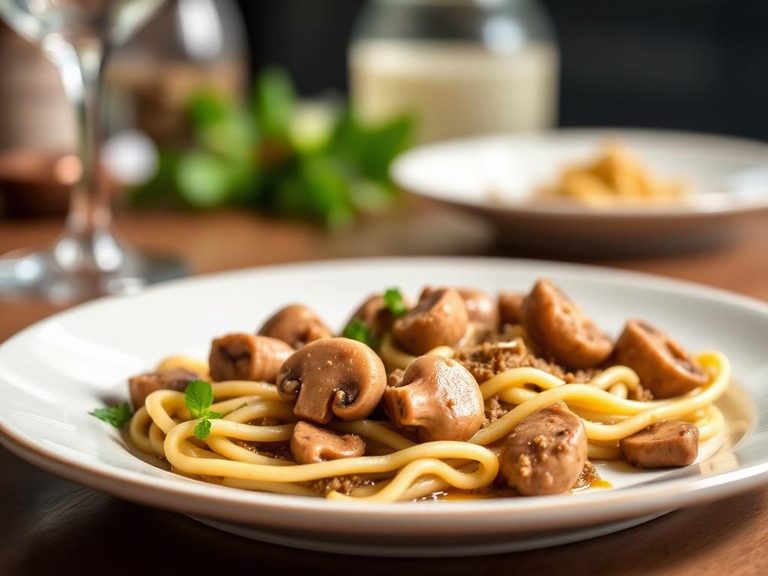
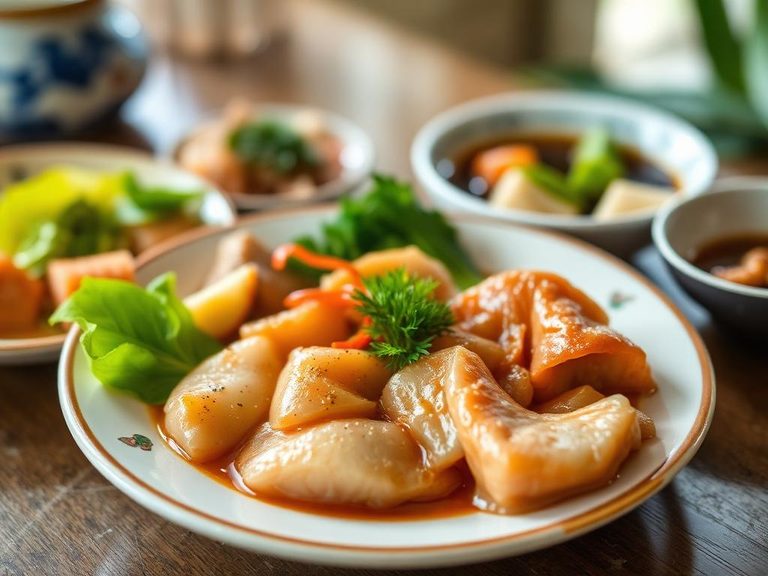
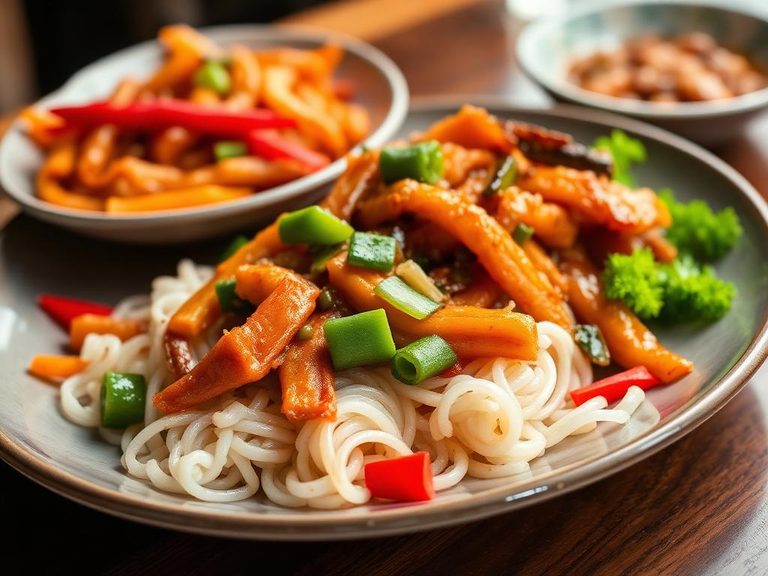
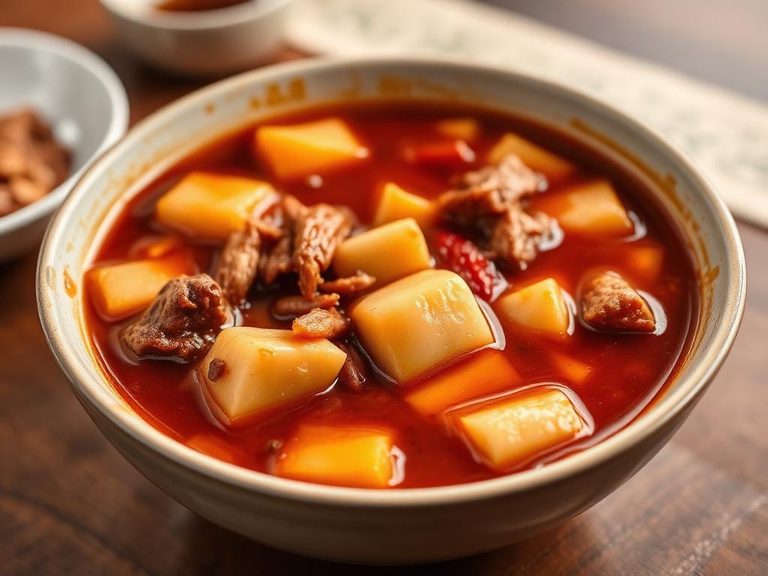
🍽️ Popular dishes
🌍 Where it's eaten
💡 Did you know?
Dried shiitake mushrooms contain significantly higher levels of certain flavor compounds, like guanylate, than fresh ones, which is why they are often preferred by chefs for making stocks and sauces.
Full nutrition (USDA data · scales with serving)
| Water | 9.5 g |
| Energy | 296 kcal |
| Energy | 1238 kj |
| Protein | 9.6 g |
| Total lipid (fat) | 0.99 g |
| Ash | 4.6 g |
| Carbohydrate, by difference | 75.4 g |
| Fiber, total dietary | 11.5 g |
| Total Sugars | 2.2 g |
| Calcium, Ca | 11.0 mg |
| Iron, Fe | 1.7 mg |
| Magnesium, Mg | 132 mg |
| Phosphorus, P | 294 mg |
| Potassium, K | 1534 mg |
| Sodium, Na | 13.0 mg |
| Zinc, Zn | 7.7 mg |
| Copper, Cu | 5.2 mg |
| Manganese, Mn | 1.2 mg |
| Selenium, Se | 46.1 ug |
| Vitamin C, total ascorbic acid | 3.5 mg |
| Thiamin | 0.30 mg |
| Riboflavin | 1.3 mg |
| Niacin | 14.1 mg |
| Pantothenic acid | 21.9 mg |
| Vitamin B-6 | 0.96 mg |
| Folate, total | 163 ug |
| Folic acid | 0.00 ug |
| Folate, food | 163 ug |
| Folate, DFE | 163 ug |
| Choline, total | 202 mg |
| Vitamin B-12 | 0.00 ug |
| Vitamin B-12, added | 0.00 ug |
| Vitamin A, RAE | 0.00 ug |
| Retinol | 0.00 ug |
| Carotene, beta | 0.00 ug |
| Carotene, alpha | 0.00 ug |
| Cryptoxanthin, beta | 0.00 ug |
| Vitamin A, IU | 0.00 iu |
| Lycopene | 0.00 ug |
| Lutein + zeaxanthin | 0.00 ug |
| Vitamin E (alpha-tocopherol) | 0.00 mg |
| Vitamin E, added | 0.00 mg |
| Vitamin D (D2 + D3), International Units | 154 iu |
| Vitamin D (D2 + D3) | 3.9 ug |
| Vitamin D2 (ergocalciferol) | 3.9 ug |
| Vitamin D3 (cholecalciferol) | 0.00 ug |
| Vitamin K (phylloquinone) | 0.00 ug |
| Alcohol, ethyl | 0.00 g |
| Caffeine | 0.00 mg |
| Theobromine | 0.00 mg |
Fat & fatty acid profile (per 100g)
| Fatty acids, total saturated | 0.23 g |
| SFA 4:0 | 0.00 g |
| SFA 6:0 | 0.00 g |
| SFA 8:0 | 0.00 g |
| SFA 10:0 | 0.02 g |
| SFA 12:0 | 0.01 g |
| SFA 14:0 | 0.02 g |
| SFA 16:0 | 0.12 g |
| SFA 18:0 | 0.05 g |
| Fatty acids, total monounsaturated | 0.32 g |
| MUFA 16:1 | 0.09 g |
| MUFA 18:1 | 0.15 g |
| MUFA 20:1 | 0.00 g |
| MUFA 22:1 | 0.08 g |
| Fatty acids, total polyunsaturated | 0.15 g |
| PUFA 18:2 | 0.14 g |
| PUFA 18:3 | 0.01 g |
| PUFA 18:4 | 0.00 g |
| PUFA 20:4 | 0.00 g |
| PUFA 20:5 n-3 (EPA) | 0.00 g |
| PUFA 22:5 n-3 (DPA) | 0.00 g |
| PUFA 22:6 n-3 (DHA) | 0.00 g |
| Fatty acids, total trans | 0.00 g |
| Cholesterol | 0.00 mg |
| Stigmasterol | 0.00 mg |
| Campesterol | 20.0 mg |
| Beta-sitosterol | 0.00 mg |
Amino acid profile (per 100g)
| Tryptophan | 0.03 g |
| Threonine | 0.50 g |
| Isoleucine | 0.41 g |
| Leucine | 0.68 g |
| Lysine | 0.34 g |
| Methionine | 0.18 g |
| Cystine | 0.20 g |
| Phenylalanine | 0.49 g |
| Tyrosine | 0.32 g |
| Valine | 0.49 g |
| Arginine | 0.65 g |
| Histidine | 0.16 g |
| Alanine | 0.57 g |
| Aspartic acid | 0.76 g |
| Glutamic acid | 2.6 g |
| Glycine | 0.41 g |
| Proline | 0.41 g |
| Serine | 0.51 g |
FAQ
How do I rehydrate dried shiitake mushrooms?
Soak them in warm water for 20-30 minutes until soft and pliable. Save the soaking liquid—it's a flavorful broth! Squeeze excess water from the caps before using.
Can I eat the mushroom stems?
The stems can be tough and woody. It's best to remove them before or after rehydrating. However, they can be simmered in stocks to add flavor, then discarded.
What's the difference between dried and fresh shiitake?
Drying concentrates the flavor, creating a more intense, savory taste and chewier texture. Fresh shiitake have a milder flavor and softer texture.
Nutrient density (calculated · NRF9.3)
Nutrient Rich Foods index: beneficial nutrients (protein, fiber, vitamins, minerals) minus saturated fat, added sugar & sodium, per 100 kcal.
NRF9.3 index — Fulgoni, Keast & Drewnowski, 2009. Computed from USDA nutrients.
Weight-loss friendliness (composite index)
Energy density 2.96 kcal/g · 13% calories from protein · 11.5 g fiber · 2.2 g sugar per 100 g.
Composite of energy density (Rolls et al., 1999), protein & fiber satiety, minus sugar. A calculated heuristic — ranks satiety-per-calorie, not a clinical measure.
Dietary load (calculated from USDA values)
Potential renal acid load. Positive = acid-forming, negative = alkaline-forming.
Sodium-to-potassium ratio: 0.01 (lower is better — aim for ≤ 1)
Sodium:potassium per WHO potassium guidance. Computed from USDA nutrients.