Korean Doenjang Jjigae
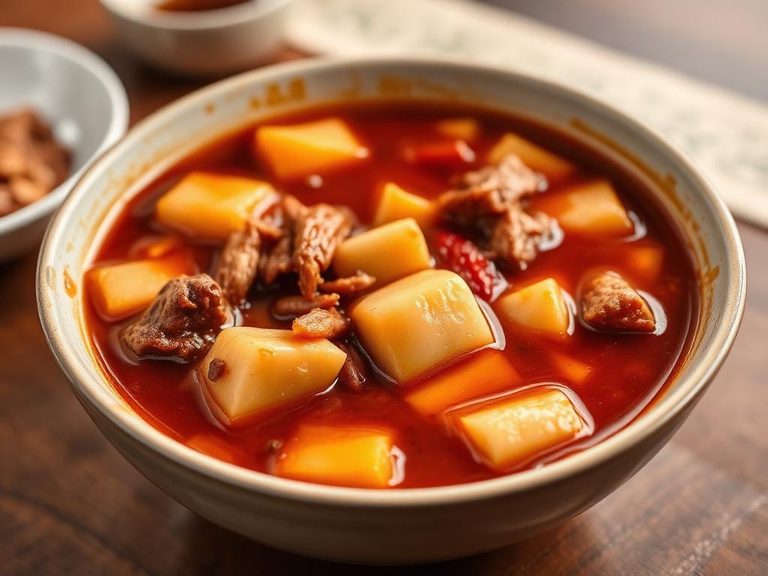
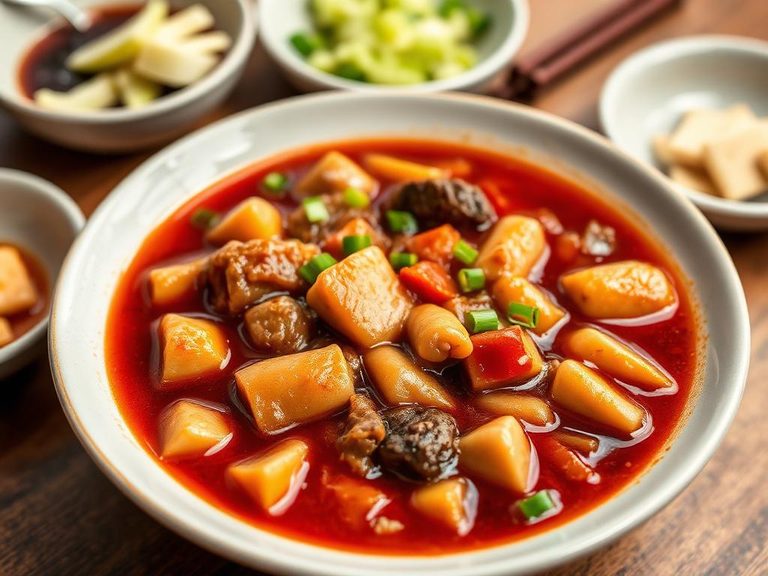
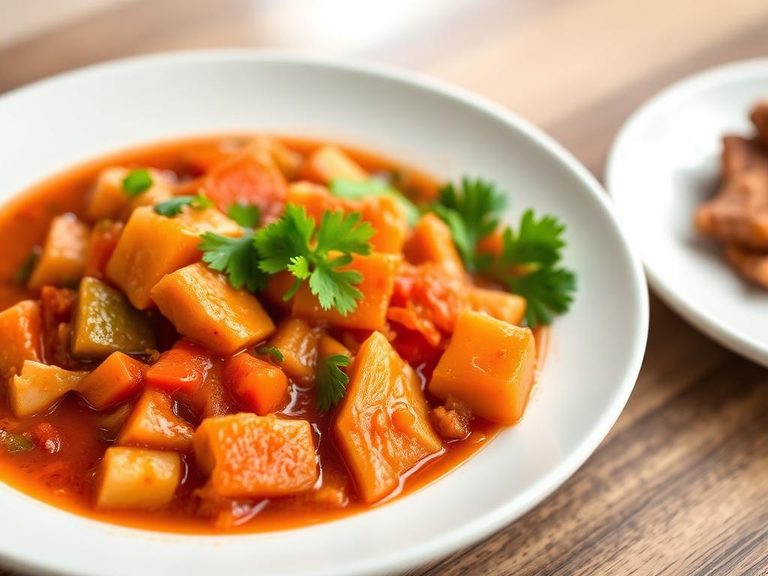
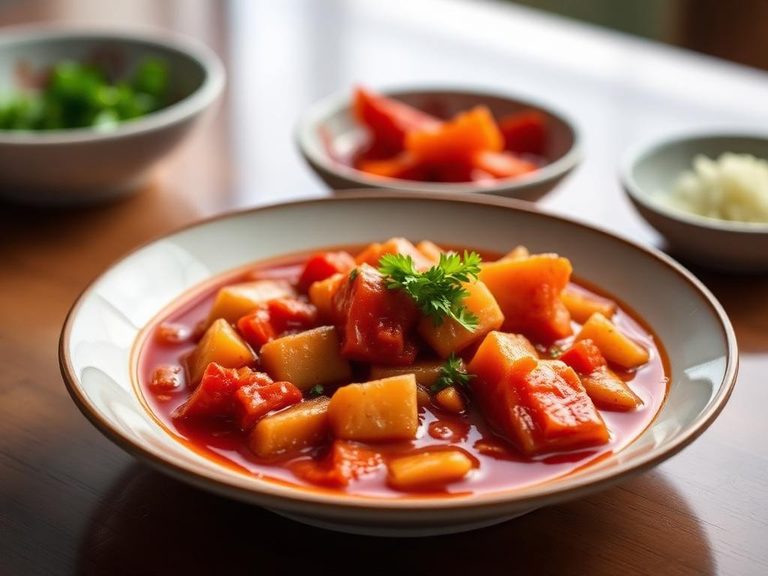
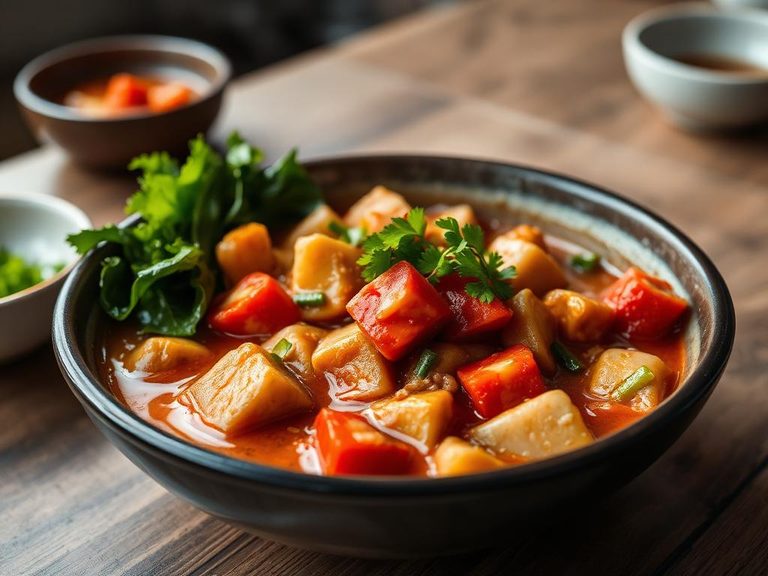
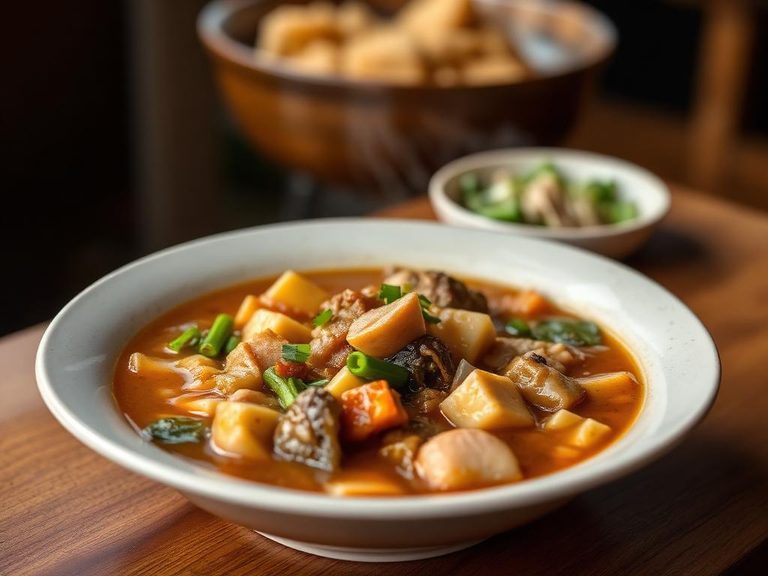
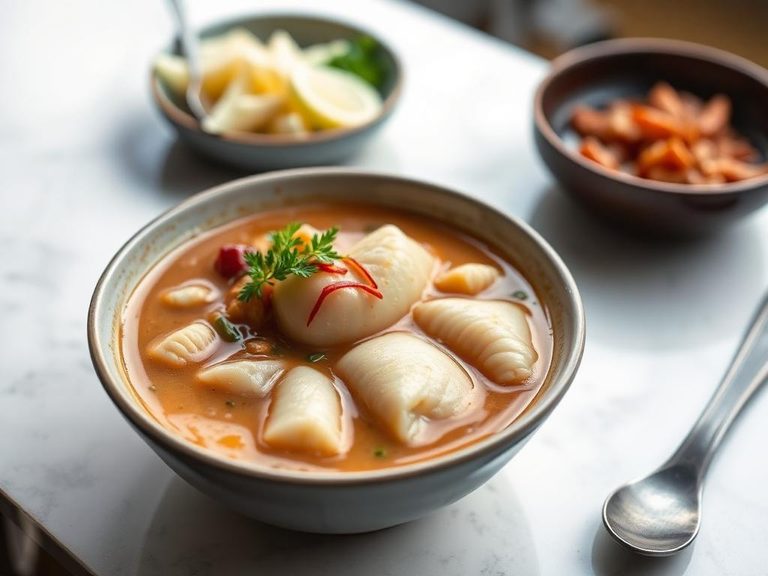
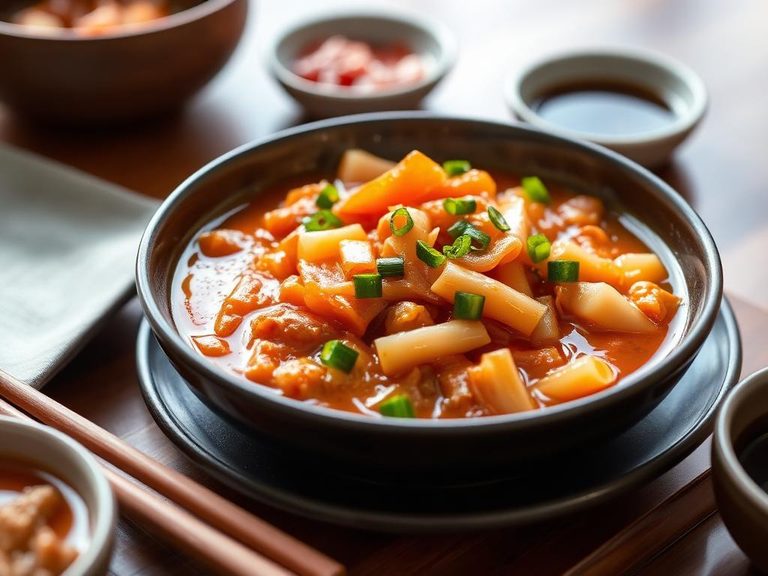
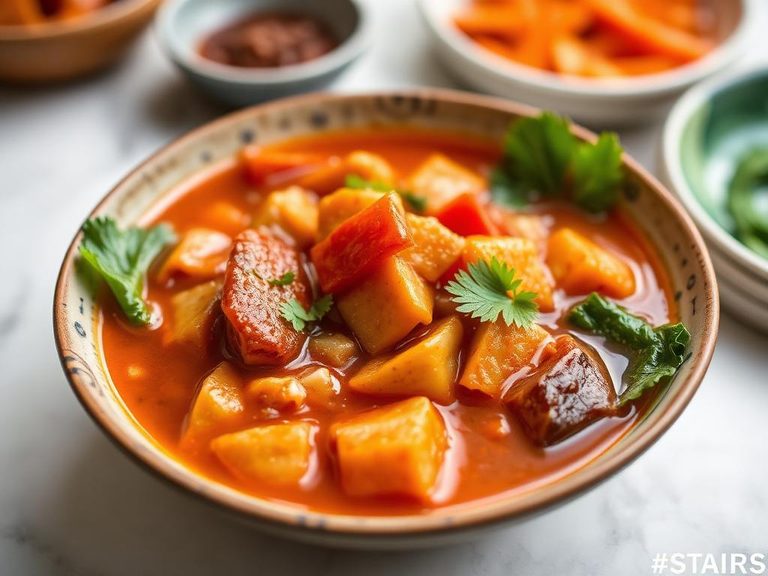
Doenjang Jjigae is a hearty, savory Korean stew centered around fermented soybean paste (doenjang), which gives it a deep, umami-rich flavor. It typically features a medley of ingredients like tofu, vegetables (such as zucchini, onions, and potatoes), and often includes seafood or meat for added depth. This comforting dish is a staple in Korean home cooking and is enjoyed as part of a traditional meal alongside rice and banchan (side dishes).
🍳 View the full Korean Doenjang Jjigae recipe →
🍽️ Nutrition at a glance
Doenjang Jjigae is generally high in protein due to its tofu and fermented soybean paste base, while being moderate in carbohydrates from vegetables and low in fat if lean ingredients are used. A typical serving provides a good amount of dietary fiber, iron, and probiotics from the fermented paste, with a rough calorie ballpark of 150-250 per serving, depending on portion size and specific ingredients.
Nutrition breakdown
| Calories | 180 kcal |
| Protein | 12 g |
| Carbs | 14 g |
| Fat | 8 g |
| Fiber | 3 g |
| Sugar | 4 g |
| Sodium | 1200 mg |
| Potassium | 350 mg |
| Iron | 2.5 mg |
| Calcium | 80 mg |
| Magnesium | 45 mg |
| Phosphorus | 150 mg |
| Vitamin B6 | 0.3 mg |
| Folate | 50 mcg |
| Manganese | 0.8 mg |
Per 1 cup (240 g) · estimated, varies by recipe
💡 What's interesting
Culturally, Doenjang Jjigae is a beloved comfort food in Korea, often associated with home-cooked meals and family gatherings, and its fermentation process enhances both flavor and nutritional benefits. Nutritionally, the doenjang paste is a source of beneficial probiotics and antioxidants, making the stew not only delicious but also supportive of gut health.