Korean Jjigae (Stew)
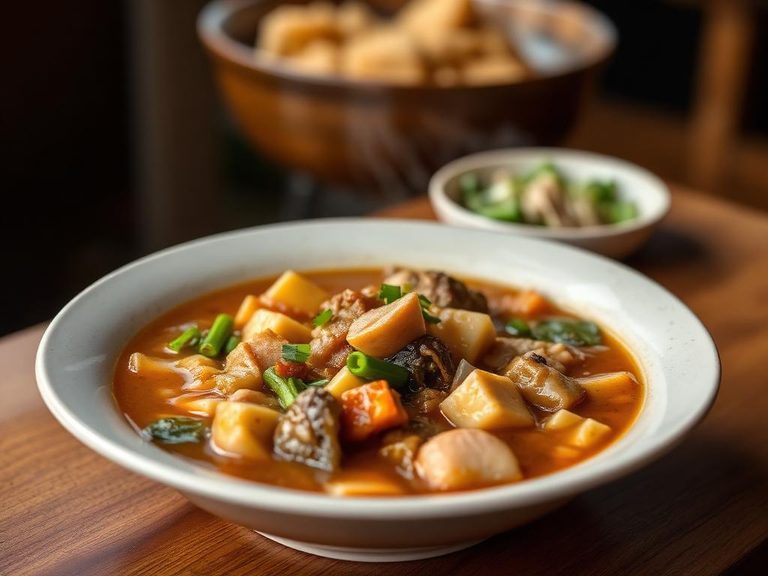
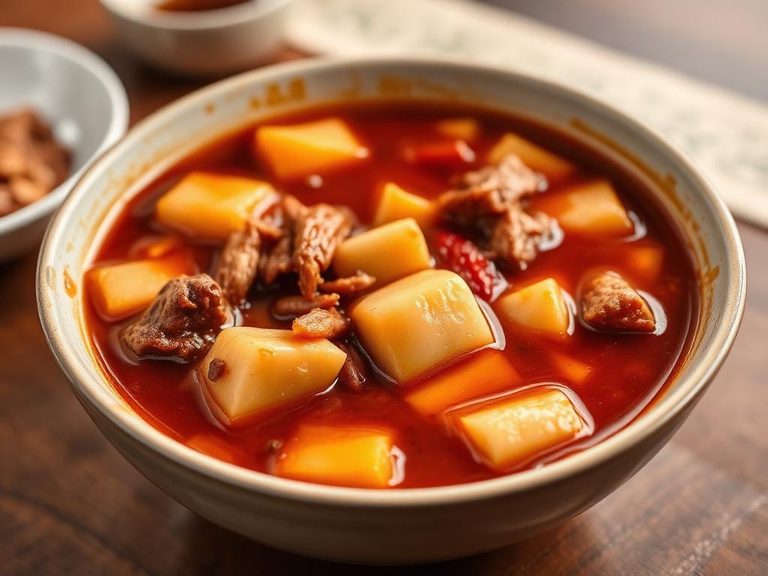
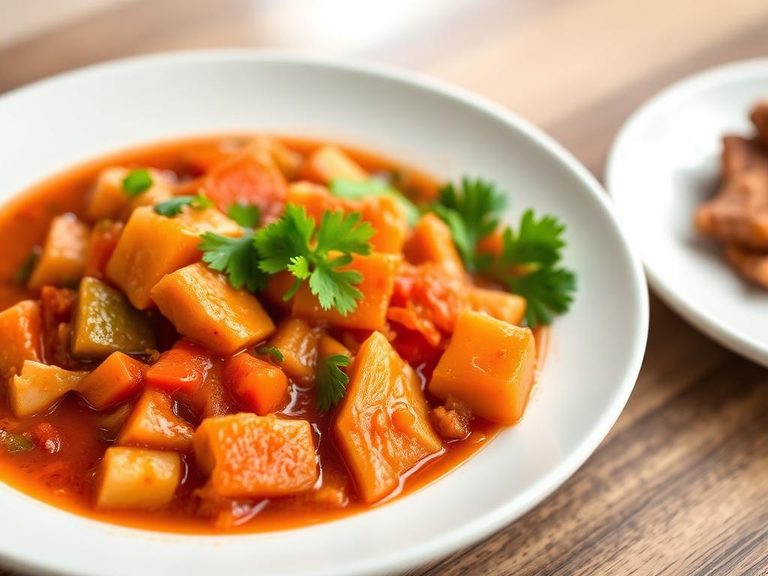
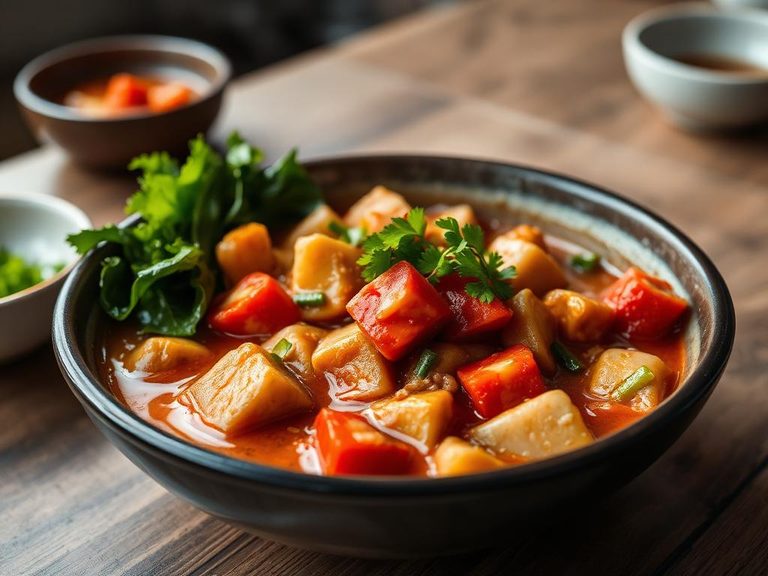
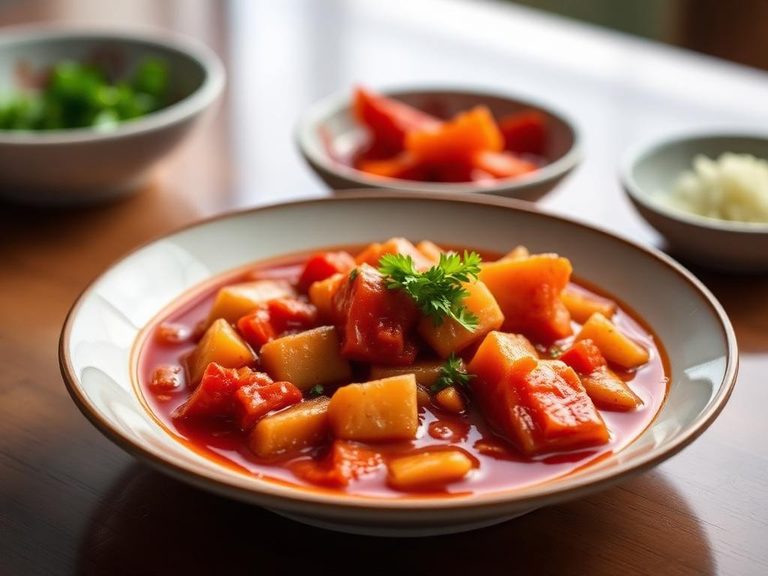
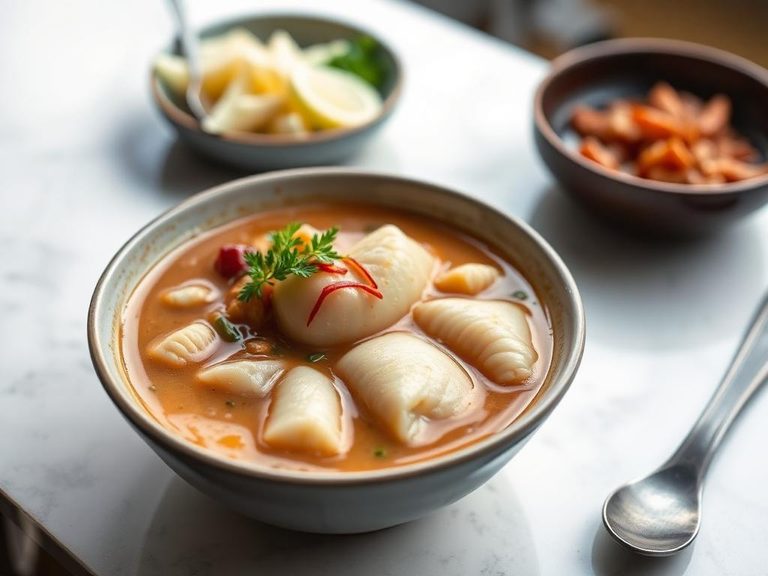
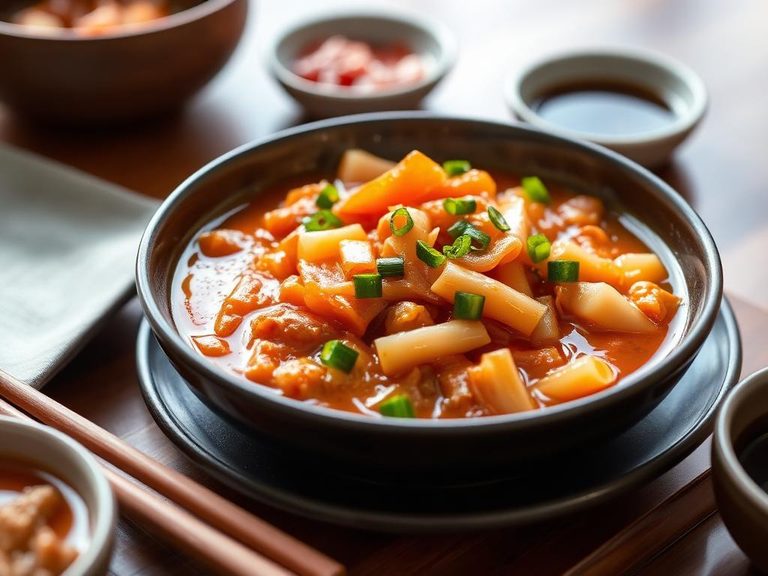
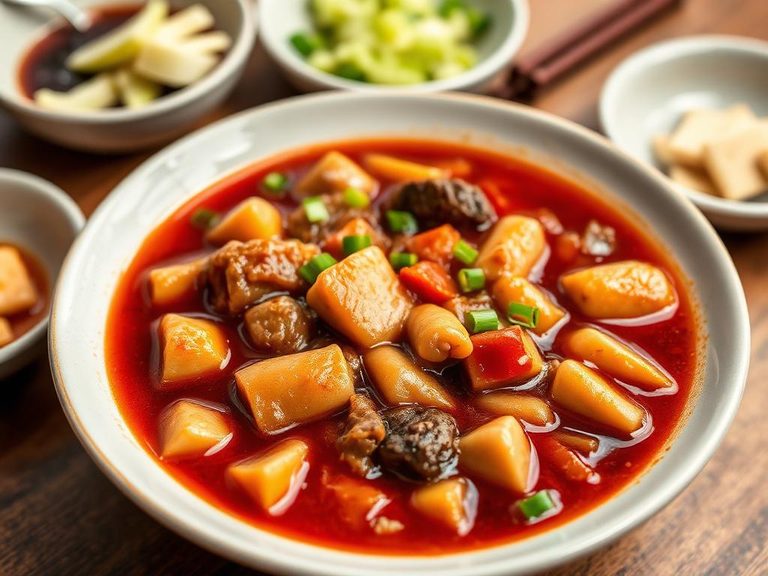
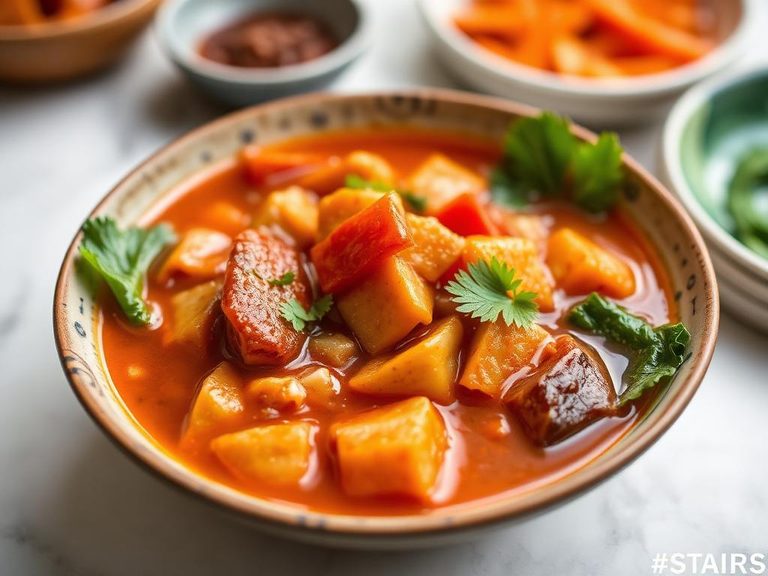
Korean Jjigae is a hearty, soul-warming stew that forms the backbone of a traditional Korean meal, typically served bubbling hot in a stone pot. Its ingredients vary widely, but common versions feature a base of fermented soybean paste (doenjang) or chili paste (gochujang), combined with proteins like pork, tofu, or seafood, and vegetables such as zucchini, onions, and scallions. It originates from Korea and is a staple in both home cooking and restaurants.
🍽️ Nutrition at a glance
Jjigae is generally a balanced, protein-rich dish, with calories typically ranging from 300 to 500 per serving depending on the specific recipe and portion size. It provides a good source of protein from its main ingredients, along with fiber, vitamins, and minerals from the vegetables and fermented pastes, which also offer beneficial probiotics.
Nutrition breakdown
| Calories | 180 kcal |
| Protein | 12 g |
| Carbs | 15 g |
| Fat | 8 g |
| Fiber | 3 g |
| Sugar | 4 g |
| Sodium | 1200 mg |
| Vitamin A | 120 mcg |
| Vitamin C | 15 mg |
| Vitamin B6 | 0.3 mg |
| Niacin (B3) | 4 mg |
| Iron | 2.5 mg |
| Calcium | 80 mg |
| Potassium | 450 mg |
| Phosphorus | 150 mg |
Per 1 cup (240 g) · estimated, varies by recipe
💡 What's interesting
Culturally, Jjigae is a communal dish that embodies the Korean concept of 'jeong' (deep connection and affection), often shared from a single pot at the center of the table. Nutritionally, the fermentation process of the base pastes not only adds deep umami flavor but also enhances the bioavailability of nutrients and contributes to gut health.