

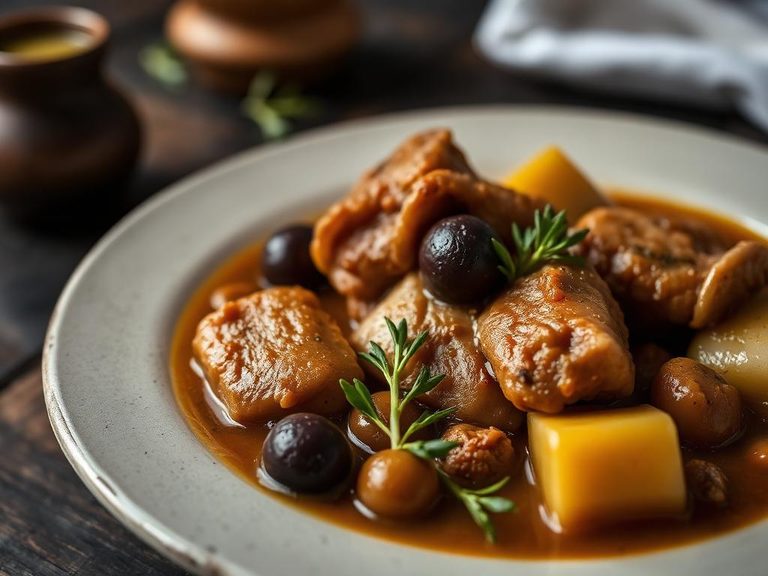
Game meat, rabbit, domesticated, composite of cuts, cooked, stewed
Whole food · Lamb, Veal, and Game Products

Photo: Wikipedia
Domesticated rabbit stewed until fork-tender offers a delicate, mildly sweet flavor with a texture that melts apart, similar to a fine, lean chicken thigh. Its nutritional profile is a powerhouse of high-quality protein with virtually no carbohydrates, making it a clean, efficient fuel source for the body.
Calorie split: 62% protein · 0% carbs · 38% fat
↓ Full nutrition💚 Why it's loved
People cherish it for its subtle, clean flavor that acts as a perfect canvas for herbs and sauces, and its remarkable versatility in both rustic stews and refined preparations.
⚠️ Watch-outs & how to enjoy it better
The very leanness can make it prone to dryness if overcooked, and some may find its mild taste unexciting without bold seasoning. To counteract dryness, always use moist-heat methods like stewing or braising, and ensure it's cooked just until tender.
Key benefits
- Exceptionally high in lean protein per calorie
- Naturally zero-carbohydrate and sugar-free
- Rich in B vitamins, especially B12 and niacin
- Good source of essential minerals like selenium and phosphorus
🍽️ Popular dishes
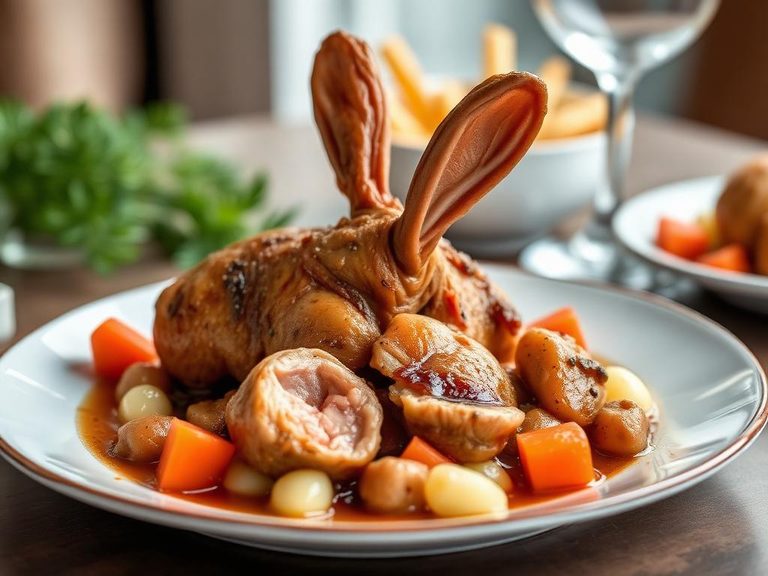
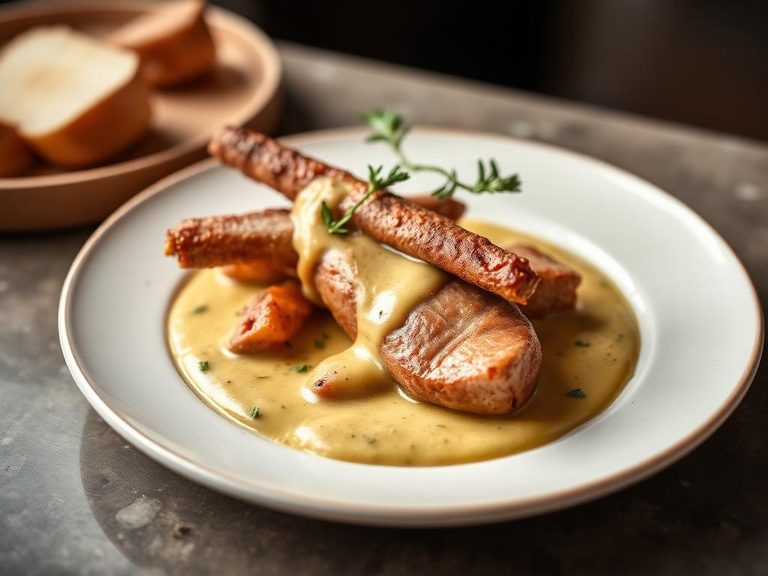
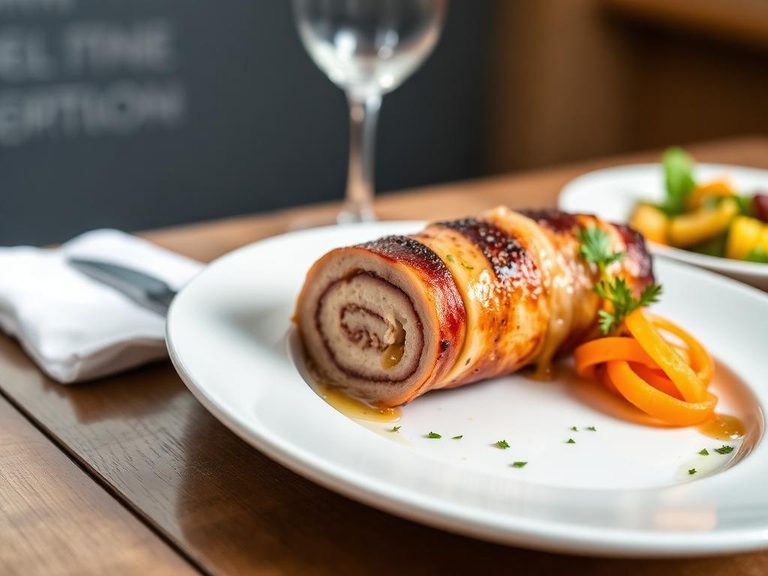
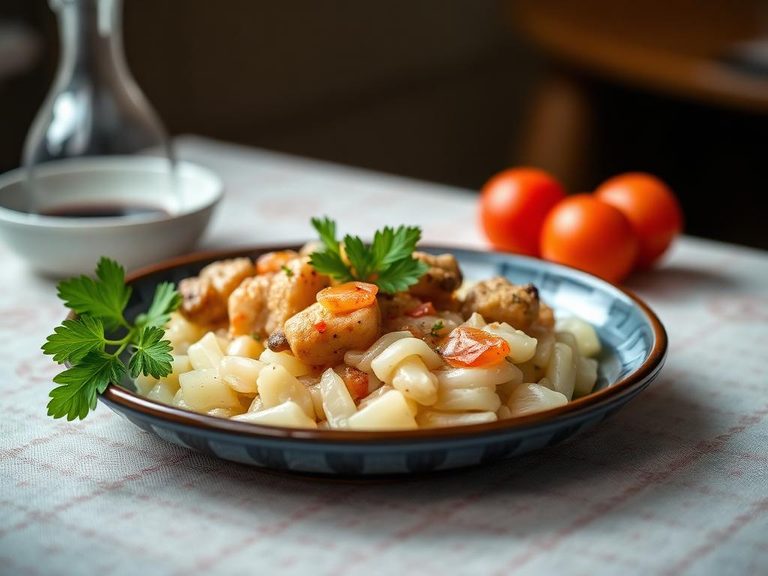
🌍 Where it's eaten
💡 Did you know?
Rabbit meat is one of the few traditional meats not listed in the Christian Bible's dietary laws, which is why it was historically a common protein source for European peasants during Lent.
Full nutrition (USDA data · scales with serving)
| Water | 58.8 g |
| Energy | 206 kcal |
| Energy | 862 kj |
| Protein | 30.4 g |
| Total lipid (fat) | 8.4 g |
| Ash | 1.1 g |
| Carbohydrate, by difference | 0.00 g |
| Fiber, total dietary | 0.00 g |
| Total Sugars | 0.00 g |
| Calcium, Ca | 20.0 mg |
| Iron, Fe | 2.4 mg |
| Magnesium, Mg | 20.0 mg |
| Phosphorus, P | 226 mg |
| Potassium, K | 300 mg |
| Sodium, Na | 37.0 mg |
| Zinc, Zn | 2.4 mg |
| Copper, Cu | 0.18 mg |
| Manganese, Mn | 0.03 mg |
| Selenium, Se | 38.5 ug |
| Vitamin C, total ascorbic acid | 0.00 mg |
| Thiamin | 0.06 mg |
| Riboflavin | 0.17 mg |
| Niacin | 7.2 mg |
| Pantothenic acid | 0.67 mg |
| Vitamin B-6 | 0.34 mg |
| Folate, total | 9.0 ug |
| Folic acid | 0.00 ug |
| Folate, food | 9.0 ug |
| Folate, DFE | 9.0 ug |
| Choline, total | 121 mg |
| Betaine | 15.9 mg |
| Vitamin B-12 | 6.5 ug |
| Vitamin B-12, added | 0.00 ug |
| Vitamin A, RAE | 0.00 ug |
| Retinol | 0.00 ug |
| Carotene, beta | 0.00 ug |
| Carotene, alpha | 0.00 ug |
| Cryptoxanthin, beta | 0.00 ug |
| Vitamin A, IU | 0.00 iu |
| Lycopene | 0.00 ug |
| Lutein + zeaxanthin | 0.00 ug |
| Vitamin E (alpha-tocopherol) | 0.44 mg |
| Vitamin E, added | 0.00 mg |
| Vitamin D (D2 + D3), International Units | 0.00 iu |
| Vitamin D (D2 + D3) | 0.00 ug |
| Vitamin D3 (cholecalciferol) | 0.00 ug |
| Vitamin K (phylloquinone) | 1.6 ug |
| Vitamin K (Dihydrophylloquinone) | 0.00 ug |
| Alcohol, ethyl | 0.00 g |
| Caffeine | 0.00 mg |
| Theobromine | 0.00 mg |
Fat & fatty acid profile (per 100g)
| Fatty acids, total saturated | 2.5 g |
| SFA 4:0 | 0.00 g |
| SFA 6:0 | 0.00 g |
| SFA 8:0 | 0.00 g |
| SFA 10:0 | 0.00 g |
| SFA 12:0 | 0.00 g |
| SFA 14:0 | 0.22 g |
| SFA 16:0 | 1.9 g |
| SFA 18:0 | 0.39 g |
| Fatty acids, total monounsaturated | 2.3 g |
| MUFA 16:1 | 0.28 g |
| MUFA 18:1 | 1.9 g |
| MUFA 20:1 | 0.00 g |
| MUFA 22:1 | 0.00 g |
| Fatty acids, total polyunsaturated | 1.6 g |
| PUFA 18:2 | 1.3 g |
| PUFA 18:3 | 0.34 g |
| PUFA 18:4 | 0.00 g |
| PUFA 20:4 | 0.00 g |
| PUFA 20:5 n-3 (EPA) | 0.00 g |
| PUFA 22:5 n-3 (DPA) | 0.00 g |
| PUFA 22:6 n-3 (DHA) | 0.00 g |
| Cholesterol | 86.0 mg |
Amino acid profile (per 100g)
| Tryptophan | 0.40 g |
| Threonine | 1.4 g |
| Isoleucine | 1.4 g |
| Leucine | 2.4 g |
| Lysine | 2.7 g |
| Methionine | 0.76 g |
| Cystine | 0.38 g |
| Phenylalanine | 1.2 g |
| Tyrosine | 1.1 g |
| Valine | 1.5 g |
| Arginine | 1.9 g |
| Histidine | 0.85 g |
| Alanine | 1.8 g |
| Aspartic acid | 3.0 g |
| Glutamic acid | 4.9 g |
| Glycine | 1.6 g |
| Proline | 1.5 g |
| Serine | 1.3 g |
FAQ
How does the taste of rabbit compare to chicken?
Rabbit is often described as a cross between chicken and a mild game bird like pheasant. It's slightly sweeter and more delicate than chicken, with a finer grain and a texture that becomes exceptionally tender when stewed.
Is rabbit meat considered red meat or white meat?
While it's a mammal (like red meat), rabbit is culinarily and nutritionally classified as white meat due to its pale color, low fat content, and high protein density, similar to poultry.
Why is rabbit sometimes called 'poor man's meat'?
Historically, rabbits were easy and inexpensive to raise in small hutches, providing a reliable source of protein for families with limited resources, especially in rural Europe.
Nutrient density (calculated · NRF9.3)
Nutrient Rich Foods index: beneficial nutrients (protein, fiber, vitamins, minerals) minus saturated fat, added sugar & sodium, per 100 kcal.
NRF9.3 index — Fulgoni, Keast & Drewnowski, 2009. Computed from USDA nutrients.
Weight-loss friendliness (composite index)
Energy density 2.06 kcal/g · 59% calories from protein · 0.0 g fiber · 0.0 g sugar per 100 g.
Composite of energy density (Rolls et al., 1999), protein & fiber satiety, minus sugar. A calculated heuristic — ranks satiety-per-calorie, not a clinical measure.
Dietary load (calculated from USDA values)
Potential renal acid load. Positive = acid-forming, negative = alkaline-forming.
Sodium-to-potassium ratio: 0.12 (lower is better — aim for ≤ 1)
Sodium:potassium per WHO potassium guidance. Computed from USDA nutrients.