

Game meat, caribou, cooked, roasted
Whole food · Lamb, Veal, and Game Products

Photo: Wikipedia
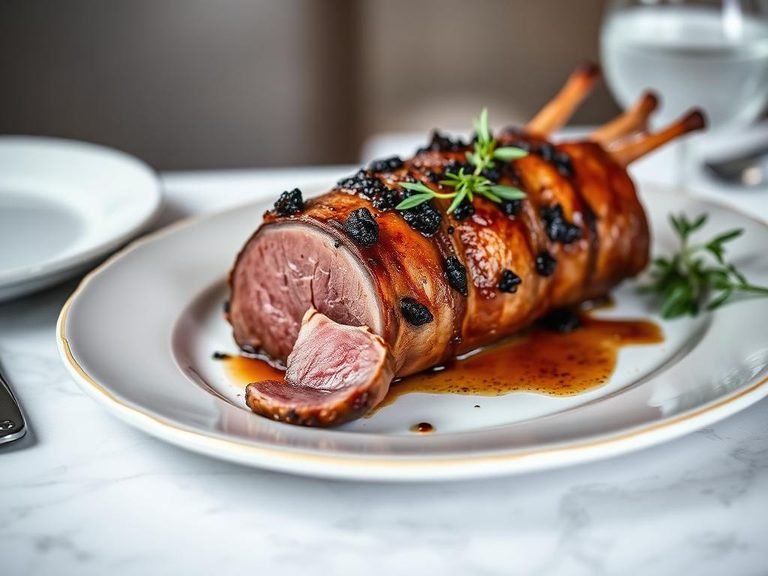
Caribou meat, when roasted, offers a lean, deeply flavorful experience with a texture that is finer-grained and less gamey than beef, often described as a rich, slightly sweet, and earthy red meat. Its standout nutritional feature is its exceptional protein density—nearly 30 grams per 100 grams—while being virtually free of carbohydrates and sugars, making it a powerhouse for muscle maintenance and low-carb diets.
Calorie split: 75% protein · 0% carbs · 25% fat
↓ Full nutrition💚 Why it's loved
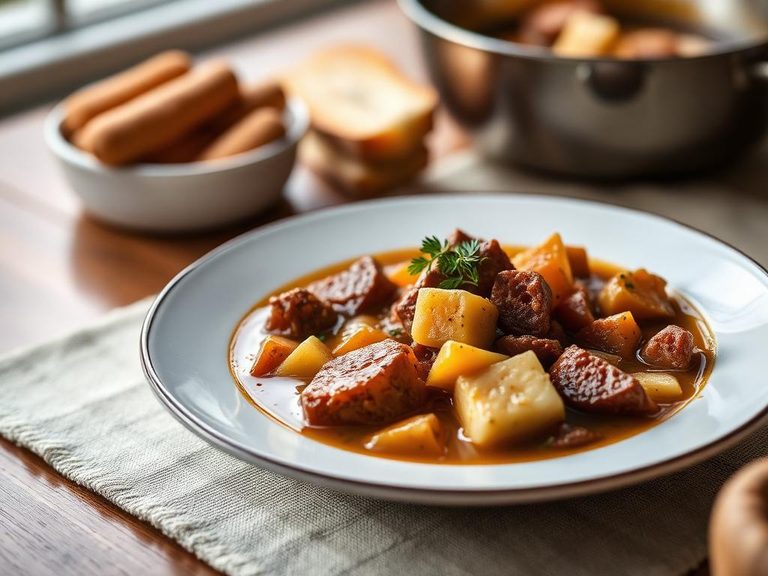
People cherish caribou for its unique, nuanced flavor that evokes the northern wilderness—more complex than beef but milder than other game meats. Its versatility shines in everything from simple roasted steaks to hearty stews, and it holds deep cultural significance for Indigenous Arctic communities as a traditional, sustainable food source.
⚠️ Watch-outs & how to enjoy it better
Its very leanness can lead to dryness if overcooked, which is a common pitfall for those used to fattier meats. To counteract this, use a meat thermometer, cook to medium-rare (130-135°F), and consider basting with a small amount of fat like butter or oil. Some may also find its strong flavor unfamiliar; pairing it with bold marinades or fruit-based sauces (like lingonberry) can help bridge the gap.
Key benefits
- Extremely high in protein per calorie.
- Naturally very low in fat and contains zero carbohydrates.
- Rich in iron and B vitamins, supporting energy metabolism.
- A lean, wild-sourced alternative to conventional red meats.
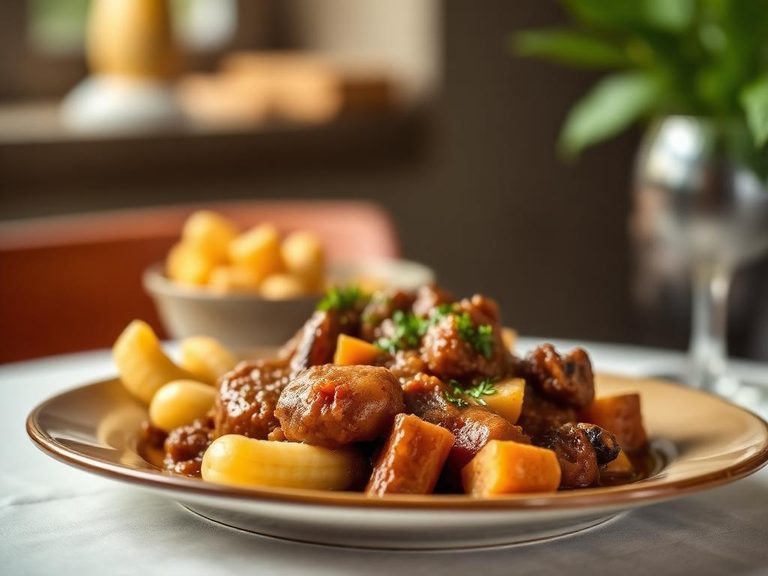
🍽️ Popular dishes
🌍 Where it's eaten
💡 Did you know?
A single adult caribou can migrate over 3,000 miles annually, making its meat one of the most well-traveled proteins on the planet before it even reaches a plate.
Full nutrition (USDA data · scales with serving)
| Water | 62.4 g |
| Energy | 167 kcal |
| Energy | 699 kj |
| Protein | 29.8 g |
| Total lipid (fat) | 4.4 g |
| Ash | 1.5 g |
| Carbohydrate, by difference | 0.00 g |
| Fiber, total dietary | 0.00 g |
| Total Sugars | 0.00 g |
| Calcium, Ca | 22.0 mg |
| Iron, Fe | 6.2 mg |
| Magnesium, Mg | 27.0 mg |
| Phosphorus, P | 233 mg |
| Potassium, K | 310 mg |
| Sodium, Na | 60.0 mg |
| Zinc, Zn | 5.3 mg |
| Copper, Cu | 0.26 mg |
| Manganese, Mn | 0.09 mg |
| Selenium, Se | 13.6 ug |
| Vitamin C, total ascorbic acid | 3.0 mg |
| Thiamin | 0.25 mg |
| Riboflavin | 0.90 mg |
| Niacin | 5.8 mg |
| Pantothenic acid | 2.7 mg |
| Vitamin B-6 | 0.32 mg |
| Folate, total | 5.0 ug |
| Folic acid | 0.00 ug |
| Folate, food | 5.0 ug |
| Folate, DFE | 5.0 ug |
| Choline, total | 123 mg |
| Betaine | 16.1 mg |
| Vitamin B-12 | 6.6 ug |
| Vitamin B-12, added | 0.00 ug |
| Vitamin A, RAE | 0.00 ug |
| Retinol | 0.00 ug |
| Carotene, beta | 0.00 ug |
| Carotene, alpha | 0.00 ug |
| Cryptoxanthin, beta | 0.00 ug |
| Vitamin A, IU | 0.00 iu |
| Lycopene | 0.00 ug |
| Lutein + zeaxanthin | 0.00 ug |
| Vitamin E (alpha-tocopherol) | 0.40 mg |
| Vitamin E, added | 0.00 mg |
| Vitamin D (D2 + D3), International Units | 0.00 iu |
| Vitamin D (D2 + D3) | 0.00 ug |
| Vitamin D3 (cholecalciferol) | 0.00 ug |
| Vitamin K (phylloquinone) | 1.4 ug |
| Vitamin K (Dihydrophylloquinone) | 0.00 ug |
| Alcohol, ethyl | 0.00 g |
| Caffeine | 0.00 mg |
| Theobromine | 0.00 mg |
Fat & fatty acid profile (per 100g)
| Fatty acids, total saturated | 1.7 g |
| SFA 4:0 | 0.00 g |
| SFA 6:0 | 0.00 g |
| SFA 8:0 | 0.00 g |
| SFA 10:0 | 0.00 g |
| SFA 12:0 | 0.00 g |
| SFA 14:0 | 0.12 g |
| SFA 16:0 | 0.89 g |
| SFA 18:0 | 0.59 g |
| Fatty acids, total monounsaturated | 1.3 g |
| MUFA 16:1 | 0.11 g |
| MUFA 18:1 | 1.2 g |
| MUFA 20:1 | 0.00 g |
| MUFA 22:1 | 0.00 g |
| Fatty acids, total polyunsaturated | 0.62 g |
| PUFA 18:2 | 0.31 g |
| PUFA 18:3 | 0.03 g |
| PUFA 18:4 | 0.00 g |
| PUFA 20:4 | 0.18 g |
| PUFA 20:5 n-3 (EPA) | 0.00 g |
| PUFA 22:5 n-3 (DPA) | 0.03 g |
| PUFA 22:6 n-3 (DHA) | 0.06 g |
| Cholesterol | 109 mg |
Amino acid profile (per 100g)
| Tryptophan | 0.46 g |
| Threonine | 1.3 g |
| Isoleucine | 1.3 g |
| Leucine | 2.5 g |
| Lysine | 2.7 g |
| Methionine | 0.67 g |
| Cystine | 0.21 g |
| Phenylalanine | 1.3 g |
| Tyrosine | 0.98 g |
| Valine | 1.4 g |
| Arginine | 1.8 g |
| Histidine | 1.2 g |
| Alanine | 1.6 g |
| Aspartic acid | 2.6 g |
| Glutamic acid | 4.7 g |
| Glycine | 1.2 g |
| Proline | 0.93 g |
| Serine | 1.0 g |
FAQ
How does caribou meat taste compared to beef or venison?
Caribou is leaner and finer-grained than beef, with a milder, sweeter, and less 'gamey' flavor than venison. It has a distinct, clean, earthy taste often compared to grass-fed beef but with a unique, slightly mineral finish.
What's the best way to cook caribou to avoid it being tough or dry?
Due to its low fat content, caribou cooks quickly and dries out easily. The best methods are high-heat, short-duration cooking like roasting, grilling, or pan-searing to an internal temperature of 130-135°F (medium-rare). Always let it rest after cooking, and consider a marinade or a pan sauce to add moisture.
Is caribou meat sustainable to eat?
When sourced from well-managed herds (like those in Canada, Alaska, or Scandinavia), caribou can be a sustainable protein choice. Indigenous harvesting practices are often based on deep ecological knowledge and seasonal cycles. However, some wild herds are under pressure from climate change and habitat loss, so sourcing from certified, sustainable operations is recommended.
Nutrient density (calculated · NRF9.3)
Nutrient Rich Foods index: beneficial nutrients (protein, fiber, vitamins, minerals) minus saturated fat, added sugar & sodium, per 100 kcal.
NRF9.3 index — Fulgoni, Keast & Drewnowski, 2009. Computed from USDA nutrients.
Weight-loss friendliness (composite index)
Energy density 1.67 kcal/g · 71% calories from protein · 0.0 g fiber · 0.0 g sugar per 100 g.
Composite of energy density (Rolls et al., 1999), protein & fiber satiety, minus sugar. A calculated heuristic — ranks satiety-per-calorie, not a clinical measure.
Dietary load (calculated from USDA values)
Potential renal acid load. Positive = acid-forming, negative = alkaline-forming.
Sodium-to-potassium ratio: 0.19 (lower is better — aim for ≤ 1)
Sodium:potassium per WHO potassium guidance. Computed from USDA nutrients.