Caribou Stew
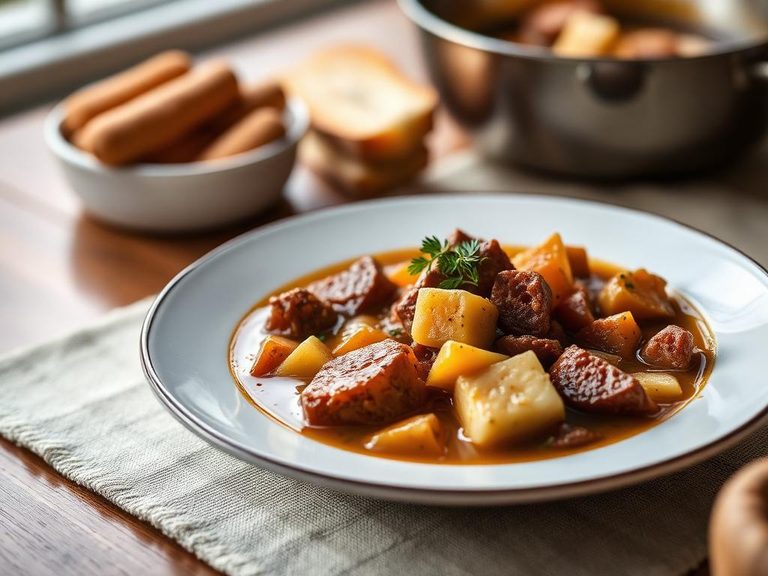
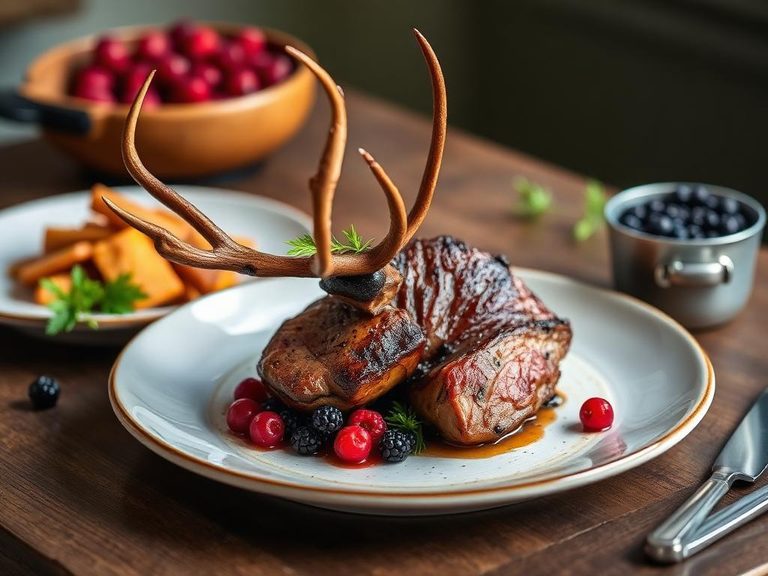
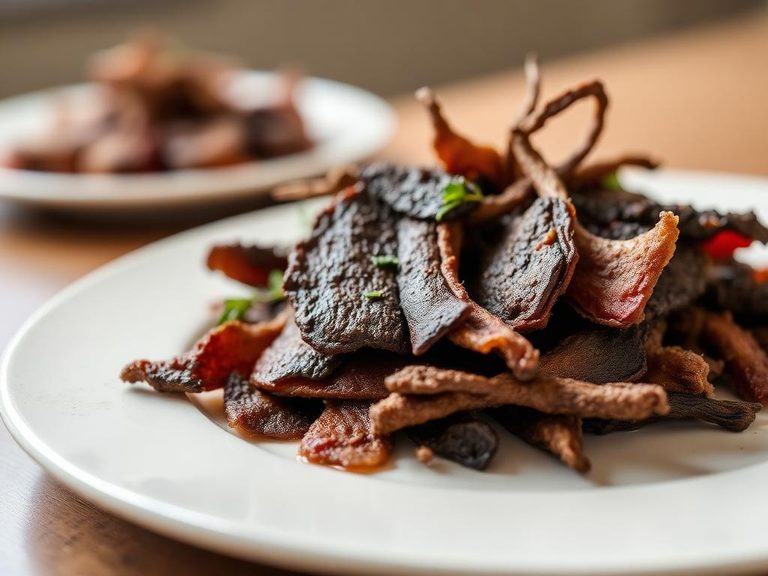
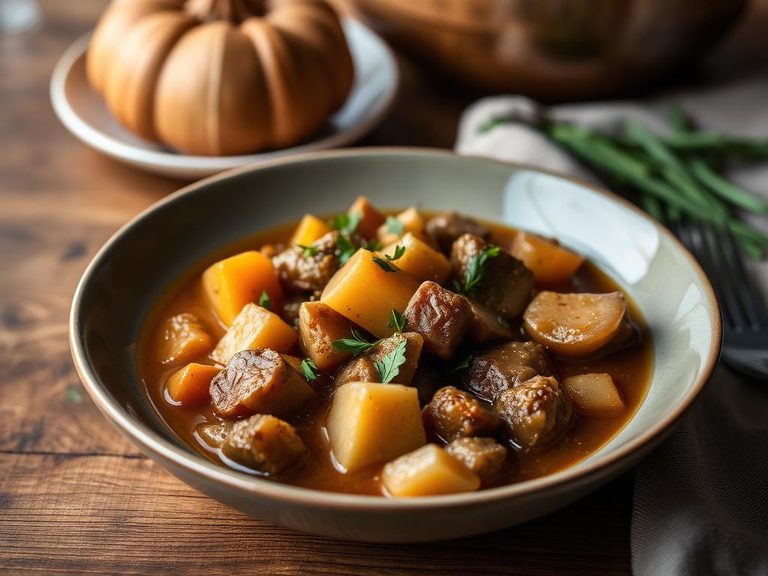
Caribou stew is a hearty, traditional dish made from the lean meat of caribou (a North American subspecies of reindeer), slow-cooked with root vegetables, herbs, and often a rich broth. It is a staple in Arctic and subarctic regions, particularly among Indigenous communities in Canada, Alaska, and Greenland, where caribou is a key source of sustenance. The stew is known for its robust, gamey flavor and warming qualities, making it ideal for cold climates.
🍽️ Nutrition at a glance
Caribou stew is high in protein and low in carbohydrates, providing a substantial amount of iron, B vitamins, and zinc from the meat, along with fiber and vitamins from the vegetables. A typical serving contains roughly 300-400 calories, depending on the recipe and portion size.
Nutrition breakdown
| Calories | 350 kcal |
| Protein | 32 g |
| Carbs | 18 g |
| Fat | 14 g |
| Fiber | 4 g |
| Sugar | 5 g |
| Sodium | 480 mg |
| Iron | 4.5 mg |
| Zinc | 6.2 mg |
| Potassium | 620 mg |
| Vitamin B12 | 8.1 mcg |
| Niacin (B3) | 7.8 mg |
| Phosphorus | 280 mg |
| Selenium | 24 mcg |
| Vitamin B6 | 0.6 mg |
Per 1 cup (240 g) · estimated, varies by recipe
💡 What's interesting
Culturally, caribou stew represents a deep connection to traditional hunting practices and seasonal migrations of Indigenous peoples, often prepared during communal gatherings. Nutritionally, caribou meat is exceptionally lean and nutrient-dense, offering more iron and protein per calorie than many conventional meats like beef.