Caribou eye with berries
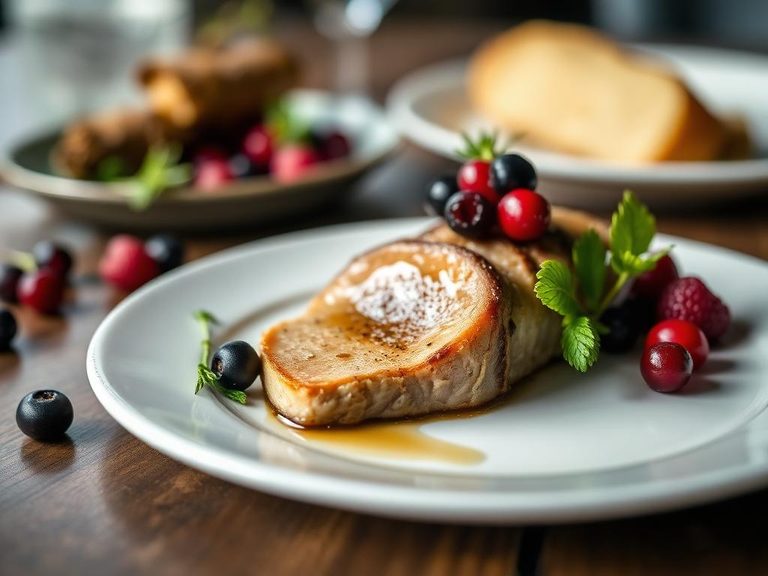
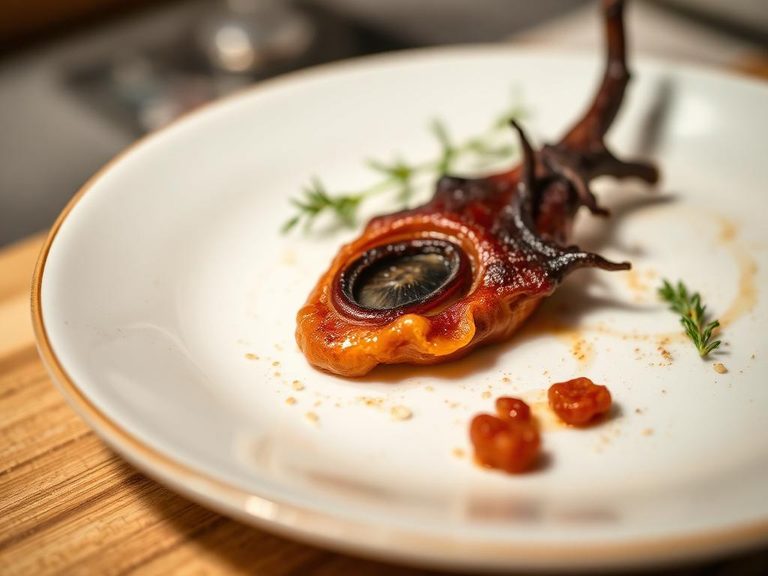
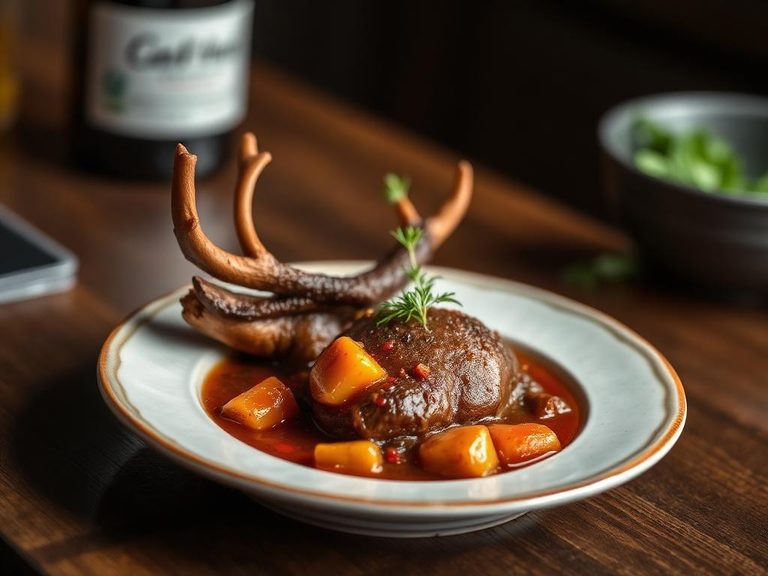
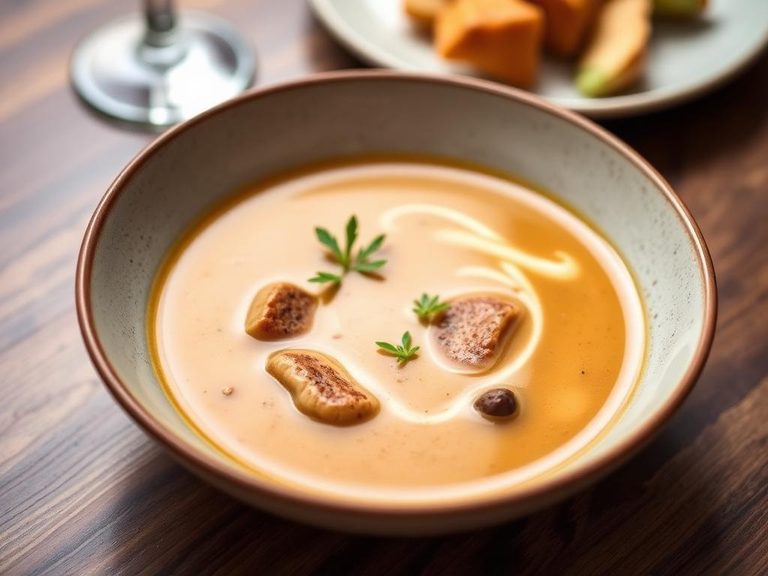
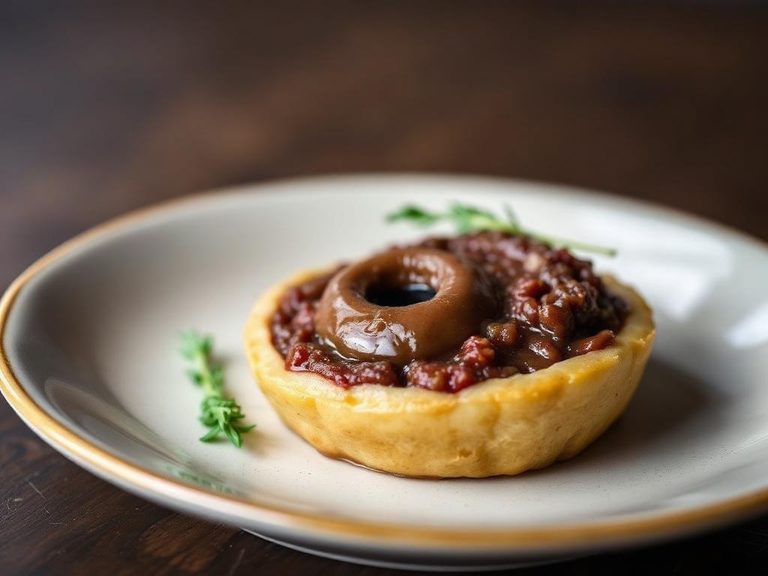
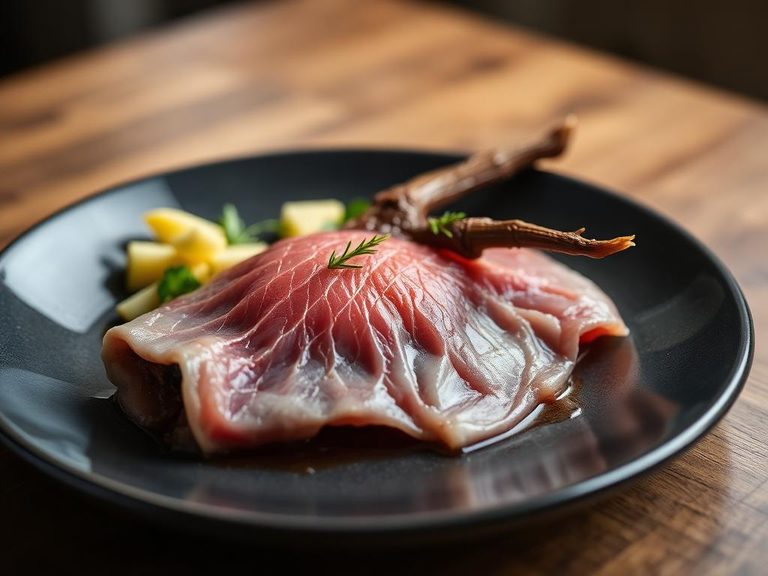
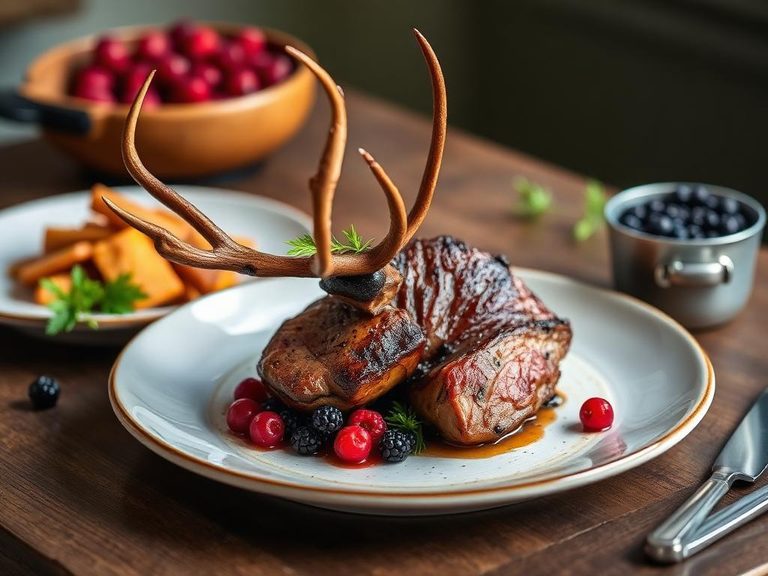
Caribou eye with berries is a traditional dish from Arctic and subarctic Indigenous communities, particularly among Inuit and other First Nations peoples. It typically consists of a whole caribou eye, often slow-cooked or roasted, and served with wild berries like crowberries or blueberries for a sweet-tart contrast.
🍽️ Nutrition at a glance
This dish is high in protein and healthy fats, with minimal carbohydrates coming mainly from the berries. It provides key nutrients like vitamin A, iron, and omega-3 fatty acids, with a rough calorie estimate of 150-200 kcal per serving.
Nutrition breakdown
| Calories | 170 kcal |
| Protein | 12 g |
| Carbs | 8 g |
| Fat | 10 g |
| Fiber | 2 g |
| Sugar | 5 g |
| Sodium | 80 mg |
| Vitamin A | 150% DV |
| Iron | 4 mg |
| Omega-3 (DHA) | 250 mg |
| Vitamin C | 10 mg |
| Vitamin E | 1.5 mg |
| Zinc | 2 mg |
| Selenium | 15 mcg |
| Phosphorus | 120 mg |
Per 1 caribou eye (approx. 50 g) with 1/4 cup (40 g) berries · estimated, varies by recipe
💡 What's interesting
Culturally, this dish reflects a deep respect for utilizing every part of the caribou, a vital animal in Arctic survival. Nutritionally, the eye is a concentrated source of vitamin A, historically important for vision health in low-light environments.