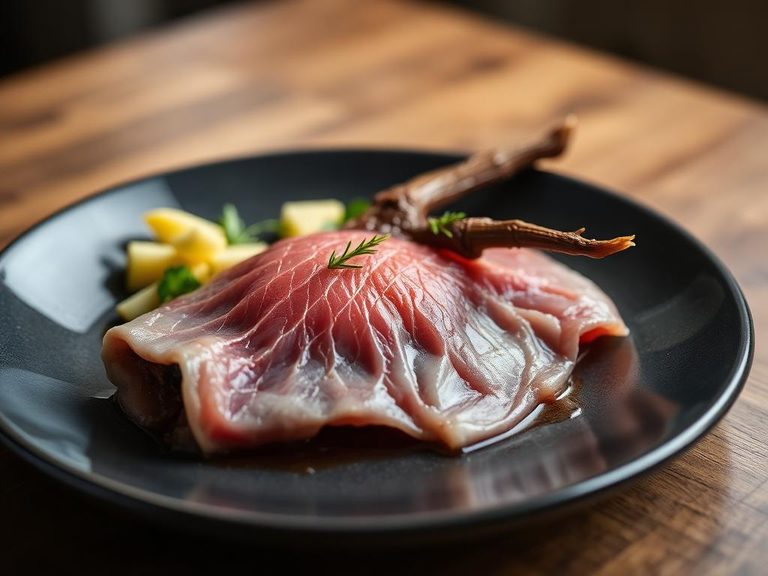
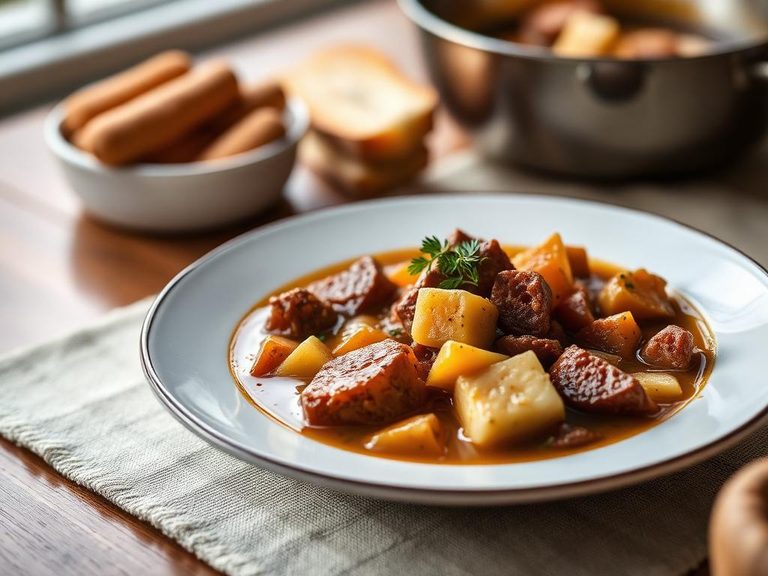
Caribou eye soup
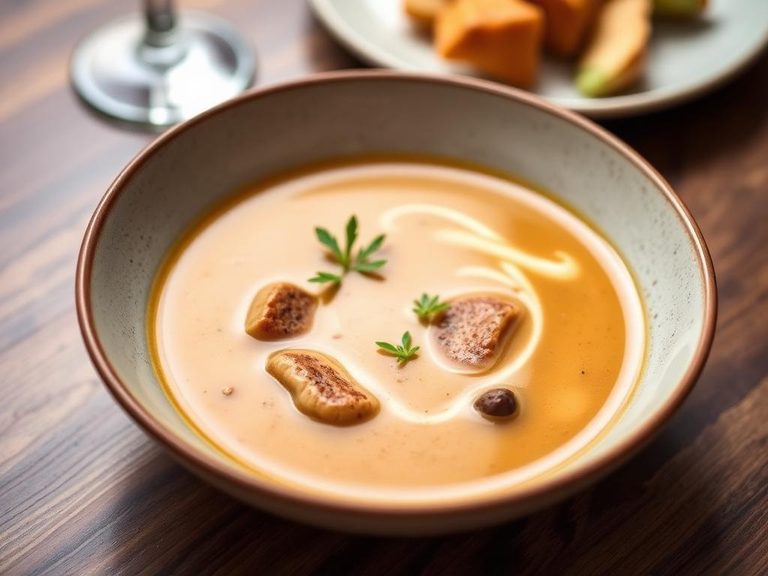
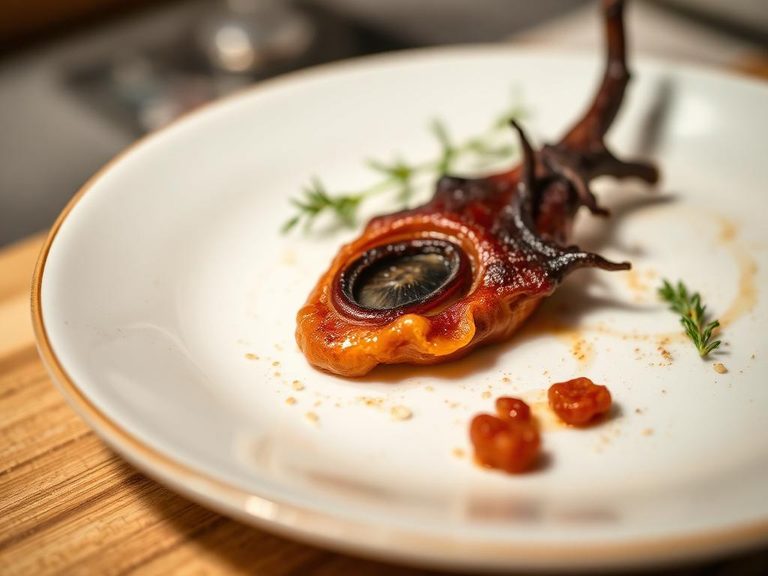
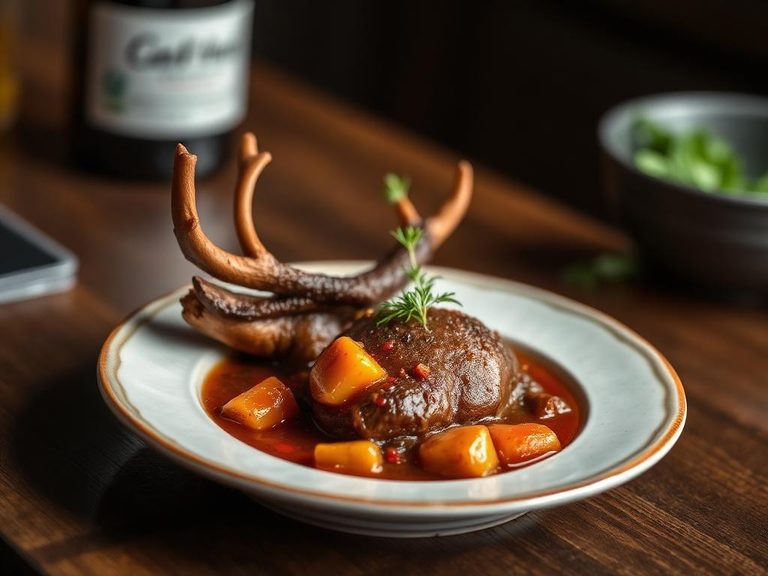
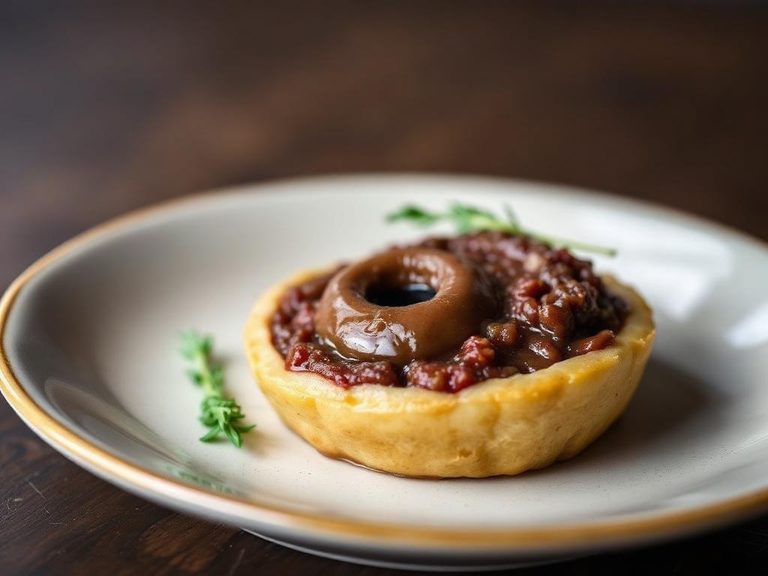
Caribou eye soup is a traditional, nutrient-dense broth-based dish originating from Indigenous Arctic and subarctic cultures, particularly among Inuit and Dene peoples. The primary ingredients are caribou eyes (often including the surrounding fat and tissue), water or broth, and sometimes wild herbs or berries for flavor. It is a foraged, nose-to-tail preparation that emphasizes using every part of the hunted animal.
🍽️ Nutrition at a glance
This soup is exceptionally high in protein and healthy fats, with virtually no carbohydrates. It is a rich source of collagen, vitamin B12, and iron, providing a substantial calorie boost from animal fats, typically ranging from 250 to 400 calories per serving.
Nutrition breakdown
| Calories | 320 kcal |
| Protein | 18 g |
| Carbs | 1 g |
| Fat | 28 g |
| Fiber | 0 g |
| Sugar | 0.5 g |
| Sodium | 450 mg |
| Vitamin B12 | 12 mcg |
| Iron | 4.2 mg |
| Zinc | 3.8 mg |
| Potassium | 310 mg |
| Collagen | ~8 g |
| Cholesterol | 180 mg |
| Selenium | 25 mcg |
| Phosphorus | 220 mg |
Per 1 cup (240 g) · estimated, varies by recipe
💡 What's interesting
Culturally, the dish is a profound example of sustainable, zero-waste hunting practices and is often associated with traditional beliefs about gaining strength or sharp vision from consuming the eyes. Nutritionally, the eyes are a concentrated source of collagen and chondroitin, which are valued for supporting joint and connective tissue health.