Dried or smoked caribou eye
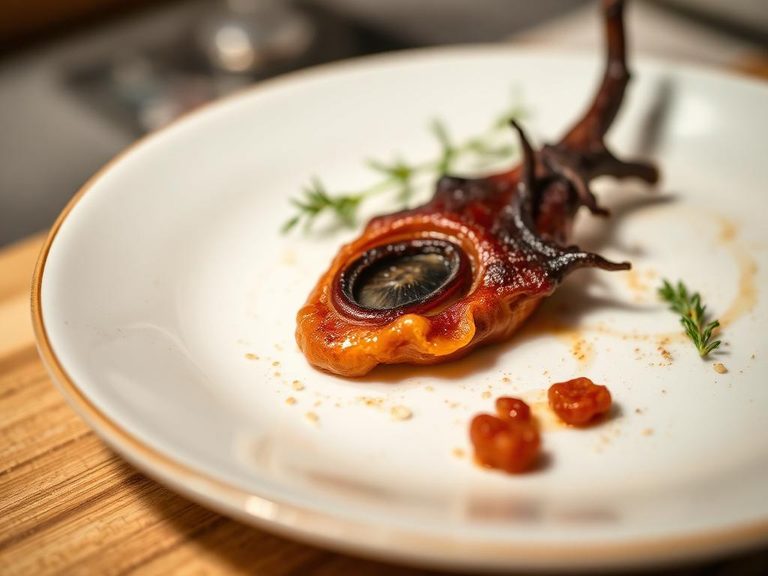
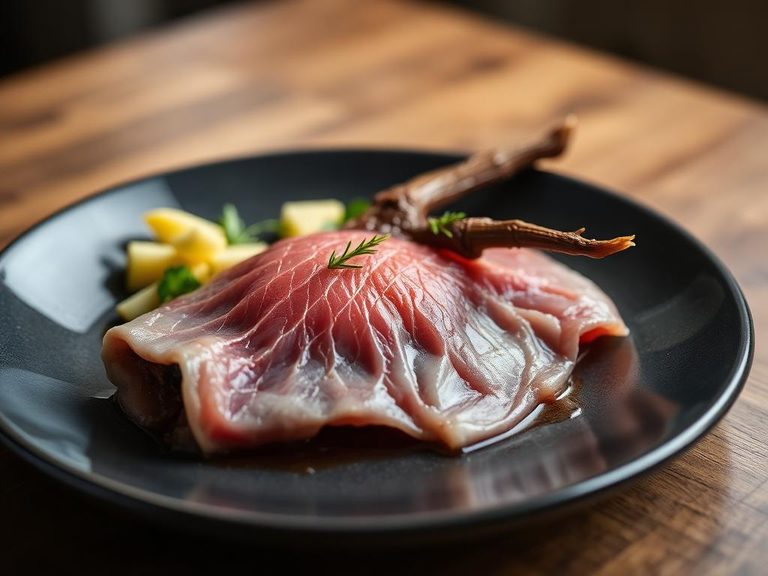
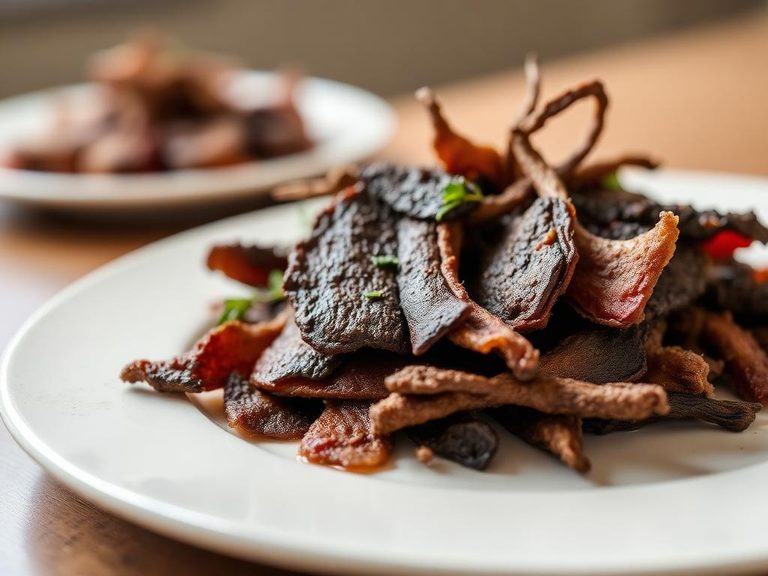
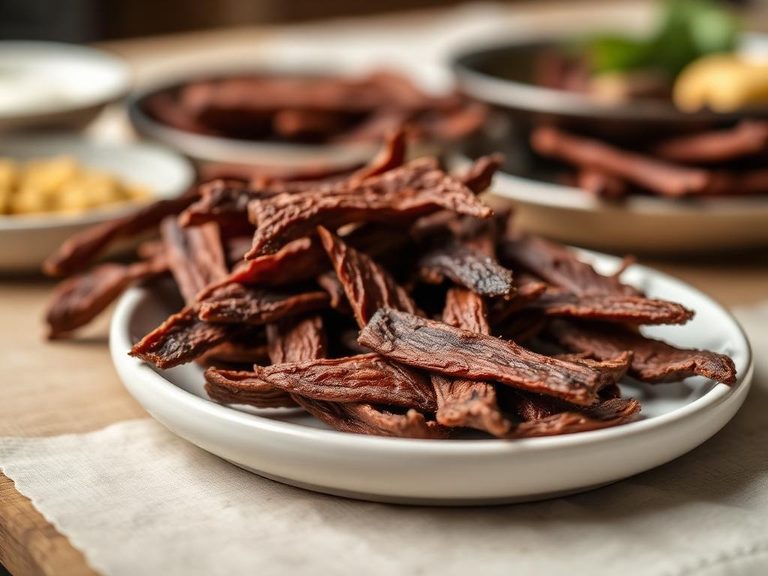
Dried or smoked caribou eye is a traditional food preparation from Indigenous Arctic and subarctic cultures, where the entire eye of the caribou (reindeer) is preserved through drying or smoking. It is typically prepared with minimal ingredients, relying on the natural fats and proteins of the eye, and is often consumed as a nutrient-dense snack or part of a larger meal.
🍽️ Nutrition at a glance
This dish is extremely high in protein and fat, with virtually no carbohydrates, making it a calorie-dense food. It is rich in essential nutrients like vitamin A, omega-3 fatty acids, and collagen, providing significant energy in harsh climates.
Nutrition breakdown
| Calories | 90 kcal |
| Protein | 4 g |
| Carbs | 0 g |
| Fat | 8 g |
| Fiber | 0 g |
| Sugar | 0 g |
| Sodium | 45 mg |
| Vitamin A | 850 mcg RAE |
| Omega-3 Fatty Acids | 0.5 g |
| Collagen | 2 g |
| Selenium | 8 mcg |
| Vitamin E | 1.2 mg |
| Iron | 0.8 mg |
| Zinc | 0.6 mg |
| Phosphorus | 55 mg |
Per 1 caribou eye (approximately 30 g) · estimated, varies by recipe
💡 What's interesting
Culturally, caribou eyes are valued not just for sustenance but also for their symbolic and medicinal importance in some Indigenous traditions, believed to promote good vision or overall vitality. Nutritionally, the vitreous humor and retina offer a unique combination of fats and micronutrients rarely found in other animal parts.