Caribou eye in pemmican
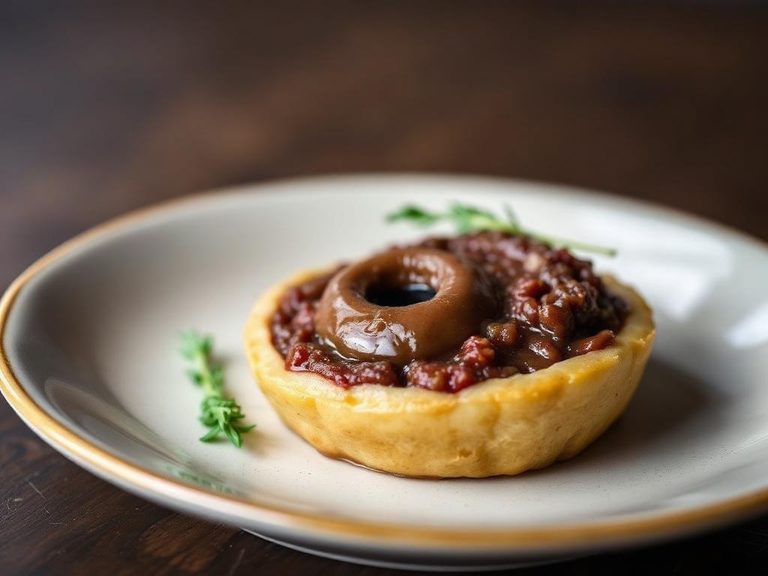
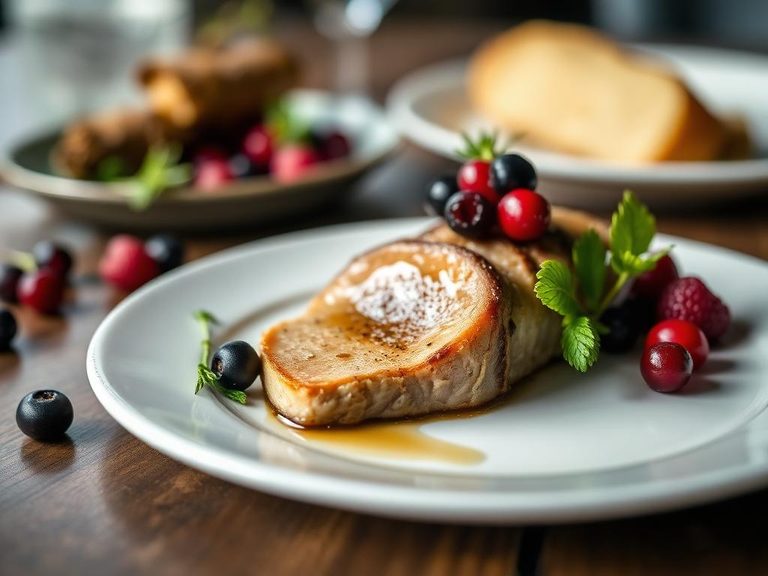
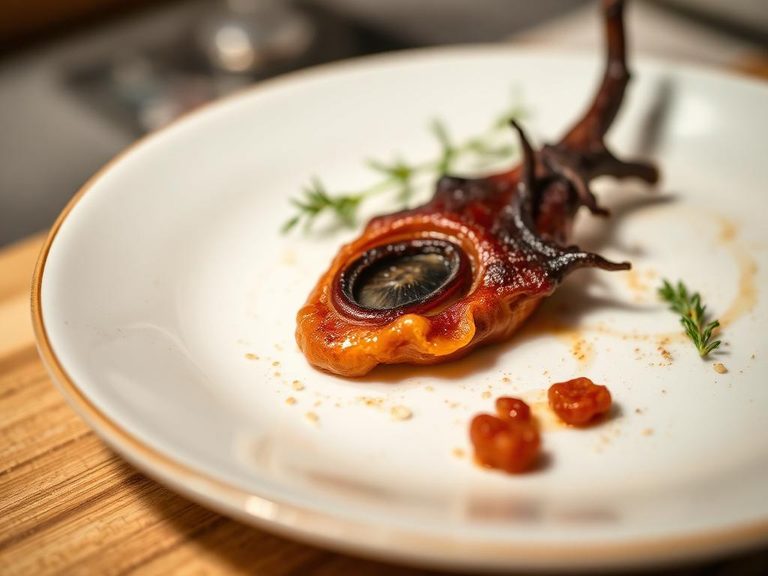
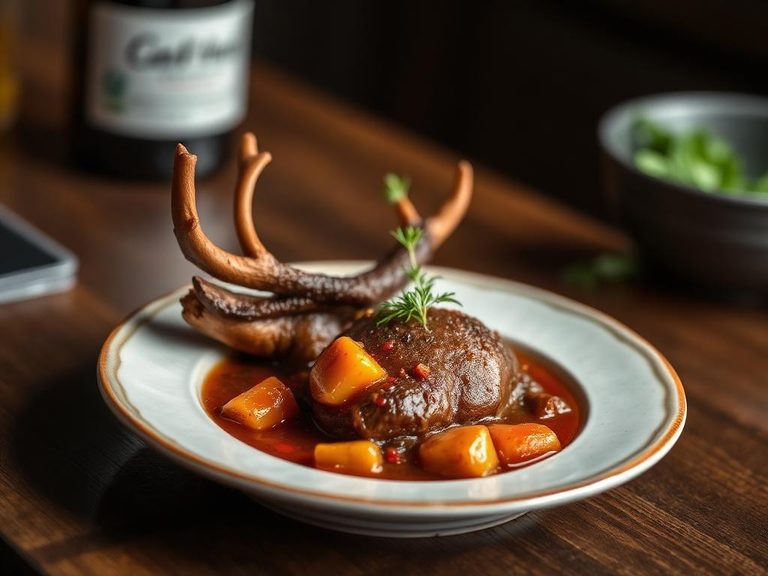
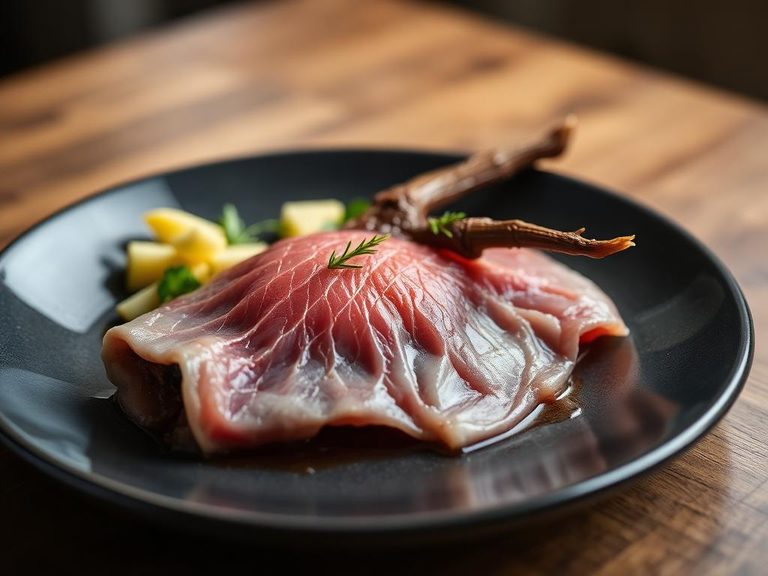
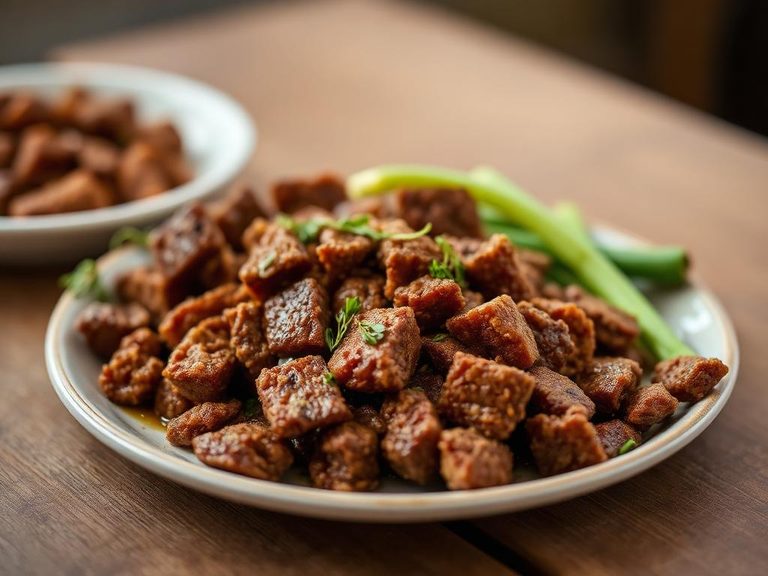
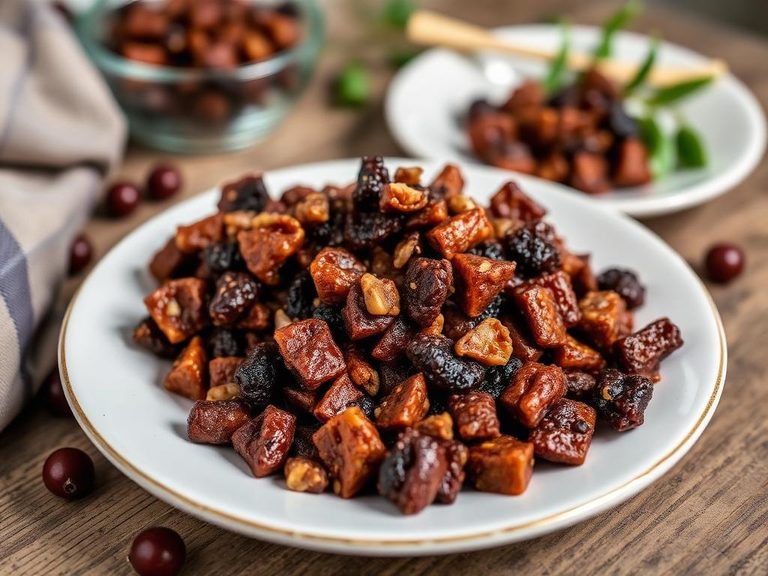
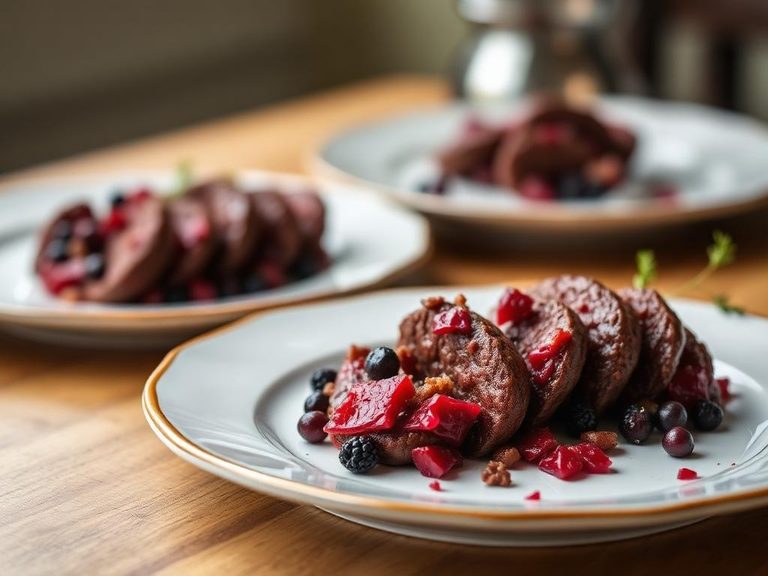
Caribou eye in pemmican is a traditional Indigenous food from the Arctic and subarctic regions, consisting of dried and rendered caribou meat mixed with fat and sometimes berries. The inclusion of caribou eye is a specific, nutrient-dense preparation, often consumed during long journeys or harsh winters. It is a highly concentrated, non-perishable survival food.
🍽️ Nutrition at a glance
This dish is extremely high in fat and protein, with virtually no carbohydrates. It provides a dense source of calories, essential fatty acids, and protein, with a rough ballpark of 400-600 calories per small, energy-dense serving.
Nutrition breakdown
| Calories | 350 kcal |
| Protein | 15 g |
| Carbs | 0 g |
| Fat | 32 g |
| Fiber | 0 g |
| Sugar | 0 g |
| Sodium | 35 mg |
| Vitamin A | 450 mcg RAE |
| Iron | 3.5 mg |
| Zinc | 4.2 mg |
| Vitamin B12 | 6.8 mcg |
| Selenium | 18 mcg |
| Phosphorus | 210 mg |
| Niacin (B3) | 4.5 mg |
| Collagen | significant amount |
Per 1 small cake (50 g) · estimated, varies by recipe
💡 What's interesting
Culturally, pemmican is a masterpiece of food preservation and portable nutrition, perfected by Indigenous peoples of North America. Nutritionally, the inclusion of organ meats like the eye provides unique nutrients such as vitamin A and collagen that are less abundant in muscle meat alone.