Chokecherry Pemmican
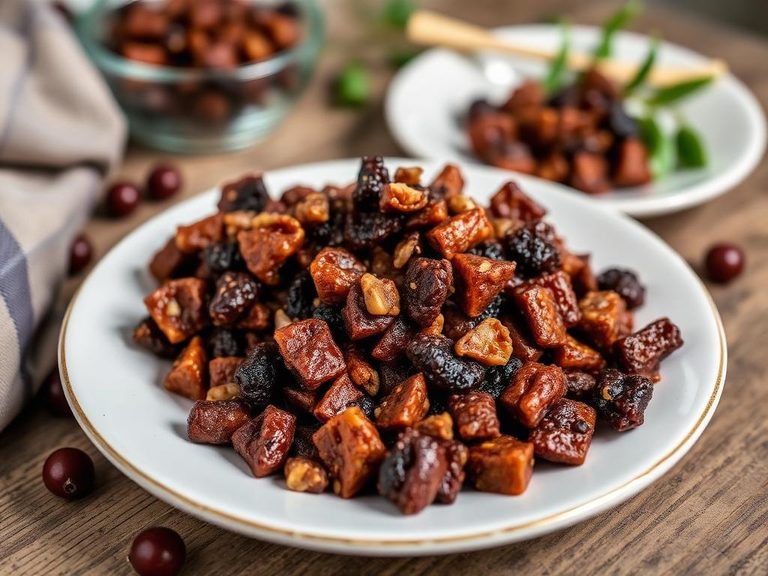
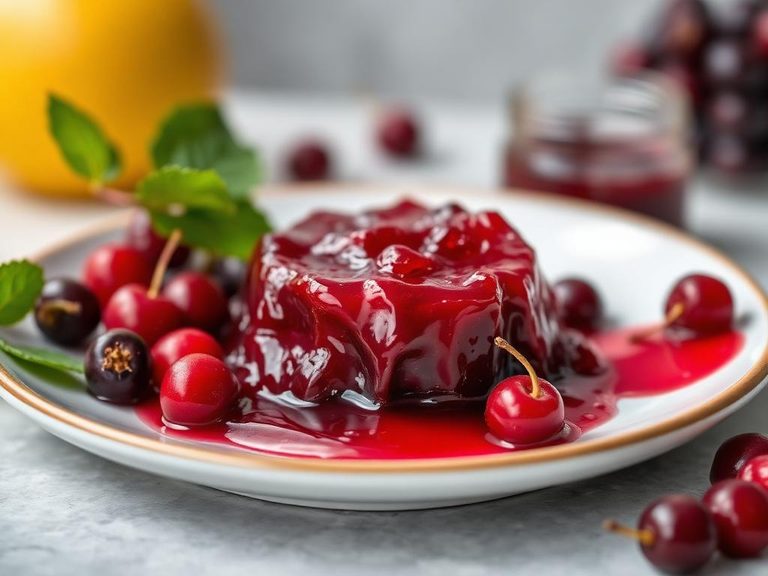
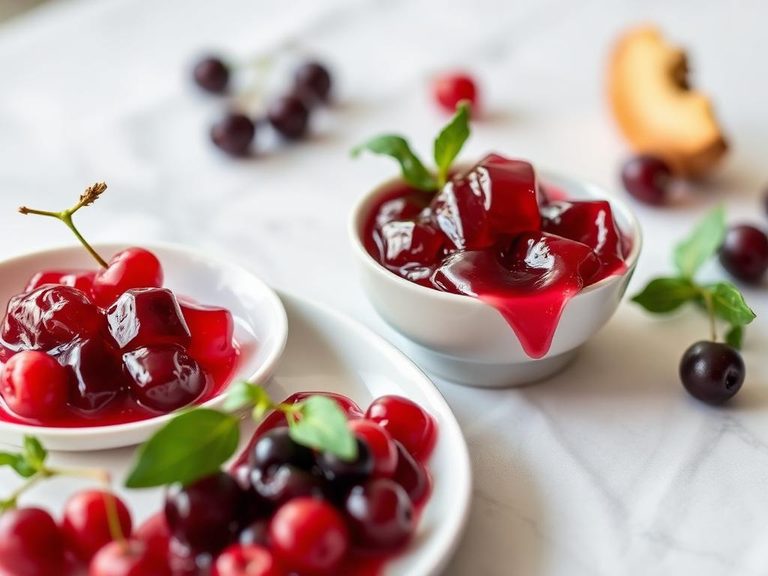
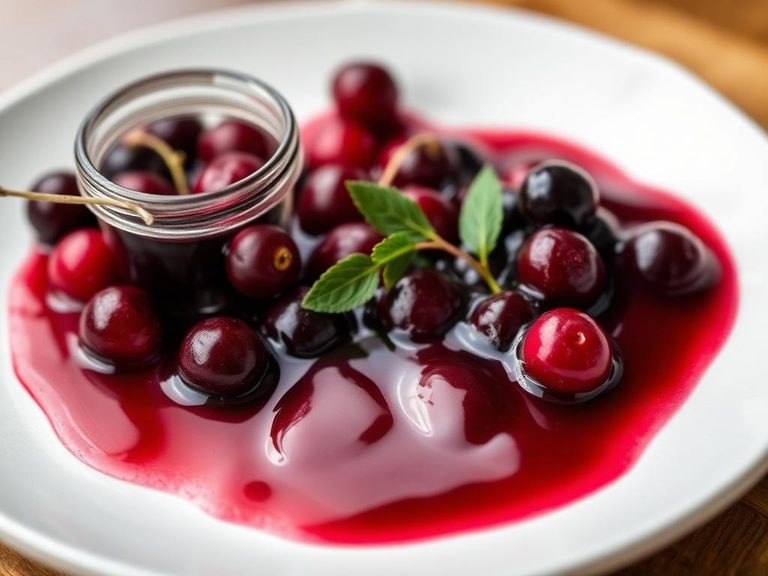
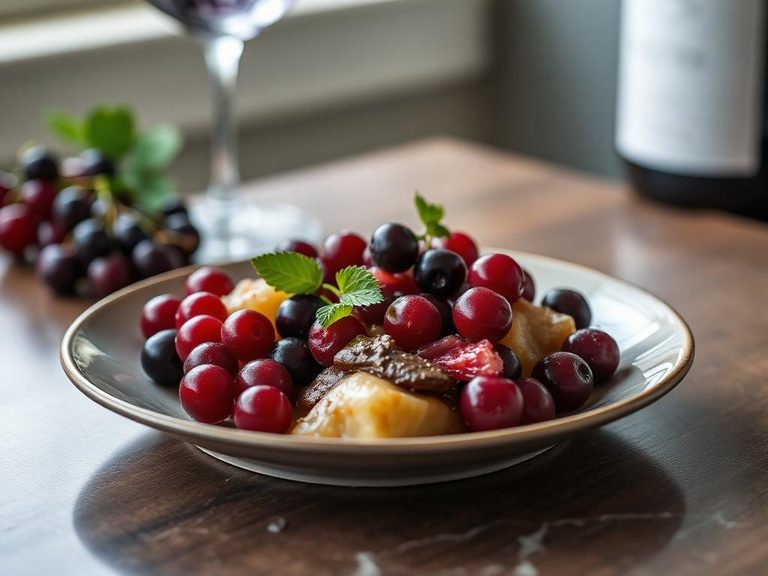
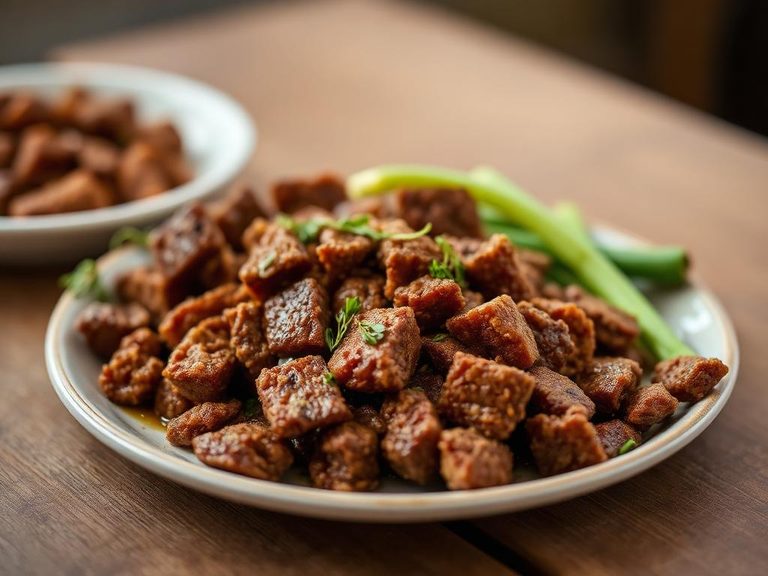
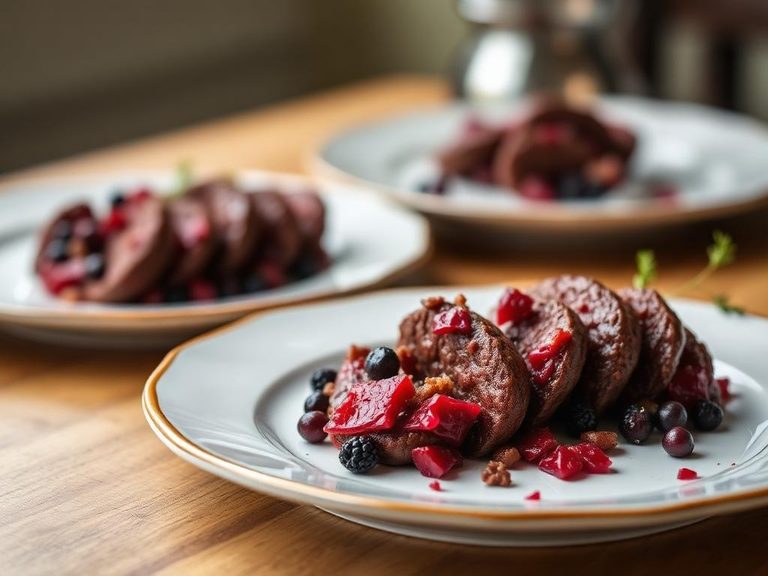
Chokecherry pemmican is a traditional, nutrient-dense survival food originating from Indigenous peoples of the North American Great Plains and Subarctic regions. It is typically made by combining dried, pounded chokecherries (often mixed with the ground pits for added fat and nutrients) with rendered animal fat (like bison or deer tallow) and sometimes dried meat. The mixture is packed into cakes or bags for long-term storage.
🍽️ Nutrition at a glance
This dish is extremely high in fat and calories, providing a dense source of energy, with moderate protein from the meat component. It is a good source of iron, zinc, and B vitamins from the animal fat and meat, and provides some antioxidants and vitamin C from the chokecherries.
Nutrition breakdown
| Calories | 350 kcal |
| Protein | 8 g |
| Carbs | 12 g |
| Fat | 30 g |
| Fiber | 3 g |
| Sugar | 5 g |
| Sodium | 15 mg |
| Iron | 2.5 mg |
| Zinc | 3 mg |
| Niacin (B3) | 4 mg |
| Vitamin B12 | 0.5 mcg |
| Potassium | 180 mg |
| Magnesium | 25 mg |
| Phosphorus | 100 mg |
| Vitamin E | 1.5 mg |
Per 1 piece (60 g) · estimated, varies by recipe
💡 What's interesting
Pemmican is a marvel of food preservation and nutrition, designed to be lightweight and shelf-stable for years without refrigeration, making it crucial for winter survival and long journeys. The inclusion of chokecherry pits, which are toxic if eaten raw but safe when finely ground and cooked, adds valuable fats and nutrients, showcasing deep traditional ecological knowledge.