Chokecherry Wine
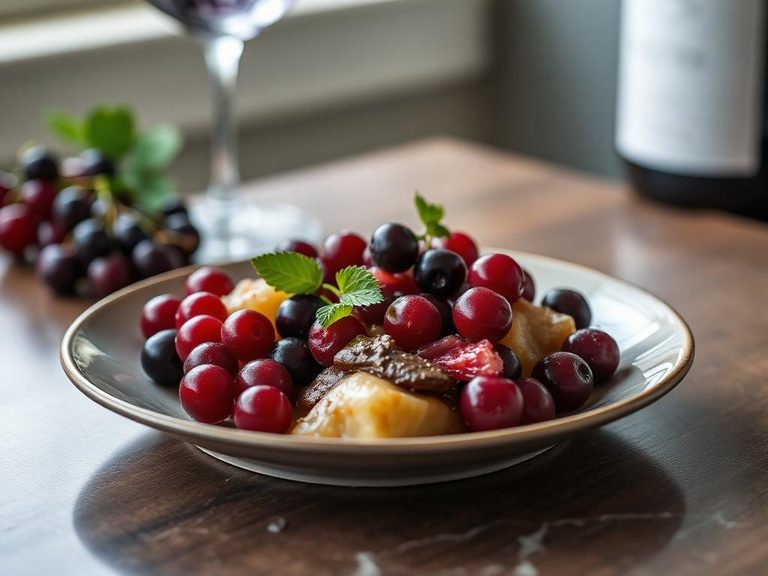
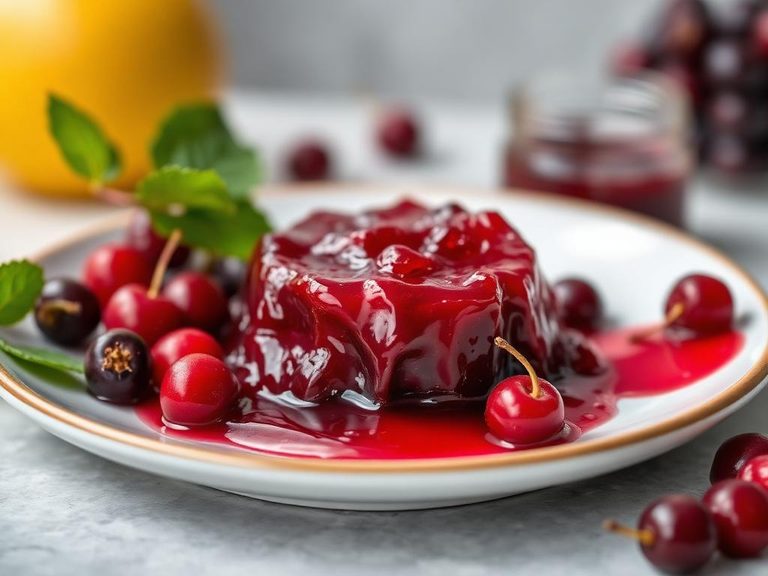
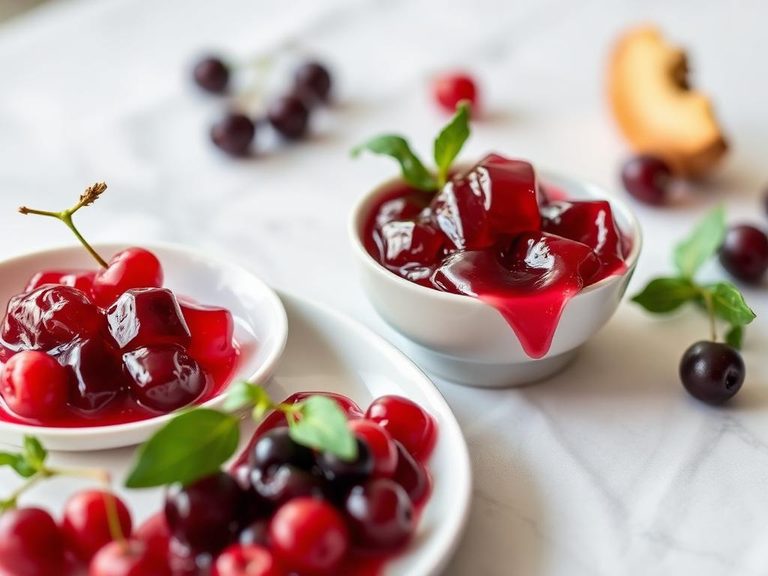
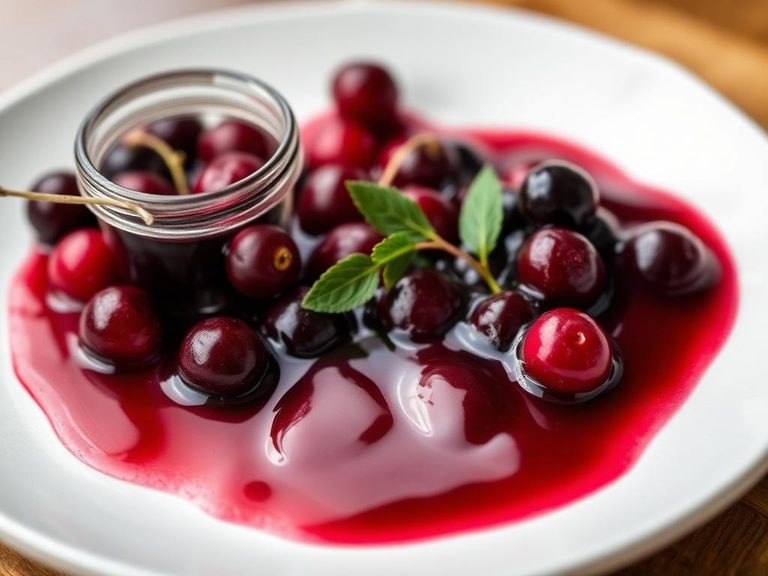
Chokecherry wine is a traditional fermented beverage made from the small, dark berries of the chokecherry tree (Prunus virginiana), native to North America. It typically involves crushing the berries, fermenting them with sugar and water, and often aging the resulting wine. The process yields a deep red or purple wine with a tart, fruity flavor profile.
🍽️ Nutrition at a glance
This wine is primarily a source of simple carbohydrates from natural fruit sugars and added sugars used in fermentation, with negligible fat and protein. A standard serving provides a moderate calorie count, mainly from alcohol and carbohydrates, along with small amounts of antioxidants and minerals like potassium.
Nutrition breakdown
| Calories | 185 kcal |
| Protein | 0.1 g |
| Carbs | 15 g |
| Fat | 0 g |
| Fiber | 0 g |
| Sugar | 12 g |
| Sodium | 8 mg |
| Potassium | 120 mg |
| Antioxidants (Anthocyanins) | variable |
| Iron | 0.3 mg |
| Vitamin C | 2 mg |
| Vitamin A | 15 IU |
| Manganese | 0.1 mg |
| Copper | 0.02 mg |
| Phosphorus | 10 mg |
Per 1 cup (240 g) · estimated, varies by recipe
💡 What's interesting
Chokecherry wine is deeply rooted in the cultural and culinary traditions of many Indigenous peoples of the Great Plains and Northern Rockies, who have used the berries for food and drink for centuries. Nutritionally, the chokecherry itself is notably high in antioxidants, particularly anthocyanins, which contribute to the wine's rich color.