Caribou eye stew
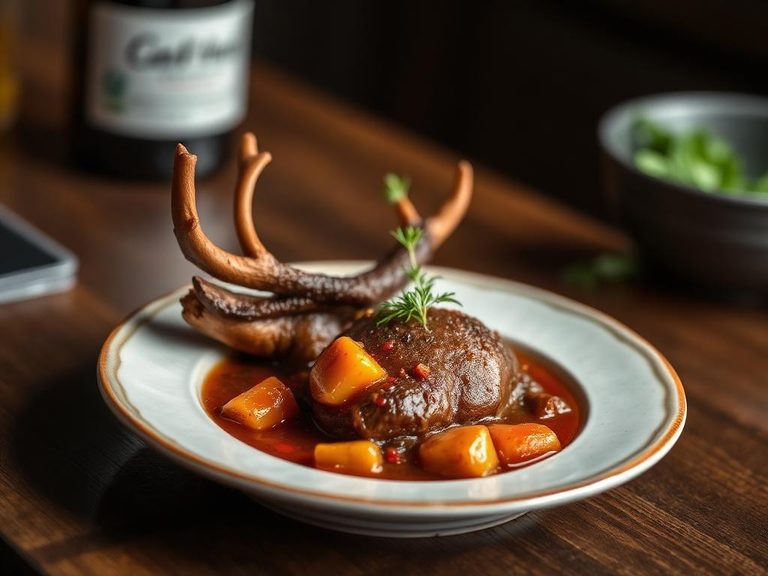
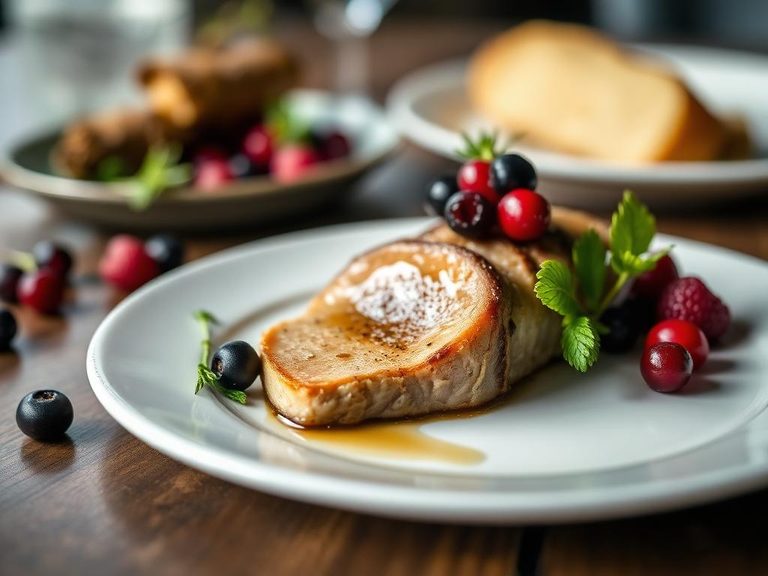
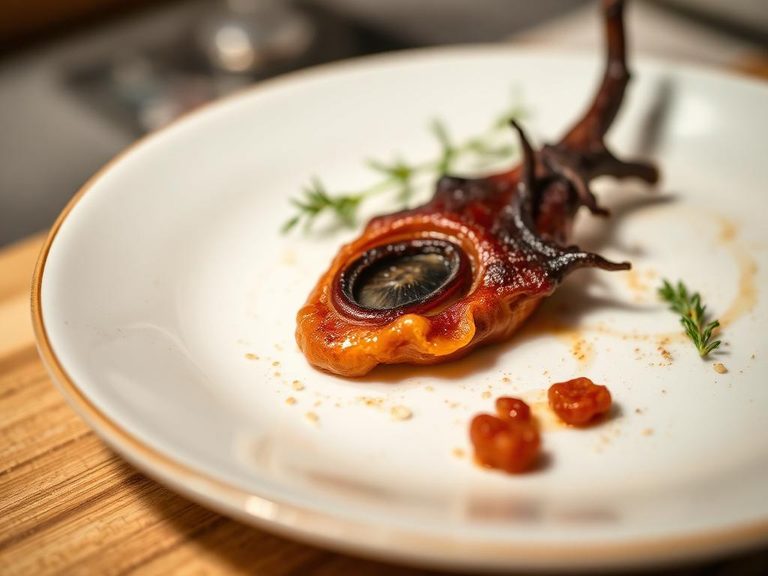
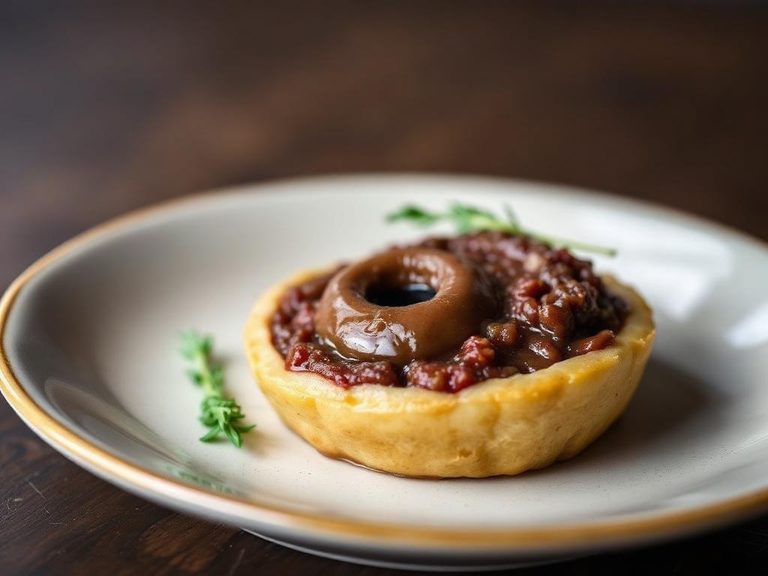
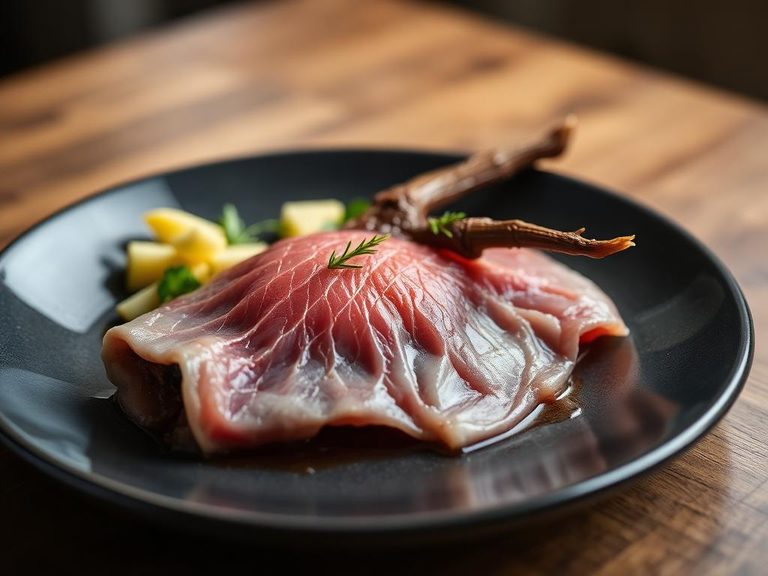
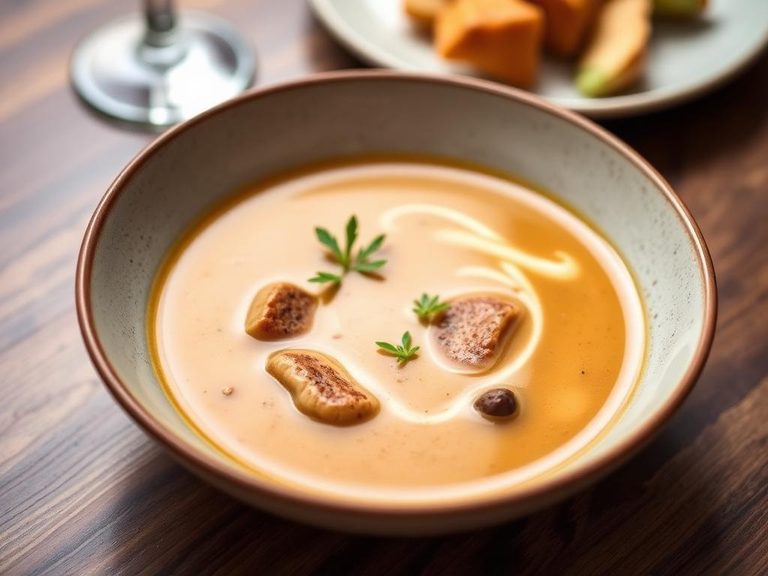
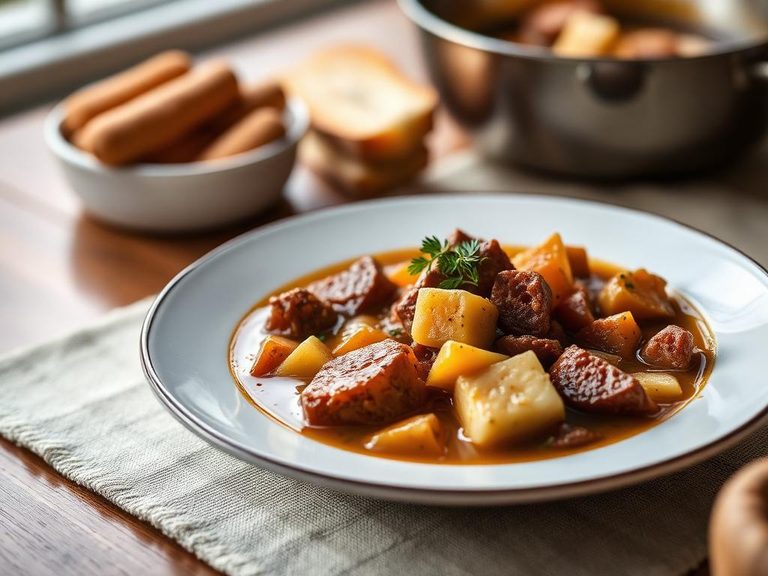
Caribou eye stew is a traditional Indigenous dish, particularly from Arctic and subarctic regions like Alaska and Northern Canada. It typically consists of caribou eyes slow-cooked in a broth with wild herbs, roots, and sometimes berries, reflecting a nose-to-tail approach to using the entire animal.
🍽️ Nutrition at a glance
This dish is very high in protein and fat, with minimal carbohydrates, providing a dense source of energy. It is rich in nutrients like iron, zinc, and B vitamins, and a typical serving may contain around 400-600 calories.
Nutrition breakdown
| Calories | 500 kcal |
| Protein | 25 g |
| Carbs | 5 g |
| Fat | 42 g |
| Fiber | 1 g |
| Sugar | 2 g |
| Sodium | 600 mg |
| Iron | 4.5 mg |
| Zinc | 6.2 mg |
| Vitamin B12 | 18 mcg |
| Vitamin A | 850 IU |
| Potassium | 380 mg |
| Phosphorus | 290 mg |
| Selenium | 22 mcg |
| Collagen | Significant amount |
Per 1 cup (240 g) · estimated, varies by recipe
💡 What's interesting
Culturally, it represents a deep connection to traditional hunting practices and respect for the animal, where every part is used. Nutritionally, the eyes are a unique source of collagen and healthy fats, which were vital for survival in harsh, cold climates.