Dried Caribou Meat
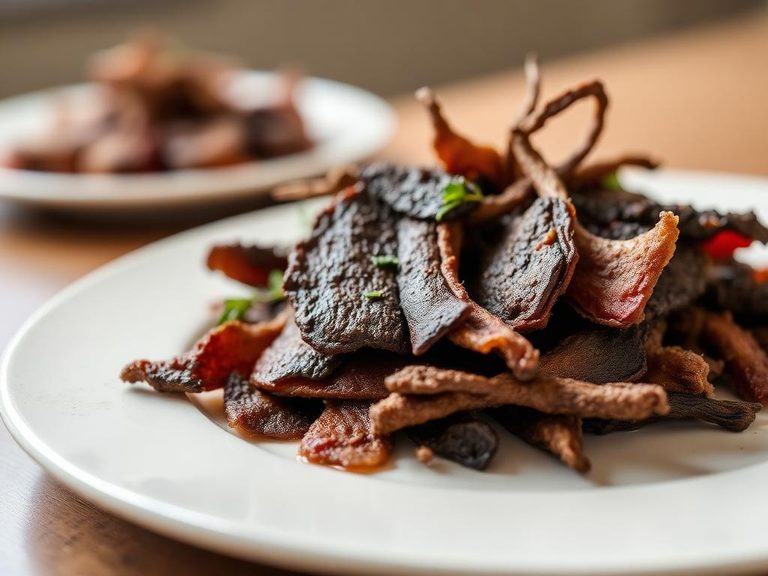
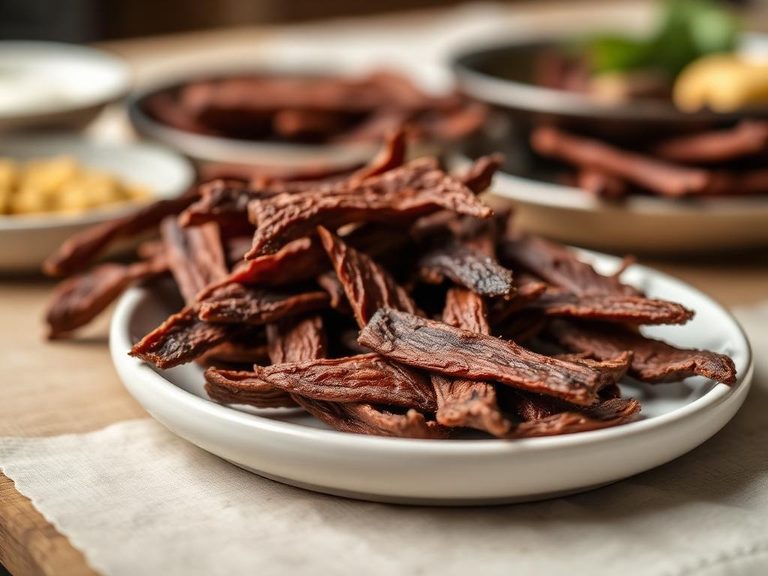
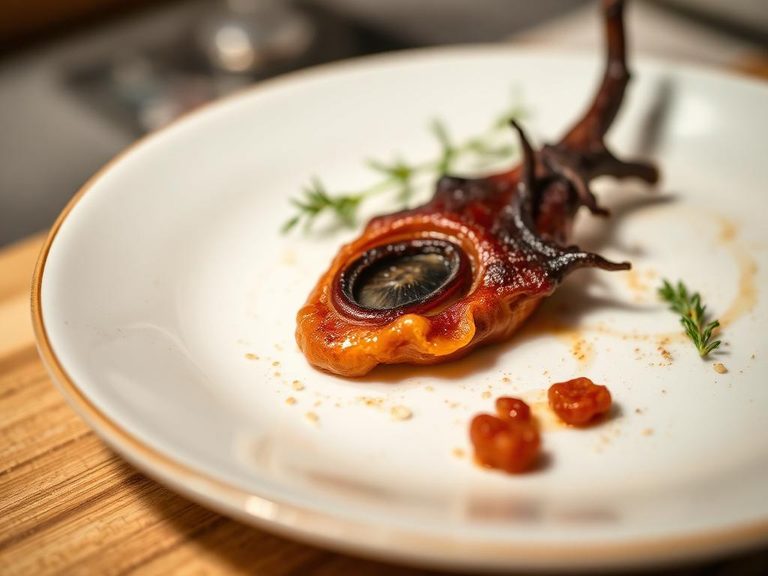
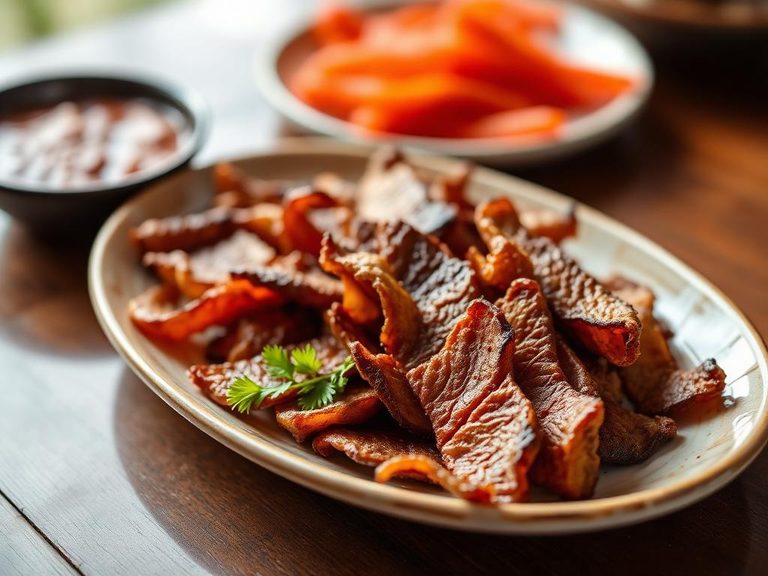
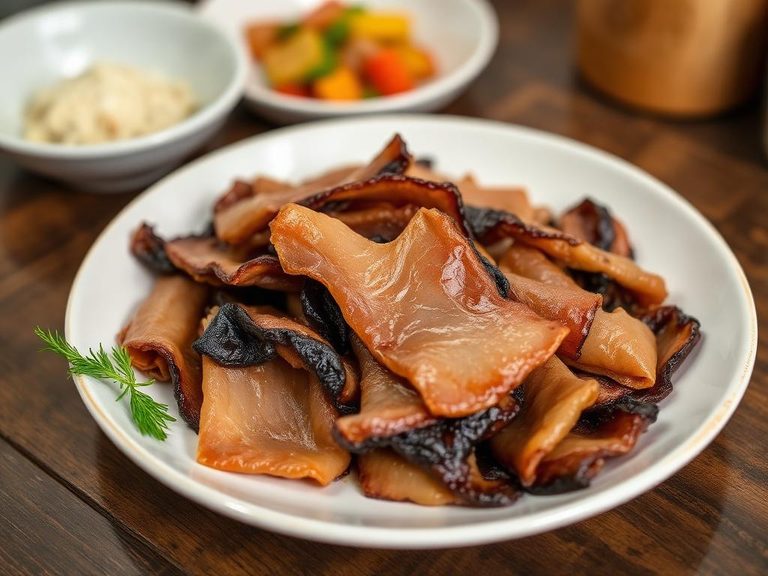
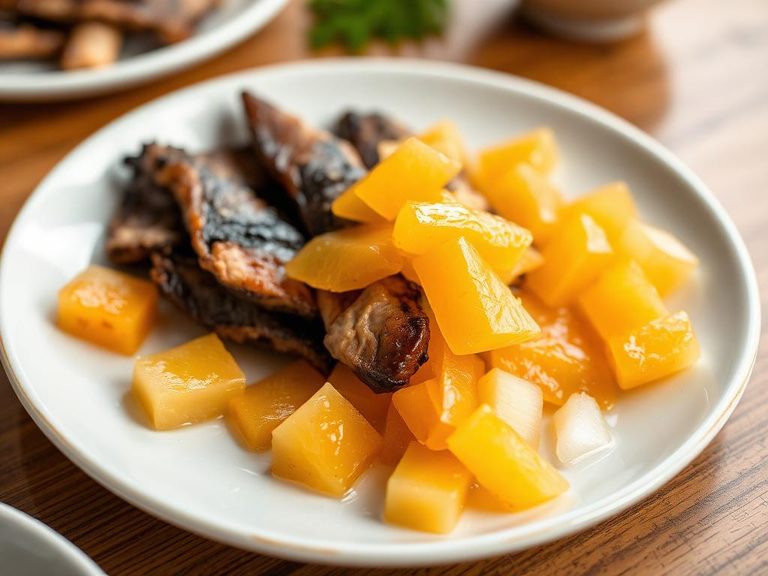
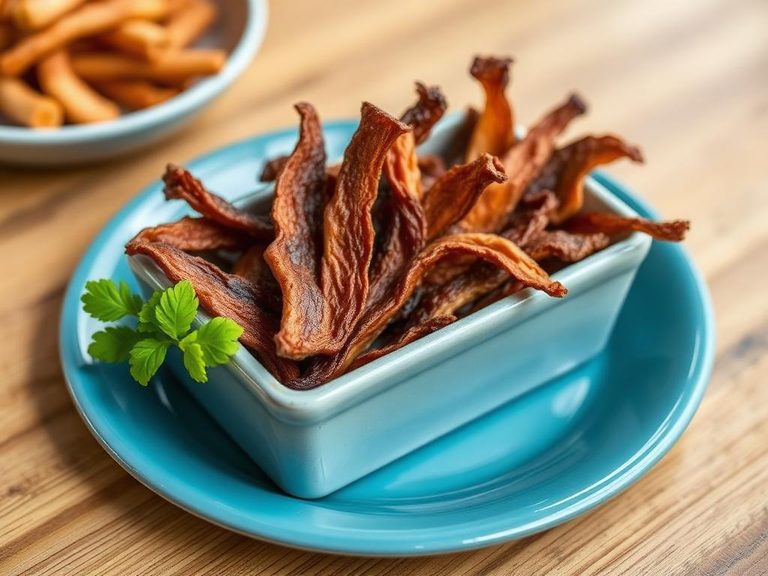
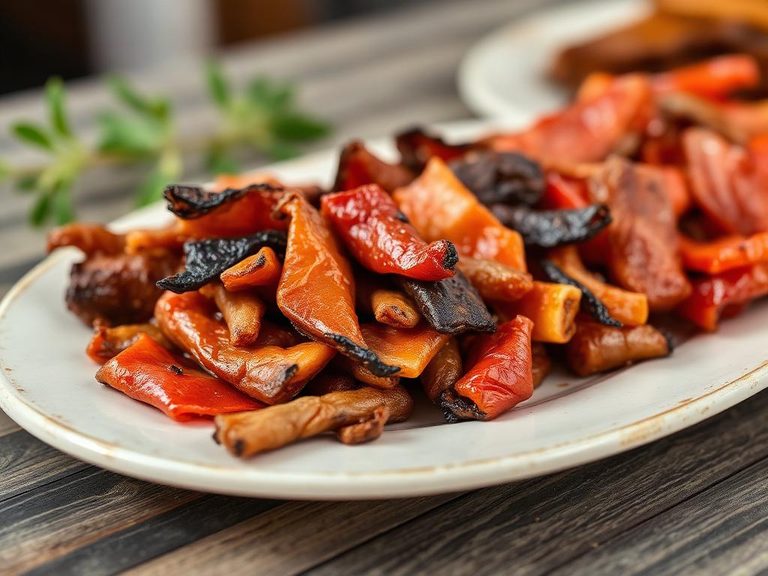
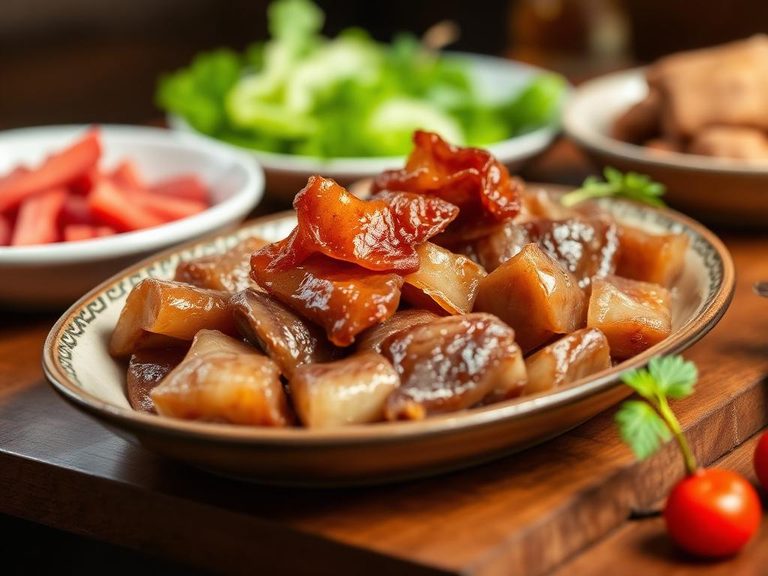
Dried caribou meat is a traditional preserved food made by air-drying or smoking the lean meat of the caribou (reindeer), a practice central to the food cultures of Indigenous Arctic and subarctic peoples, including the Inuit, Dene, and Sámi. The process typically involves cutting the meat into thin strips and drying it in cold, dry air or over a slow fire, sometimes with minimal salt, to create a lightweight, non-perishable staple for long journeys and harsh winters.
🍽️ Nutrition at a glance
This is an extremely high-protein, virtually carbohydrate-free food with very little fat, making it a dense source of energy and muscle-building nutrients. A typical serving provides a significant amount of iron, zinc, and B vitamins, particularly B12, with a calorie count that is high relative to its weight due to the concentrated protein.
Nutrition breakdown
| Calories | 80 kcal |
| Protein | 17 g |
| Carbs | 0 g |
| Fat | 1 g |
| Fiber | 0 g |
| Sugar | 0 g |
| Sodium | 150 mg |
| Iron | 2.5 mg |
| Zinc | 3.0 mg |
| Vitamin B12 | 2.0 mcg |
| Niacin (B3) | 5.0 mg |
| Phosphorus | 150 mg |
| Potassium | 200 mg |
| Selenium | 12 mcg |
| Vitamin B6 | 0.3 mg |
Per 1 ounce (28 g), approximately a small handful · estimated, varies by recipe
💡 What's interesting
Culturally, dried caribou meat is more than sustenance; it's a symbol of resilience, traditional knowledge, and connection to the land, often shared during communal feasts and ceremonies. Nutritionally, its preservation method concentrates nutrients and makes it a remarkably efficient, portable food for survival in extreme environments.