Dried meat preparations
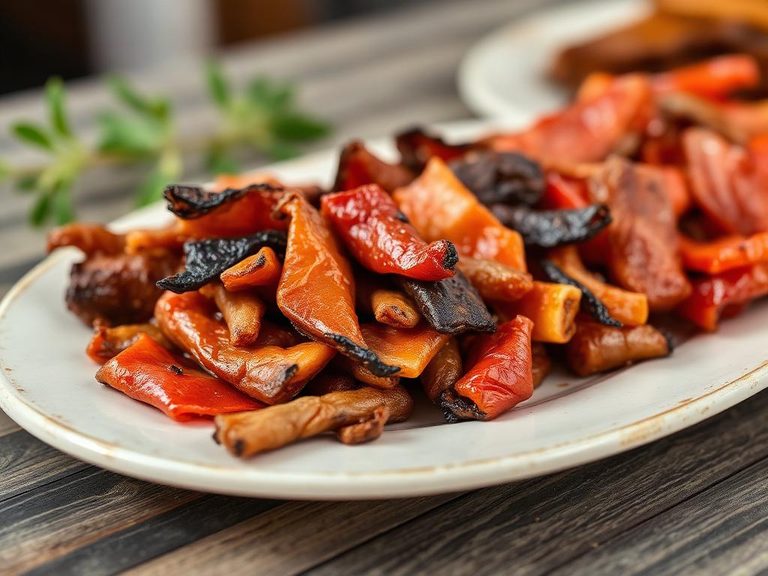
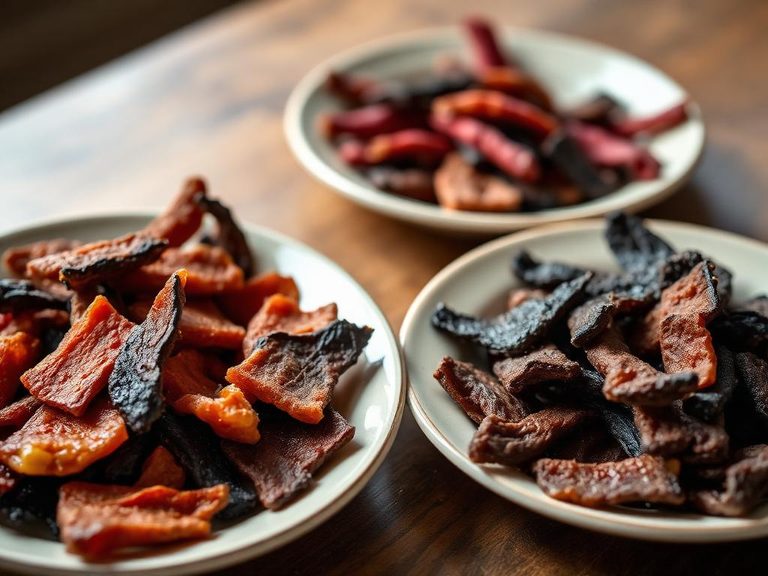
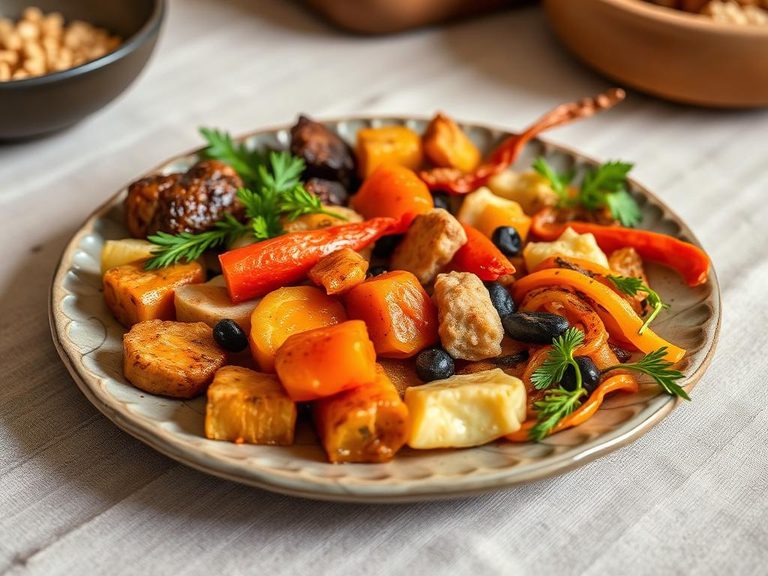
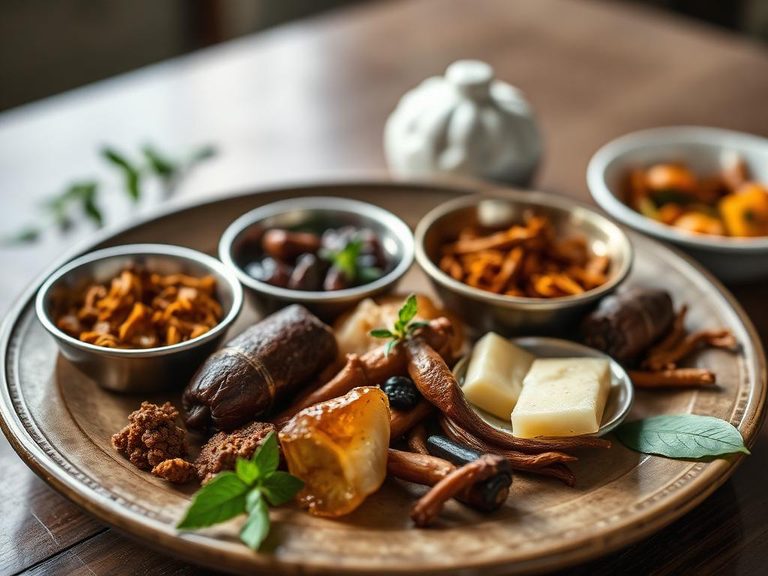
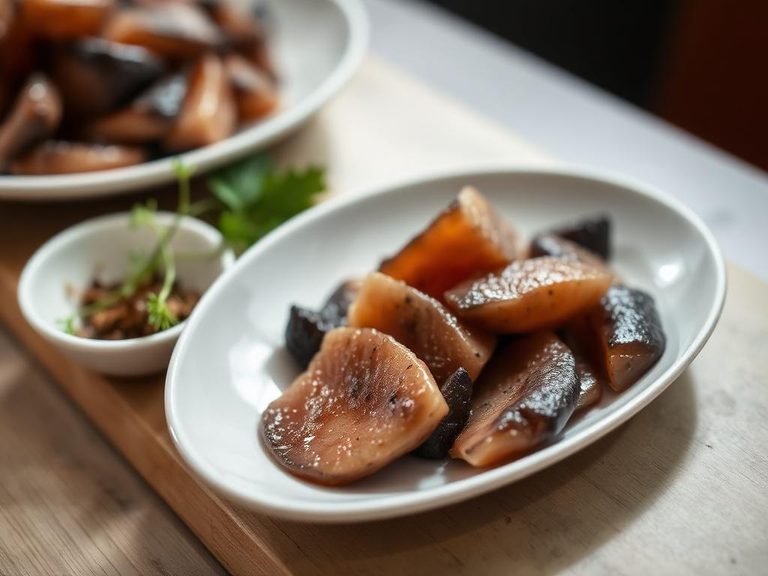
Dried meat preparations are a traditional method of preserving meat by removing moisture, often seasoned with salt, spices, or sugar. Common types include jerky, biltong, and pemmican, with roots in cultures from North America to Central Asia and Africa. This technique extends shelf life and creates a portable, protein-rich food.
🍽️ Nutrition at a glance
These preparations are extremely high in protein and low in carbohydrates, with fat content varying based on the cut of meat and preparation method. A typical serving provides a significant amount of iron, zinc, and B vitamins, with calories ranging from 100-200 kcal per ounce (28g).
Nutrition breakdown
| Calories | 116 kcal |
| Protein | 9.4 g |
| Carbs | 3.1 g |
| Fat | 7.3 g |
| Fiber | 0.5 g |
| Sugar | 2.1 g |
| Sodium | 430 mg |
| Iron | 1.2 mg |
| Zinc | 2.3 mg |
| Niacin (B3) | 3.2 mg |
| Vitamin B12 | 0.8 mcg |
| Phosphorus | 110 mg |
| Potassium | 180 mg |
| Selenium | 10.5 mcg |
| Magnesium | 12 mg |
Per 1 ounce (28 g) · estimated, varies by recipe
💡 What's interesting
The practice of drying meat is one of humanity's oldest food preservation techniques, essential for survival in nomadic and pre-refrigeration societies. Nutritionally, it concentrates nutrients, making it a dense source of energy and protein for hikers, soldiers, and travelers.