Ritual and medicinal preparations
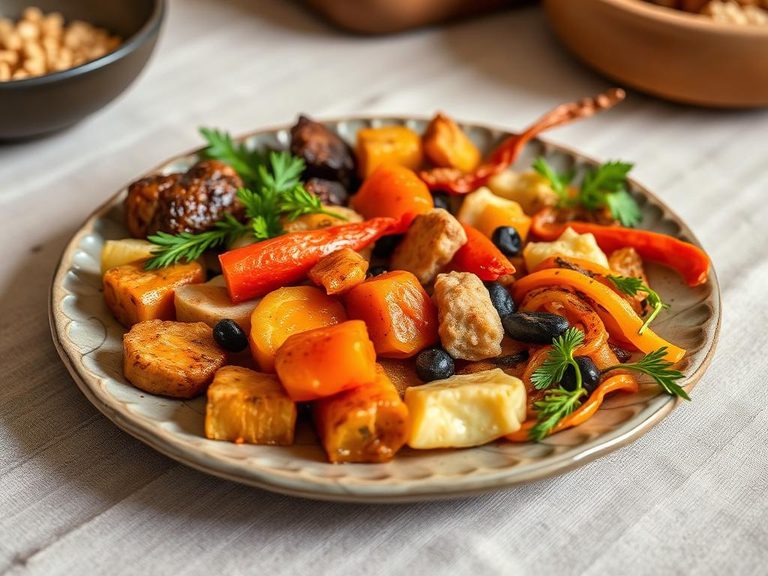
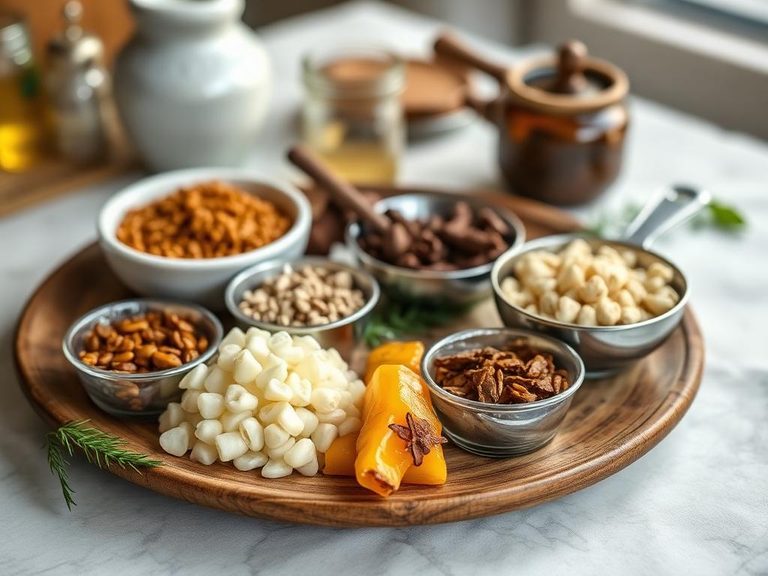
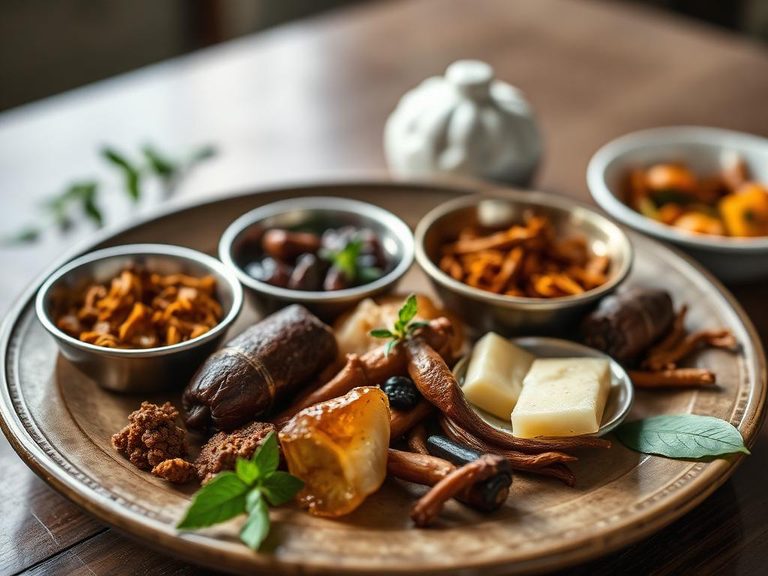
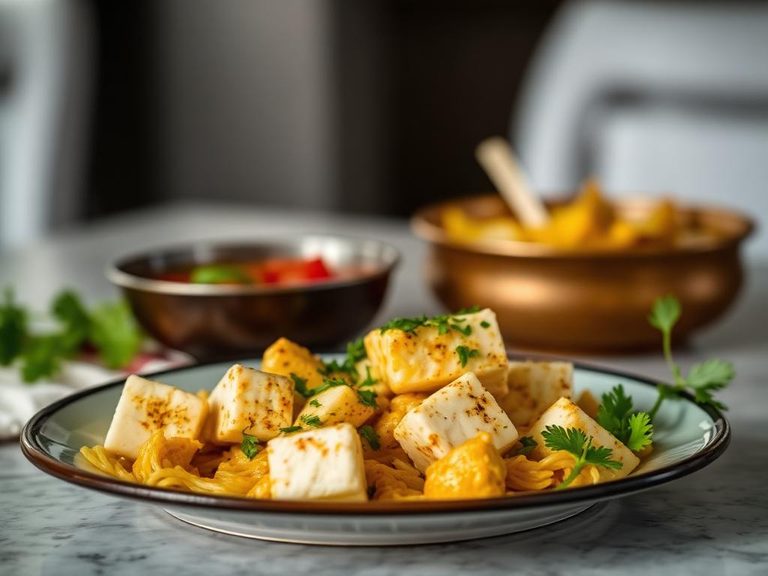
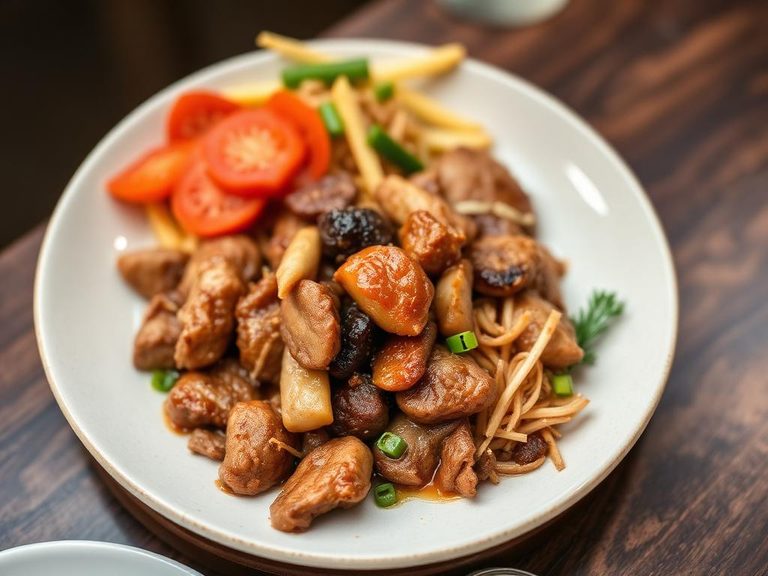
Ritual and medicinal preparations refer to traditional foods or beverages used in cultural ceremonies or for health purposes, rather than a single specific dish. These preparations vary widely by region, often incorporating herbs, spices, grains, or fermented ingredients, and are deeply rooted in practices like Chinese herbal cuisine, Ayurvedic cooking, or indigenous healing traditions.
🍽️ Nutrition at a glance
These preparations are typically balanced in macronutrients, with a focus on functional ingredients that provide vitamins, minerals, and antioxidants. Depending on the specific recipe, they can range from light broths to nutrient-dense congees, offering around 100-300 calories per serving.
Nutrition breakdown
| Calories | 180 kcal |
| Protein | 5 g |
| Carbs | 30 g |
| Fat | 4 g |
| Fiber | 3 g |
| Sugar | 2 g |
| Sodium | 400 mg |
| Vitamin A | 150 mcg |
| Vitamin C | 10 mg |
| Iron | 2 mg |
| Calcium | 50 mg |
| Potassium | 250 mg |
| Magnesium | 30 mg |
| Zinc | 1 mg |
| Selenium | 8 mcg |
Per 1 bowl (300 g) · estimated, varies by recipe
💡 What's interesting
What makes these preparations unique is their dual role in culture and health—they are often used in festivals, rituals, or as remedies for ailments, blending culinary art with traditional knowledge. Nutritionally, they frequently highlight ingredients like ginger, turmeric, or medicinal mushrooms, which have been studied for their anti-inflammatory or immune-supporting properties.