Raw or fermented sea liver preparations
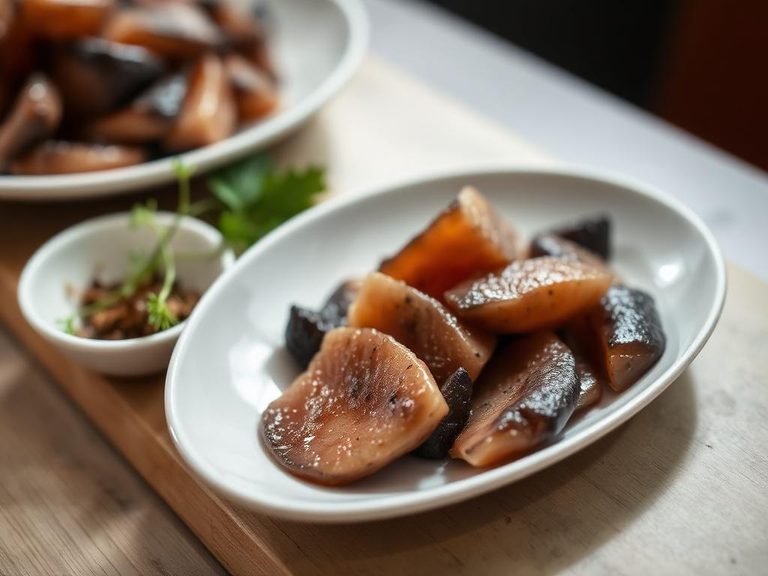
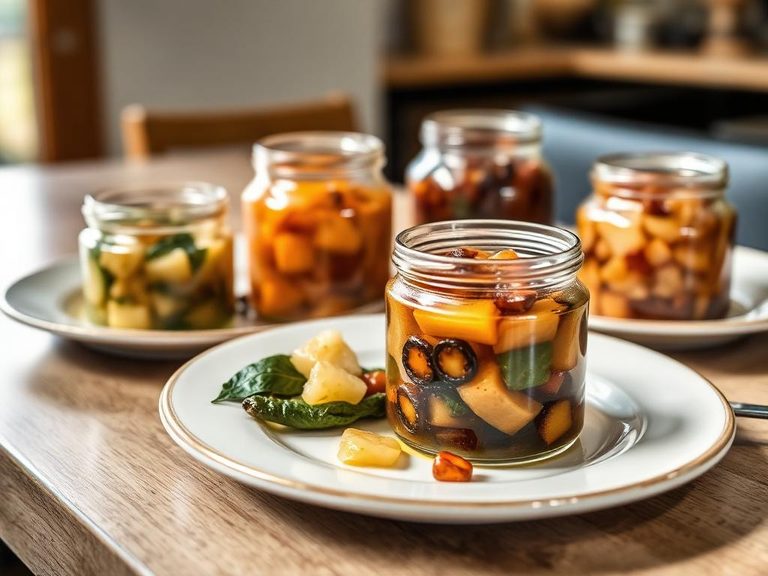
Raw or fermented sea liver preparations refer to dishes made from the fresh or fermented liver of certain marine animals, most commonly from the cod or other large fish. This traditional food is particularly associated with Nordic and Arctic coastal cuisines, such as those in Iceland, Norway, and parts of Canada. The preparation often involves marinating or fermenting the liver with salt and sometimes other seasonings to preserve it and develop its distinct, rich flavor.
🍽️ Nutrition at a glance
This dish is extremely high in fat and protein, providing a dense source of calories and essential nutrients. It is particularly rich in fat-soluble vitamins like Vitamin D and Vitamin A, as well as omega-3 fatty acids.
Nutrition breakdown
| Calories | 100 kcal |
| Protein | 3 g |
| Carbs | 0 g |
| Fat | 10 g |
| Fiber | 0 g |
| Sugar | 0 g |
| Sodium | 300 mg |
| Vitamin D | 10 mcg |
| Vitamin A | 300 mcg RAE |
| Vitamin B12 | 5 mcg |
| Omega-3 (EPA+DHA) | 500 mg |
| Selenium | 15 mcg |
| Vitamin E | 1 mg |
| Iron | 0.5 mg |
| Phosphorus | 60 mg |
Per 1 oz (28 g) · estimated, varies by recipe
💡 What's interesting
Fermented sea liver is a historic survival food, developed in harsh coastal climates to preserve vital nutrients during long winters. Its intense, umami-rich flavor and smooth, pâté-like texture make it a potent delicacy, often enjoyed in very small amounts.