Historical medicinal preparations
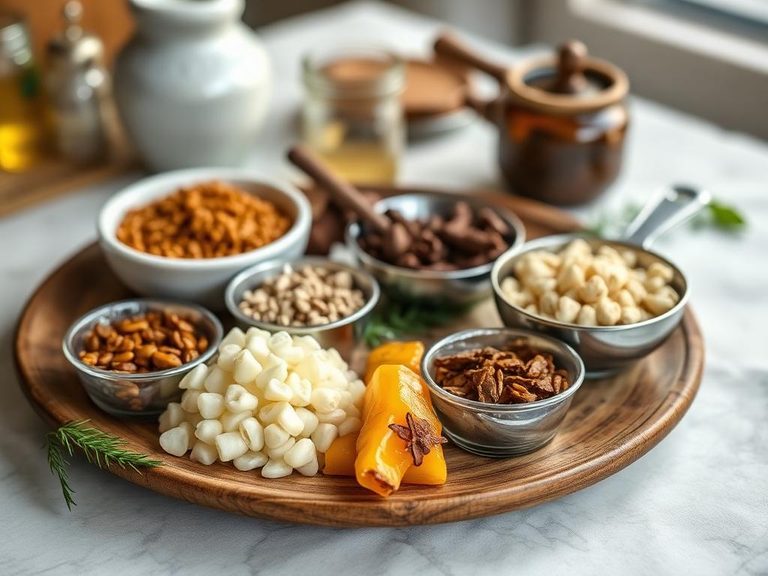
Historical medicinal preparations, often called '药膳' (yào shàn) or medicinal cuisine in China, are dishes where food and traditional Chinese medicine herbs are combined to promote health and balance. They typically feature a base of meat or poultry simmered with various dried herbs, roots, and spices like astragalus, goji berries, and ginger. This culinary practice is deeply rooted in Chinese culture, especially in Cantonese and Hakka cuisines.
🍽️ Nutrition at a glance
These preparations are generally moderate in protein from the meat base and low in fat if lean cuts are used, with minimal carbohydrates unless grains or sweet ingredients are added. They are a notable source of minerals like potassium and iron from the herbs and meat, with a calorie range of roughly 250-400 kcal per serving, depending heavily on the specific recipe and portion of meat.
Nutrition breakdown
| Calories | 320 kcal |
| Protein | 28 g |
| Carbs | 12 g |
| Fat | 18 g |
| Fiber | 3 g |
| Sugar | 2 g |
| Sodium | 480 mg |
| Potassium | 450 mg |
| Iron | 2.5 mg |
| Vitamin A | 120 µg RAE |
| Niacin (B3) | 8 mg |
| Phosphorus | 220 mg |
| Zinc | 2 mg |
| Magnesium | 35 mg |
| Copper | 0.3 mg |
Per 1 bowl (350 g) of chicken and herb soup · estimated, varies by recipe
💡 What's interesting
What makes these dishes unique is their foundational philosophy: food is not just for sustenance but is a form of preventative medicine, with each ingredient chosen for its believed properties to nourish specific organs or bodily systems. Nutritionally, the slow-simmering process is believed to extract beneficial compounds from the herbs into the broth.
🍽️ Related dishes
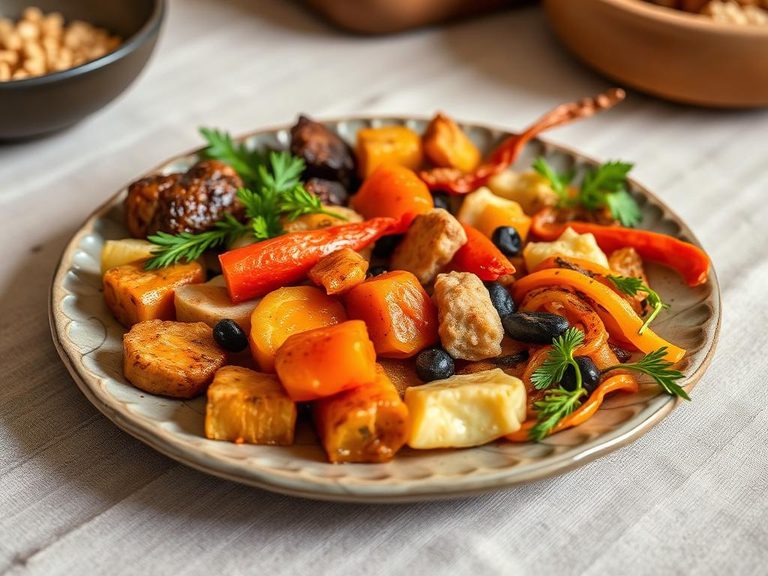 Ritual and medicinal preparations
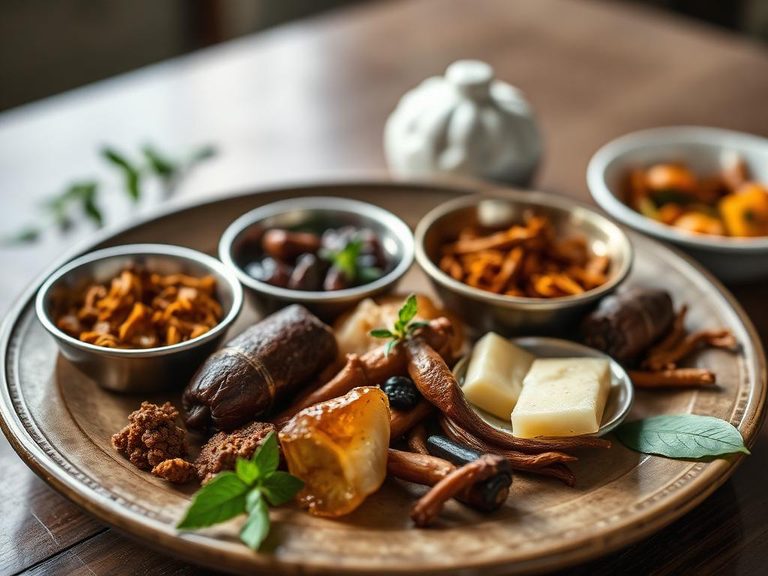 Traditional medicinal preparations
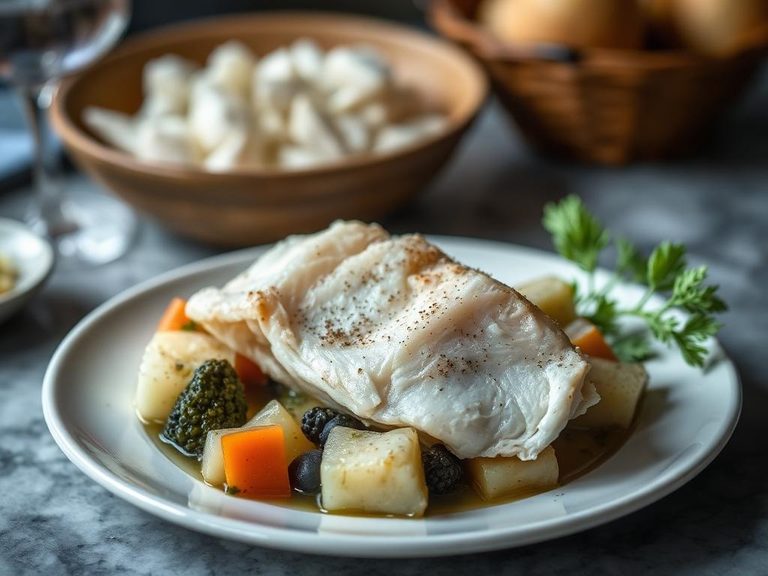 Salt Cod - historically used before preservation techniques advanced
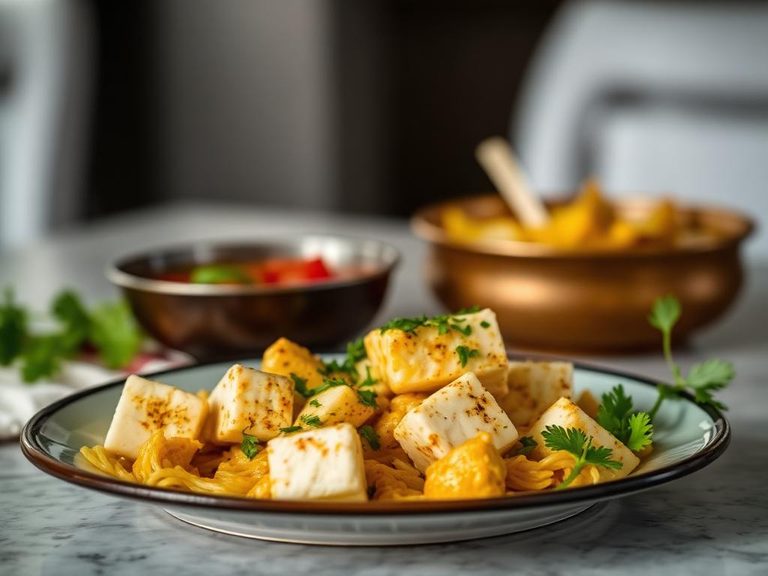 Indian Paneer substitute in some preparations
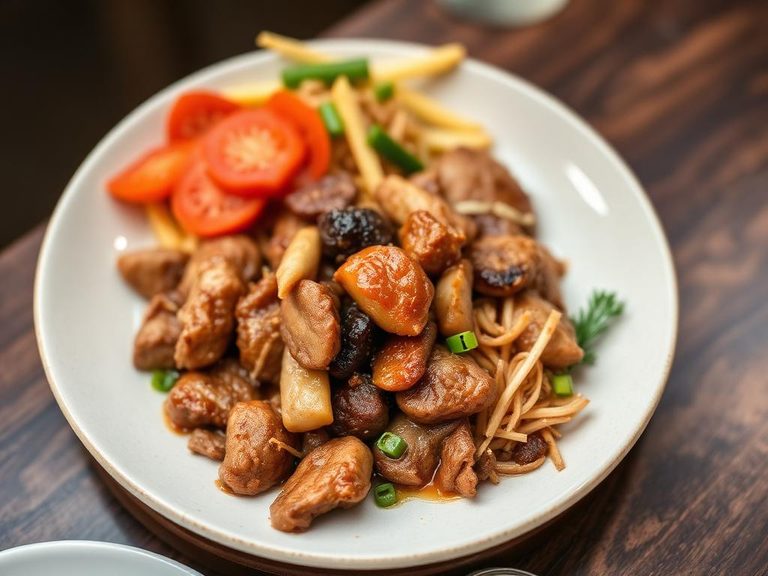 Mixed into other traditional meat preparations
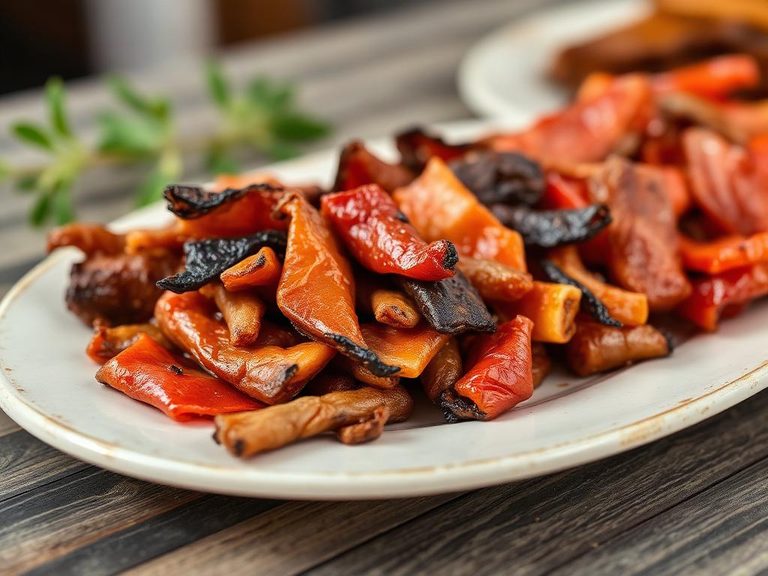 Dried meat preparations
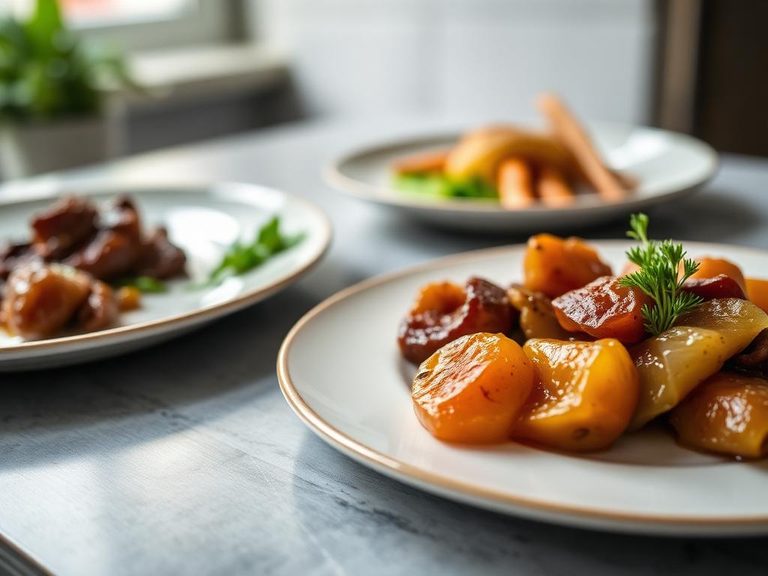 Fermented liver preparations
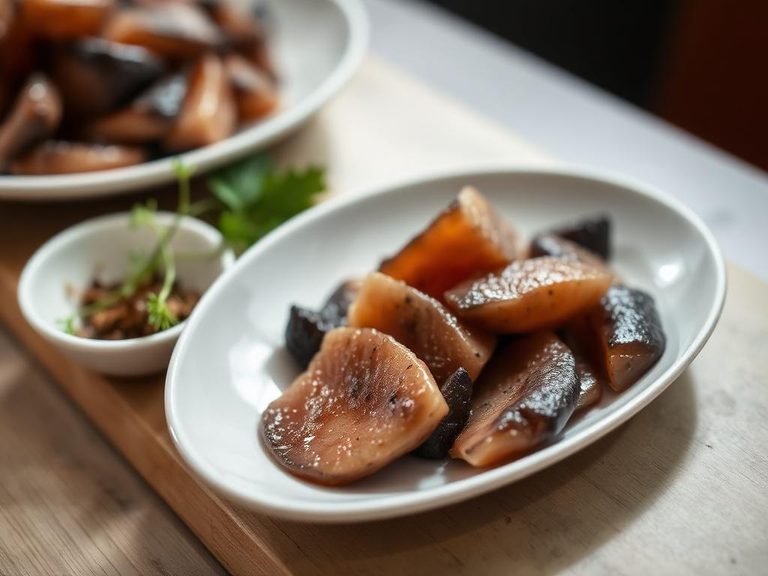 Raw or fermented sea liver preparations