Traditional medicinal preparations
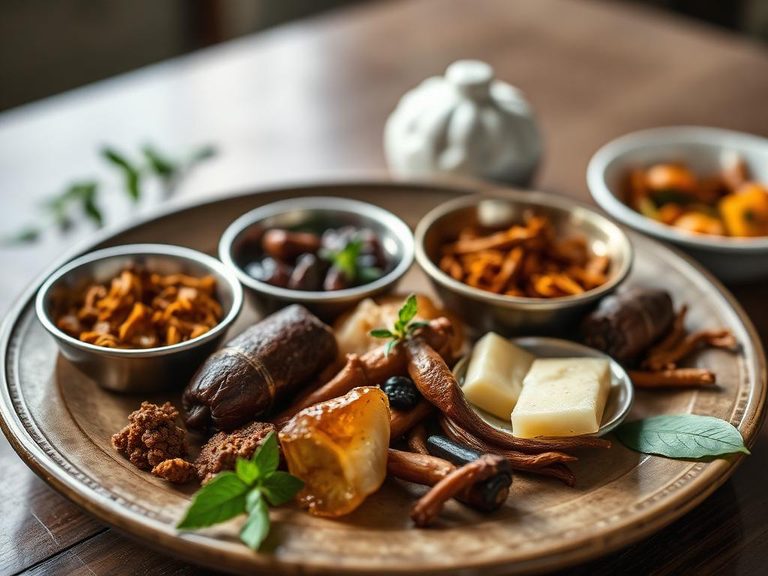
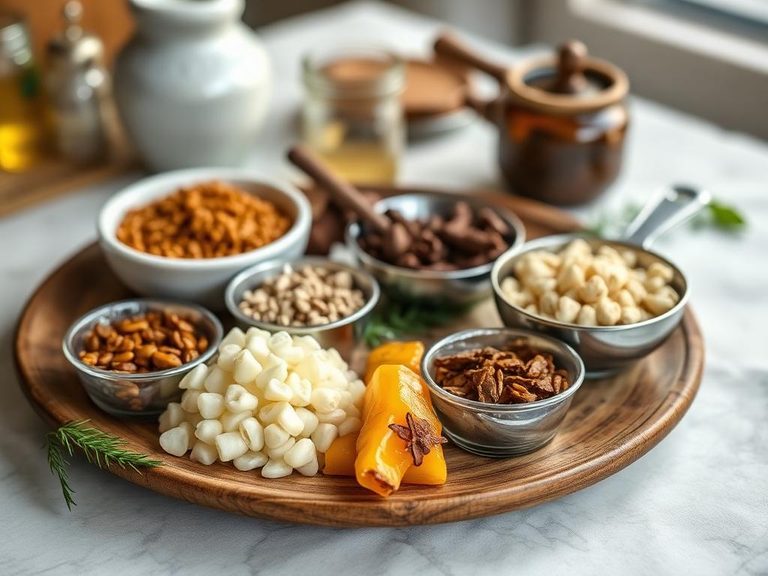
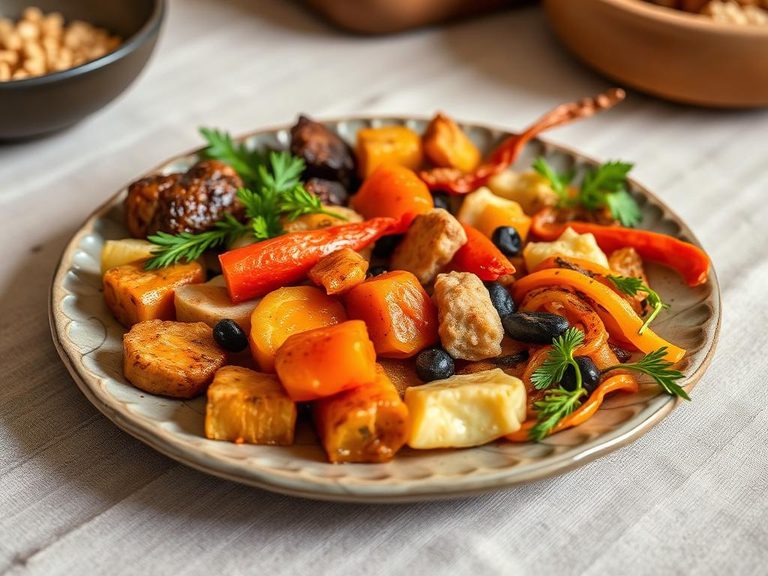
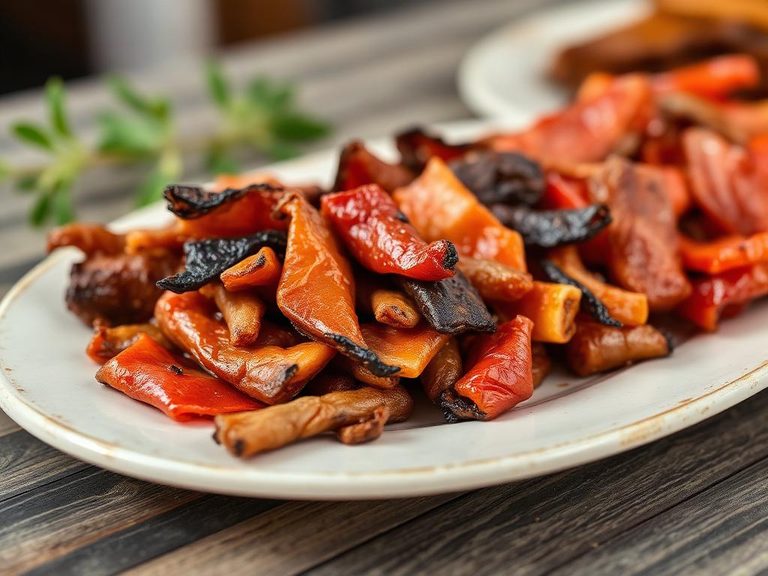
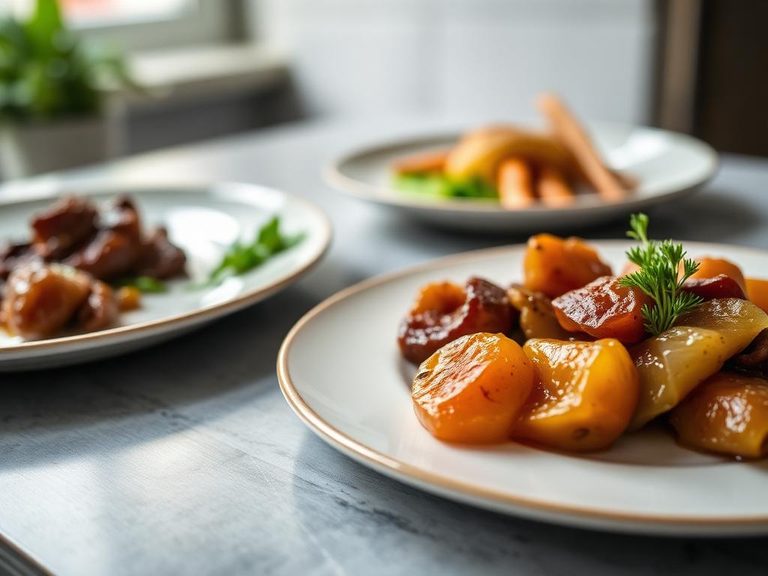
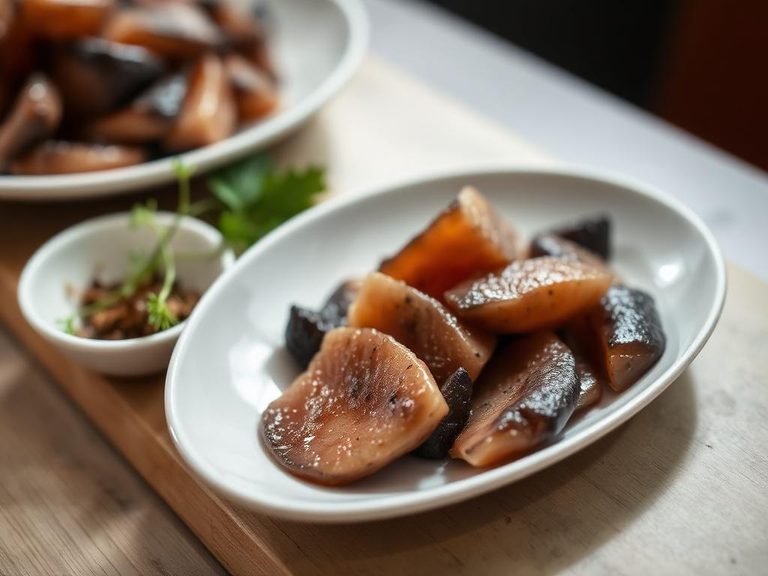
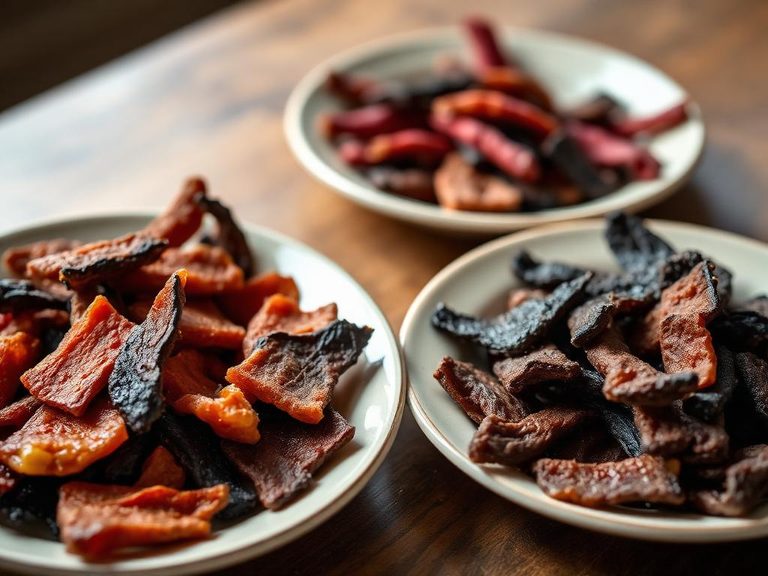
Traditional medicinal preparations, often called 'medicinal soups' or 'herbal stews,' are a cornerstone of food-as-medicine cultures, particularly in East and Southeast Asia. They are slow-cooked broths or congees infused with a variety of dried herbs, roots, fungi, and sometimes lean meats or bones. These dishes are designed not just for sustenance but to balance the body's energy according to traditional wellness principles.
🍽️ Nutrition at a glance
These preparations are typically low in carbohydrates and fat, with a moderate amount of protein if animal ingredients are included. The key nutrients are a wide array of phytonutrients, minerals, and antioxidants extracted from the herbs, providing a broad spectrum of micronutrients with a relatively low calorie count, often between 150-250 kcal per bowl.
Nutrition breakdown
| Calories | 180 kcal |
| Protein | 12 g |
| Carbs | 15 g |
| Fat | 5 g |
| Fiber | 4 g |
| Sugar | 2 g |
| Sodium | 400 mg |
| Potassium | 420 mg |
| Magnesium | 45 mg |
| Iron | 2.5 mg |
| Zinc | 1.8 mg |
| Selenium | 12 mcg |
| Manganese | 0.9 mg |
| Vitamin B6 | 0.3 mg |
| Copper | 0.4 mg |
Per 1 bowl (350 g) · estimated, varies by recipe
💡 What's interesting
What makes these preparations unique is their foundation in centuries-old traditional wellness systems, where specific ingredient combinations are believed to target different bodily systems. They represent a fascinating intersection of culinary art, cultural heritage, and holistic wellness philosophy.