Fermented sea oil
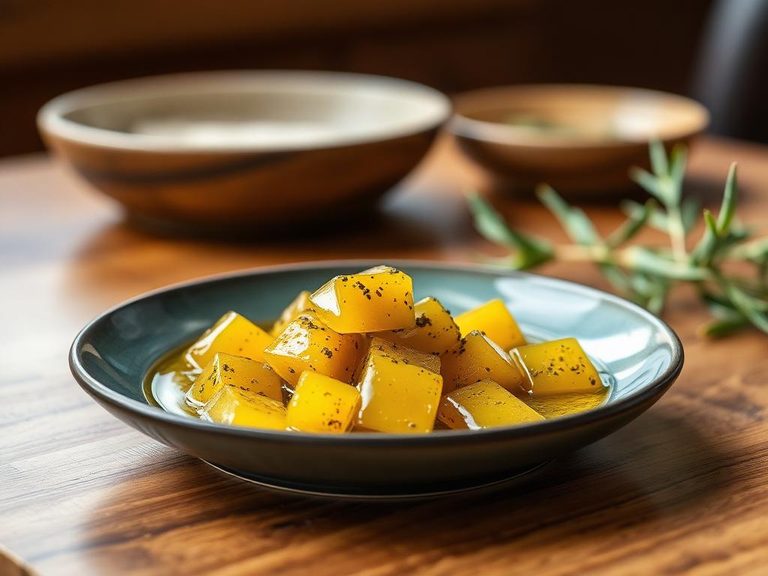
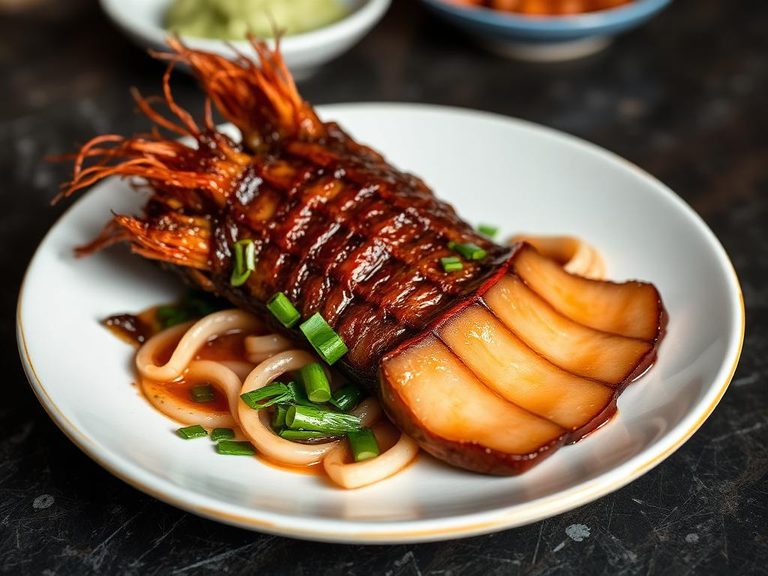
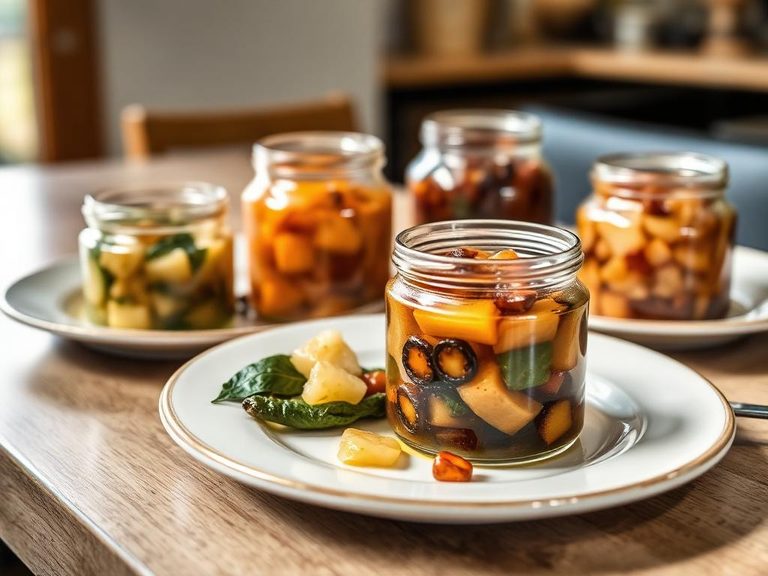
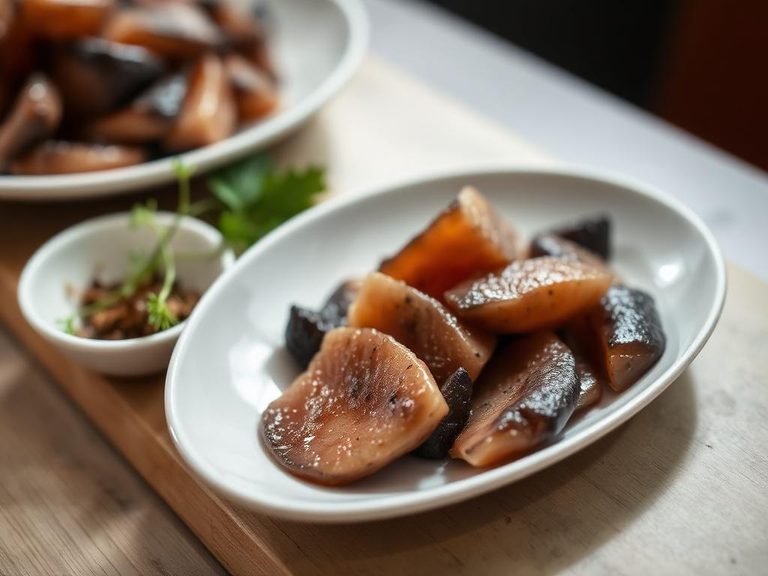
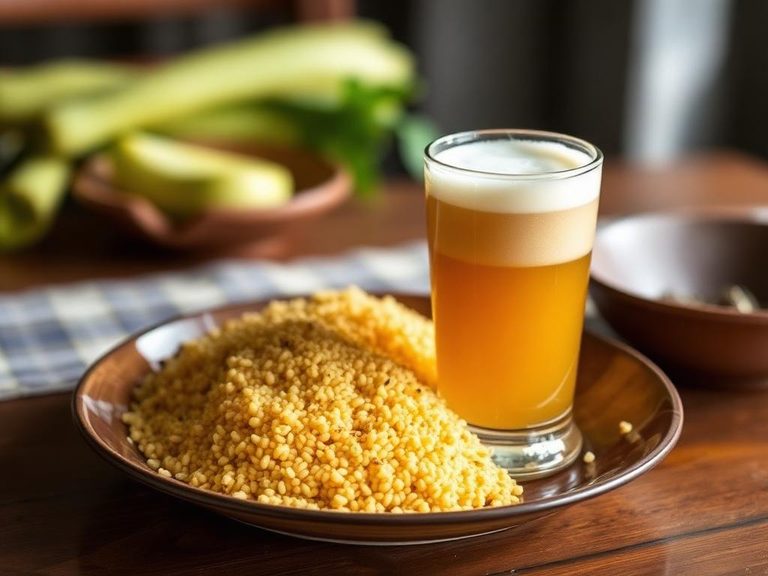
Fermented sea oil, often referred to as 'fish sauce' or 'shottsuru' in Japan, is a pungent, umami-rich condiment made by fermenting fish (typically anchovies, sardines, or mackerel) with salt for months or years. The clear, amber liquid is a staple in Southeast Asian and East Asian cuisines, used to season soups, stir-fries, and dipping sauces.
🍽️ Nutrition at a glance
This condiment is very low in carbohydrates and fat but provides a significant amount of protein and is extremely high in sodium. A typical serving offers a concentrated source of umami flavor, along with minerals like iron and potassium, but should be used sparingly due to its salt content.
Nutrition breakdown
| Calories | 10 kcal |
| Protein | 1.5 g |
| Carbs | 0.5 g |
| Fat | 0 g |
| Fiber | 0 g |
| Sugar | 0 g |
| Sodium | 1400 mg |
| Sodium | 1400 mg |
| Potassium | 50 mg |
| Iron | 0.3 mg |
| Calcium | 10 mg |
| Magnesium | 5 mg |
| Phosphorus | 15 mg |
| Niacin (B3) | 0.2 mg |
| Riboflavin (B2) | 0.01 mg |
Per 1 tablespoon (15 g) · estimated, varies by recipe
💡 What's interesting
Culturally, fermented sea oil is a foundational ingredient in many Asian cuisines, with production methods dating back over 2,000 years. Nutritionally, its fermentation process creates free glutamate, the compound responsible for the savory 'fifth taste' known as umami, which can enhance the flavor of other foods.