

Sauce, fish, ready-to-serve
Whole food · Soups, Sauces, and Gravies

Photo: Wikipedia
Fish sauce is a pungent, amber liquid condiment made from fermented fish and salt, delivering a powerful umami punch with a salty, savory depth. Its thin, watery texture belies its intense flavor, which can transform a dish with just a few drops. Nutritionally, it's a low-calorie, high-protein seasoning, though its sodium content is its most significant nutritional characteristic.
Calorie split: 58% protein · 42% carbs · 0% fat
↓ Full nutrition💚 Why it's loved
People love fish sauce for its unparalleled ability to add savory depth and complexity to a dish, a quality known as umami. It's a cultural cornerstone in Southeast Asian cuisines, providing the essential flavor backbone for countless soups, stir-fries, and dipping sauces.
⚠️ Watch-outs & how to enjoy it better
The primary downside is its very high sodium content, which can be a concern for those monitoring salt intake. Its strong, pungent aroma can also be off-putting to those unfamiliar with it. To counteract, use it sparingly as a finishing seasoning rather than a cooking base, and pair it with dishes that already contain potassium-rich vegetables like leafy greens or tomatoes to help balance sodium levels.
Key benefits
- Extremely low in calories and fat
- Rich source of umami flavor, reducing need for other salts
- Contains naturally occurring amino acids from fermentation
- Adds depth without adding fat or sugar
🍽️ Popular dishes
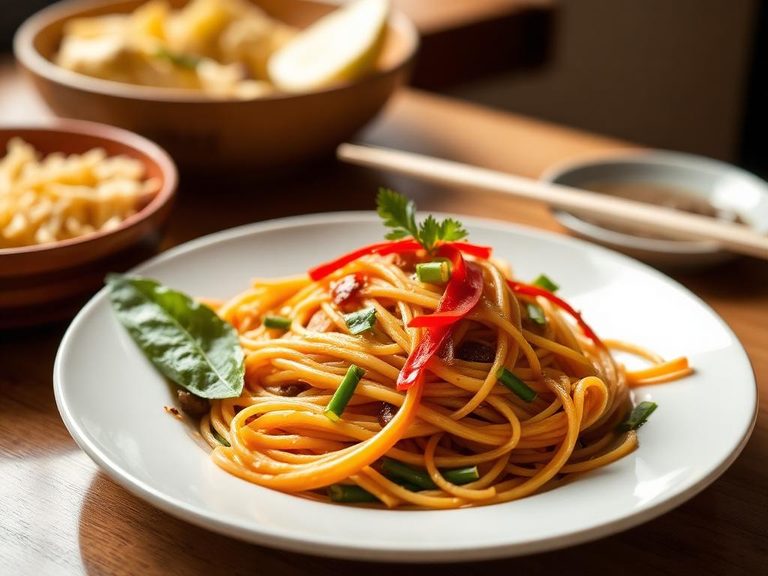
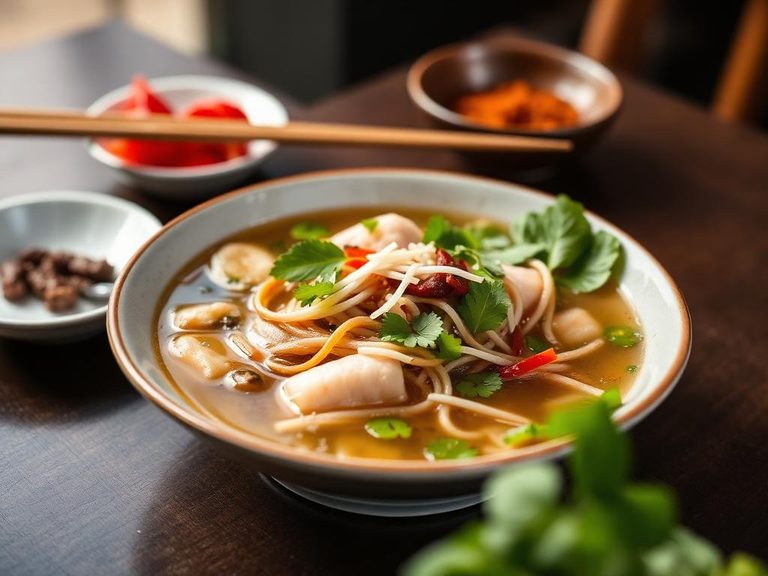
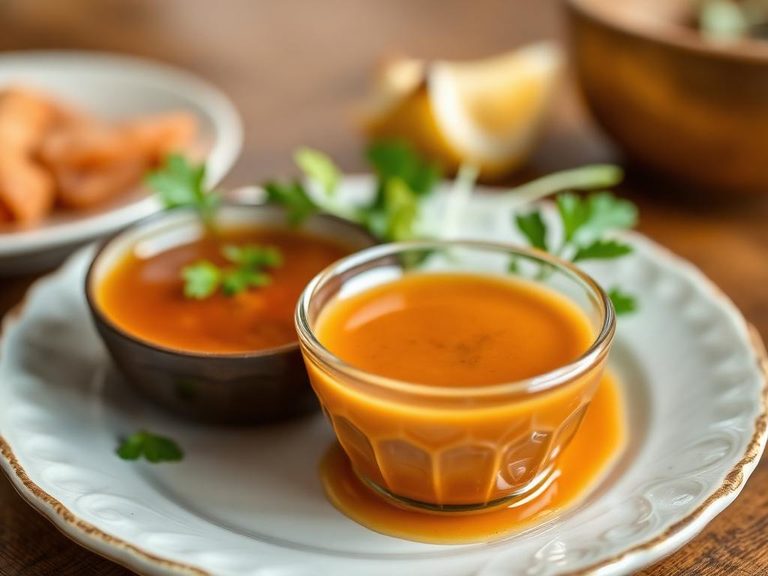
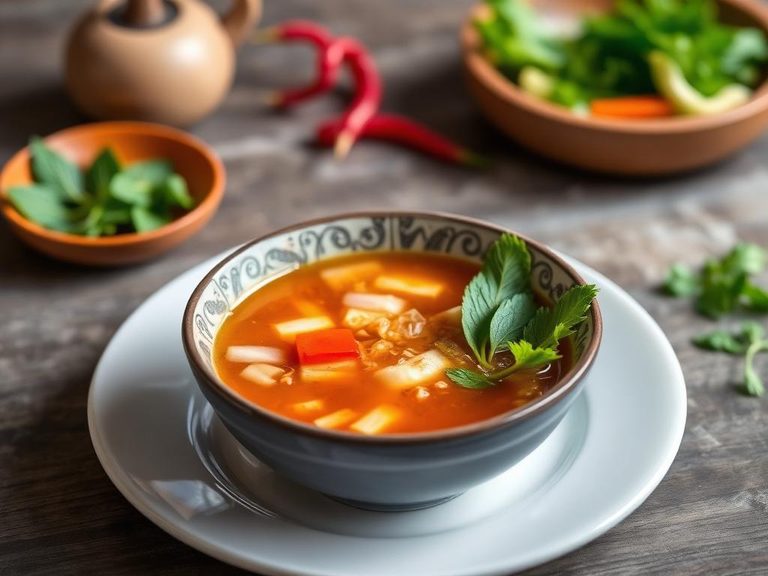
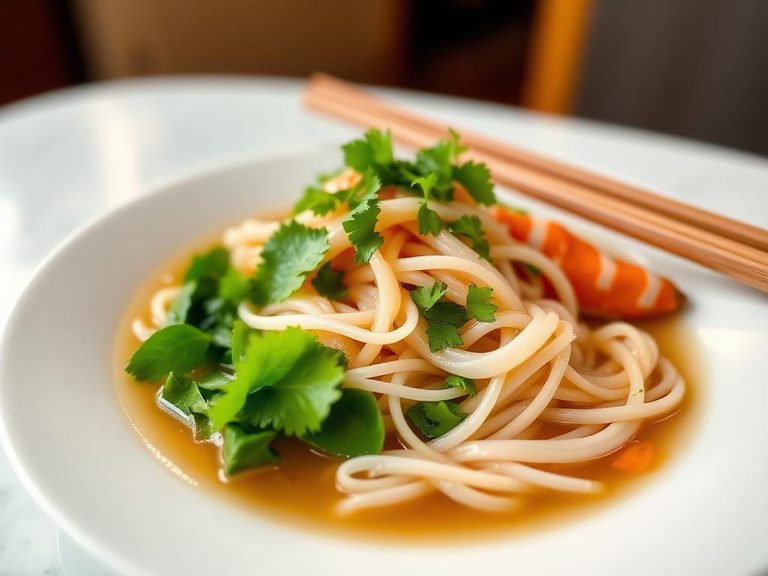
🌍 Where it's eaten
💡 Did you know?
The earliest known fish sauce production dates back to ancient Rome, where it was called 'garum' and was as common and valuable as salt.
Full nutrition (USDA data · scales with serving)
| Water | 71.1 g |
| Energy | 35.0 kcal |
| Energy | 146 kj |
| Protein | 5.1 g |
| Total lipid (fat) | 0.01 g |
| Ash | 20.2 g |
| Carbohydrate, by difference | 3.6 g |
| Fiber, total dietary | 0.00 g |
| Total Sugars | 3.6 g |
| Calcium, Ca | 43.0 mg |
| Iron, Fe | 0.78 mg |
| Magnesium, Mg | 175 mg |
| Phosphorus, P | 7.0 mg |
| Potassium, K | 288 mg |
| Sodium, Na | 7851 mg |
| Zinc, Zn | 0.20 mg |
| Copper, Cu | 0.05 mg |
| Manganese, Mn | 0.23 mg |
| Selenium, Se | 9.1 ug |
| Vitamin C, total ascorbic acid | 0.50 mg |
| Thiamin | 0.01 mg |
| Riboflavin | 0.06 mg |
| Niacin | 2.3 mg |
| Pantothenic acid | 0.12 mg |
| Vitamin B-6 | 0.40 mg |
| Folate, total | 51.0 ug |
| Folic acid | 0.00 ug |
| Folate, food | 51.0 ug |
| Folate, DFE | 51.0 ug |
| Choline, total | 13.2 mg |
| Vitamin B-12 | 0.48 ug |
| Vitamin B-12, added | 0.00 ug |
| Vitamin A, RAE | 4.0 ug |
| Retinol | 4.0 ug |
| Carotene, beta | 0.00 ug |
| Carotene, alpha | 0.00 ug |
| Cryptoxanthin, beta | 0.00 ug |
| Vitamin A, IU | 12.0 iu |
| Lycopene | 0.00 ug |
| Lutein + zeaxanthin | 0.00 ug |
| Vitamin E (alpha-tocopherol) | 0.00 mg |
| Vitamin E, added | 0.00 mg |
| Vitamin D (D2 + D3), International Units | 0.00 iu |
| Vitamin D (D2 + D3) | 0.00 ug |
| Vitamin K (phylloquinone) | 0.00 ug |
| Alcohol, ethyl | 0.00 g |
| Caffeine | 0.00 mg |
| Theobromine | 0.00 mg |
Fat & fatty acid profile (per 100g)
| Fatty acids, total saturated | 0.00 g |
| SFA 4:0 | 0.00 g |
| SFA 6:0 | 0.00 g |
| SFA 8:0 | 0.00 g |
| SFA 10:0 | 0.00 g |
| SFA 12:0 | 0.00 g |
| SFA 14:0 | 0.00 g |
| SFA 16:0 | 0.00 g |
| SFA 18:0 | 0.00 g |
| Fatty acids, total monounsaturated | 0.00 g |
| MUFA 16:1 | 0.00 g |
| MUFA 18:1 | 0.00 g |
| MUFA 20:1 | 0.00 g |
| MUFA 22:1 | 0.00 g |
| Fatty acids, total polyunsaturated | 0.00 g |
| PUFA 18:2 | 0.00 g |
| PUFA 18:3 | 0.00 g |
| PUFA 18:4 | 0.00 g |
| PUFA 20:4 | 0.00 g |
| PUFA 20:5 n-3 (EPA) | 0.00 g |
| PUFA 22:5 n-3 (DPA) | 0.00 g |
| PUFA 22:6 n-3 (DHA) | 0.00 g |
| Cholesterol | 0.00 mg |
Amino acid profile (per 100g)
Estimated from Sauce, homemade, white, medium — USDA does not publish this profile for Sauce.
| Tryptophan | 0.04 g |
| Threonine | 0.14 g |
| Isoleucine | 0.19 g |
| Leucine | 0.30 g |
| Lysine | 0.24 g |
| Methionine | 0.08 g |
| Cystine | 0.03 g |
| Phenylalanine | 0.15 g |
| Tyrosine | 0.15 g |
| Valine | 0.20 g |
| Arginine | 0.11 g |
| Histidine | 0.08 g |
| Alanine | 0.10 g |
| Aspartic acid | 0.23 g |
| Glutamic acid | 0.64 g |
| Glycine | 0.07 g |
| Proline | 0.30 g |
| Serine | 0.17 g |
FAQ
What's the difference between fish sauce and soy sauce?
Fish sauce is made from fermented fish, while soy sauce is made from fermented soybeans. Fish sauce has a thinner consistency, a more pungent aroma, and a distinct marine umami flavor, whereas soy sauce is thicker, less pungent, and has a more earthy, bean-based umami.
How should I store an opened bottle of fish sauce?
Store it in a cool, dark place like a pantry. While refrigeration isn't strictly necessary due to its high salt content, it can help preserve its flavor for even longer after opening.
Can I use fish sauce if I'm allergic to shellfish?
Fish sauce is made from fish (typically anchovies), not shellfish. However, you must check the label carefully, as some brands may be processed in facilities that also handle shellfish, posing a cross-contamination risk.
Nutrient density (calculated · NRF9.3)
Nutrient Rich Foods index: beneficial nutrients (protein, fiber, vitamins, minerals) minus saturated fat, added sugar & sodium, per 100 kcal.
NRF9.3 index — Fulgoni, Keast & Drewnowski, 2009. Computed from USDA nutrients.
Weight-loss friendliness (composite index)
Energy density 0.35 kcal/g · 58% calories from protein · 0.0 g fiber · 3.6 g sugar per 100 g.
Composite of energy density (Rolls et al., 1999), protein & fiber satiety, minus sugar. A calculated heuristic — ranks satiety-per-calorie, not a clinical measure.
Dietary load (calculated from USDA values)
Potential renal acid load. Positive = acid-forming, negative = alkaline-forming.
Sodium-to-potassium ratio: 27.26 (lower is better — aim for ≤ 1)
Sodium:potassium per WHO potassium guidance. Computed from USDA nutrients.