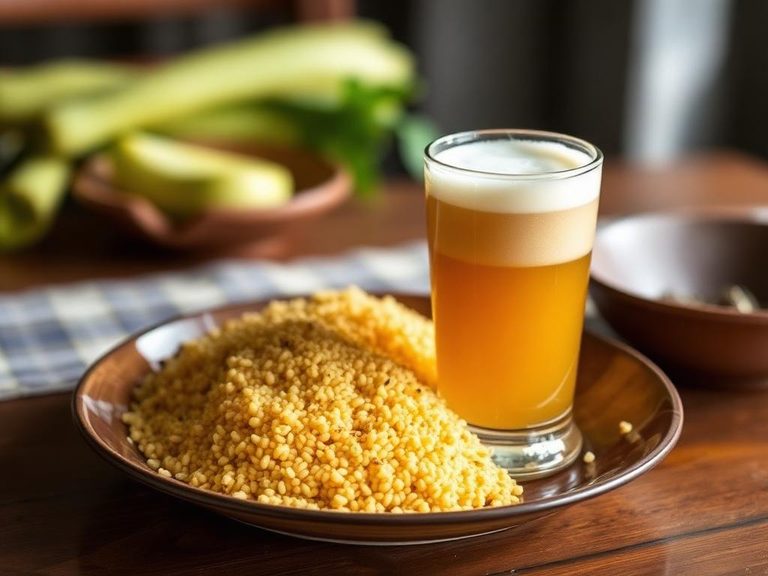
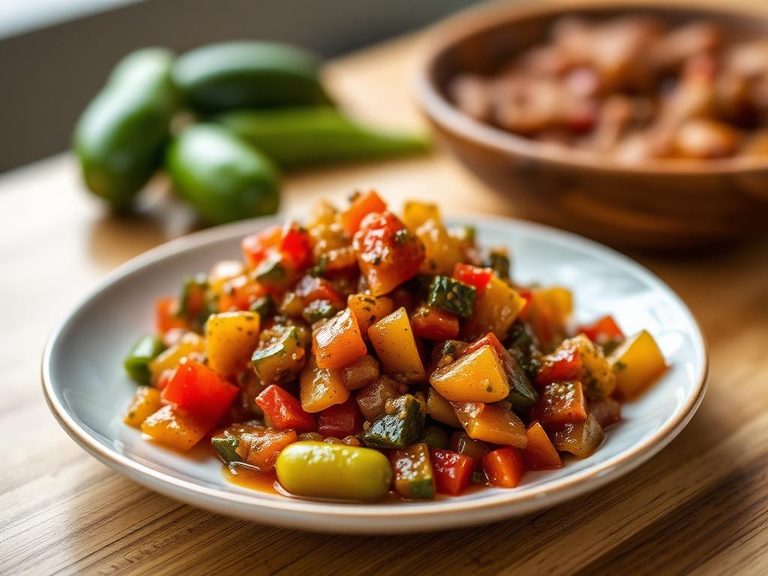
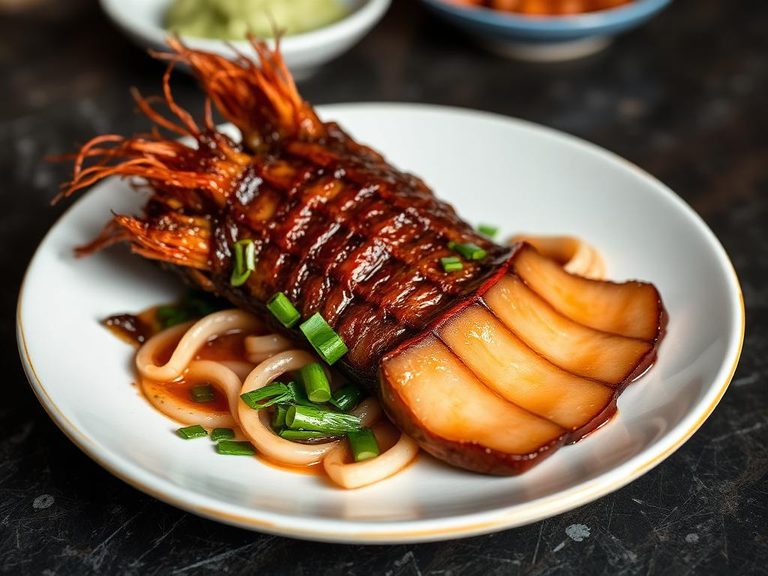
Fermented fish liver
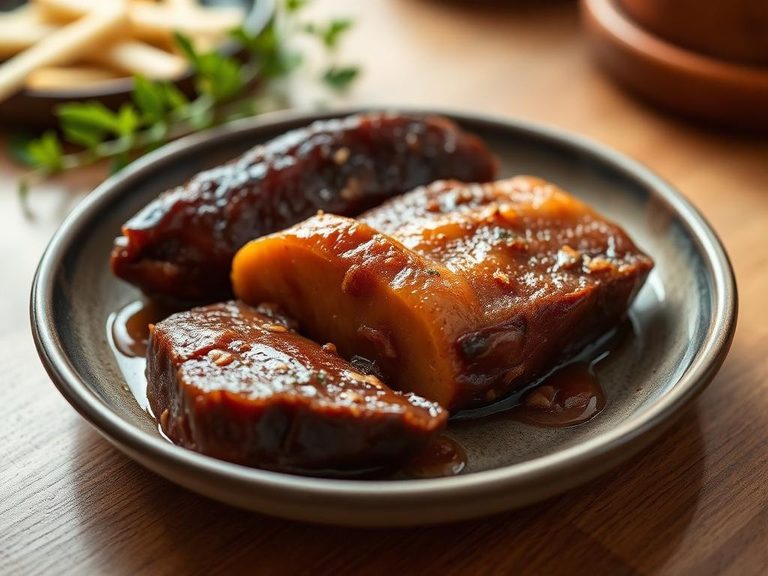
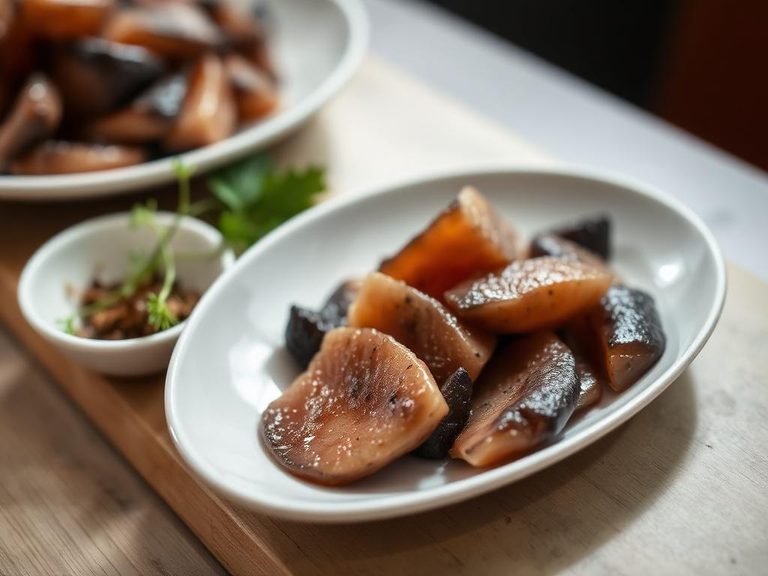
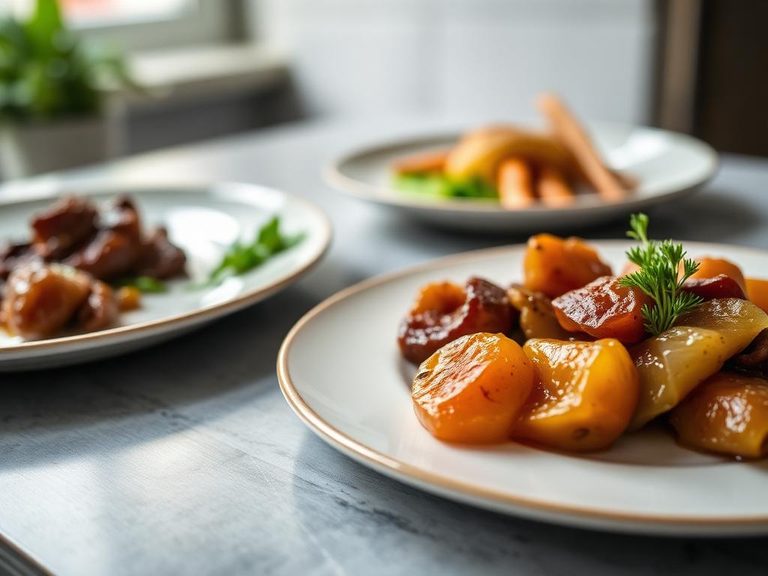
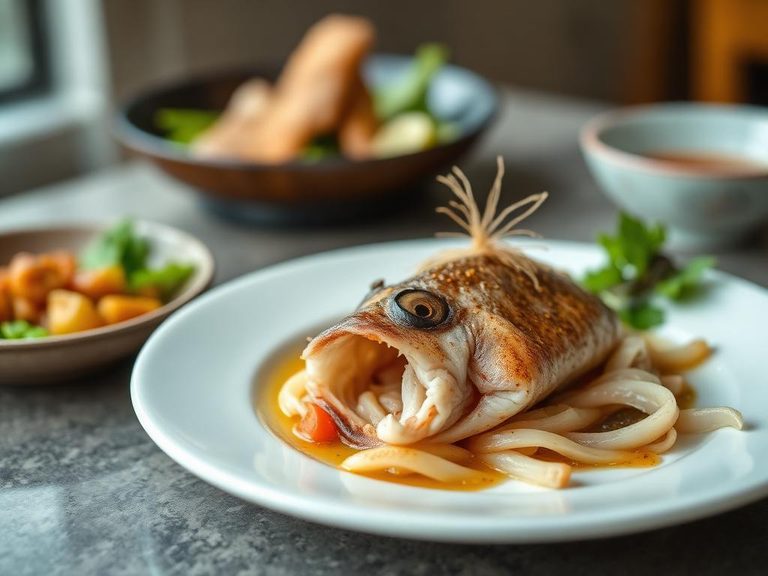
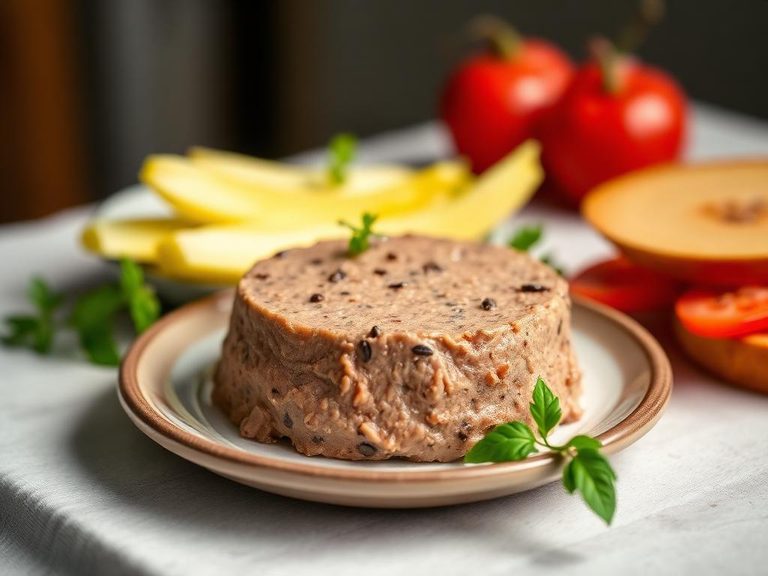
Fermented fish liver is a traditional condiment made by preserving fish livers, often from cod or similar species, in salt or brine for an extended period. It is a staple in Scandinavian and Nordic cuisines, particularly in countries like Norway, Iceland, and Sweden, where it's known as 'liver paste' or similar local names. The fermentation process gives it a strong, pungent aroma and a rich, umami flavor.
🍽️ Nutrition at a glance
This dish is very high in fat and protein, with virtually no carbohydrates, and is an excellent source of vitamins A and D, as well as omega-3 fatty acids. A typical serving provides a significant calorie boost, primarily from healthy fats.
Nutrition breakdown
| Calories | 100 kcal |
| Protein | 4 g |
| Carbs | 0 g |
| Fat | 9 g |
| Fiber | 0 g |
| Sugar | 0 g |
| Sodium | 350 mg |
| Vitamin A | 1500 IU (30% DV) |
| Vitamin D | 10 mcg (50% DV) |
| Vitamin B12 | 3 mcg (125% DV) |
| Omega-3 (EPA+DHA) | 1.2 g |
| Selenium | 15 mcg (27% DV) |
| Phosphorus | 80 mg |
| Choline | 25 mg |
Per 2 tablespoons (30 g) · estimated, varies by recipe
💡 What's interesting
Culturally, it's a historic preservation method that allowed communities to store vital nutrients through long winters. Nutritionally, it's a potent source of fat-soluble vitamins, making it a traditional supplement for preventing deficiencies in low-sunlight regions.