Fermented Fish Head
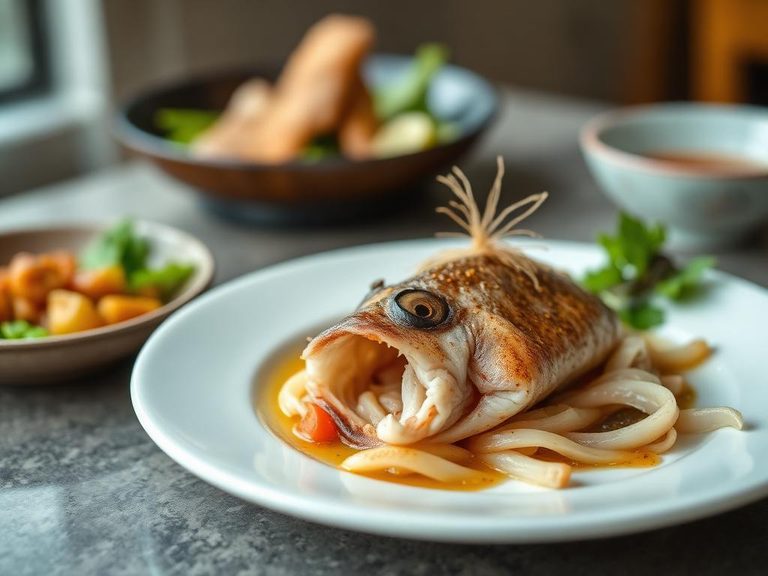
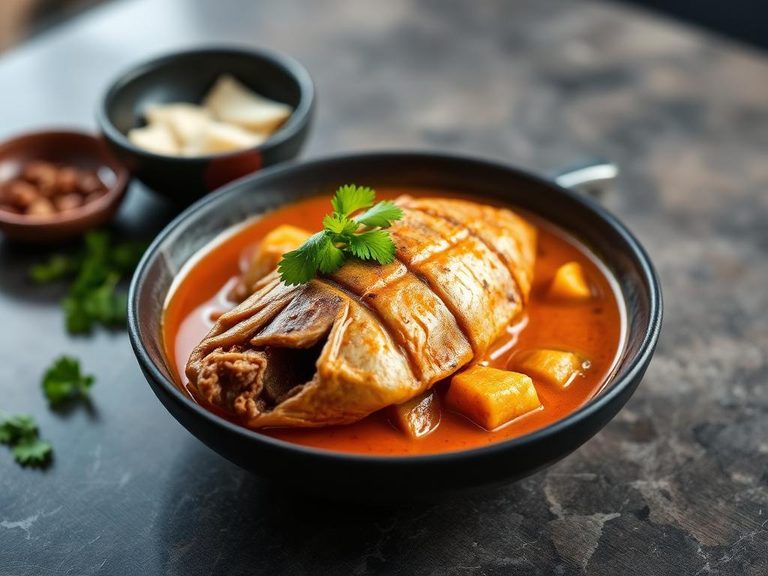
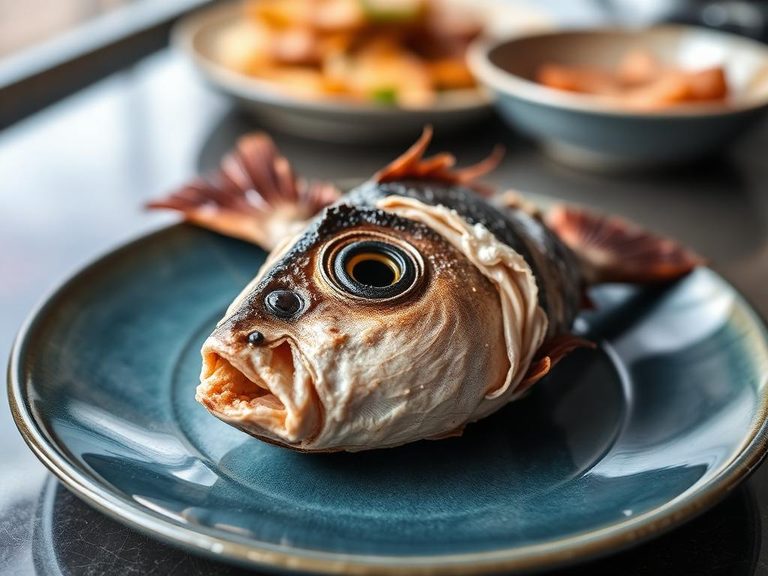
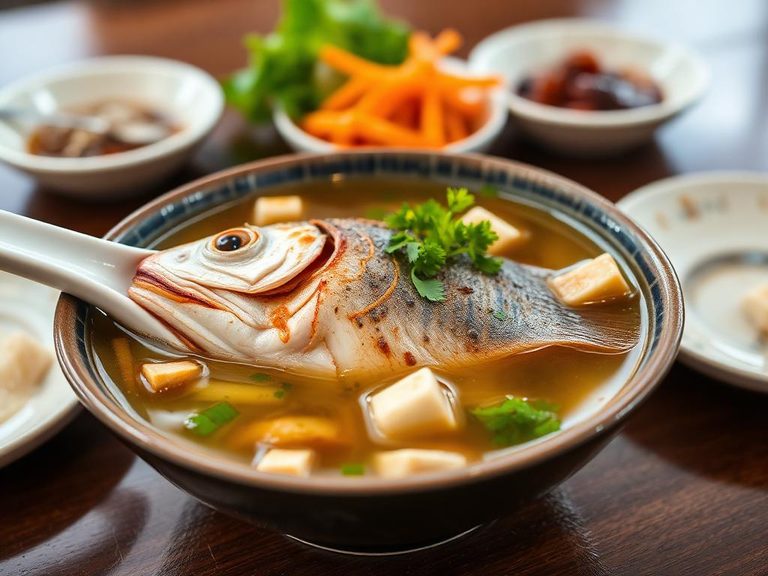
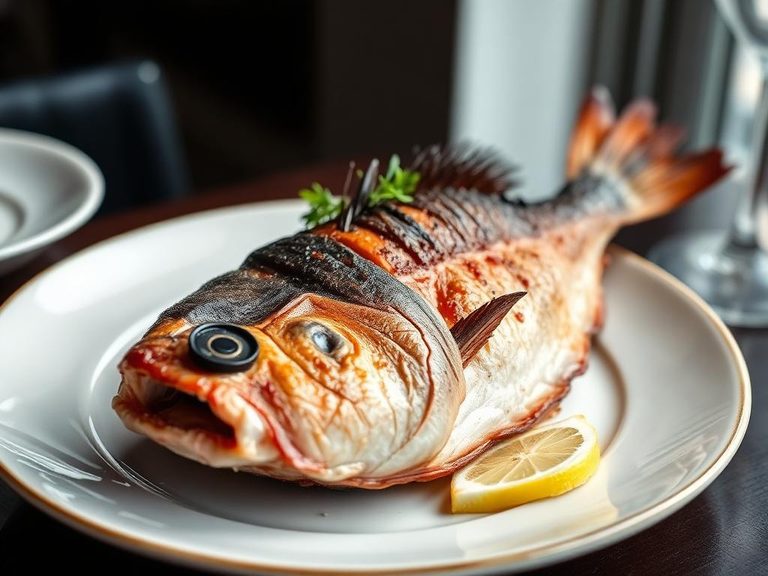
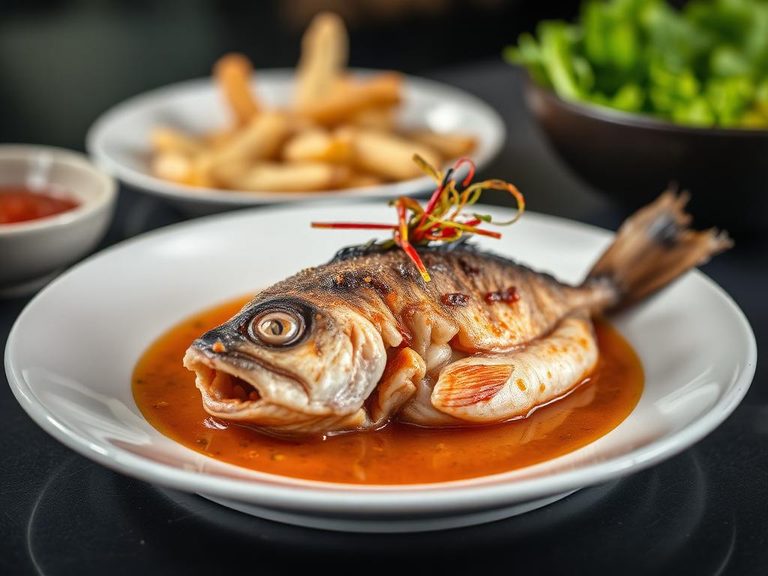
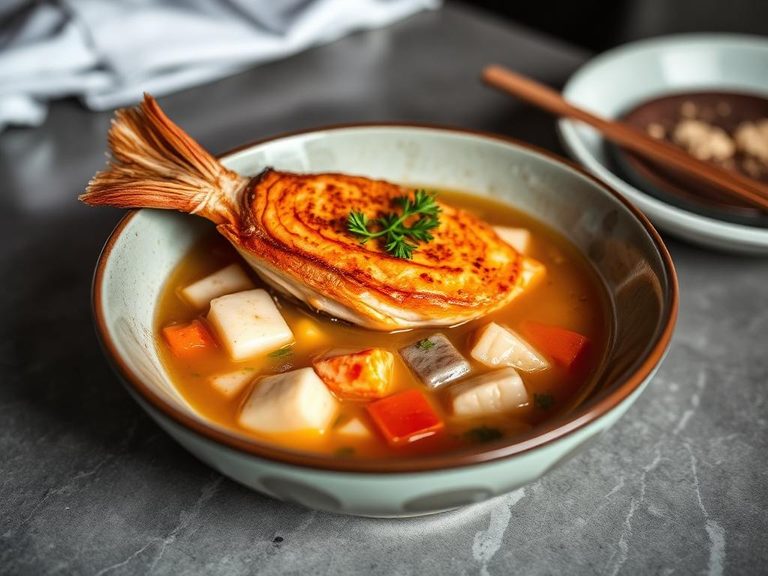
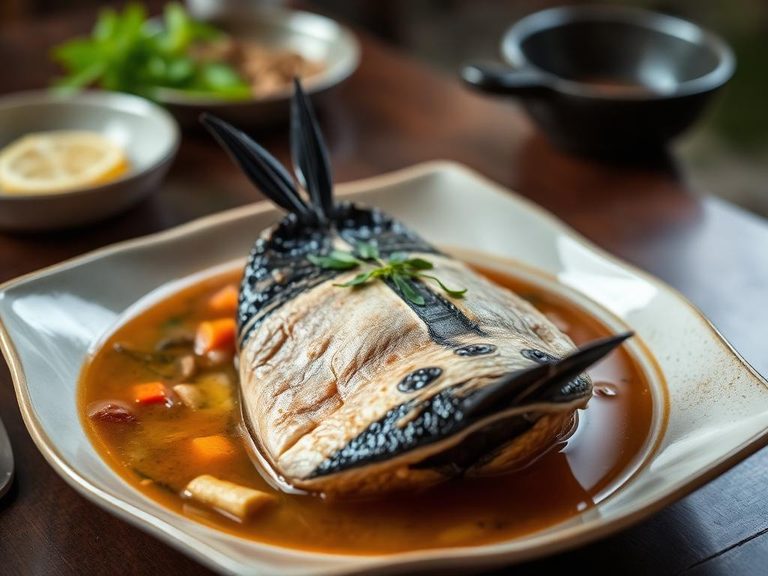
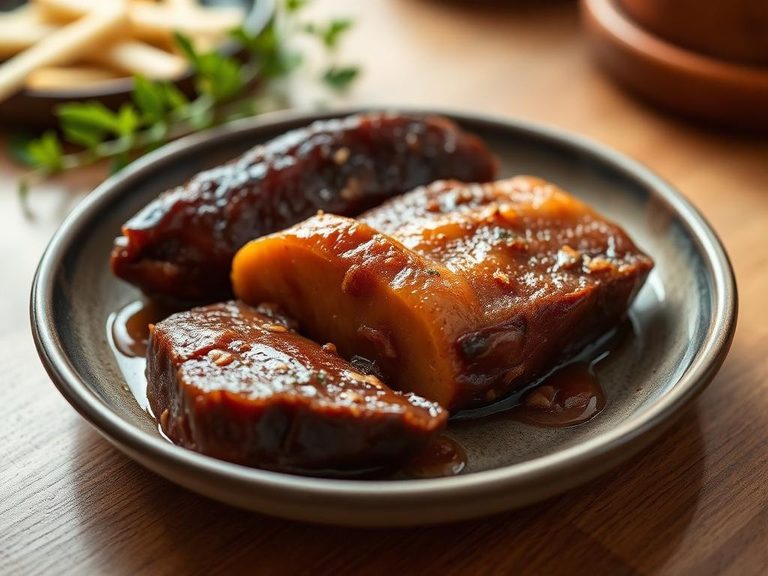
Fermented Fish Head is a traditional preserved food, typically made by salting fish heads (often from carp or similar freshwater fish) and allowing them to undergo natural lactic acid fermentation. It is a specialty dish with deep roots in various regional cuisines across China, particularly in provinces like Hunan, Guizhou, and Sichuan, as well as in Southeast Asian countries like Thailand and Vietnam.
🍽️ Nutrition at a glance
This dish is very high in protein and fat, with minimal carbohydrates, as it is primarily composed of fish. It is a dense source of essential nutrients like omega-3 fatty acids, vitamin D, and minerals such as phosphorus and selenium.
Nutrition breakdown
| Calories | 280 kcal |
| Protein | 22 g |
| Carbs | 0 g |
| Fat | 21 g |
| Fiber | 0 g |
| Sugar | 0 g |
| Sodium | 1200 mg |
| Selenium | 30 mcg |
| Phosphorus | 250 mg |
| Vitamin D | 5 mcg |
| Vitamin B12 | 4.5 mcg |
| Omega-3 (EPA+DHA) | 1.5 g |
| Niacin (B3) | 5 mg |
| Iron | 1.2 mg |
| Zinc | 2 mg |
Per 1 serving (approx. 150 g) · estimated, varies by recipe
💡 What's interesting
The fermentation process not only preserves the fish but also develops a complex, deeply savory umami flavor and a tender texture. Nutritionally, fermentation can increase the bioavailability of certain nutrients and produce beneficial probiotics, though the high salt content is a key characteristic of this preservation method.