Dried Fish Head
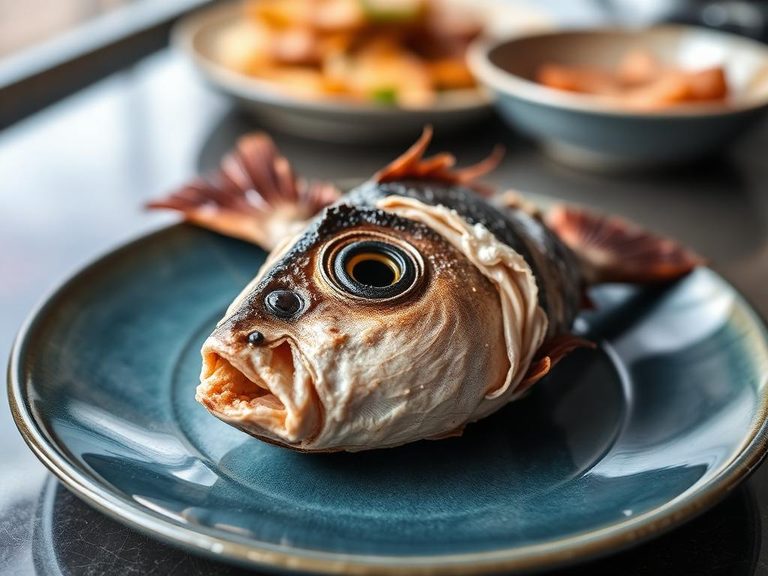
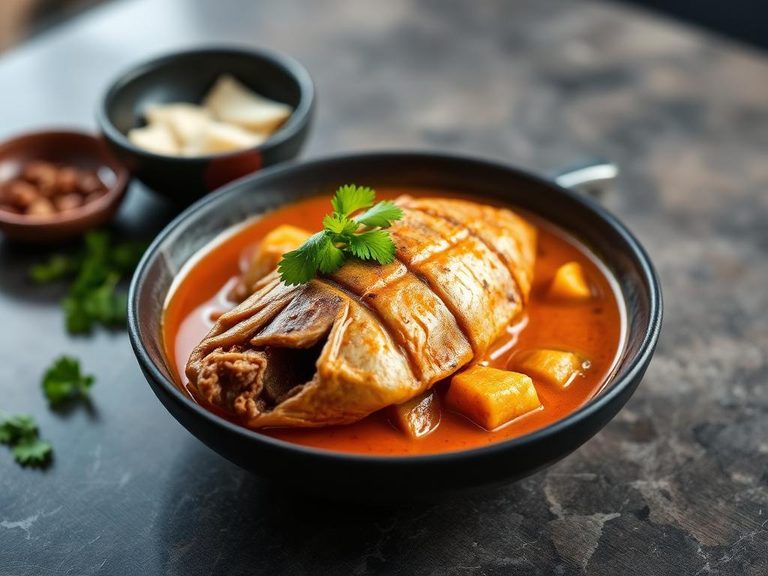
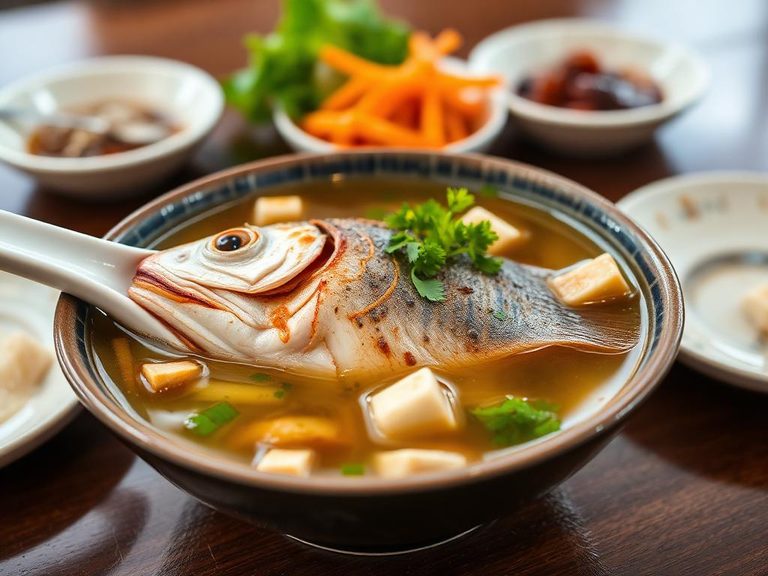
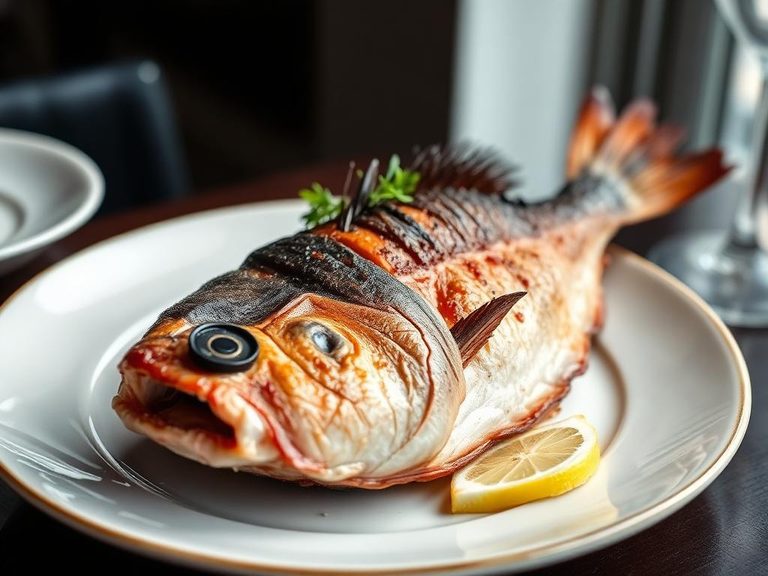
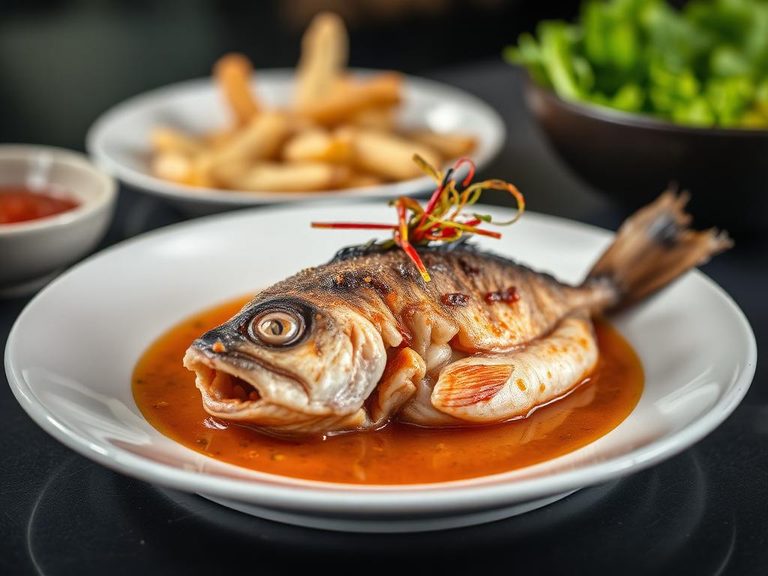
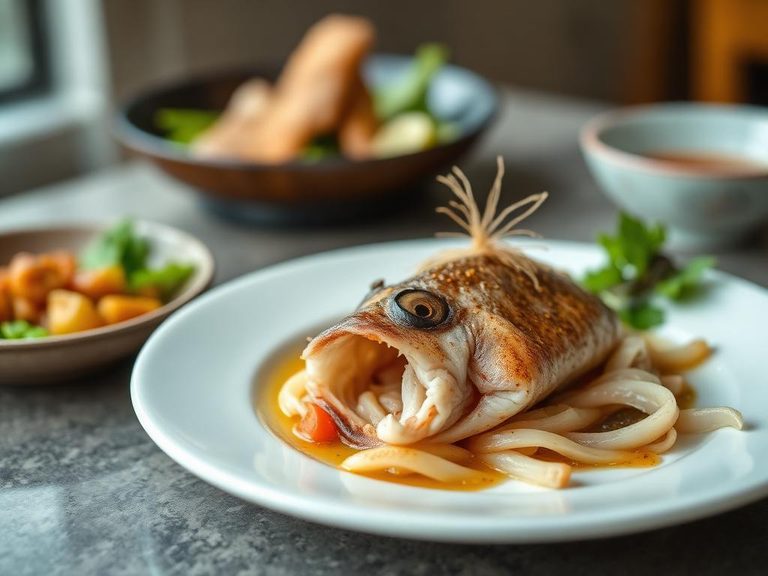
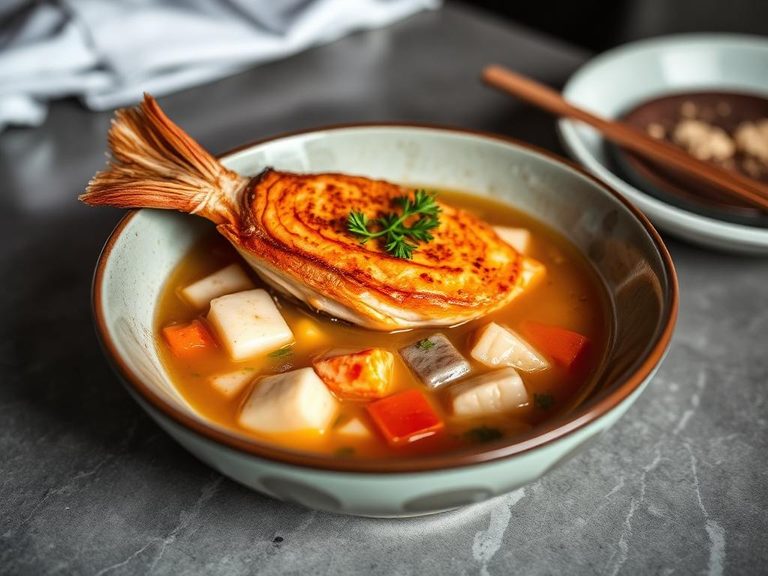
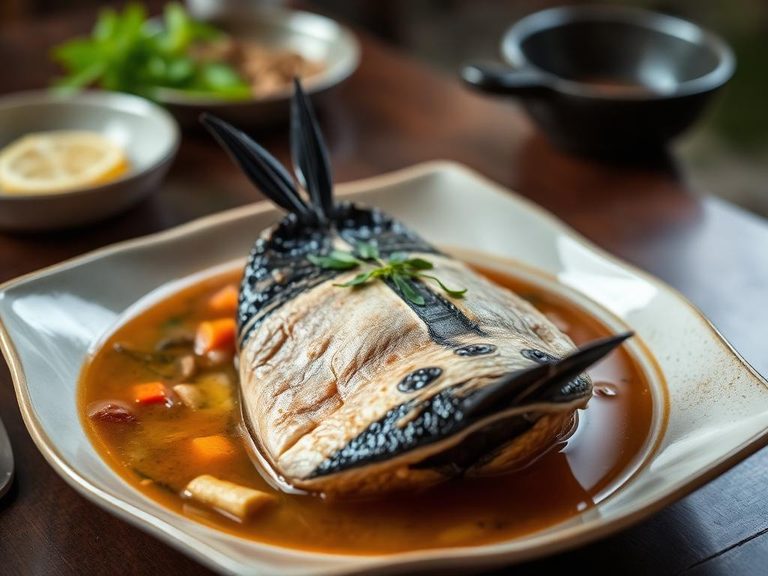
Dried Fish Head is a traditional preserved food made by salting and air-drying or sun-drying fish heads, often from oily fish like mackerel or cod. It's a staple in many coastal cuisines, particularly in East Asia (like China, Korea, and Japan) and Southeast Asia, where it's prized for its intense umami flavor and long shelf life.
🍽️ Nutrition at a glance
This dish is very high in protein and healthy fats, especially omega-3 fatty acids, while being virtually carbohydrate-free. A single serving provides a significant amount of high-quality protein, vitamin D, and minerals like calcium and phosphorus, with a calorie range that varies greatly depending on the fish type and preparation (typically 150-300 kcal per 100g serving).
Nutrition breakdown
| Calories | 180 kcal |
| Protein | 25 g |
| Carbs | 0 g |
| Fat | 9 g |
| Fiber | 0 g |
| Sugar | 0 g |
| Sodium | 800 mg |
| Protein | 25 g |
| Omega-3 (EPA+DHA) | 1.2 g |
| Vitamin D | 10 µg |
| Calcium | 150 mg |
| Phosphorus | 200 mg |
| Selenium | 30 µg |
| Vitamin B12 | 4 µg |
| Sodium | 800 mg |
Per 1 piece (about 85 g) · estimated, varies by recipe
💡 What's interesting
Culturally, it's a prime example of ancient food preservation techniques, transforming a less desirable cut into a flavorful ingredient. Nutritionally, the drying process concentrates nutrients, making it an exceptionally dense source of protein and minerals, though also high in sodium.