Headcheese Sandwich

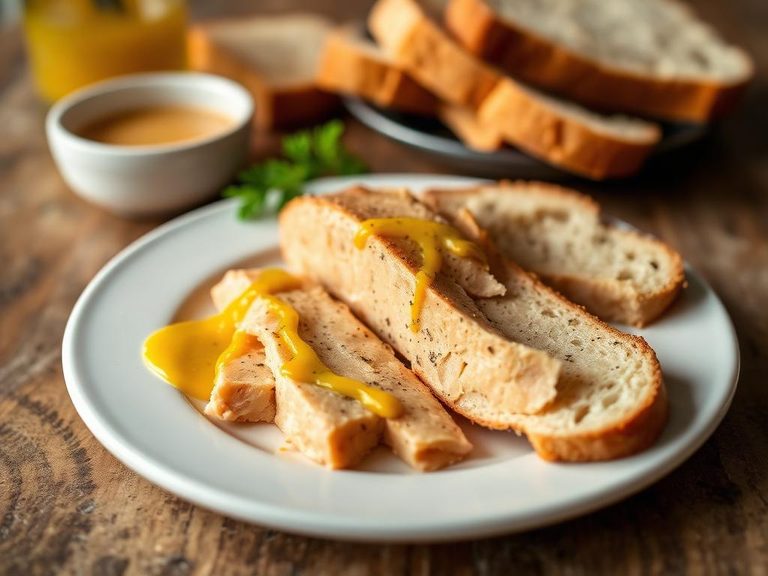
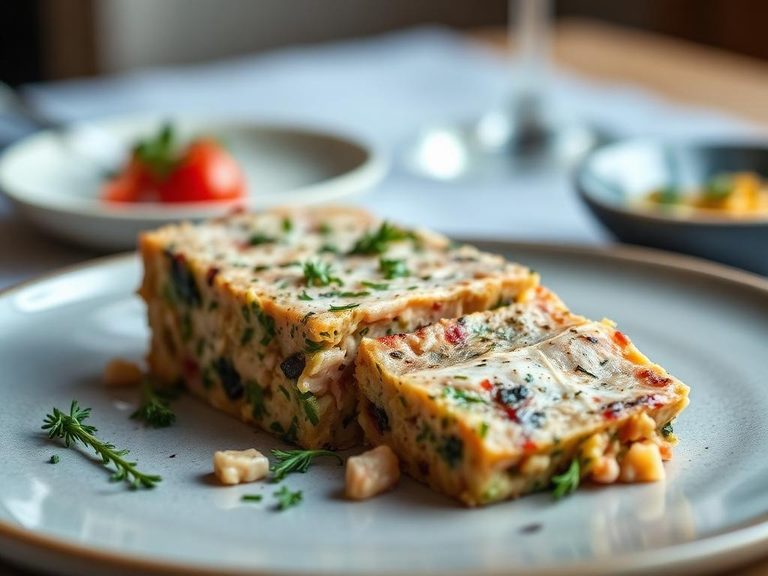
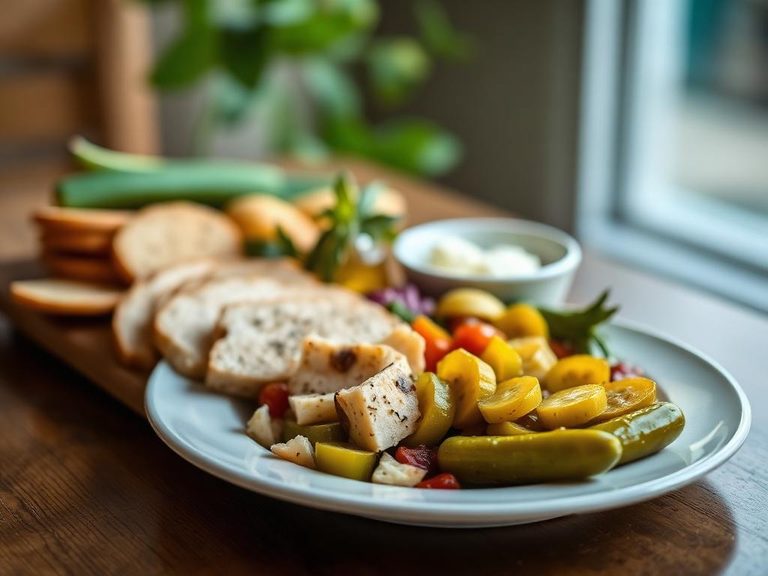
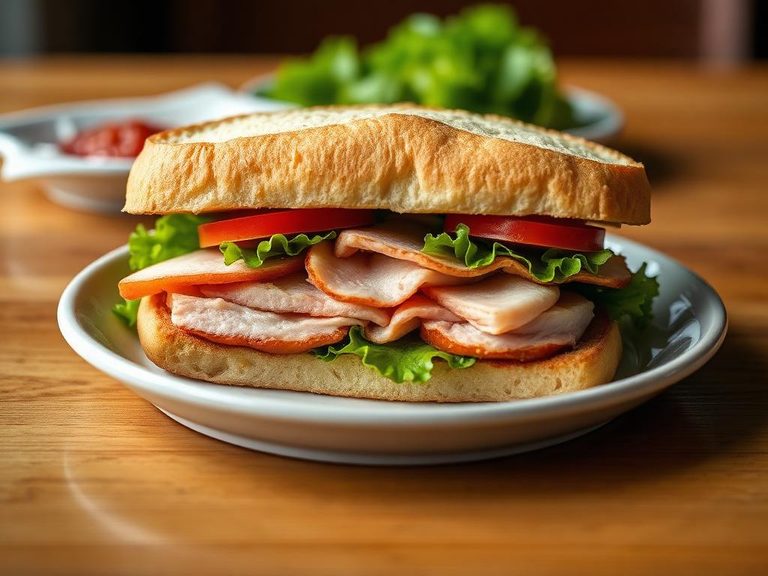
A headcheese sandwich is a savory cold cut sandwich featuring slices of headcheese—a traditional meat jelly or terrine made from the head of a pig or calf, set in aspic. It is typically served on rye or sourdough bread with mustard, pickles, or onions. This dish has roots in European cuisine, particularly in Germany, Poland, and the American Midwest, where it's often found in delis and butcher shops.
🍽️ Nutrition at a glance
Headcheese is high in protein and fat, with minimal carbohydrates, making it a nutrient-dense option. A typical serving provides a good source of collagen, gelatin, and minerals like iron and zinc, with a calorie range of about 250-350 per sandwich.
Nutrition breakdown
| Calories | 300 kcal |
| Protein | 20 g |
| Carbs | 15 g |
| Fat | 18 g |
| Fiber | 2 g |
| Sugar | 2 g |
| Sodium | 800 mg |
| Iron | 2.5 mg |
| Zinc | 3 mg |
| Vitamin B12 | 1.2 mcg |
| Collagen | High (as gelatin) |
| Selenium | 15 mcg |
| Phosphorus | 200 mg |
| Niacin (B3) | 4 mg |
| Potassium | 250 mg |
Per 1 sandwich (approximately 200 g, including 100 g headcheese and 100 g bread) · estimated, varies by recipe
💡 What's interesting
Culturally, headcheese is a historic example of nose-to-tail eating, utilizing parts of the animal that might otherwise be wasted, and it's celebrated for its rich, savory flavor and unique gelatinous texture. Nutritionally, it's valued for its high collagen content, which supports joint and skin health.