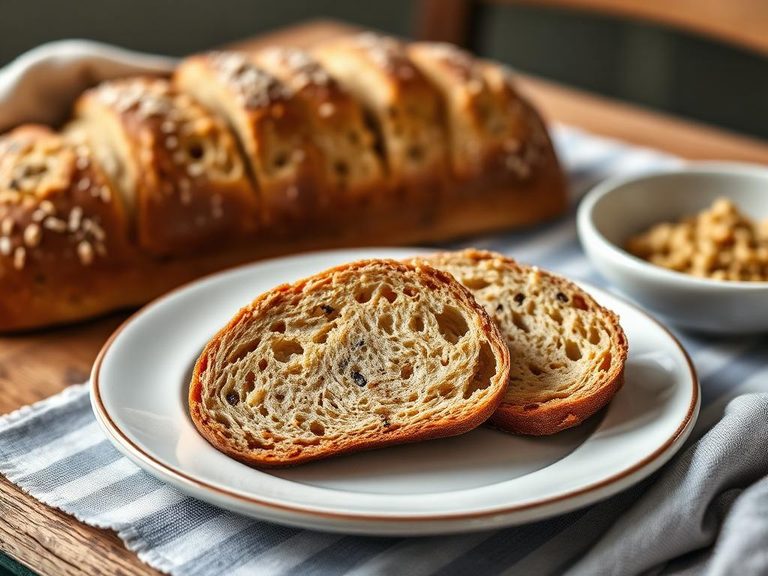
Headcheese with Mustard and Rye Bread
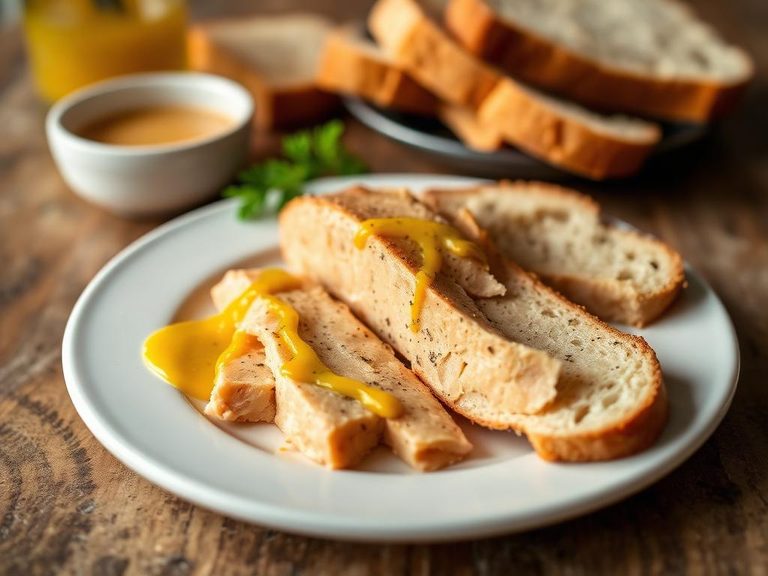
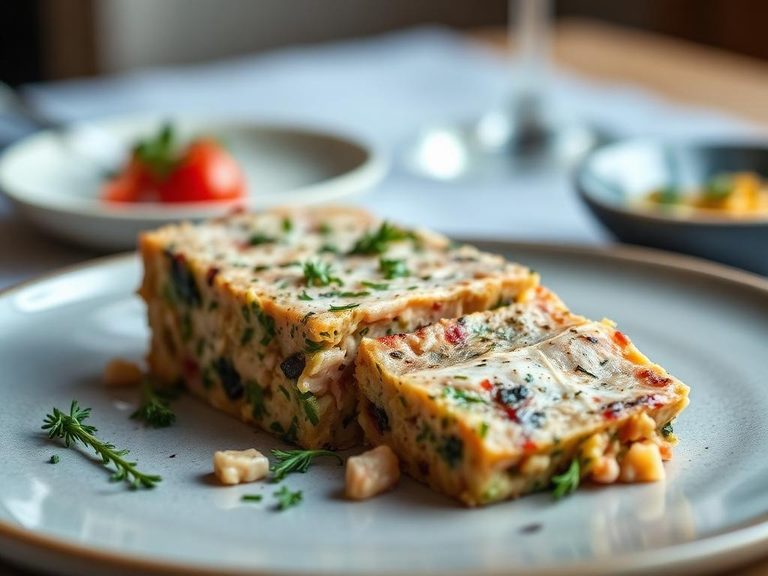
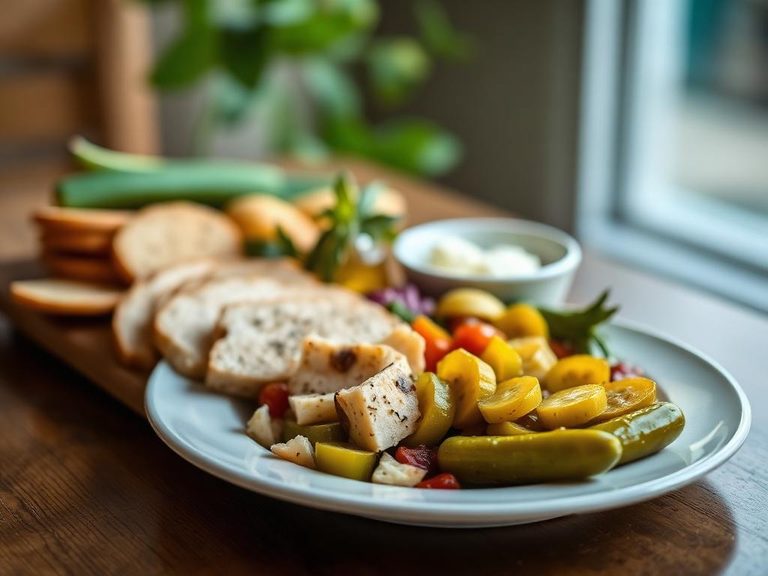
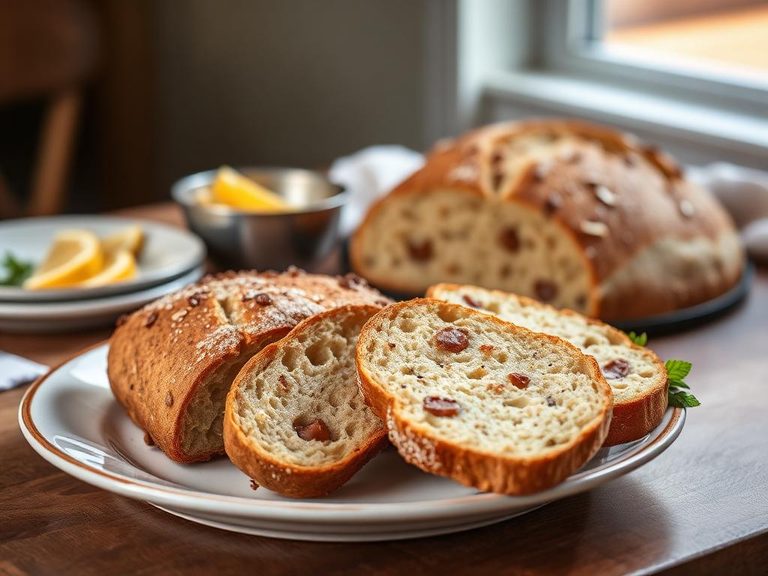
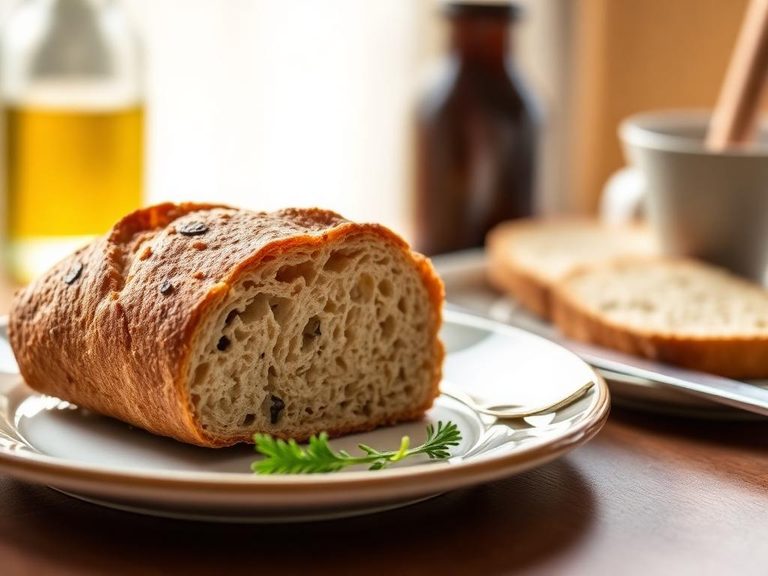
Headcheese with mustard and rye bread is a traditional cold cut dish featuring headcheese—a savory, gelatinous meat terrine made from the head of a pig or calf, set in its own aspic. It is typically served sliced on hearty rye bread with a sharp, tangy mustard, and is a staple in Central and Eastern European cuisine, particularly in German, Polish, and Alsatian culinary traditions.
🍽️ Nutrition at a glance
This dish is high in protein and fat, with minimal carbohydrates coming mainly from the rye bread. It provides a good source of B vitamins, iron, and collagen, with a rough calorie ballpark of 350-450 kcal per typical serving.
Nutrition breakdown
| Calories | 380 kcal |
| Protein | 22 g |
| Carbs | 18 g |
| Fat | 24 g |
| Fiber | 3 g |
| Sugar | 2 g |
| Sodium | 950 mg |
| Vitamin B12 | 1.8 mcg |
| Iron | 2.5 mg |
| Zinc | 3.2 mg |
| Selenium | 18 mcg |
| Phosphorus | 180 mg |
| Niacin (B3) | 4.5 mg |
| Collagen | significant |
| Sodium | 950 mg |
Per 3 slices headcheese (120 g) with 2 slices rye bread (60 g) and 1 tbsp mustard (15 g) · estimated, varies by recipe
💡 What's interesting
Headcheese is a prime example of nose-to-tail eating, utilizing the entire animal to minimize waste, and its natural gelatin content from slow-cooked connective tissues gives it a unique, jiggly texture that sets it apart from other deli meats.