Blubber with dried meat
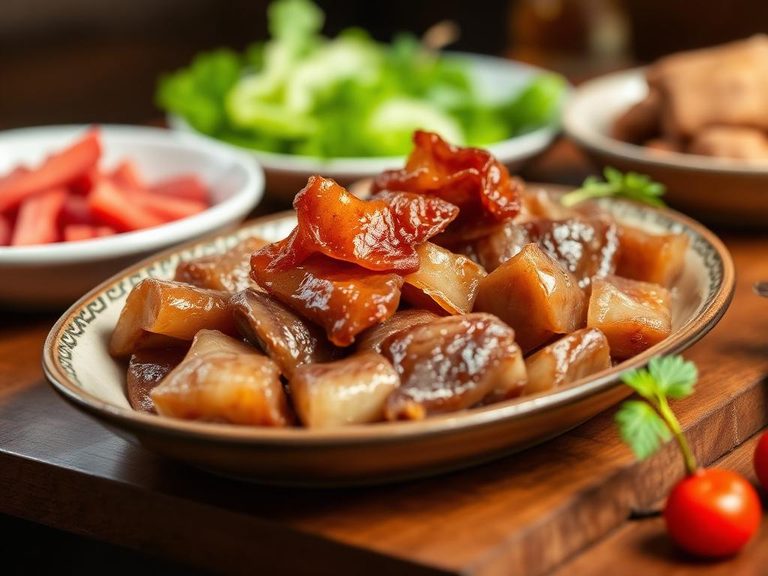
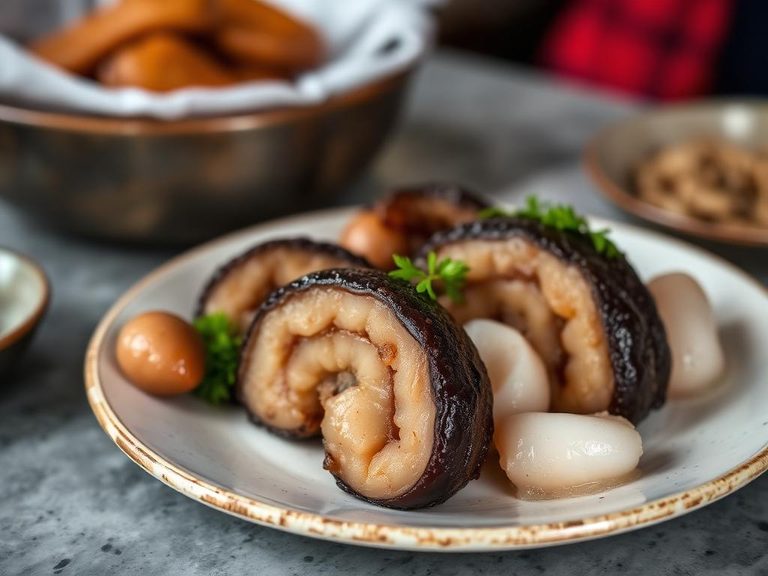
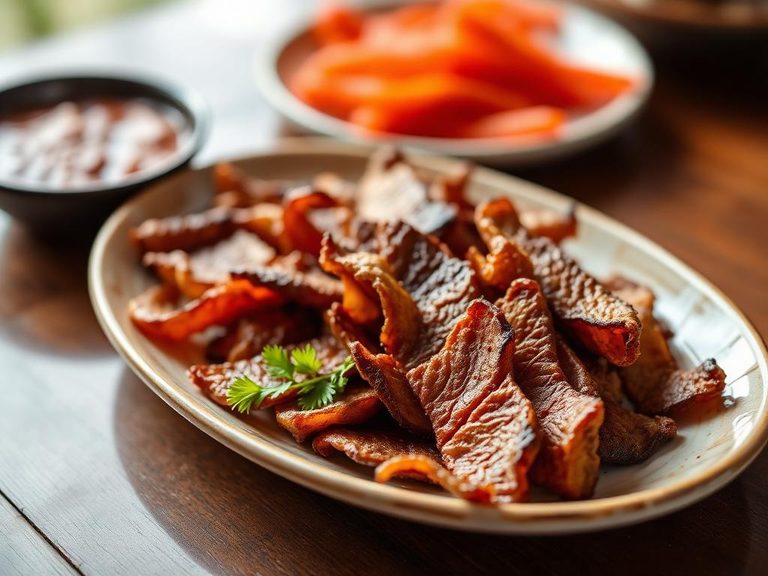
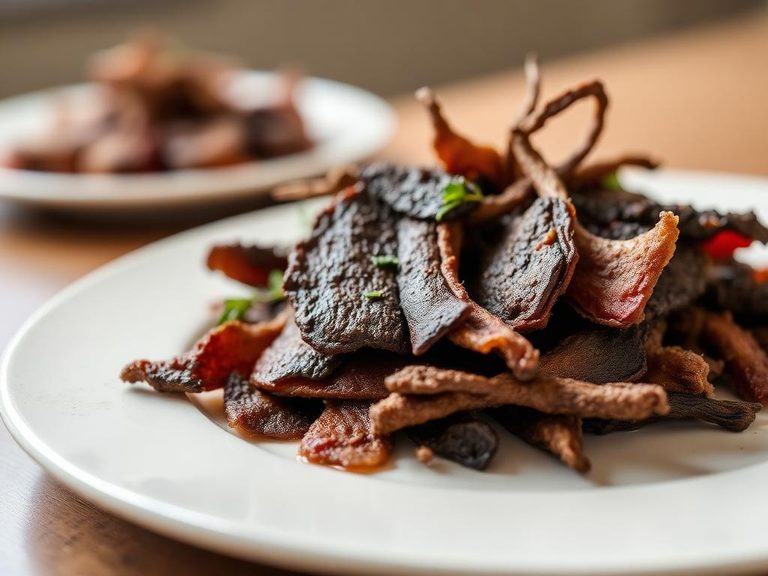
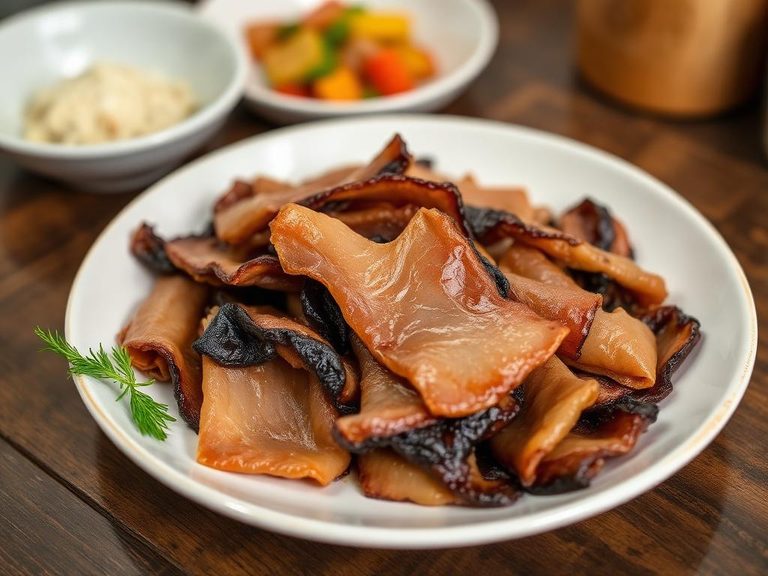
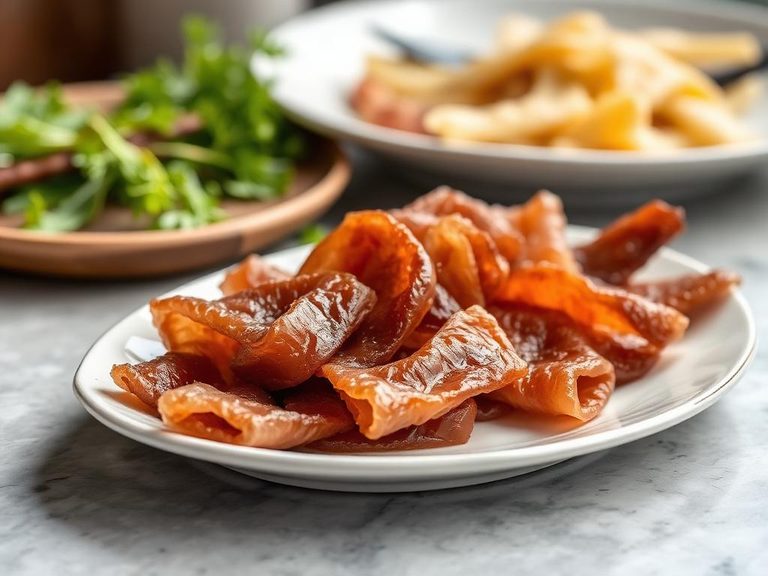
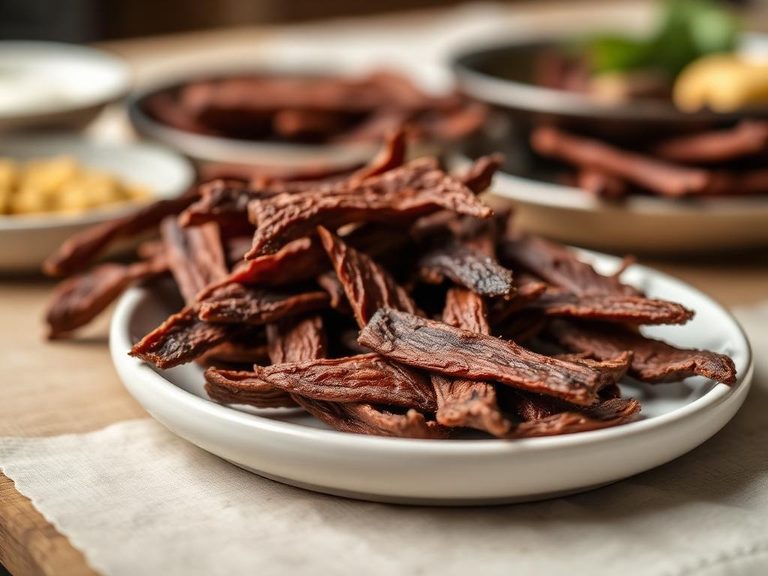
Blubber with dried meat is a traditional, energy-dense food from Arctic and subarctic regions, particularly among Inuit and Yupik communities. It typically consists of strips of whale or seal blubber (fat) paired with dried, wind-cured meat from marine mammals like caribou, seal, or whale. This combination served as a vital survival food, providing essential calories and nutrients in harsh, cold climates.
🍽️ Nutrition at a glance
This dish is extremely high in fat and protein, with virtually no carbohydrates. A typical serving provides a significant amount of calories, primarily from animal fats, and is a rich source of fat-soluble vitamins (like A and D) and omega-3 fatty acids.
Nutrition breakdown
| Calories | 550 kcal |
| Protein | 25 g |
| Carbs | 0 g |
| Fat | 50 g |
| Fiber | 0 g |
| Sugar | 0 g |
| Sodium | 300 mg |
| Vitamin D | 10-15 µg |
| Vitamin A | 300-500 µg RAE |
| Omega-3 (EPA+DHA) | 2-3 g |
| Vitamin B12 | 8-10 µg |
| Iron | 4-6 mg |
| Selenium | 30-40 µg |
| Zinc | 5-7 mg |
| Phosphorus | 250 mg |
Per 100 g (about 3.5 oz) · estimated, varies by recipe
💡 What's interesting
Culturally, this food is a cornerstone of traditional Inuit and Yupik diets, representing a deep connection to the land and sea. Nutritionally, the blubber is a rare, direct source of preformed vitamin D, crucial in regions with limited sunlight, and the high-fat content is perfectly adapted for survival in extreme cold.