Dried seal meat strips

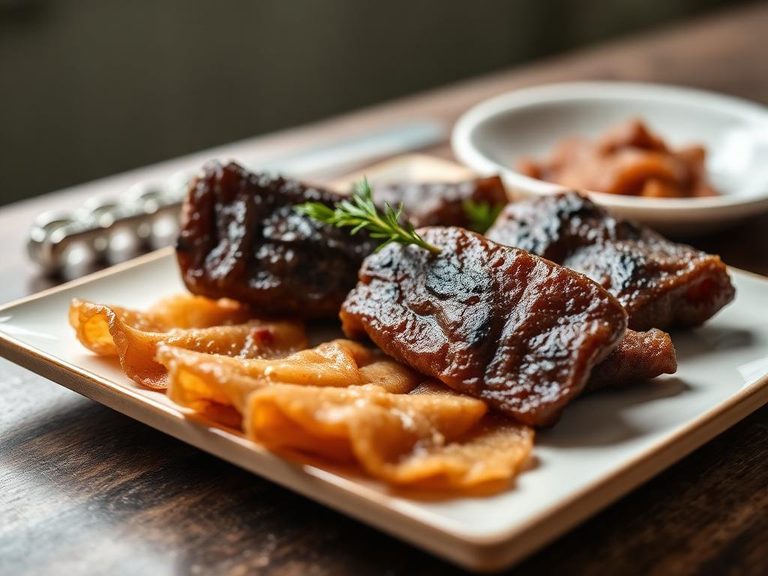
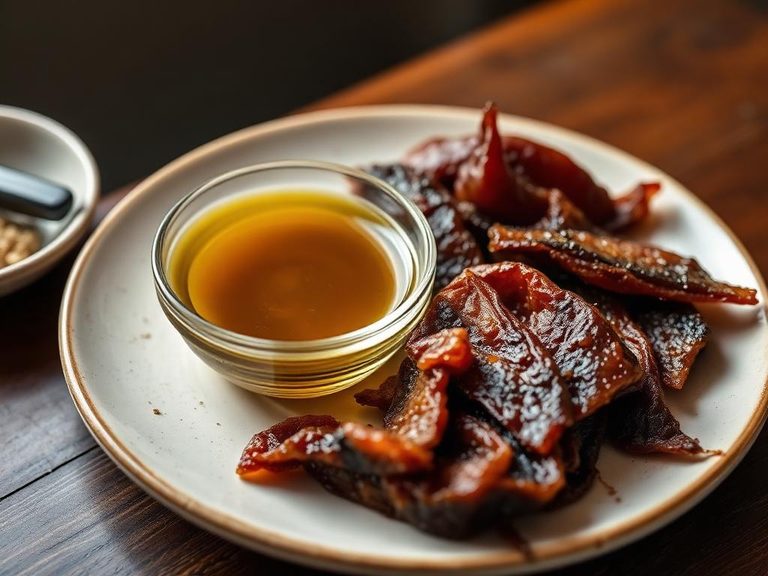
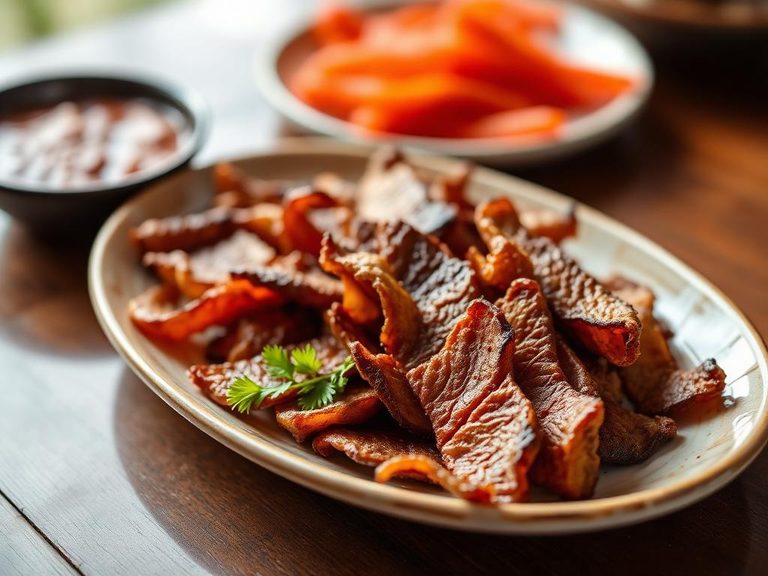
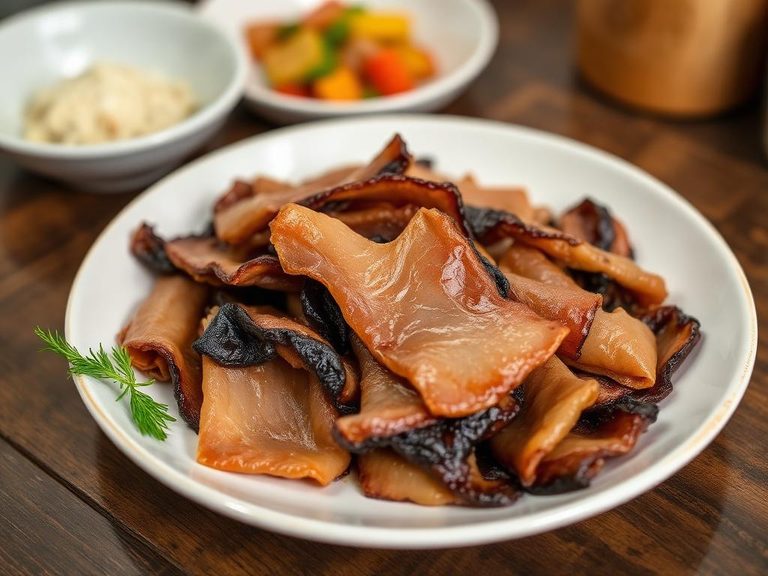
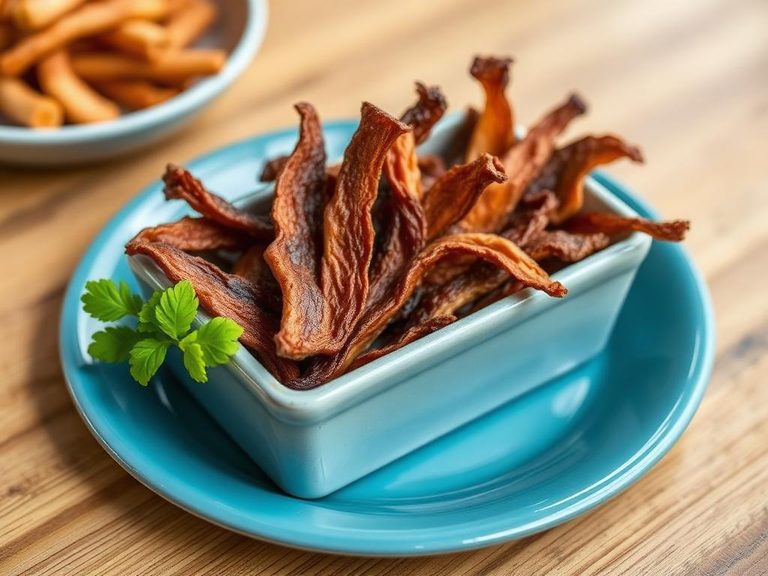
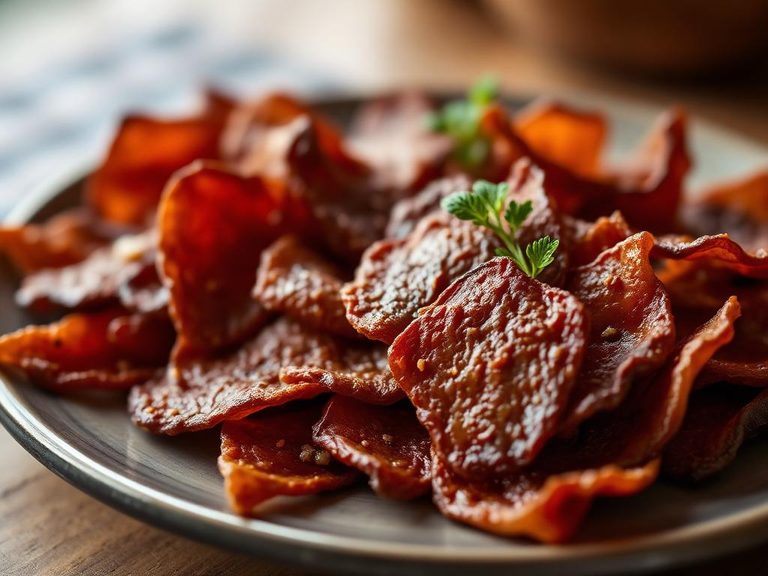
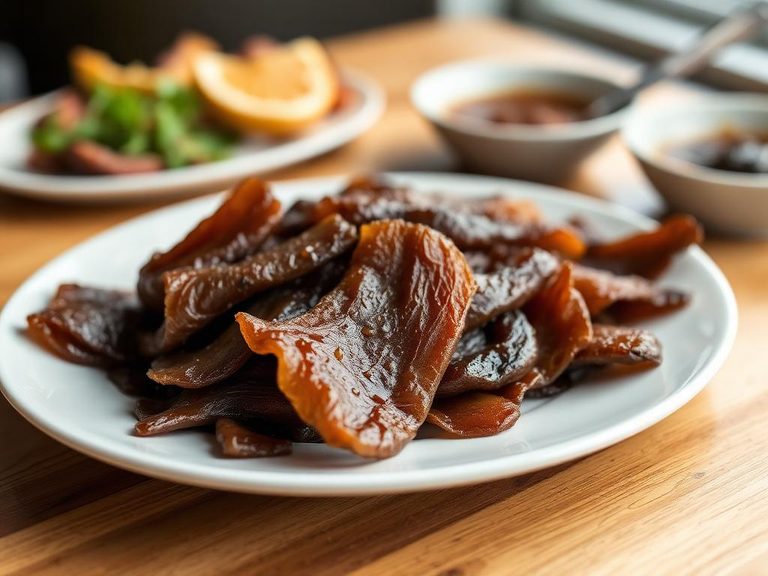
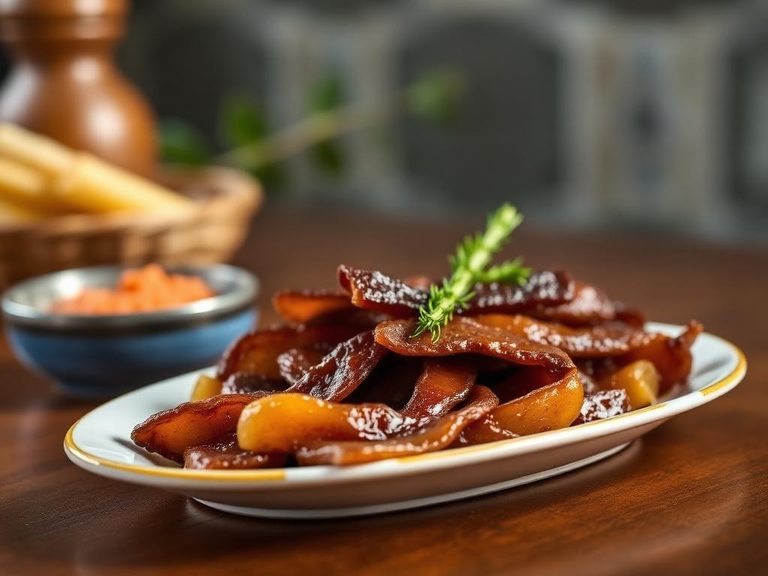
Dried seal meat strips are a traditional preserved food made from the lean muscle of seal, typically sourced from Arctic and sub-Arctic regions. The meat is cut into strips, seasoned with salt or other natural preservatives, and then air-dried or smoked to create a long-lasting, portable protein source. It is a staple in the diets of various Indigenous communities, such as the Inuit, Yup'ik, and other circumpolar peoples.
🍽️ Nutrition at a glance
This dish is extremely high in protein and virtually carbohydrate-free, making it a dense source of energy. It is also rich in essential nutrients like iron, omega-3 fatty acids, and vitamin B12, with a typical serving providing around 150-200 calories.
Nutrition breakdown
| Calories | 80 kcal |
| Protein | 17 g |
| Carbs | 0 g |
| Fat | 1 g |
| Fiber | 0 g |
| Sugar | 0 g |
| Sodium | 350 mg |
| Iron | 2.5 mg |
| Vitamin B12 | 4.0 mcg |
| Zinc | 3.0 mg |
| Selenium | 15 mcg |
| Niacin (B3) | 4.0 mg |
| Phosphorus | 150 mg |
| Omega-3 (EPA+DHA) | 200 mg |
| Potassium | 200 mg |
Per 1 oz (28 g) · estimated, varies by recipe
💡 What's interesting
Culturally, dried seal meat is a vital part of traditional subsistence hunting and sharing practices in Arctic communities, representing a deep connection to the land and sea. Nutritionally, its high concentration of omega-3s (EPA and DHA) from a marine mammal source is unique for a dried meat product, supporting heart and brain health.