Seal oil as a dip for dried fish or meat
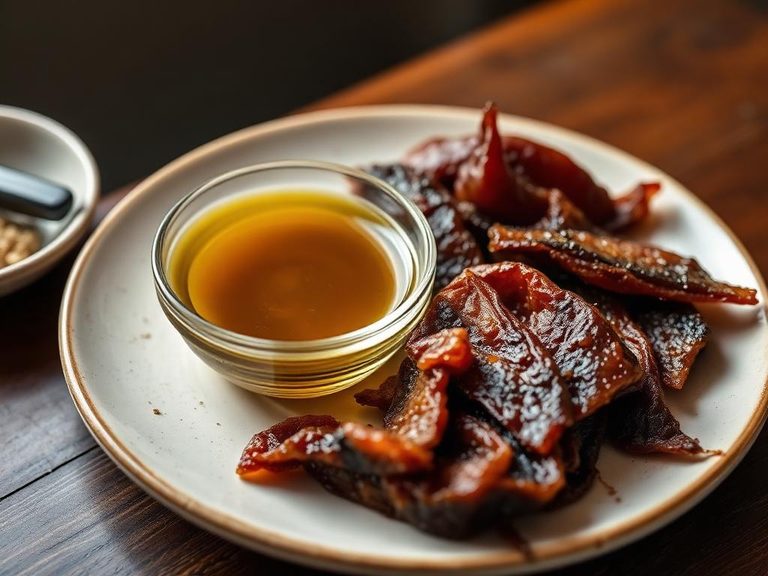
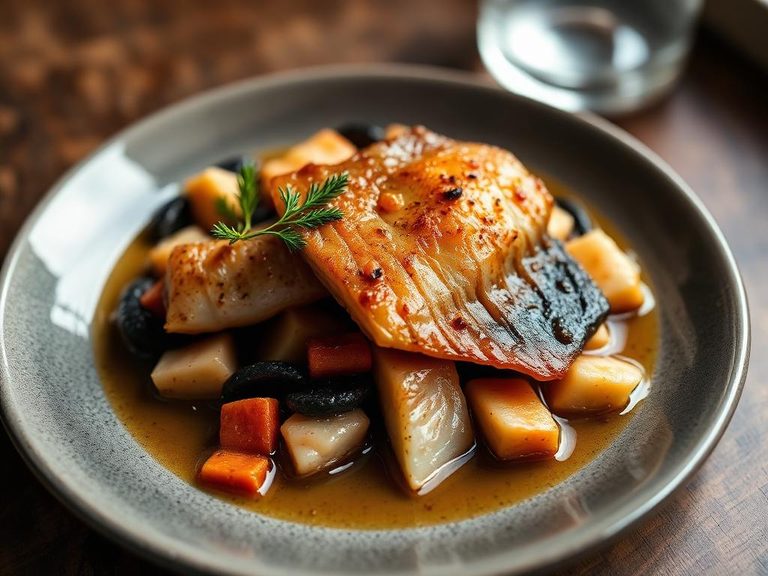
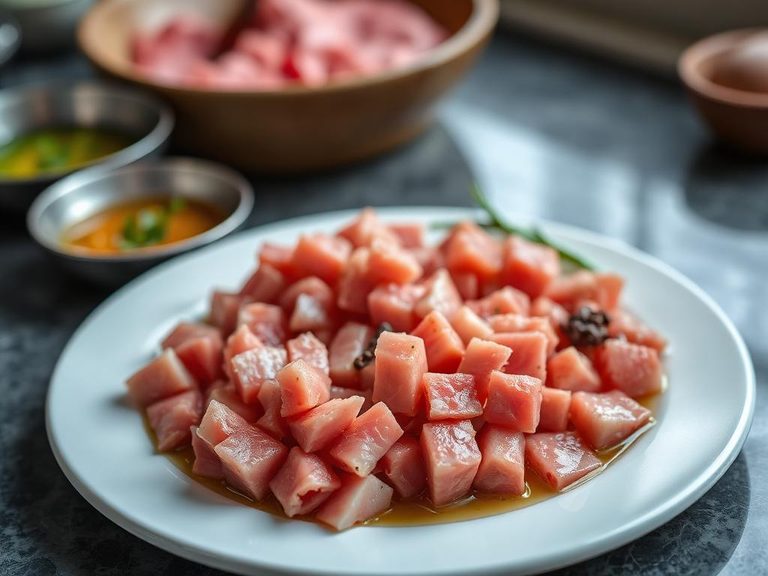
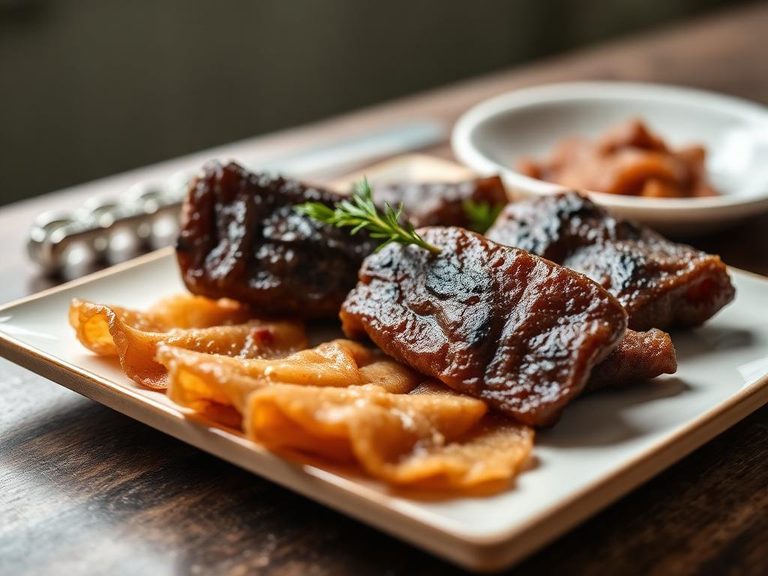
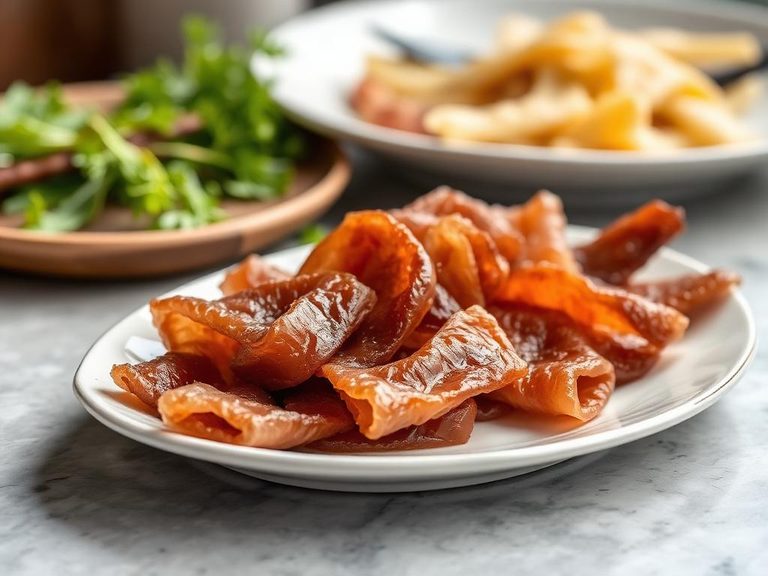
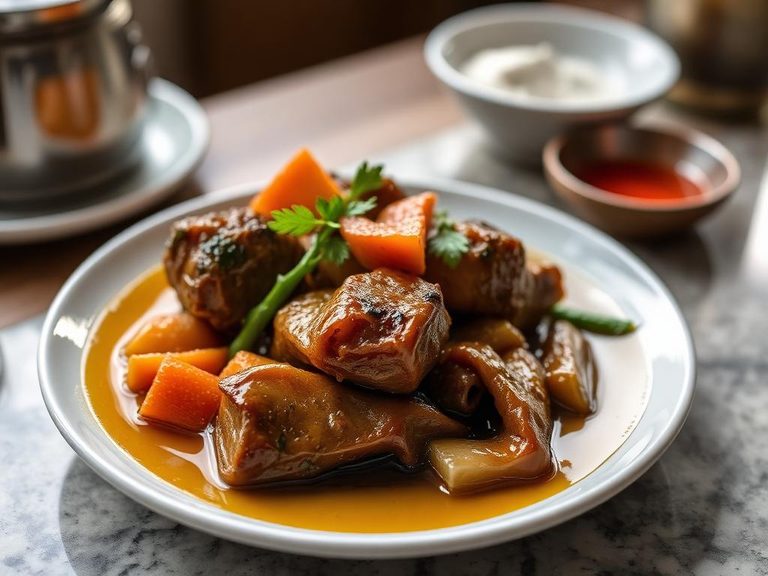
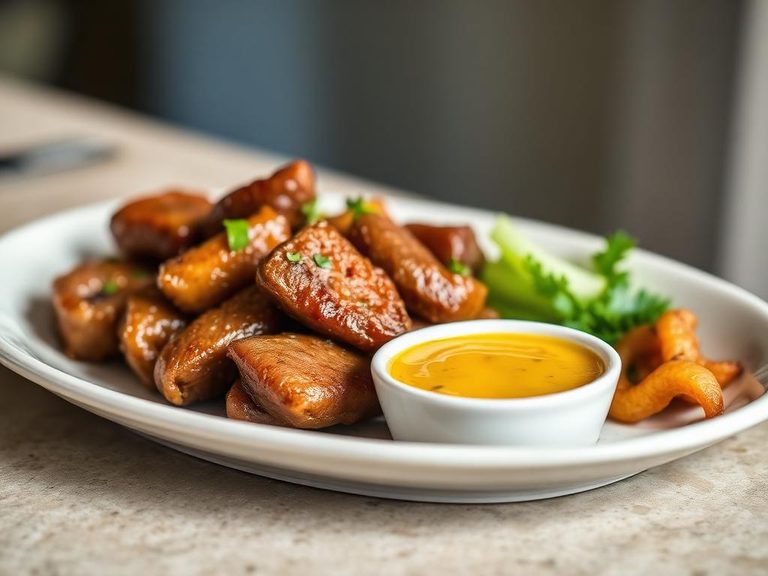
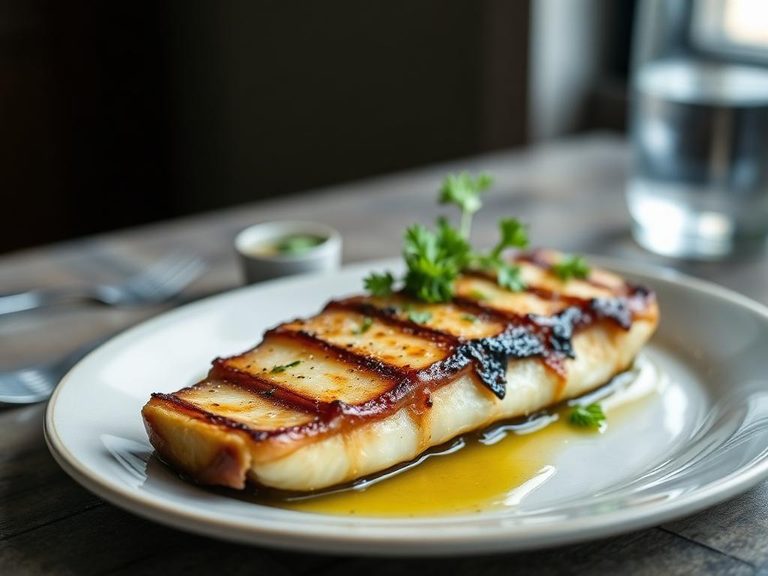
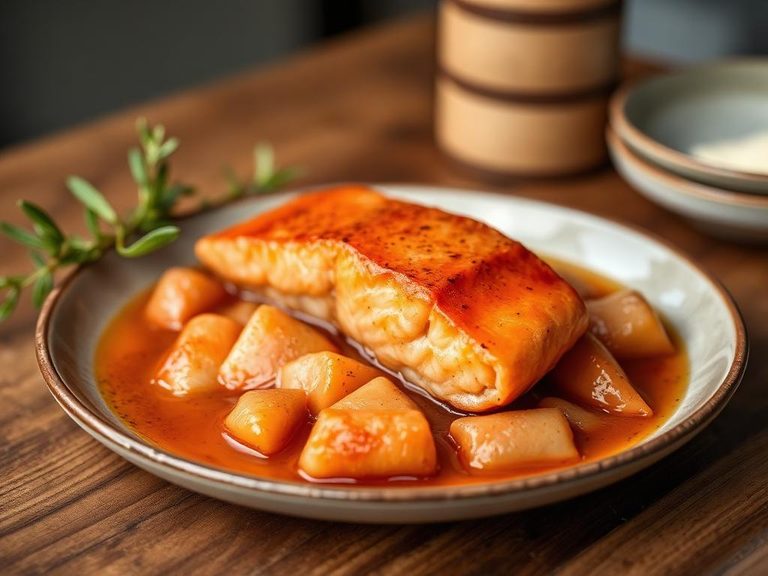
Seal oil as a dip for dried fish or meat is a traditional Inuit and Arctic Indigenous food preparation, where rendered seal oil serves as a rich, savory dip for preserved meats. The dish typically consists of seal oil, often flavored with wild herbs or berries, paired with air-dried Arctic char, caribou, or seal meat. It originates from the Inuit, Yupik, and other Arctic coastal communities across Alaska, Canada, Greenland, and Russia.
🍽️ Nutrition at a glance
This dish is extremely high in fat and protein, with virtually no carbohydrates, providing a dense source of calories and essential fatty acids. Key nutrients include omega-3 fatty acids (EPA and DHA), vitamin D, and vitamin A, with a typical serving offering around 400-500 kcal.
Nutrition breakdown
| Calories | 450 kcal |
| Protein | 25 g |
| Carbs | 1 g |
| Fat | 38 g |
| Fiber | 0 g |
| Sugar | 0 g |
| Sodium | 350 mg |
| Vitamin D | 15 mcg |
| Vitamin A | 900 mcg RAE |
| Omega-3 (EPA+DHA) | 3.5 g |
| Vitamin E | 4 mg |
| Selenium | 45 mcg |
| Phosphorus | 300 mg |
| Iron | 2.5 mg |
| Vitamin B12 | 8 mcg |
Per 1/2 cup (120 g) seal oil dip with 3 oz (85 g) dried fish · estimated, varies by recipe
💡 What's interesting
Culturally, this dish is a cornerstone of traditional Arctic food systems, representing a deep connection to marine hunting and preservation techniques essential for survival in harsh climates. Nutritionally, the seal oil is one of the richest natural sources of preformed omega-3s and fat-soluble vitamins, crucial for brain and heart health in populations with limited plant-based food access.