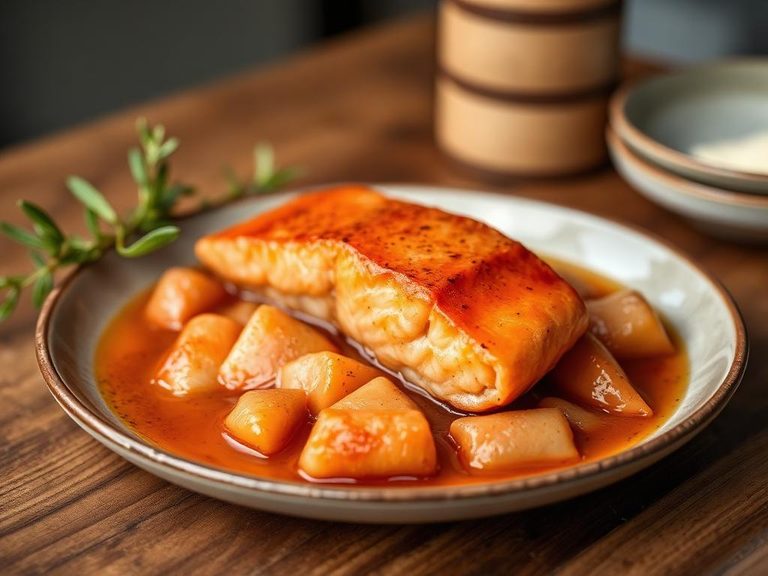
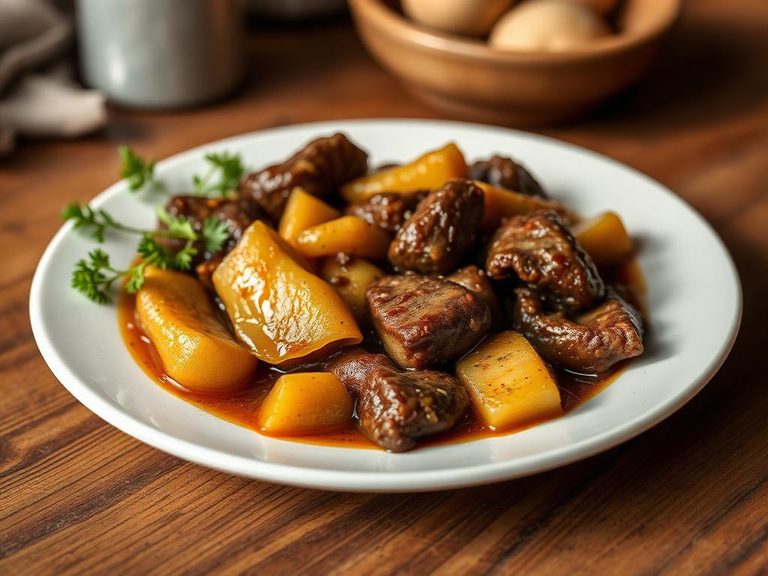
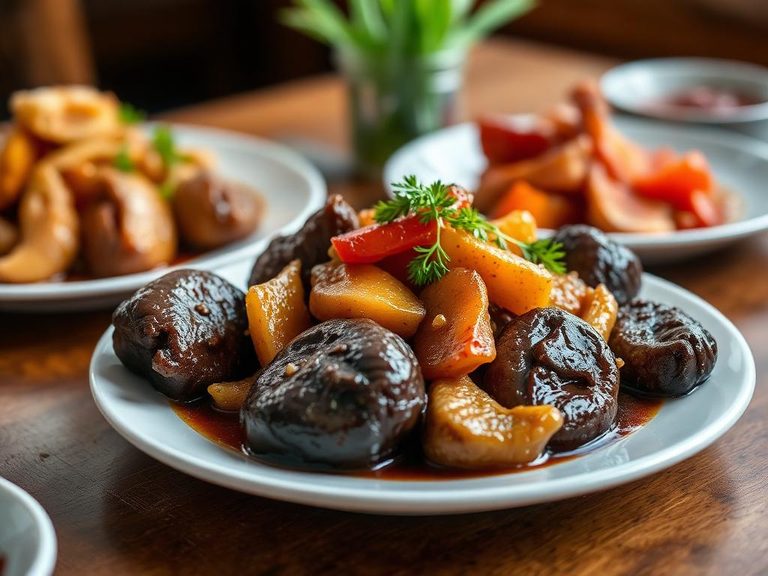
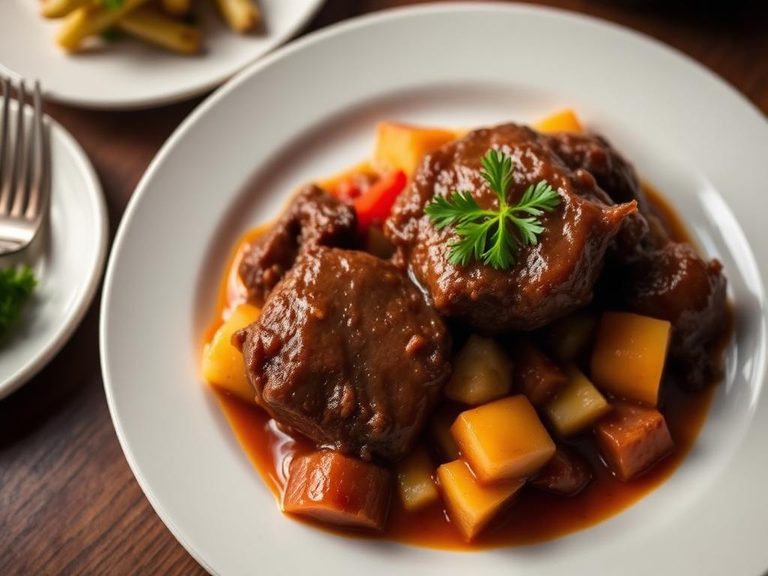
Stewed or boiled with seal oil
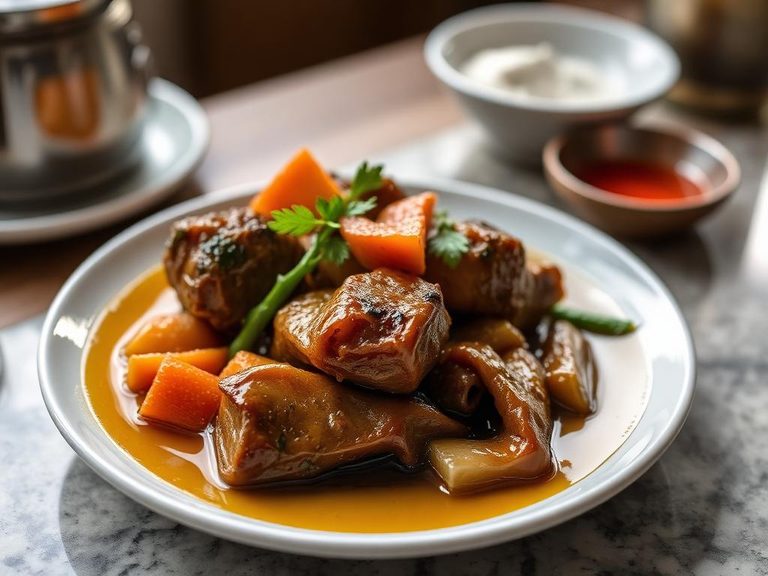
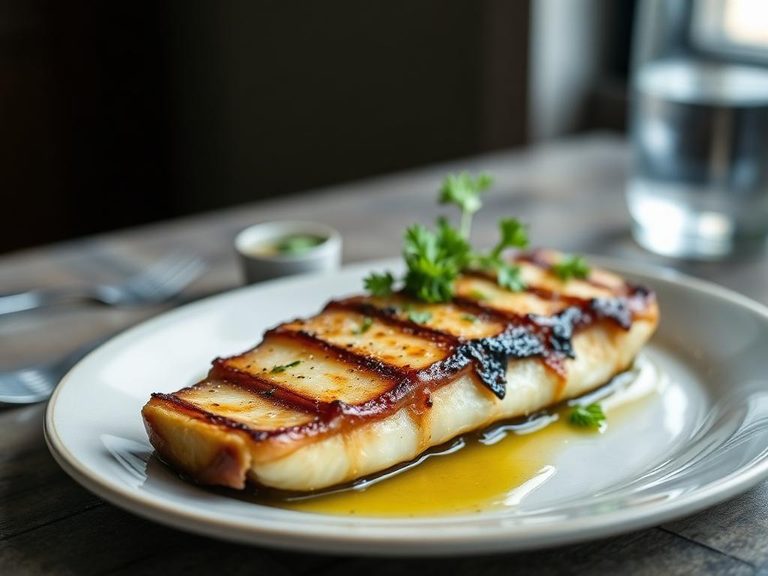
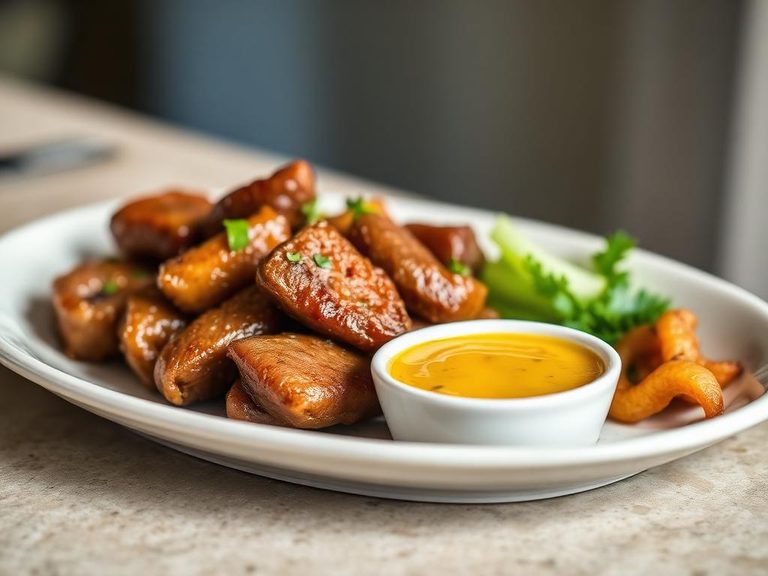
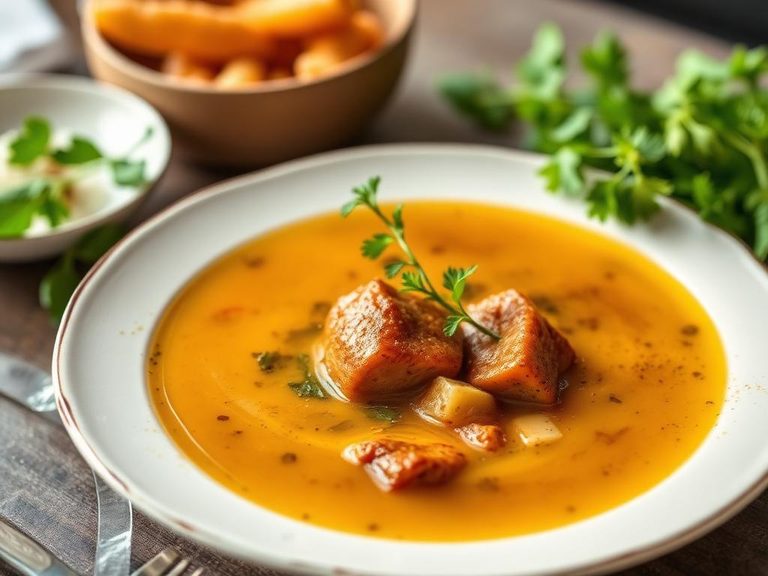
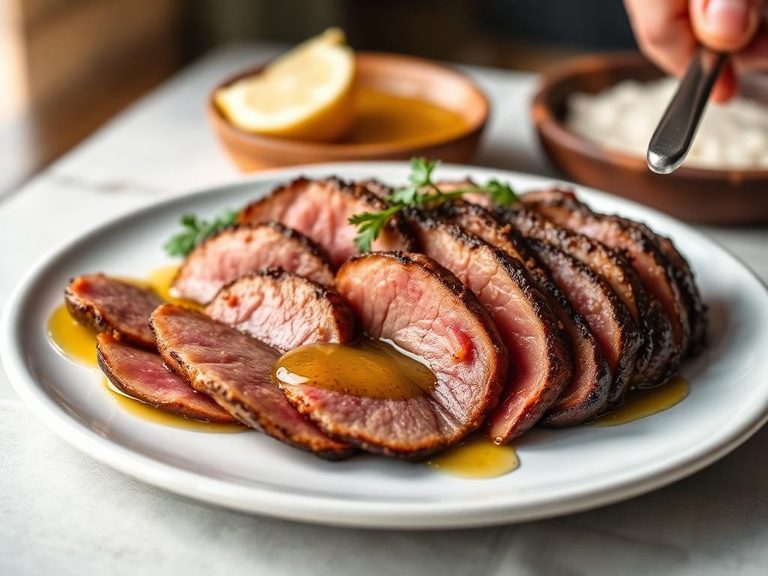
Stewed or boiled with seal oil is a traditional dish from Arctic and subarctic regions, particularly among Inuit and other Indigenous communities. It typically involves slow-cooking lean meats like seal or caribou in rendered seal oil, often with simple ingredients like water, salt, and sometimes local herbs or berries. This method preserves food and provides essential fats in harsh climates.
🍽️ Nutrition at a glance
The dish is very high in fat and protein, with virtually no carbohydrates, making it a dense source of calories and energy. Key nutrients include omega-3 fatty acids, vitamin D, and iron, with a typical serving providing around 400-600 calories.
Nutrition breakdown
| Calories | 520 kcal |
| Protein | 35 g |
| Carbs | 0 g |
| Fat | 42 g |
| Fiber | 0 g |
| Sugar | 0 g |
| Sodium | 450 mg |
| Omega-3 Fatty Acids | 5 g |
| Vitamin D | 10 mcg |
| Iron | 4 mg |
| Vitamin B12 | 8 mcg |
| Selenium | 30 mcg |
| Zinc | 6 mg |
| Phosphorus | 300 mg |
| Vitamin A | 200 mcg |
Per 1 cup (240 g) · estimated, varies by recipe
💡 What's interesting
Culturally, seal oil is a prized traditional ingredient used for cooking, preservation, and even as a condiment, reflecting a deep connection to marine resources. Nutritionally, its high omega-3 content supports heart and brain health, which is unique for a traditional food source.