Kidney and seal oil dip
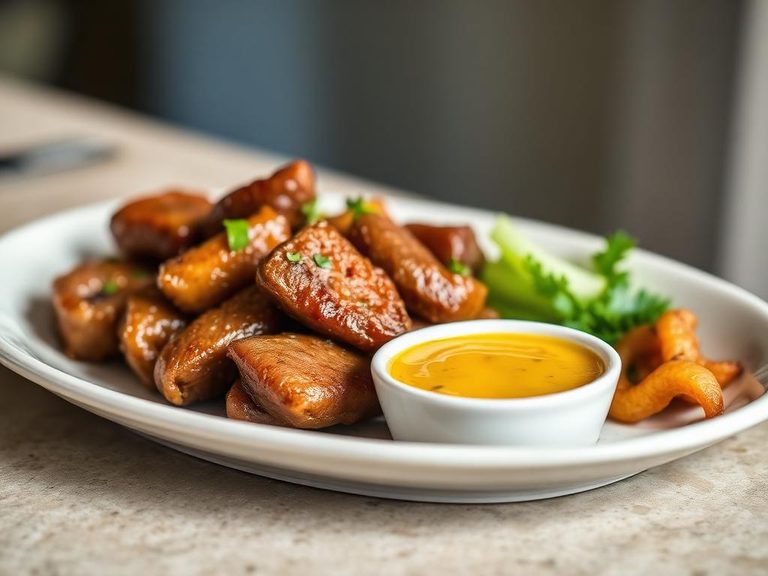
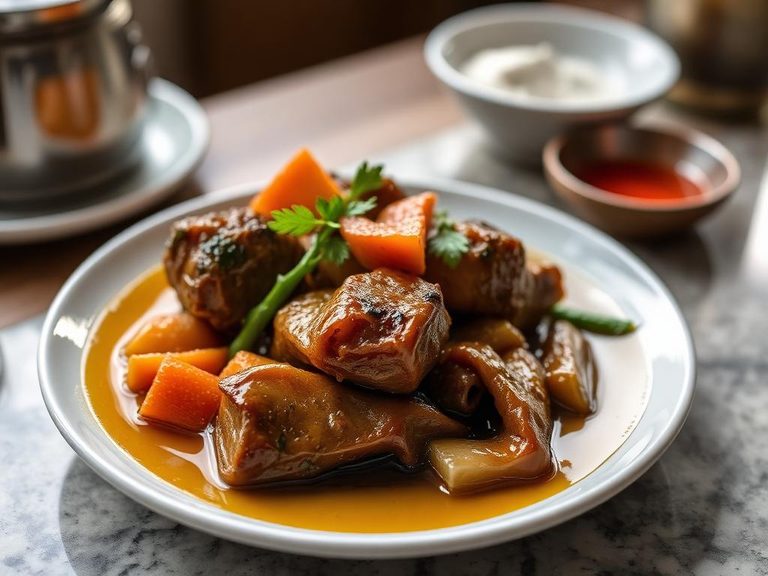
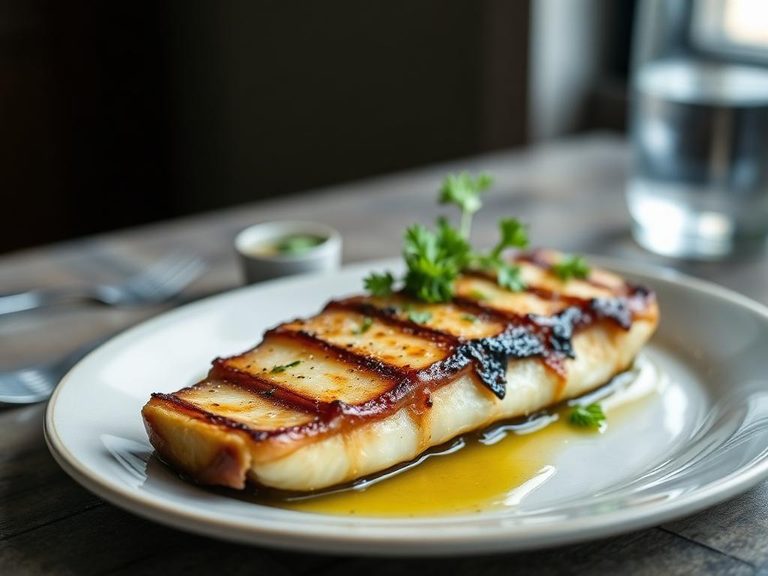
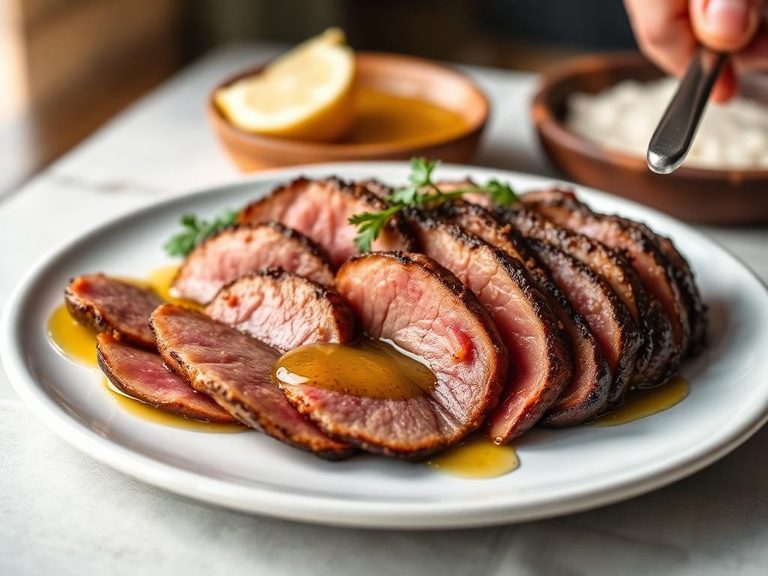
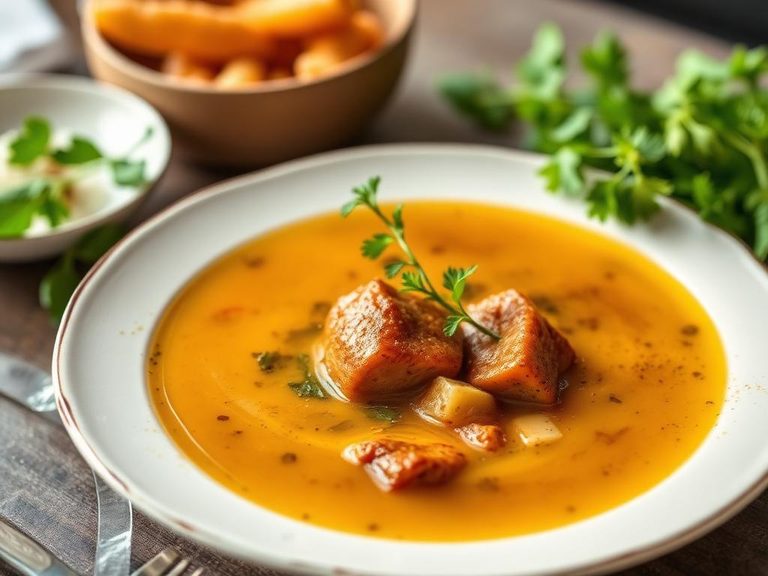
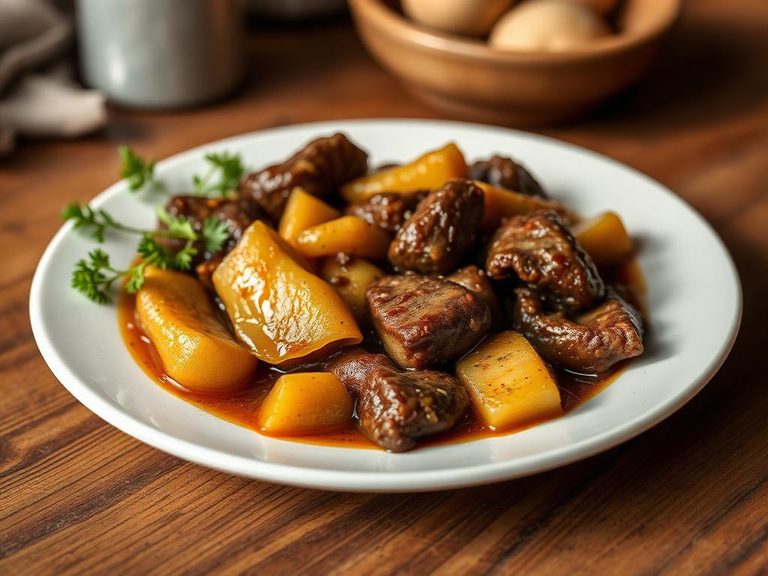
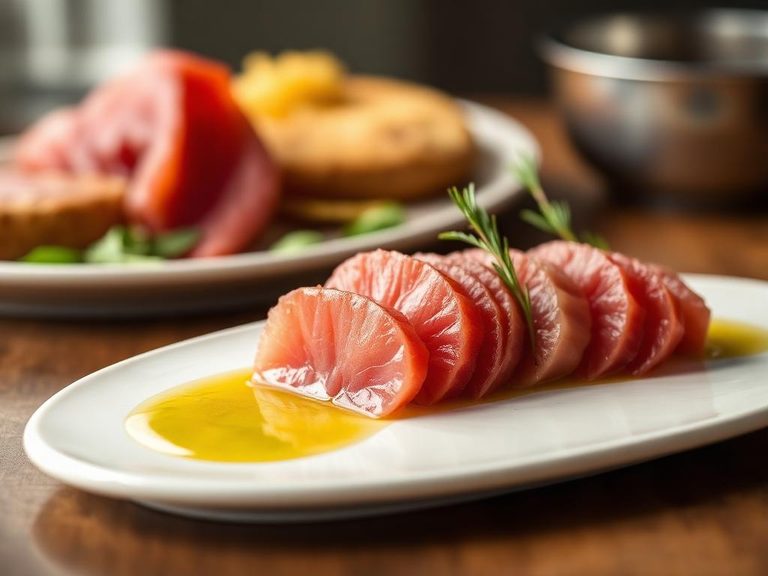
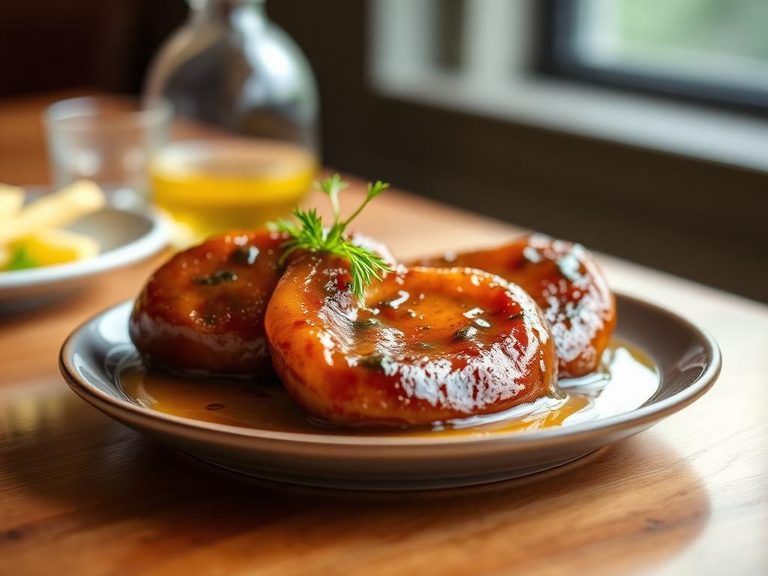
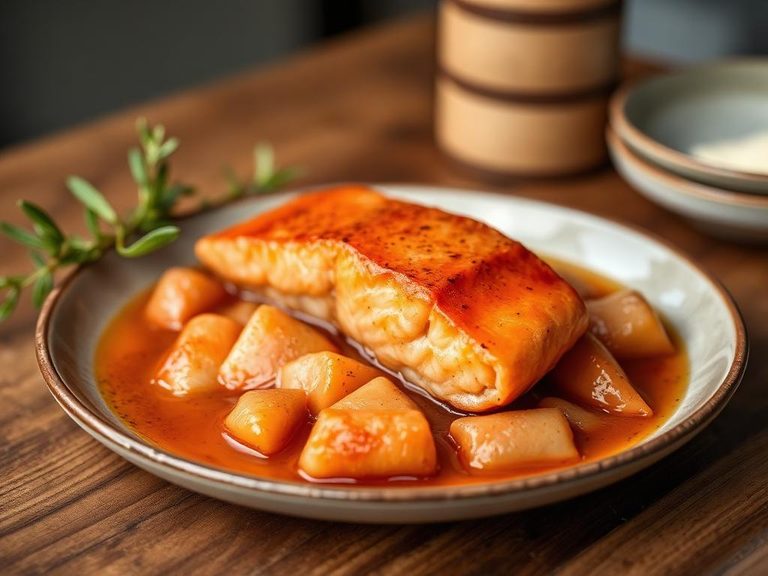
Kidney and seal oil dip is a traditional Inuit and Arctic Indigenous dish, often served as a nutrient-dense condiment or side. It typically combines cooked, minced animal kidneys with rich, rendered seal oil, sometimes seasoned with wild herbs or berries. This dish originates from the Arctic regions of Canada, Greenland, and Alaska, where it has been a part of subsistence diets for centuries.
🍽️ Nutrition at a glance
This dish is extremely high in fat and protein, with virtually no carbohydrates. It provides a concentrated source of calories, essential fatty acids, and key minerals like iron and zinc, with a rough estimate of 250-350 calories per typical serving.
Nutrition breakdown
| Calories | 120 kcal |
| Protein | 4 g |
| Carbs | 0 g |
| Fat | 11 g |
| Fiber | 0 g |
| Sugar | 0 g |
| Sodium | 45 mg |
| Vitamin B12 | 4.5 mcg |
| Iron | 1.8 mg |
| Zinc | 2.1 mg |
| Selenium | 15 mcg |
| Vitamin A | 2200 IU |
| Potassium | 85 mg |
| Phosphorus | 70 mg |
| Omega-3 (EPA+DHA) | 500 mg |
Per 2 tablespoons (30 g) · estimated, varies by recipe
💡 What's interesting
Culturally, this dip is a prime example of nose-to-tail eating and resourcefulness in Arctic foodways, utilizing nutrient-rich organ meats and energy-dense seal oil for survival in harsh climates. Nutritionally, seal oil is a unique source of omega-3 fatty acids (EPA and DHA) in a form that is highly bioavailable to humans.