Raw sliced 'uqsruq' with seal oil
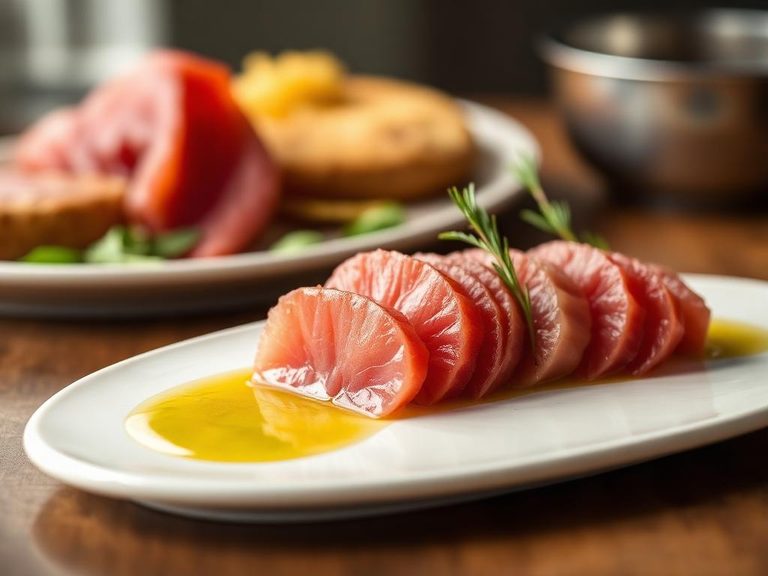
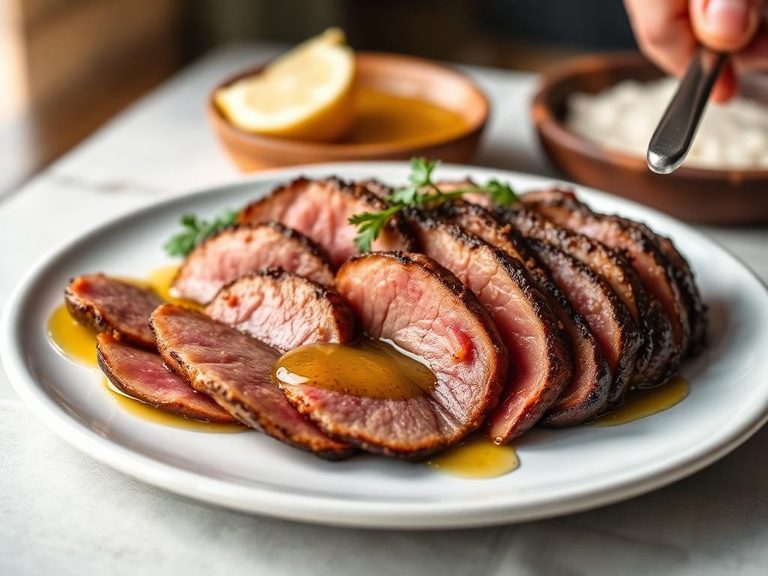
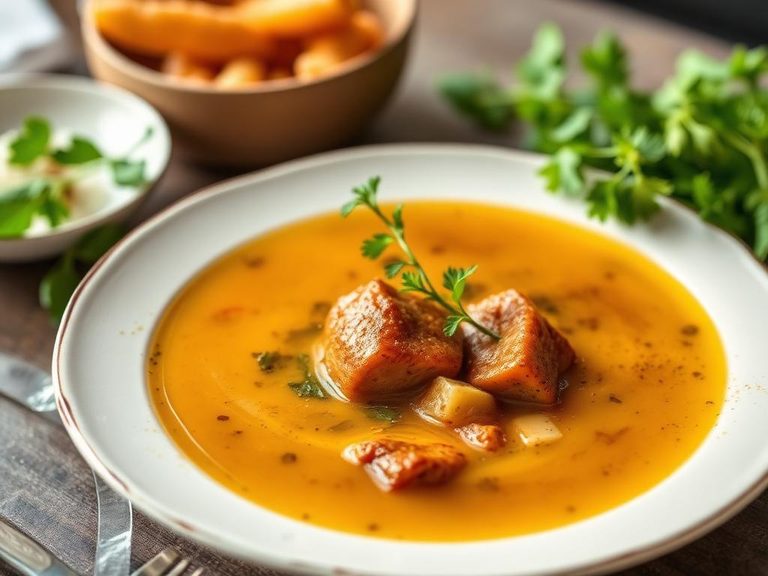
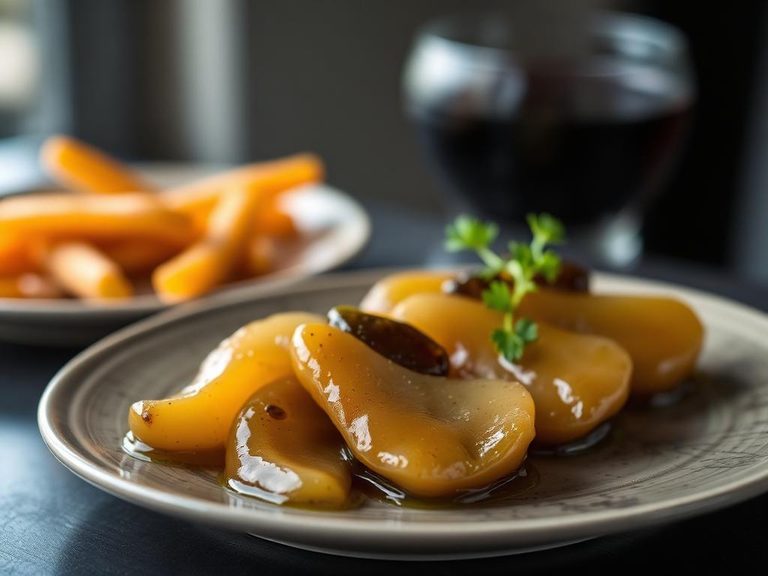
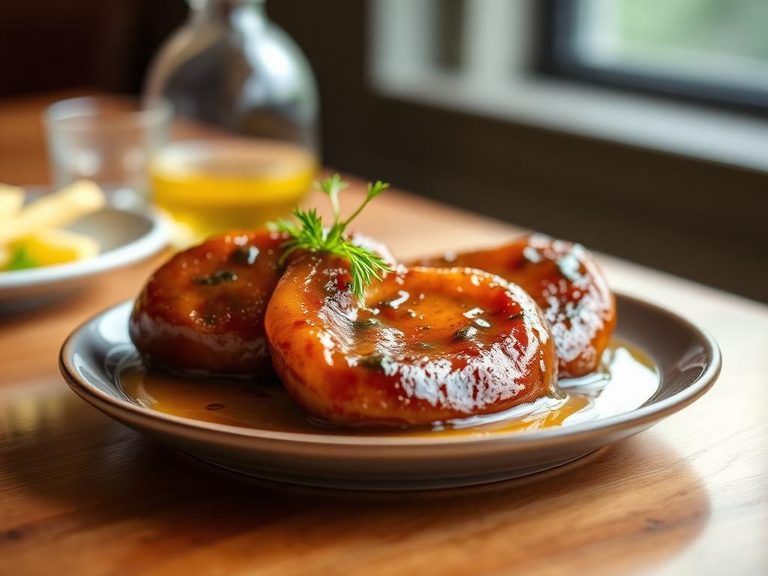
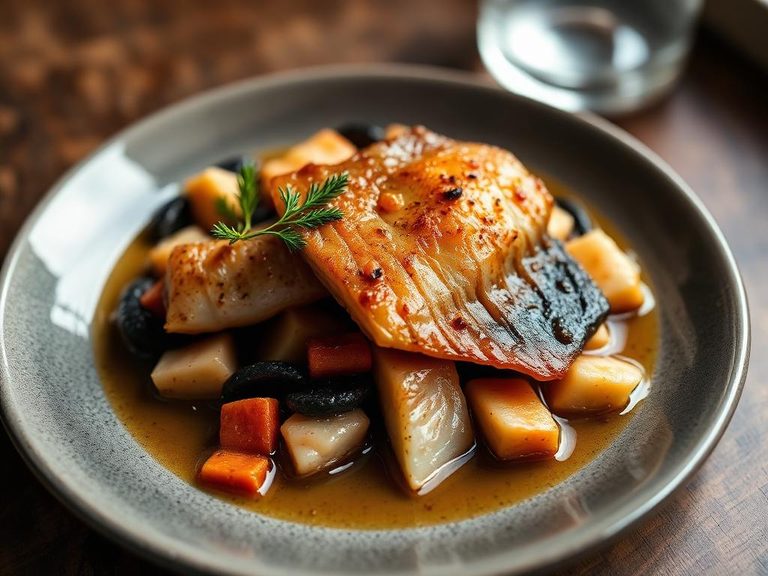
Raw sliced 'uqsruq' with seal oil is a traditional Inuit and Yupik dish, typically made from the fermented or fresh meat and blubber of marine mammals like seal or walrus. The meat is thinly sliced and served raw or lightly cured, then generously drizzled with rich, rendered seal oil. It originates from the Arctic regions of Alaska, Canada, and Greenland, where it has been a vital source of sustenance for centuries.
🍽️ Nutrition at a glance
This dish is extremely high in fat and protein, providing a dense source of calories and essential nutrients for survival in cold climates. A typical serving is very low in carbohydrates but rich in omega-3 fatty acids, vitamin D, and iron, with a calorie count often exceeding 500 kcal due to the high fat content.
Nutrition breakdown
| Calories | 620 kcal |
| Protein | 35 g |
| Carbs | 0 g |
| Fat | 52 g |
| Fiber | 0 g |
| Sugar | 0 g |
| Sodium | 180 mg |
| Vitamin D | 15 µg |
| Iron | 4.5 mg |
| Vitamin B12 | 18 µg |
| Selenium | 55 µg |
| Zinc | 6 mg |
| Potassium | 450 mg |
| Omega-3 (EPA+DHA) | 3.5 g |
| Vitamin A | 300 µg |
Per 1 serving (150 g) · estimated, varies by recipe
💡 What's interesting
Culturally, this dish represents a profound connection to the land and sea, embodying traditional knowledge of preservation and nutrition. Nutritionally, it is uniquely adapted to provide maximum energy and warmth, with seal oil being one of the richest natural sources of long-chain omega-3s, which are crucial for brain and heart health in extreme environments.