Seal oil

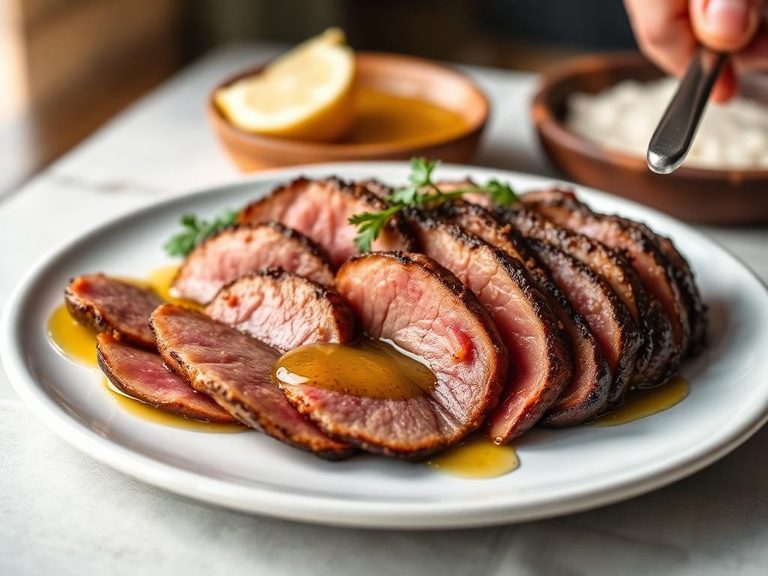
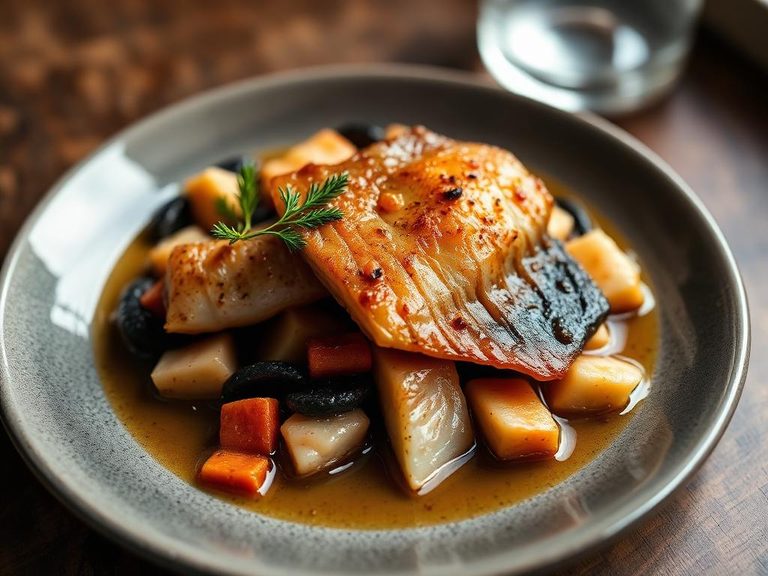
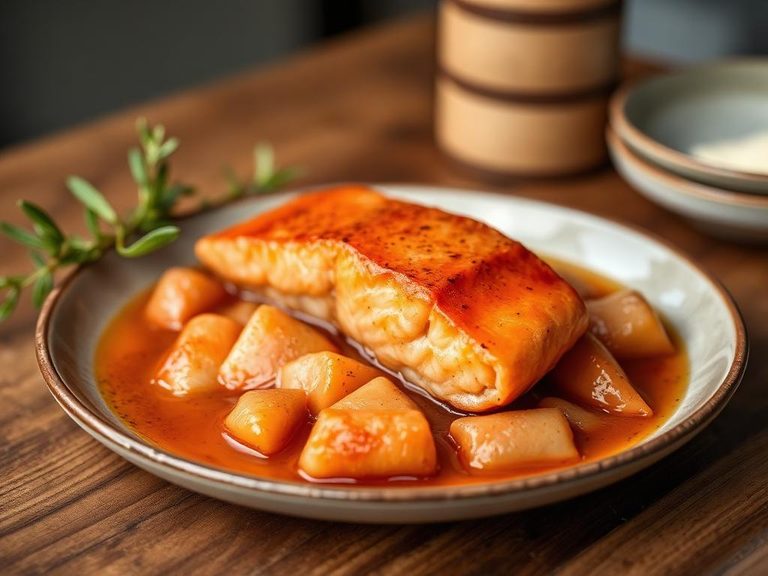
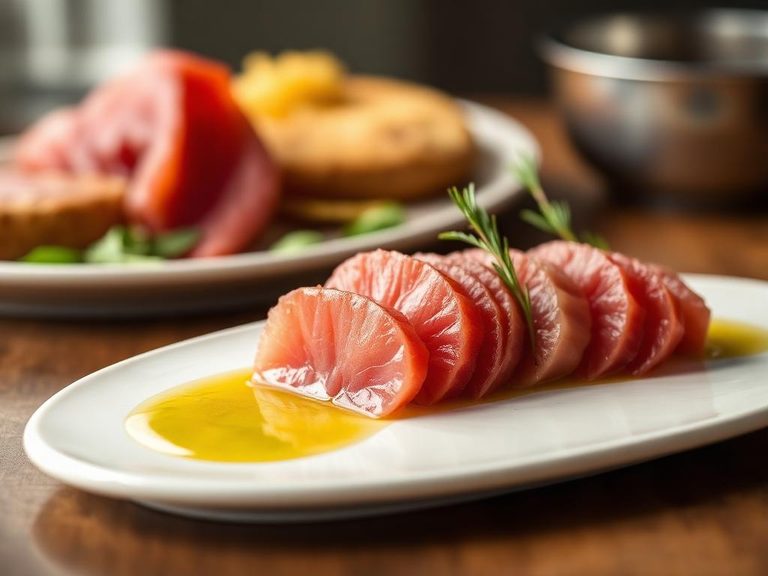
Seal oil is a traditional, nutrient-dense fat rendered from the blubber of seals, historically used by Indigenous peoples of the Arctic regions, including Inuit and Yupik communities. It is typically consumed as a condiment, a dipping sauce for meats like dried fish or caribou, or used in cooking. Its flavor is strong, fishy, and distinct.
🍽️ Nutrition at a glance
Seal oil is extremely high in fat, with virtually no carbohydrates or protein. It is a rich source of omega-3 fatty acids (EPA and DHA), vitamin D, and vitamin A, providing a concentrated source of energy with a rough calorie count of about 120-130 kcal per tablespoon.
Nutrition breakdown
| Calories | 125 kcal |
| Protein | 0 g |
| Carbs | 0 g |
| Fat | 14 g |
| Fiber | 0 g |
| Sugar | 0 g |
| Sodium | 0 mg |
| Vitamin D | 4.5 µg |
| Vitamin A | 300 µg RAE |
| Omega-3 (EPA+DHA) | 1.4 g |
| Vitamin E | 1.5 mg |
Per 1 tablespoon (14 g) · estimated, varies by recipe
💡 What's interesting
Culturally, seal oil is a cornerstone of traditional Arctic diets, providing essential nutrients in a harsh environment where plant foods are scarce. Nutritionally, its unique profile of omega-3s is linked to supporting heart and brain health, and it was a critical source of vitamins A and D to prevent deficiencies.