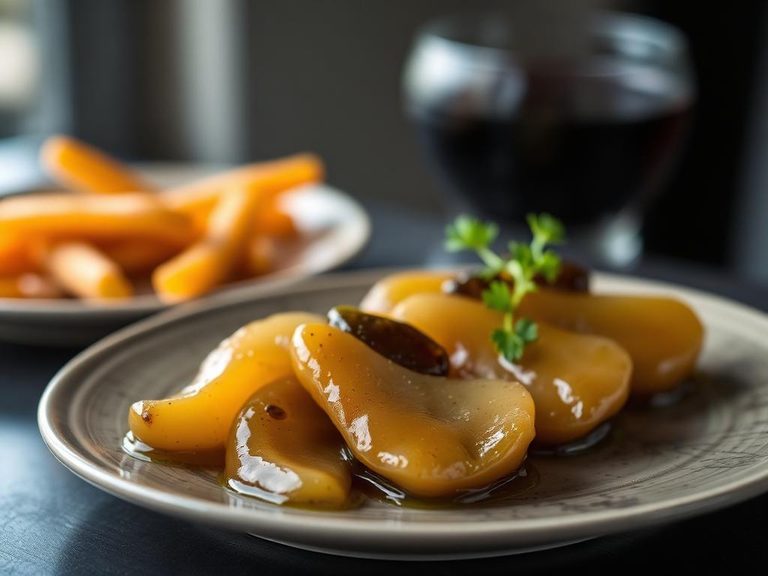
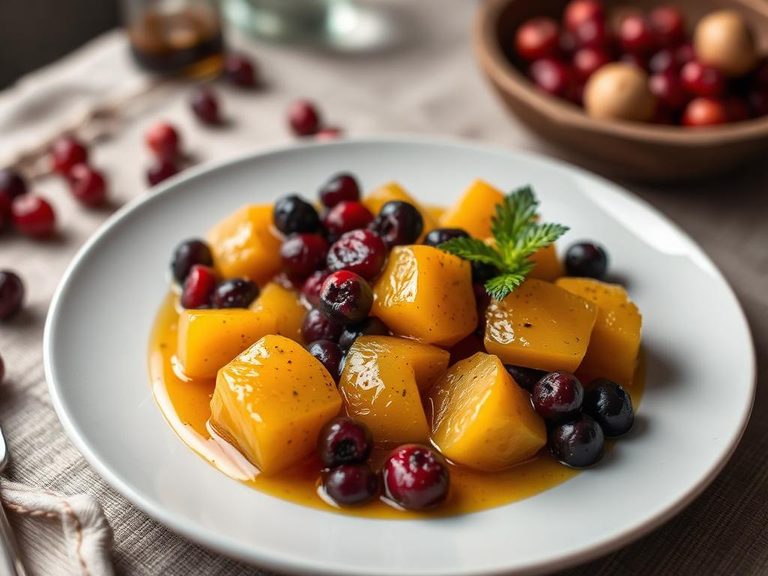
Traditional Agutuk with berries and seal oil
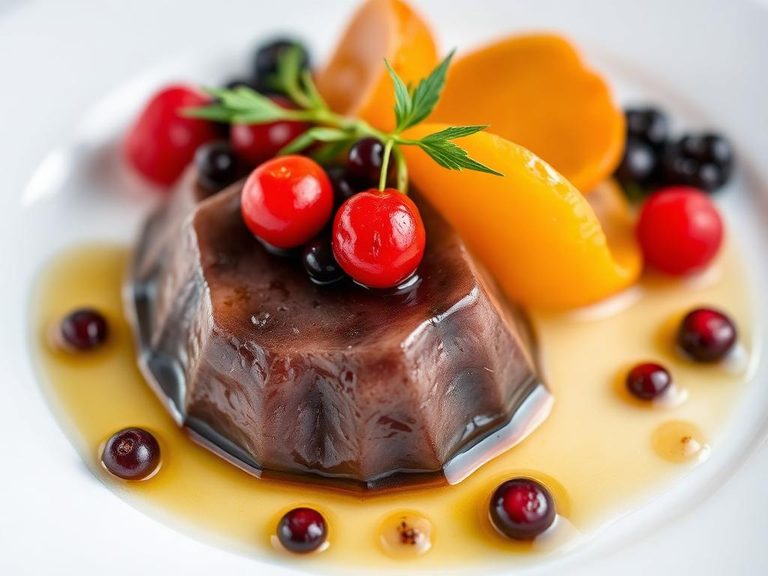
Traditional Agutuk, also known as Akutaq or 'Eskimo ice cream,' is a rich, whipped dessert from Indigenous Arctic cultures, particularly among Yup'ik communities in Alaska and Siberia. It is traditionally made by whipping animal fat (often seal oil or reindeer fat) with water or snow, then folding in wild berries like salmonberries, crowberries, or blueberries. The dish is a celebration of local, foraged ingredients and is often prepared for special occasions and gatherings.
🍽️ Nutrition at a glance
This dish is very high in fat, primarily from the seal oil or animal fat base, which provides a dense source of calories and essential fatty acids. It is low in carbohydrates and protein, with its main nutrients coming from the fat and the vitamins and antioxidants in the berries.
Nutrition breakdown
| Calories | 550 kcal |
| Protein | 3 g |
| Carbs | 15 g |
| Fat | 55 g |
| Fiber | 4 g |
| Sugar | 8 g |
| Sodium | 30 mg |
| Vitamin C | 15 mg |
| Vitamin E | 5 mg |
| Omega-3 (EPA+DHA) | 2.5 g |
| Vitamin A | 120 mcg RAE |
| Iron | 1.5 mg |
| Manganese | 0.8 mg |
| Vitamin K | 15 mcg |
| Selenium | 8 mcg |
Per 1 cup (approx. 200 g) · estimated, varies by recipe
💡 What's interesting
Culturally, Agutuk is a profound example of Arctic food sovereignty and adaptation, transforming calorie-dense, preserved ingredients into a celebratory treat. Nutritionally, the seal oil is an exceptional source of omega-3 fatty acids (EPA and DHA), which are crucial for brain and heart health, especially in a traditional diet low in plant-based foods.