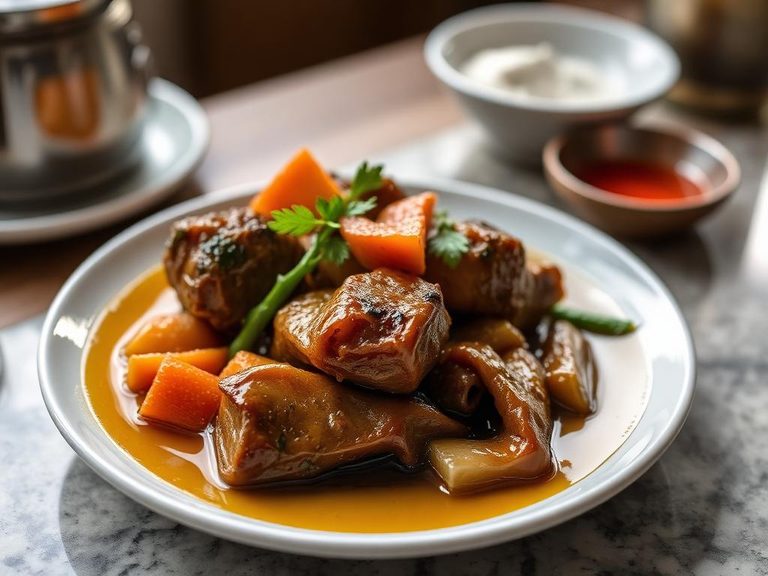
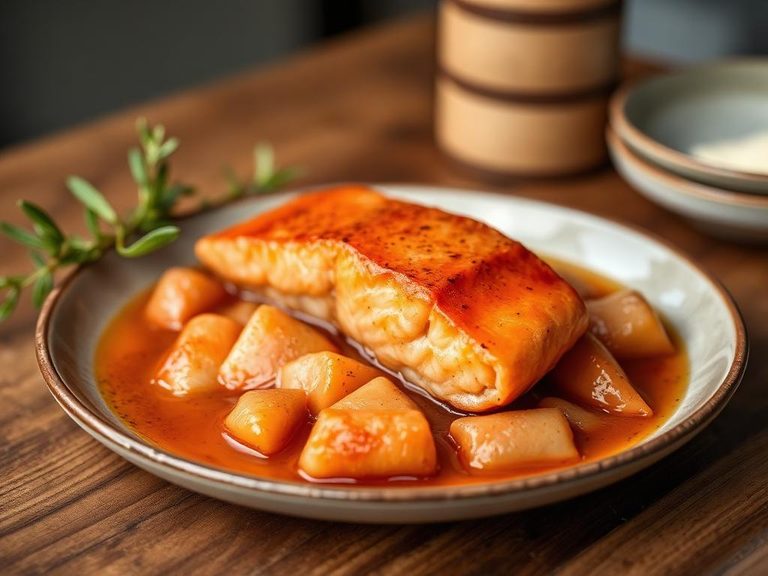
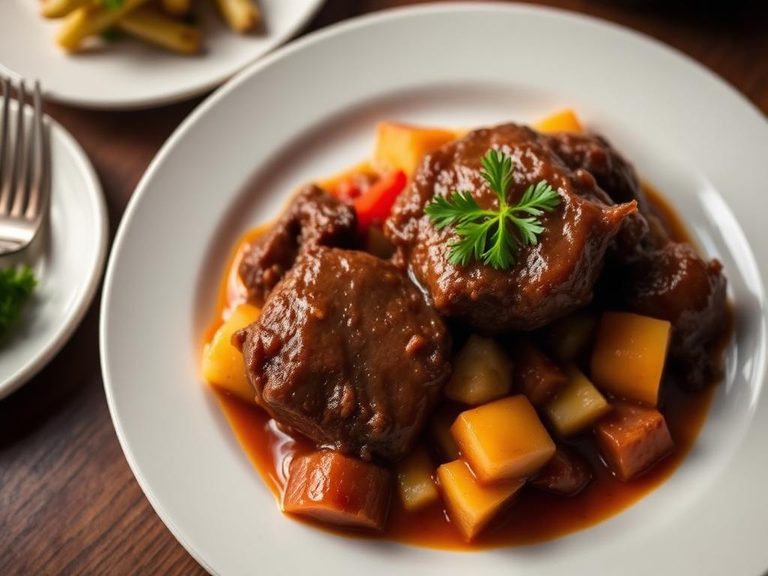
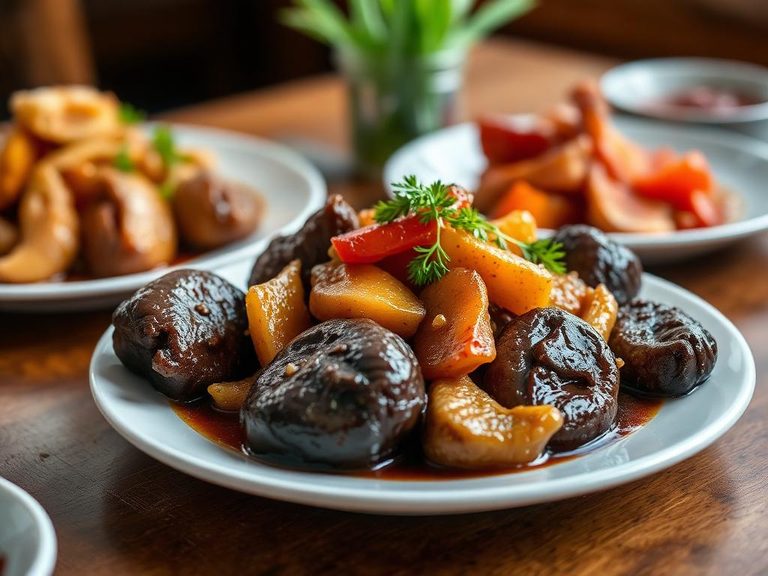
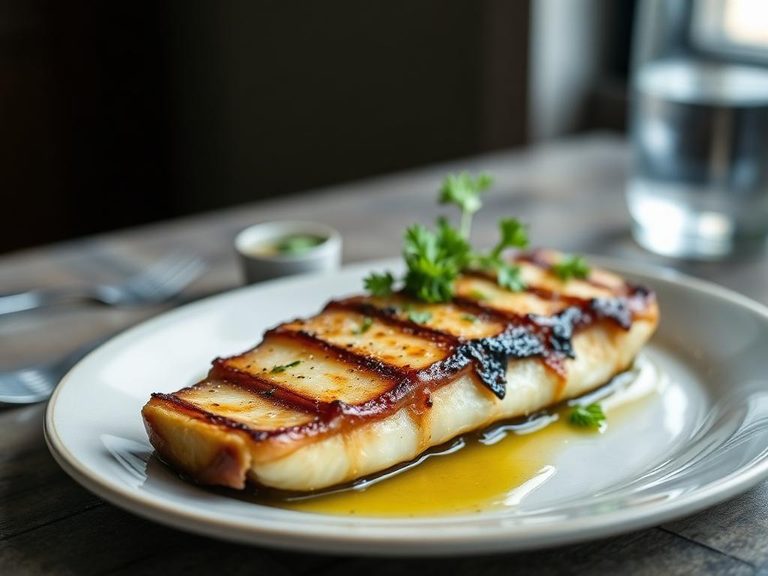
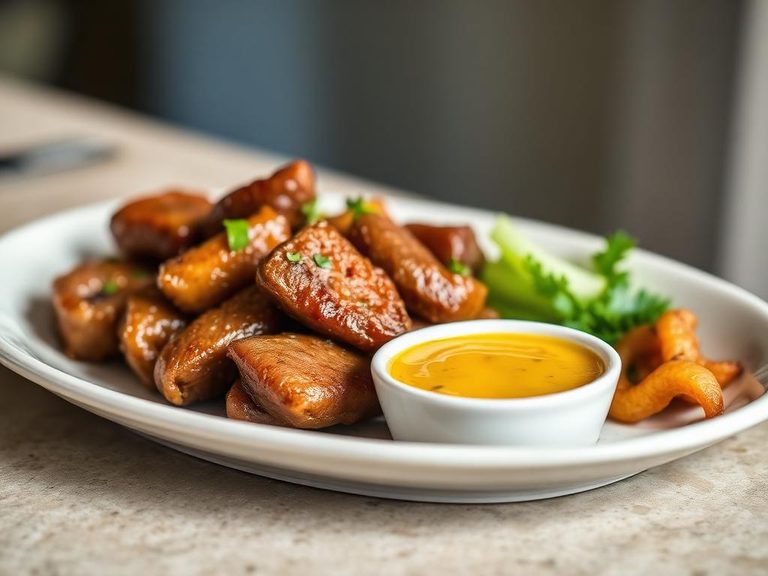
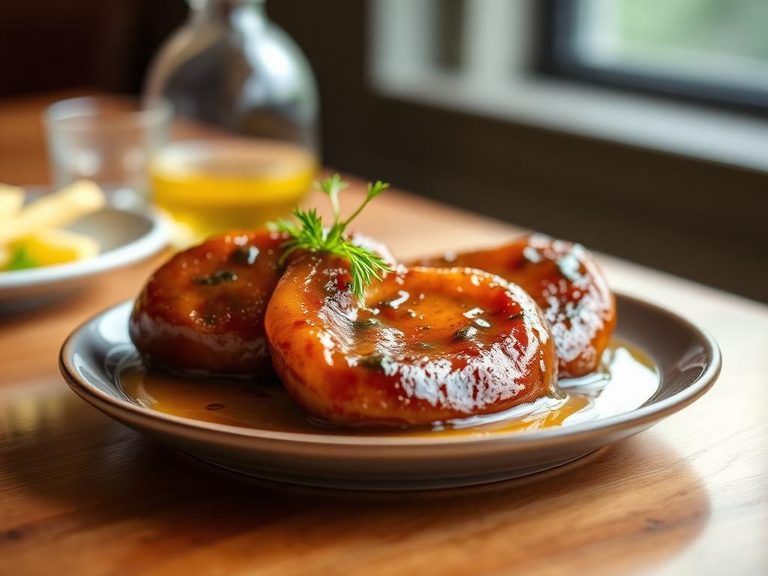
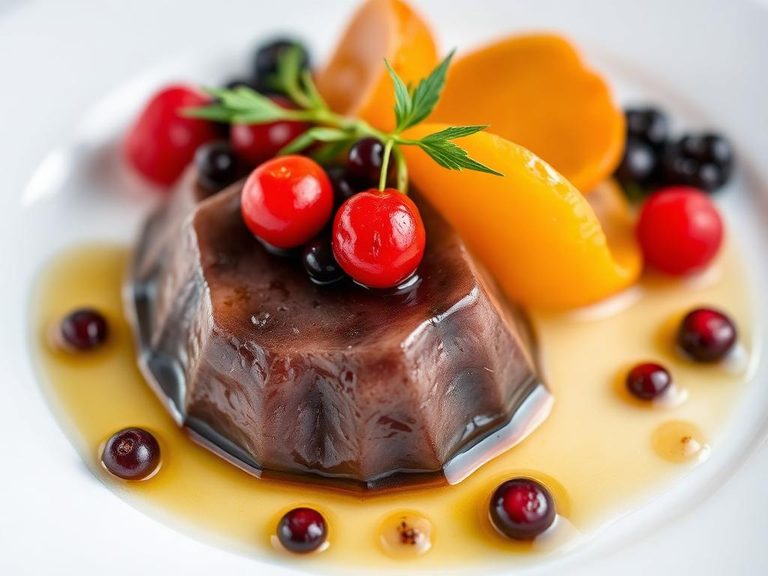
Stewed with seal oil or tallow
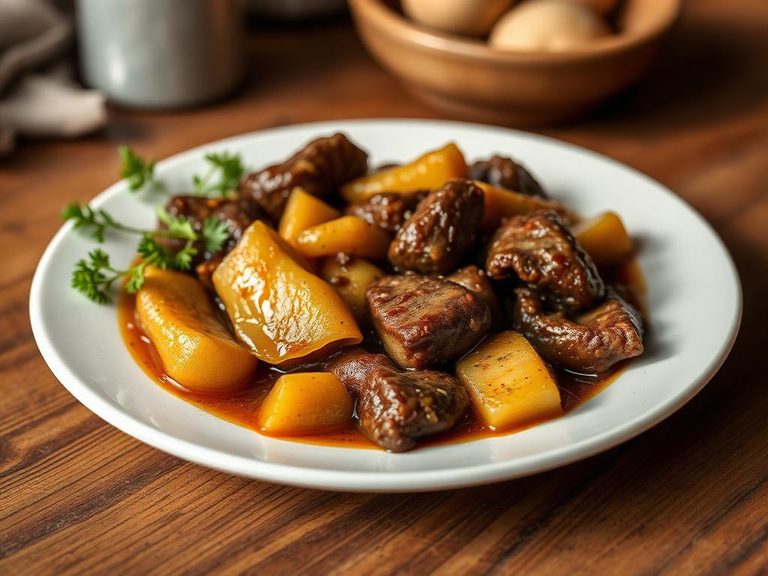
This is a hearty, traditional stew made by slow-cooking meat (often beef, mutton, or game) in a rich, rendered fat base, typically seal oil or tallow. It is a staple dish in Arctic and sub-Arctic coastal communities, particularly among Inuit and other Indigenous peoples of the North Atlantic and Arctic regions. The stew often includes simple, available ingredients like root vegetables, seaweed, or dried fish.
🍽️ Nutrition at a glance
This dish is extremely high in fat and protein, providing a dense source of calories essential for energy in cold climates. It is very low in carbohydrates and is a significant source of fat-soluble vitamins (like A, D, E, and K) and minerals such as iron and selenium.
Nutrition breakdown
| Calories | 450 kcal |
| Protein | 25 g |
| Carbs | 5 g |
| Fat | 38 g |
| Fiber | 1 g |
| Sugar | 2 g |
| Sodium | 600 mg |
| Vitamin D | 15 mcg |
| Vitamin A | 450 mcg RAE |
| Vitamin E | 3.5 mg |
| Iron | 4.5 mg |
| Selenium | 30 mcg |
| Zinc | 6 mg |
| Potassium | 400 mg |
| Phosphorus | 250 mg |
Per 1 cup (240 g) · estimated, varies by recipe
💡 What's interesting
Culturally, this stew is a prime example of traditional food preservation and utilization, where every part of a hunted animal is used, and rendering fat is a key method for long-term storage. Nutritionally, the seal oil is a unique source of omega-3 fatty acids (EPA and DHA) and vitamin D, which are crucial for health in regions with limited sunlight.