Liver and blubber stew
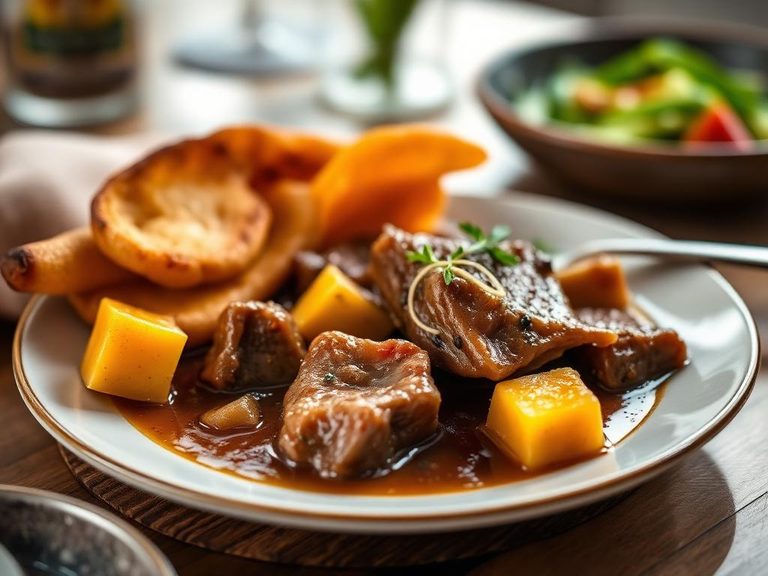
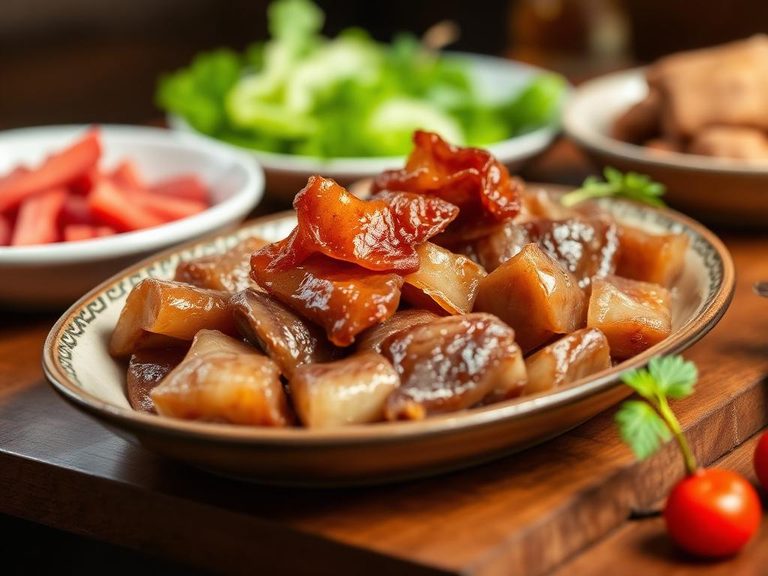
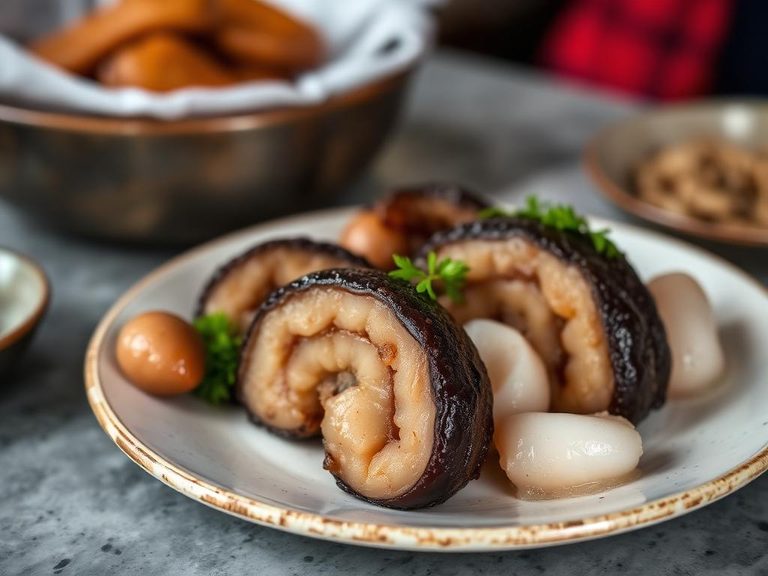
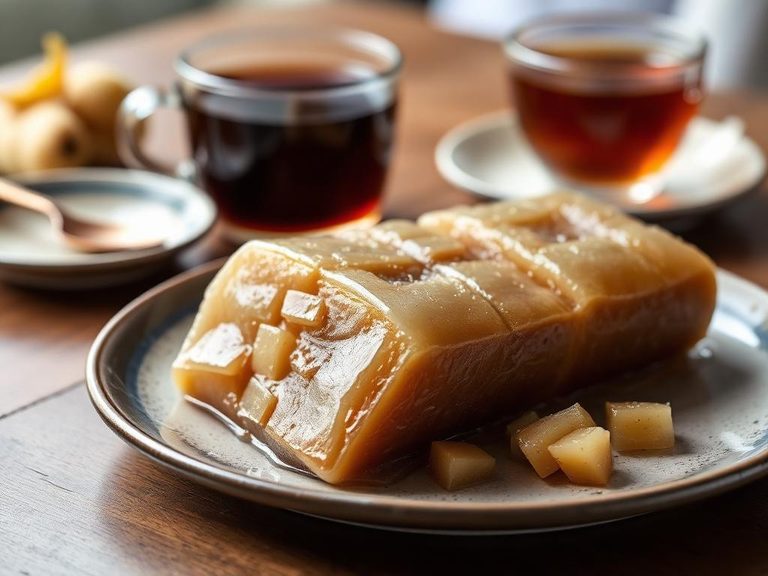
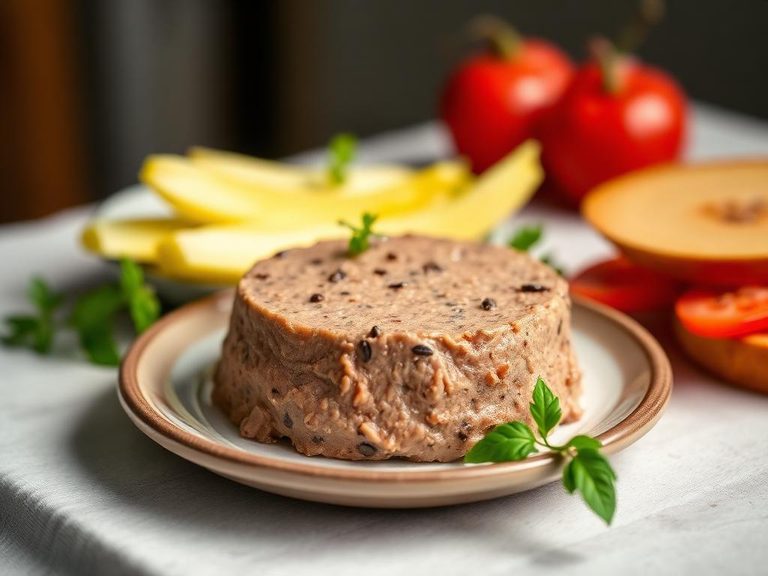
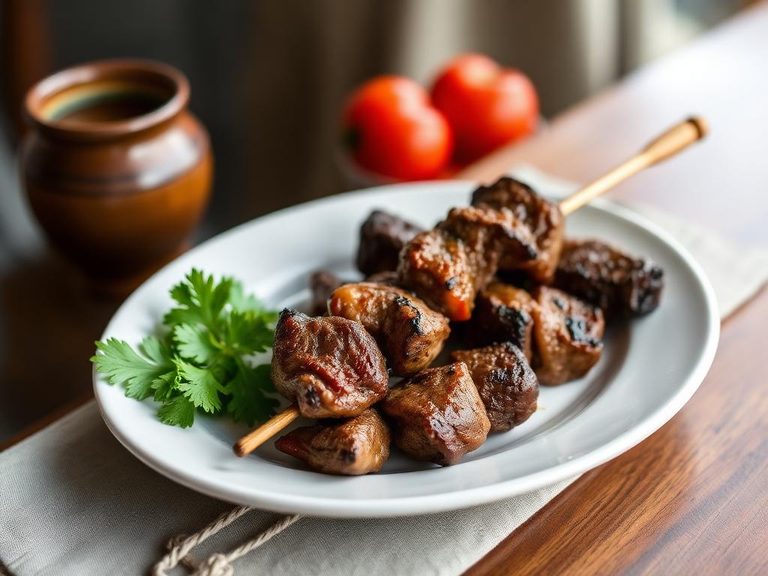
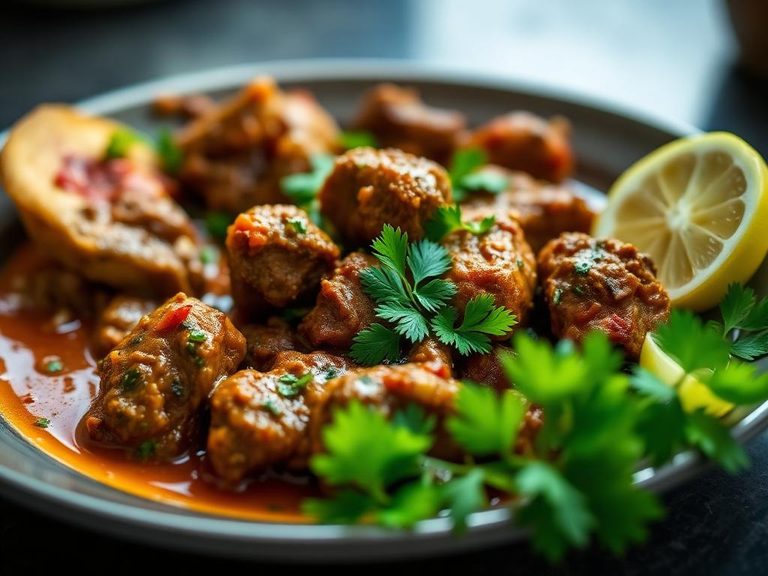
Liver and blubber stew is a traditional, nutrient-dense dish from Arctic and subarctic regions, particularly among Inuit and other Indigenous communities. It is typically made from the liver and skin (blubber) of marine mammals like seal or whale, slow-cooked into a rich, oily stew. This dish is a vital source of energy and essential nutrients in harsh, cold climates.
🍽️ Nutrition at a glance
This stew is exceptionally high in fat and protein, providing a significant calorie boost, with a typical serving containing around 800-1000 kcal. It is a powerhouse of key nutrients, especially fat-soluble vitamins like A and D, omega-3 fatty acids, and minerals such as iron and selenium.
Nutrition breakdown
| Calories | 920 kcal |
| Protein | 28 g |
| Carbs | 0 g |
| Fat | 90 g |
| Fiber | 0 g |
| Sugar | 0 g |
| Sodium | 350 mg |
| Vitamin A | 15000 IU |
| Vitamin D | 25 mcg |
| Iron | 6 mg |
| Selenium | 45 mcg |
| Vitamin B12 | 18 mcg |
| Zinc | 4 mg |
| Phosphorus | 350 mg |
| Omega-3 (EPA+DHA) | 2500 mg |
Per 1 cup (240 g) · estimated, varies by recipe
💡 What's interesting
Culturally, this dish represents a profound connection to traditional hunting practices and a diet adapted for extreme cold, where high-fat foods are crucial for survival. Nutritionally, it is one of the most concentrated natural sources of vitamins A and D, which are rare in many other food sources.